Italian Renaissance
A style that used various tools to create naturalism, including cast shadows, linear perspective, contrapposto, and classical models.
Italian Renaissance
A style that used various tools to create naturalism, including cast shadows, linear perspective, contrapposto, and classical models.
Basics to get you started
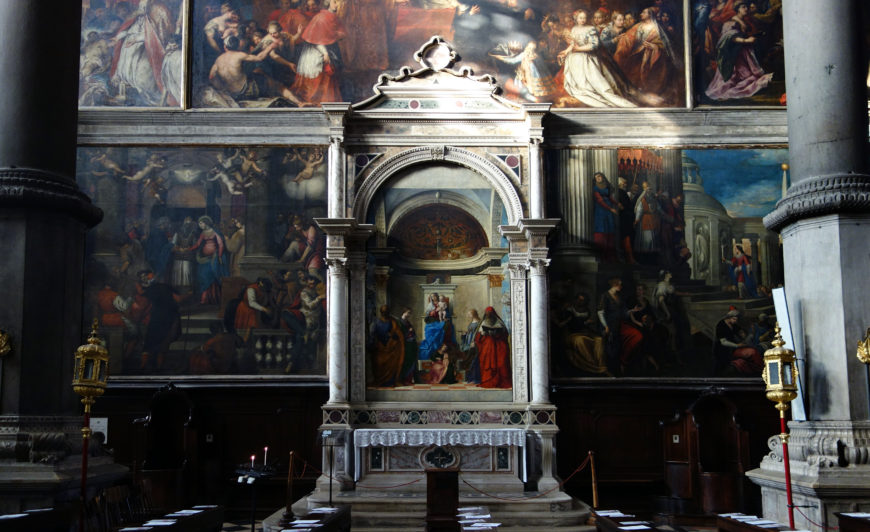
A primer for Italian renaissance art

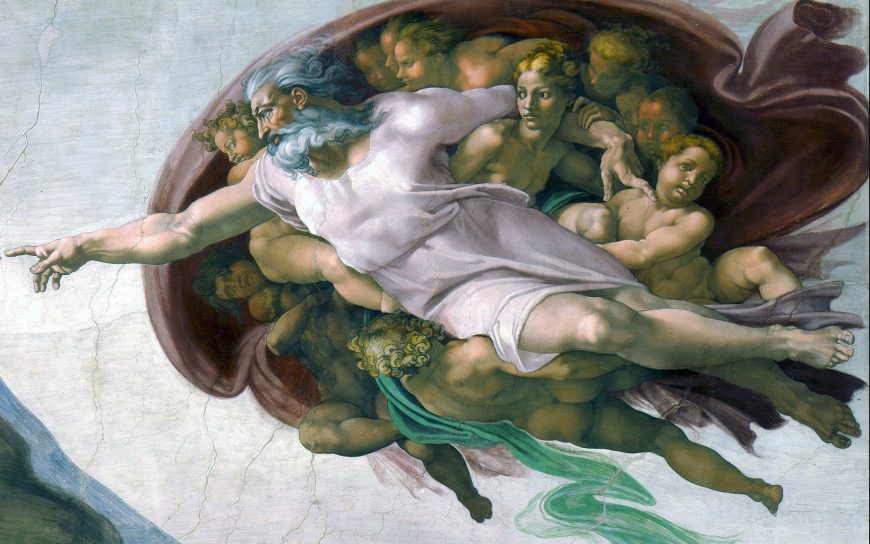
How to recognize Italian Renaissance art

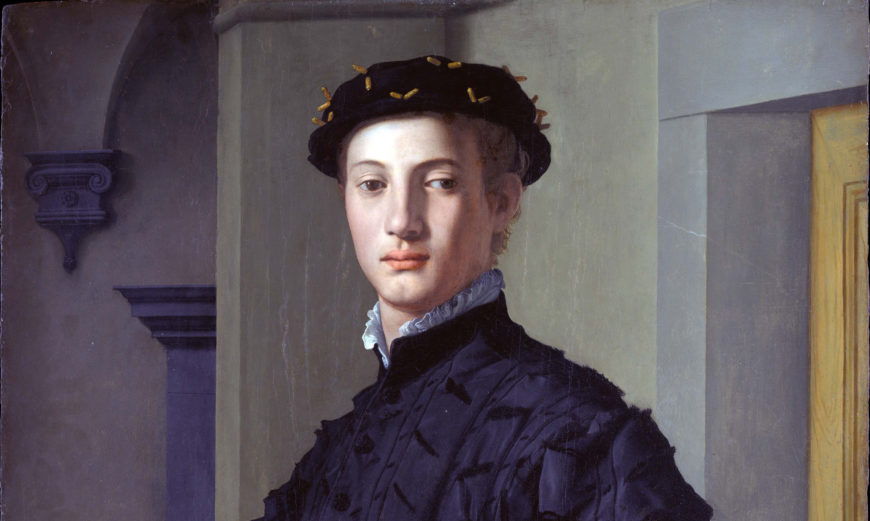
Why commission artwork during the renaissance?
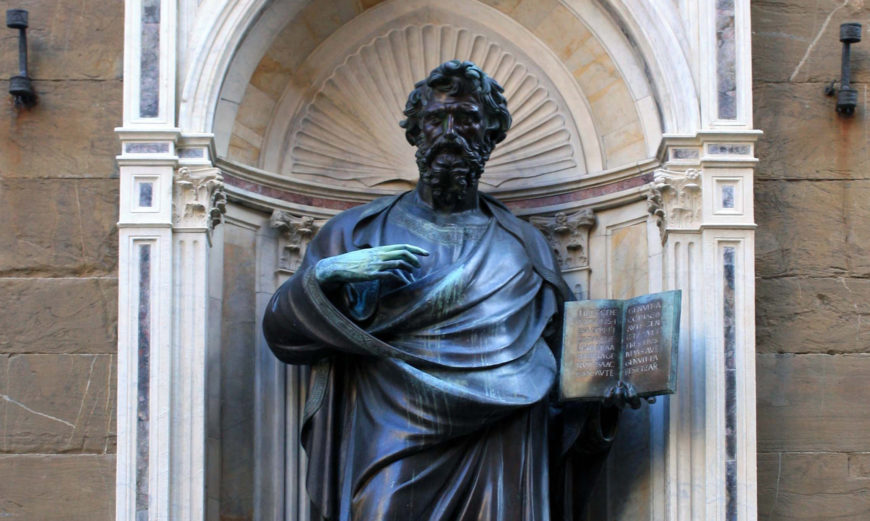
Types of renaissance patronage
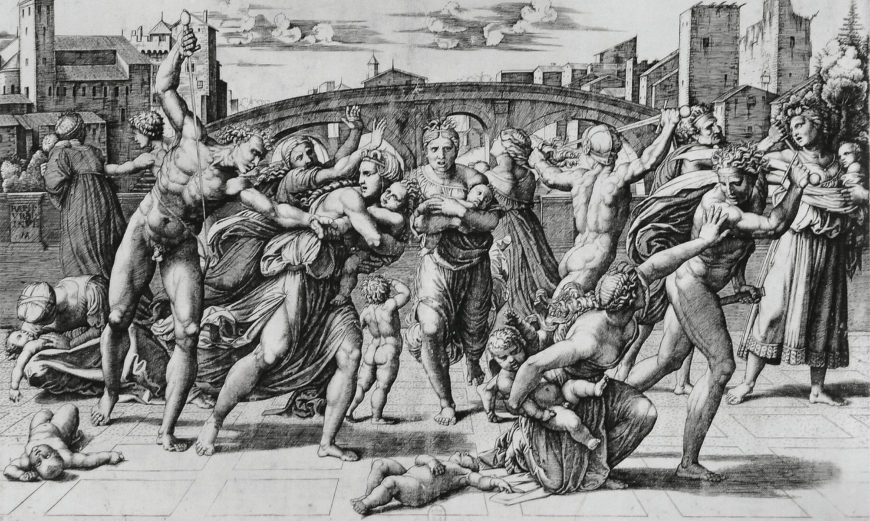
The role of the workshop in Italian renaissance art
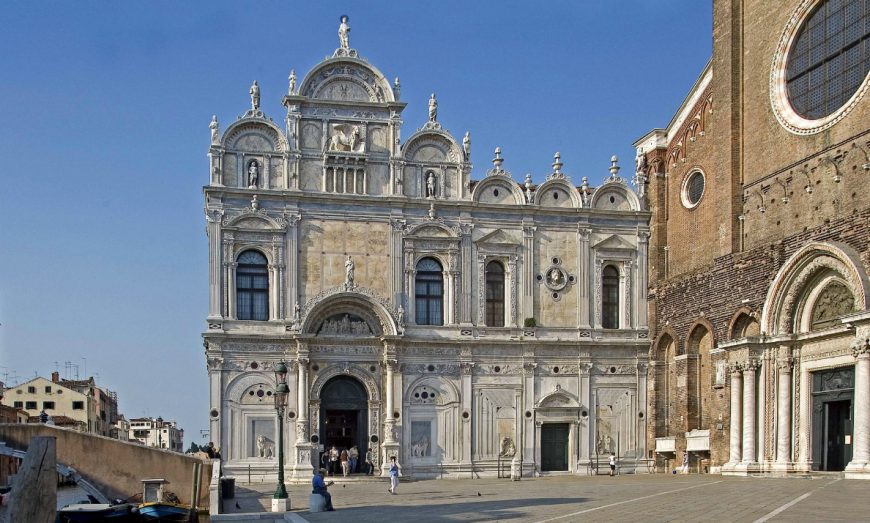
Devotional confraternities (scuole) in Renaissance Venice
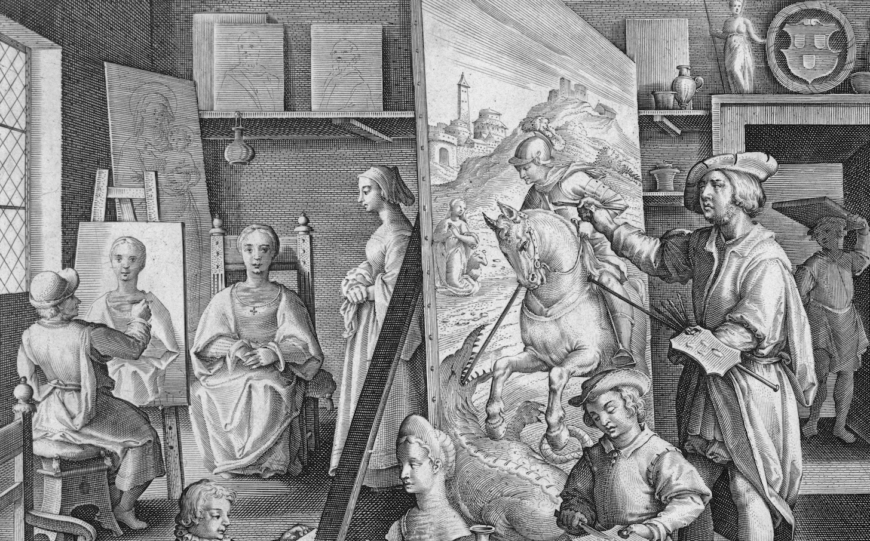
The status of the artist in renaissance Italy
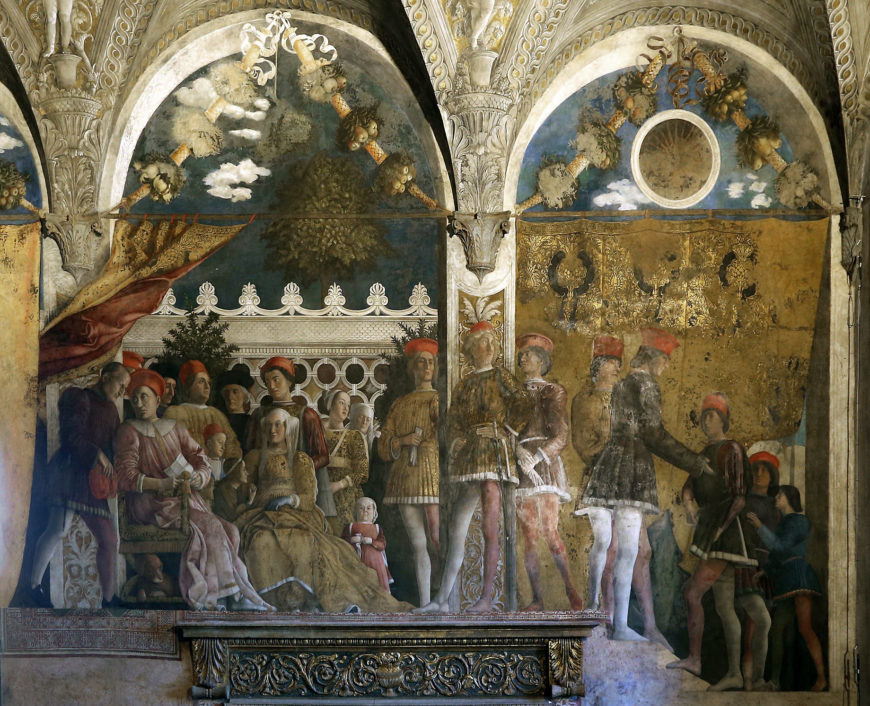
The Italian renaissance court artist

Humanism in renaissance Italy
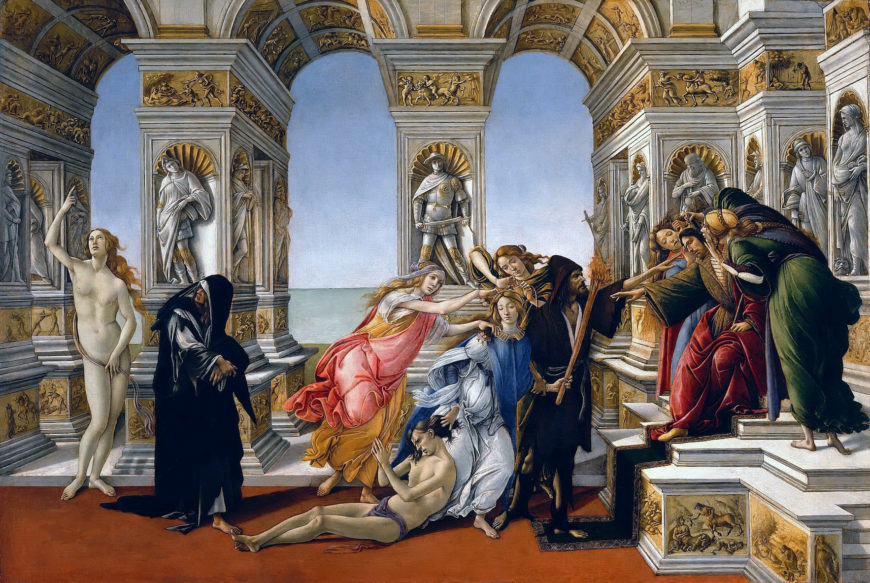
Humanism in Italian renaissance art
Florence in the Early Renaissance
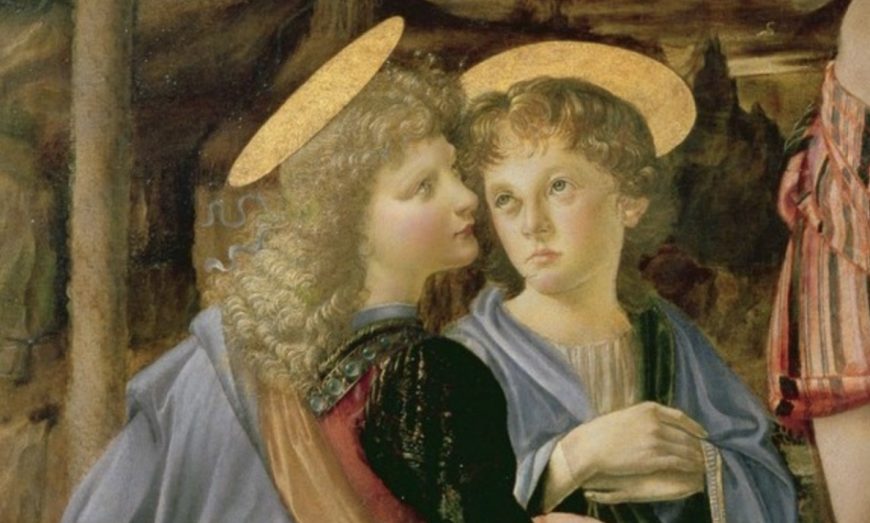
Toward the High Renaissance, an introduction
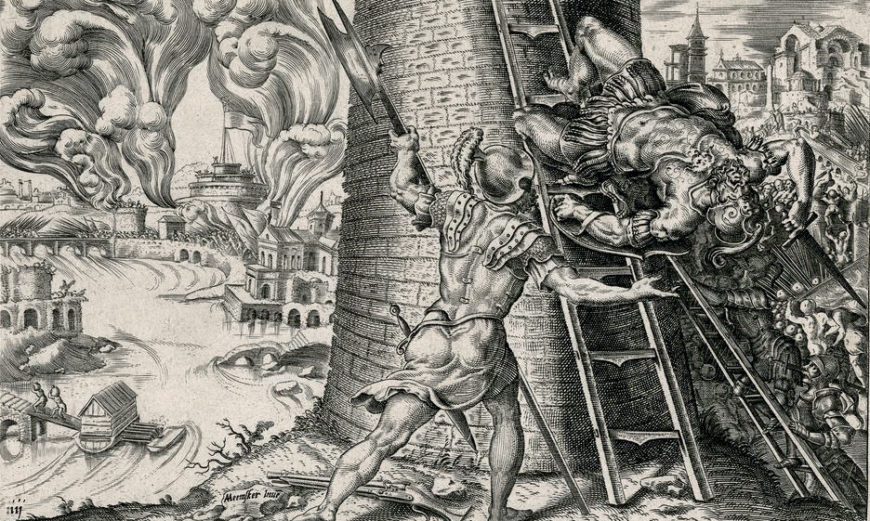
The Sack of Rome in 1527
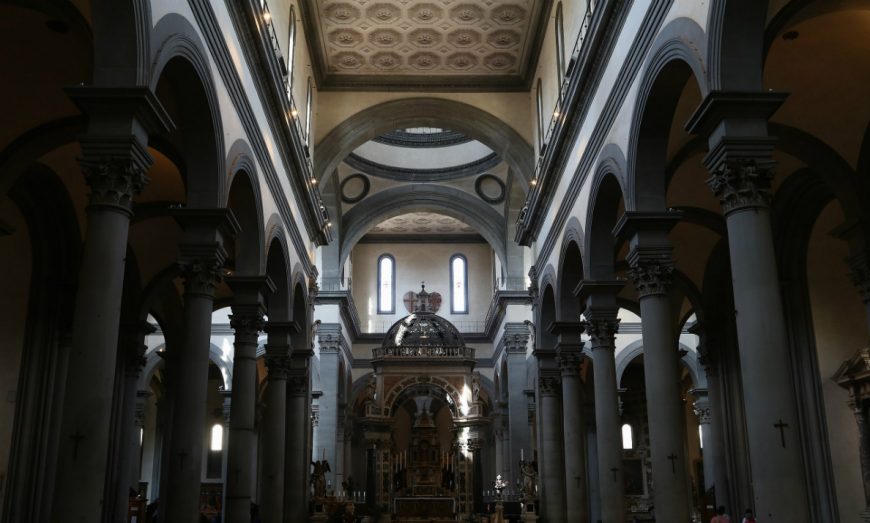
Early applications of linear perspective
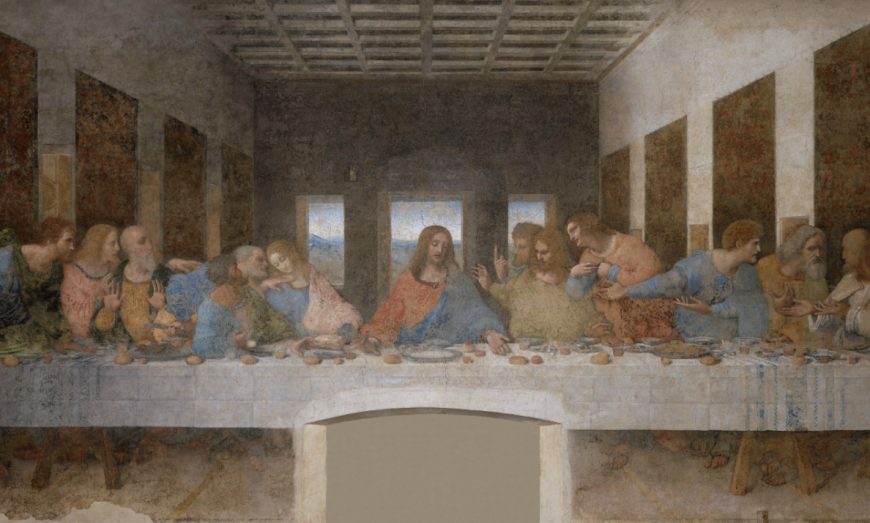
Linear perspective explained
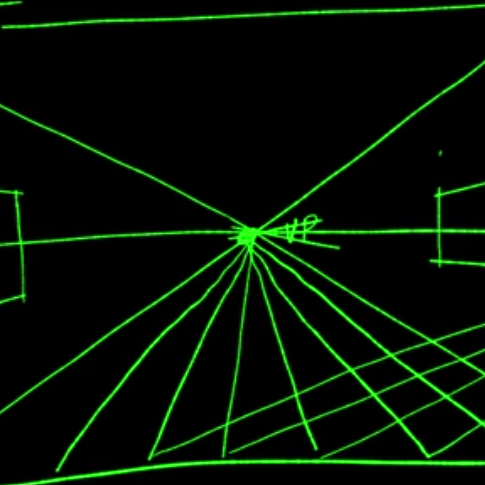
How one-point linear perspective works
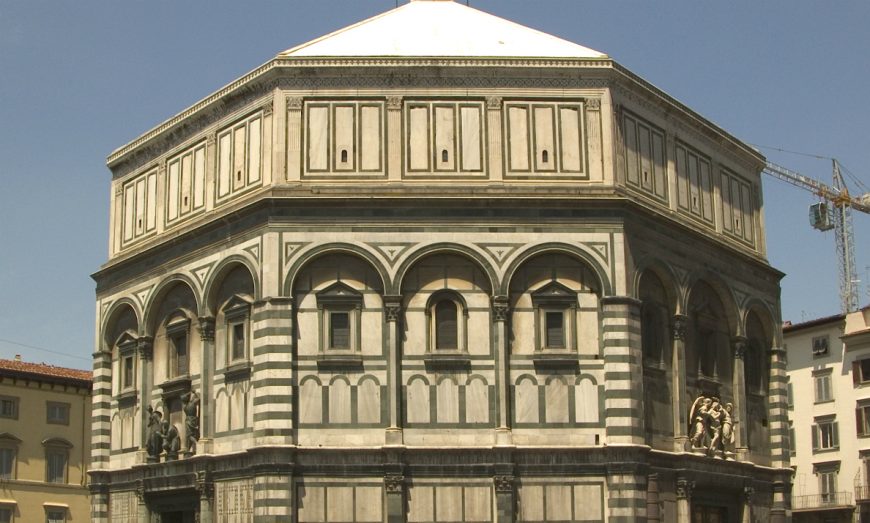
Linear Perspective: Brunelleschi’s Experiment
Oil paint in Venice
Saving Venice
Greek painters in renaissance Venice
Venetian glass, an introduction
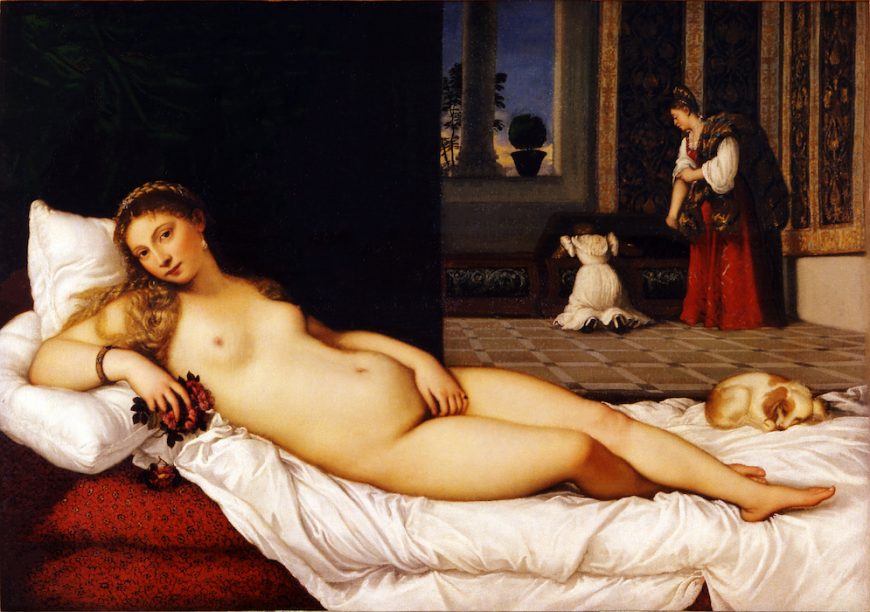
Chiaroscuro explained

Atmospheric perspective explained
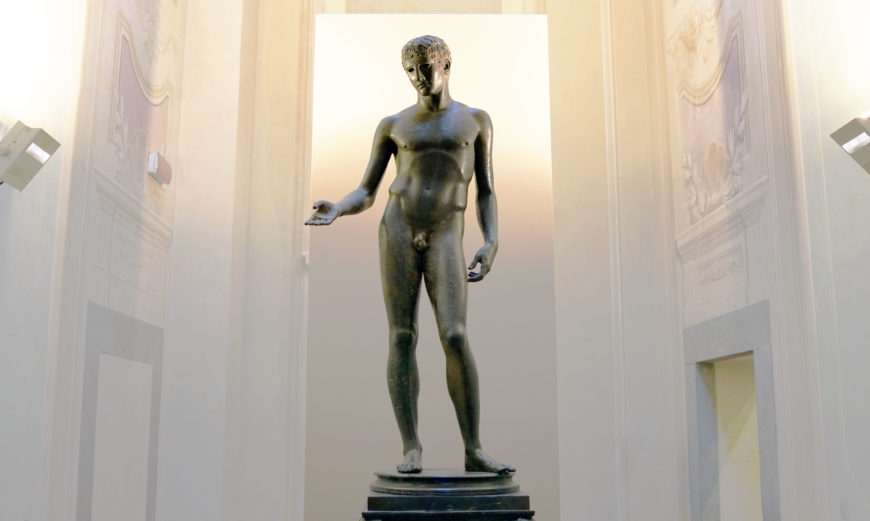
Contrapposto explained
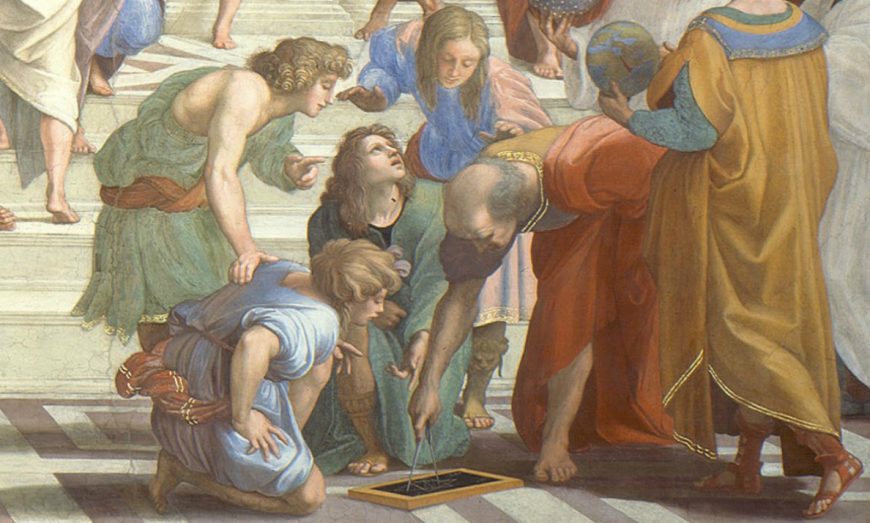
Foreshortening explained
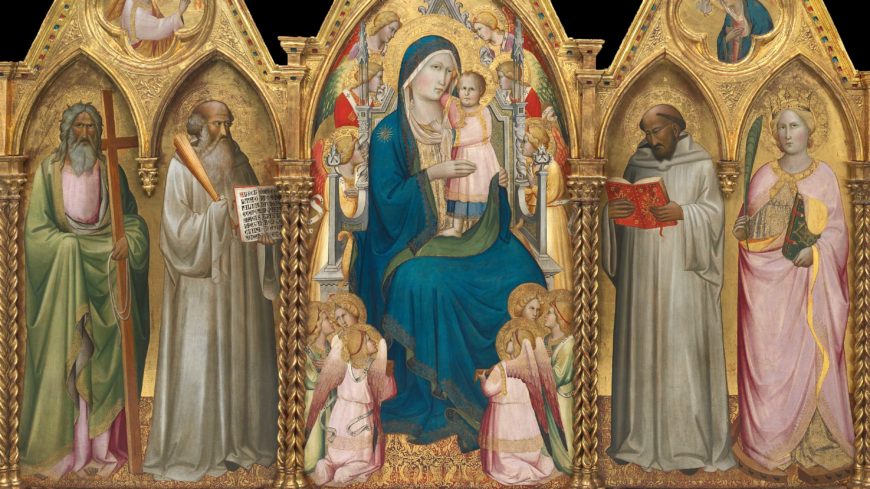
Who’s who? How to recognize saints…
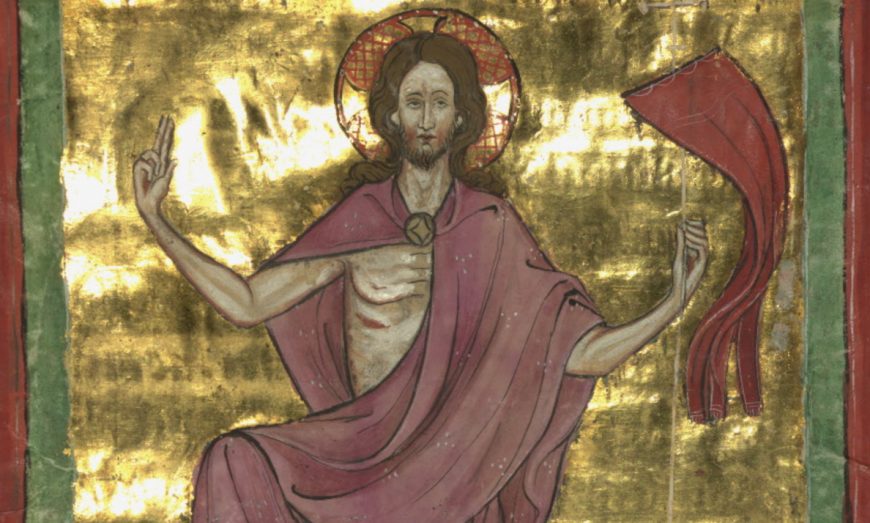
The life of Christ in medieval and Renaissance art
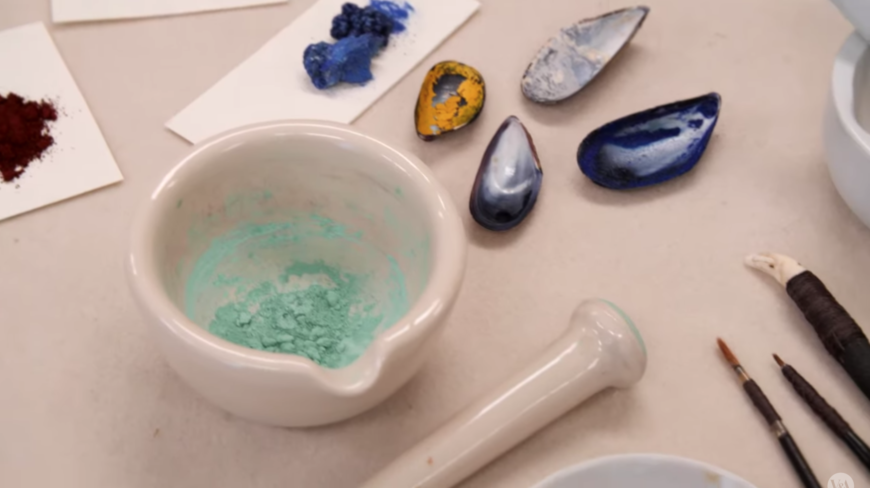
Renaissance watercolors: materials and techniques
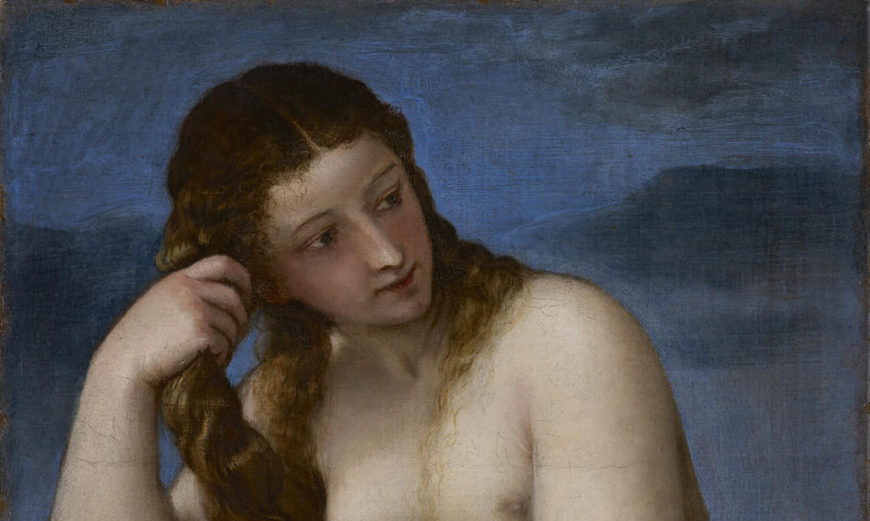
Confronting power and violence in the renaissance nude
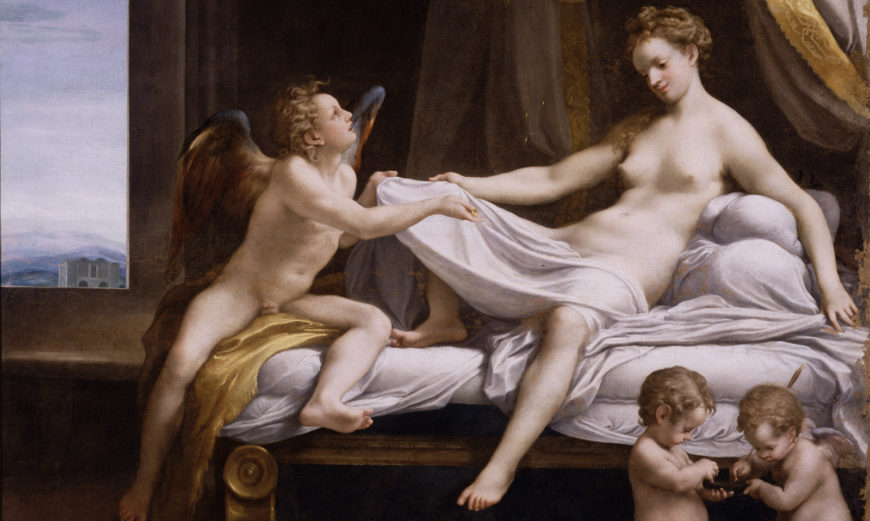
Sex, Power, and Violence in the Renaissance Nude
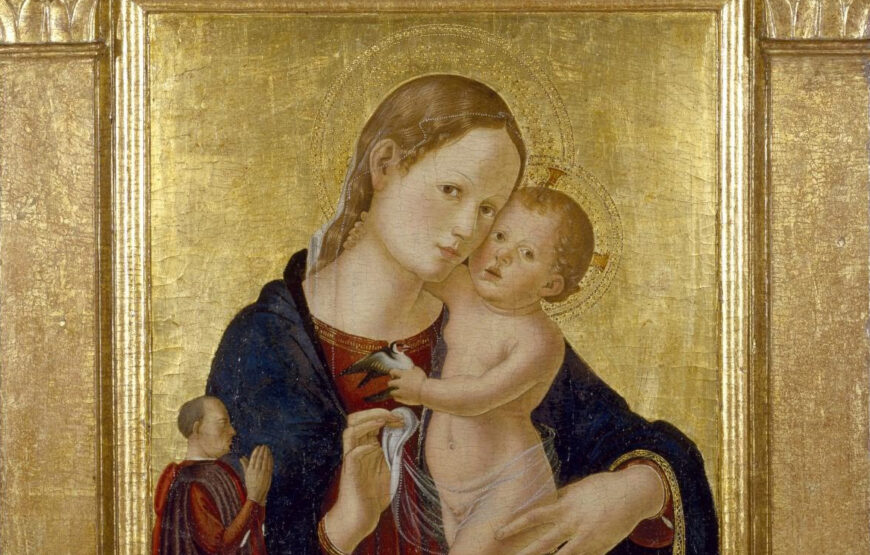
Retro style in the Italian Renaissance
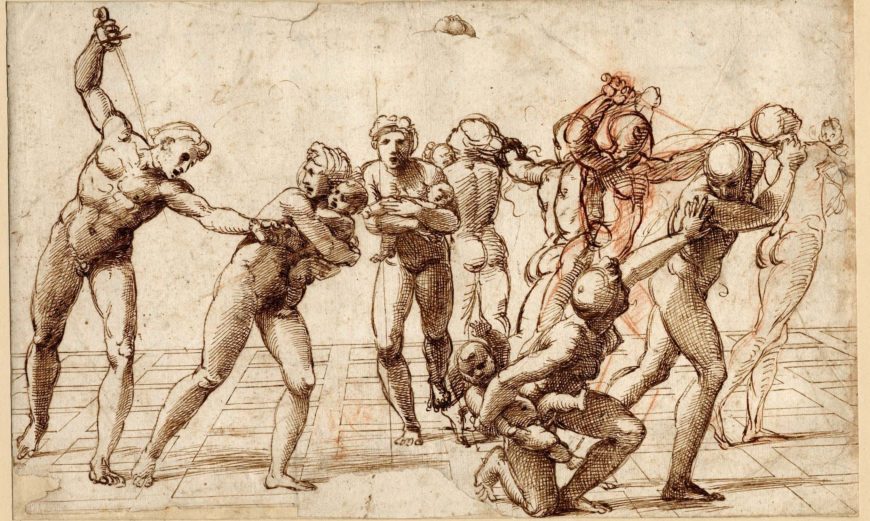
Preparatory drawing during the Italian renaissance, an introduction
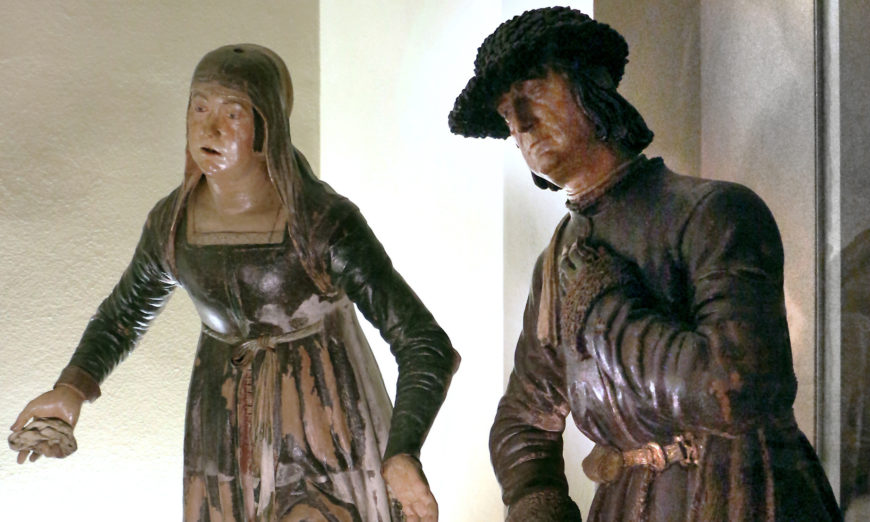
Guido Mazzoni and Renaissance Emotions
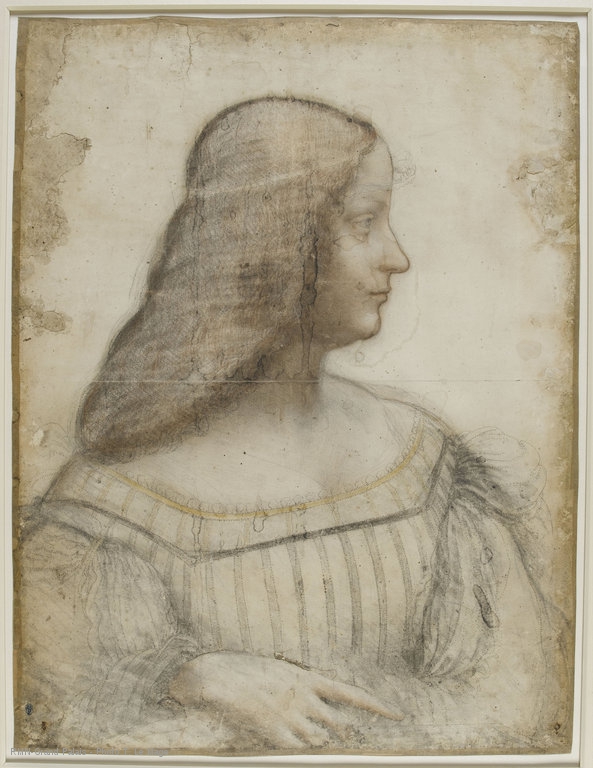
Renaissance woman: Isabella d’Este
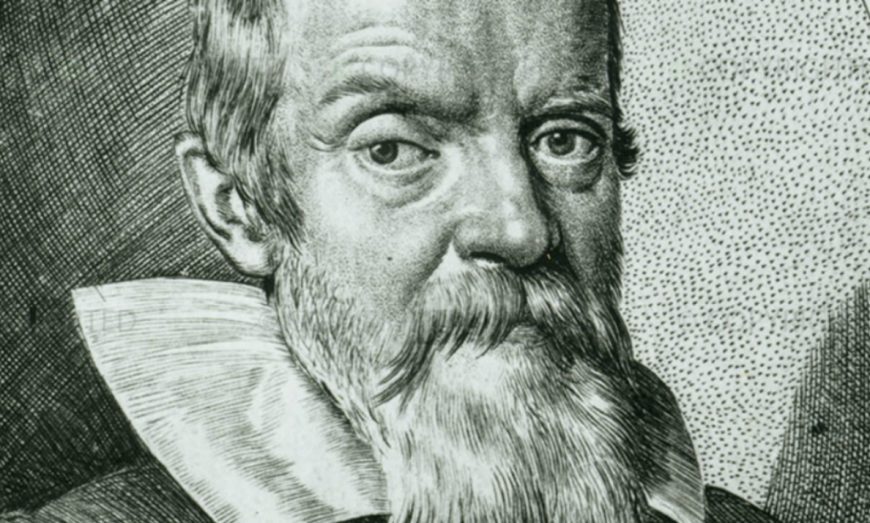
Galileo Galilei
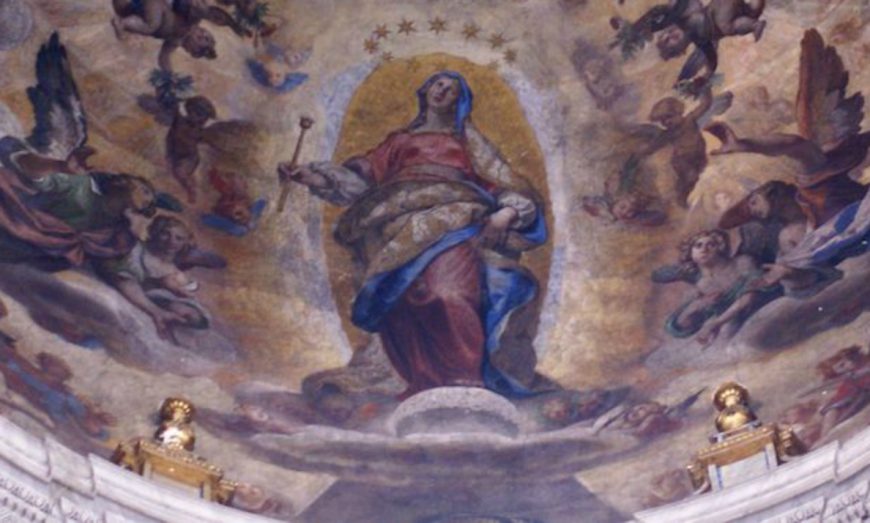
Galileo and the science of nature
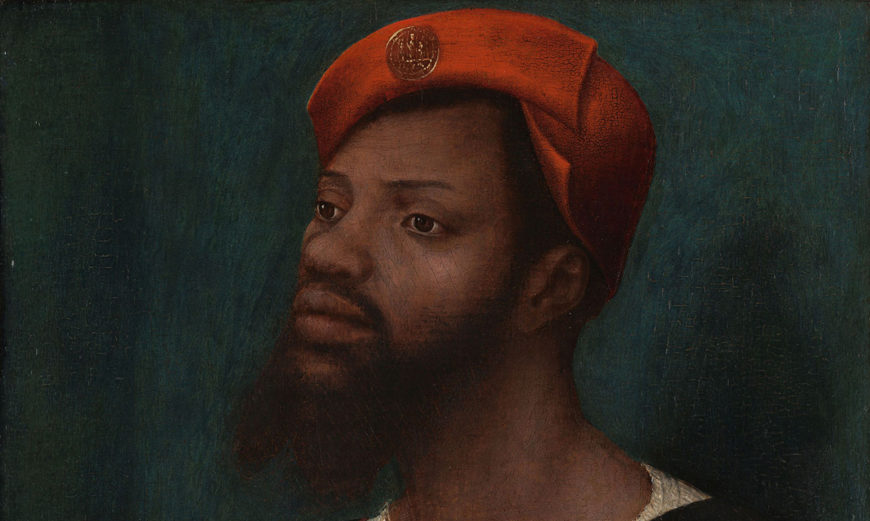
Africa in the European imagination
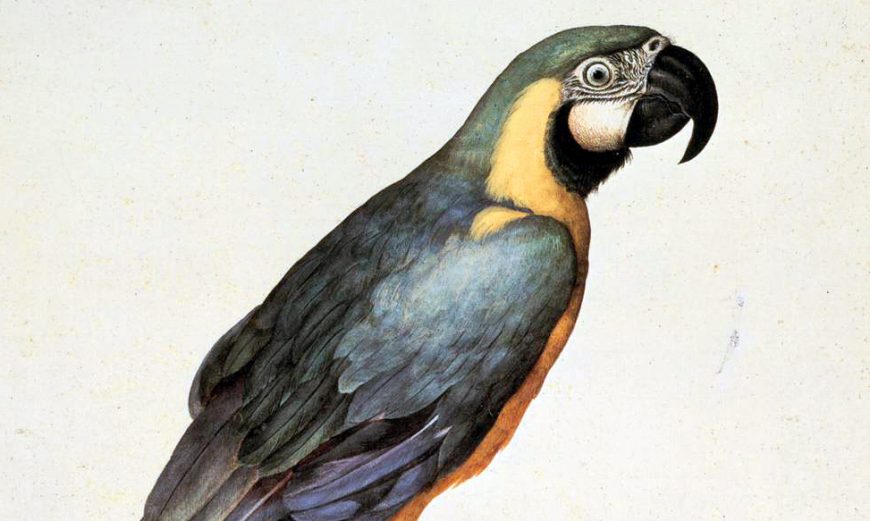
The Medici collect the Americas
Tiny timeline: global Europe

Dante’s Divine Comedy in Late Medieval and Early Renaissance art
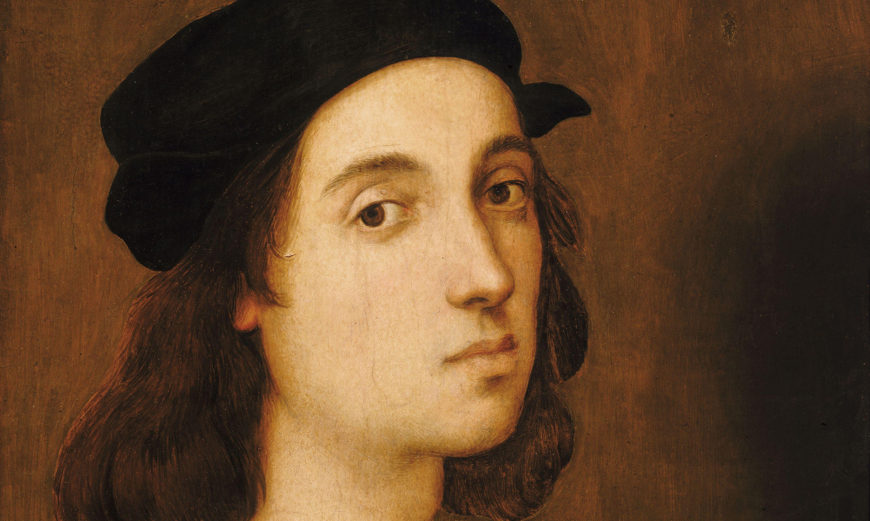
Raphael, an introduction
Works of Art


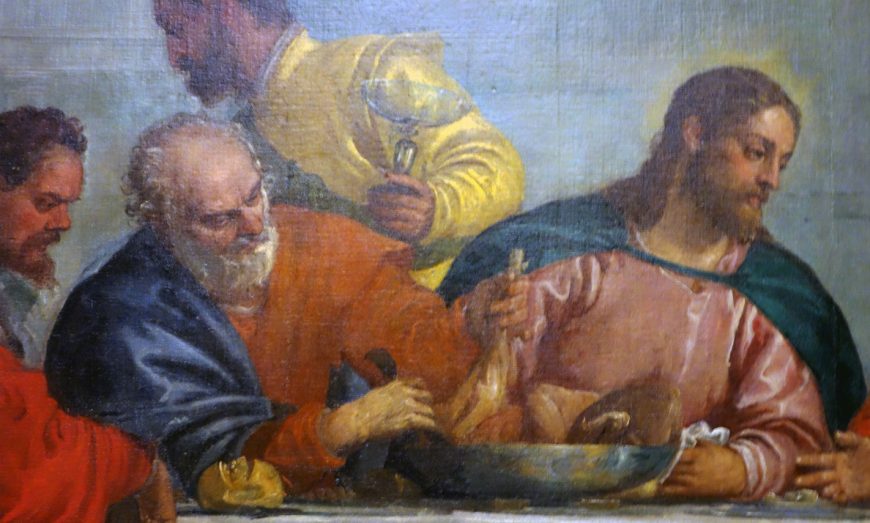
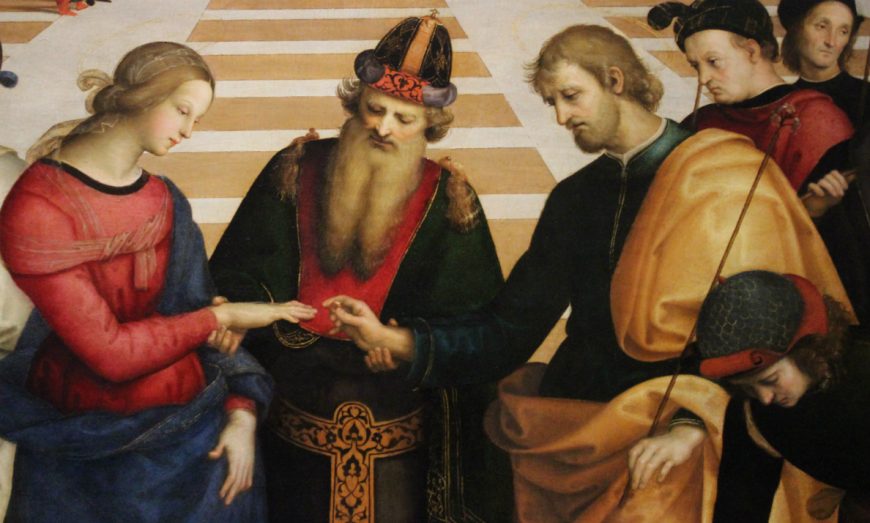
Artists
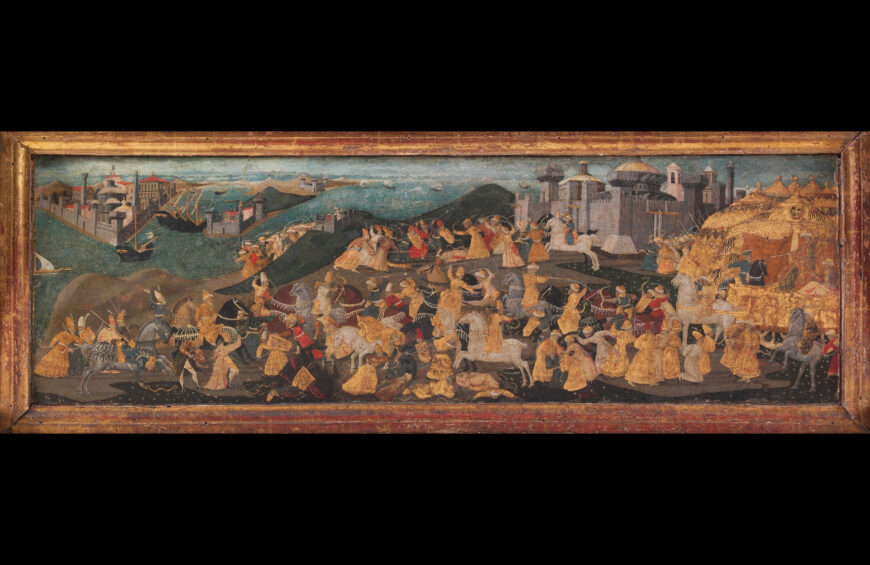
Front panel depicting the Conquest of Trebizond, Marco del Buono Giamberti and Apollonio di Giovanni di Tomaso, Cassone with the Conquest of Trebizond, after c. 1461, poplar wood, linen, polychromed and gilded gesso with panel painted in tempera and gold, 100.3 x 195.6 x 83.5 cm (The Metropolitan Museum of Art)