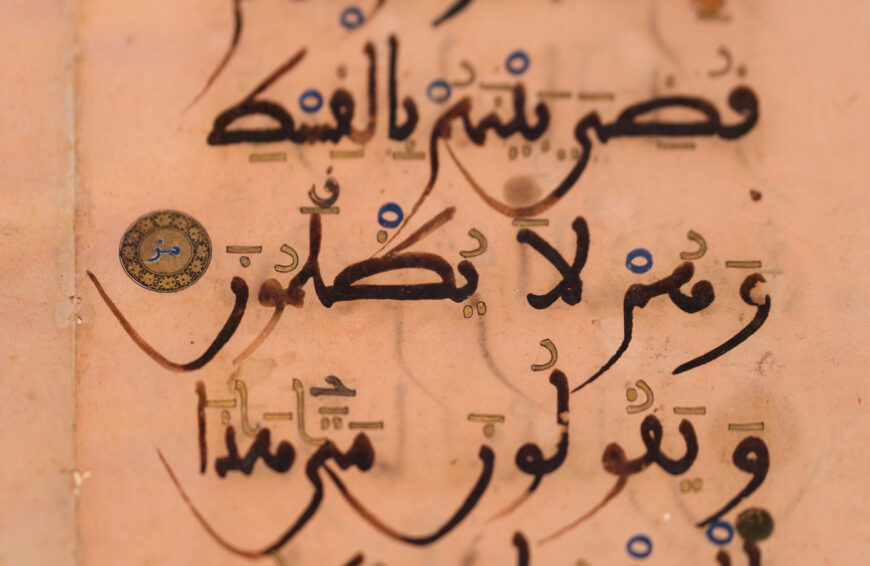
Byzantine
Style and culture related to the move of the Roman Empire’s capital to Byzantion (renamed Constantinople) and the dominance of Christianity.
Byzantine
Style and culture related to the move of the Roman Empire’s capital to Byzantion (renamed Constantinople) and the dominance of Christianity.
Basics to get you started
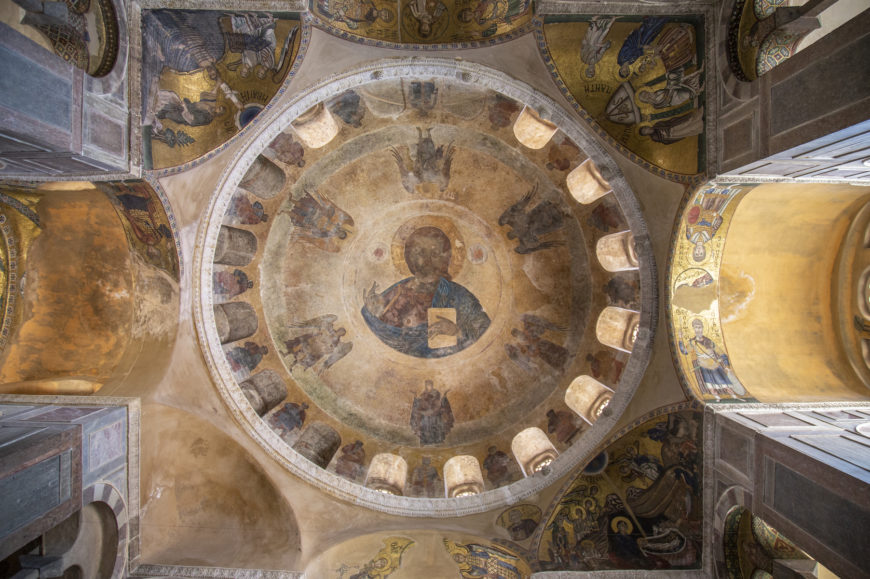
Byzantine art, an introduction

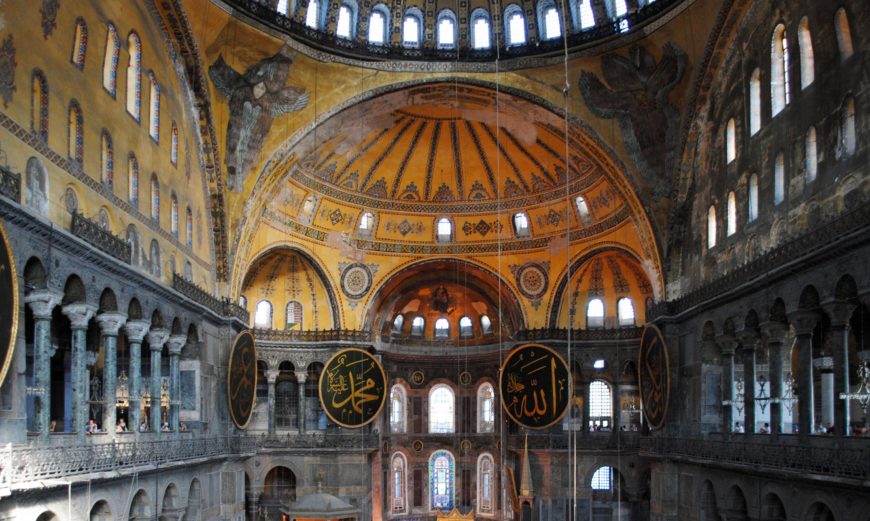
About the chronological periods of the Byzantine Empire
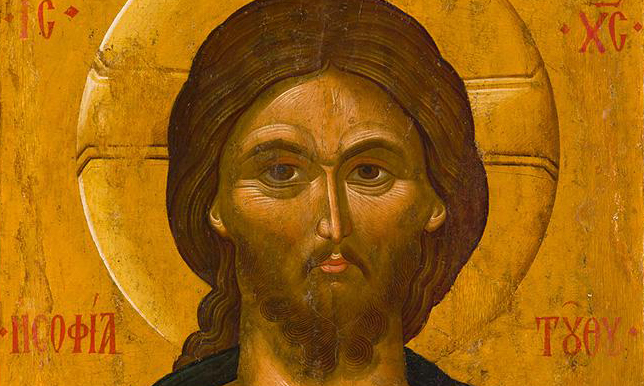
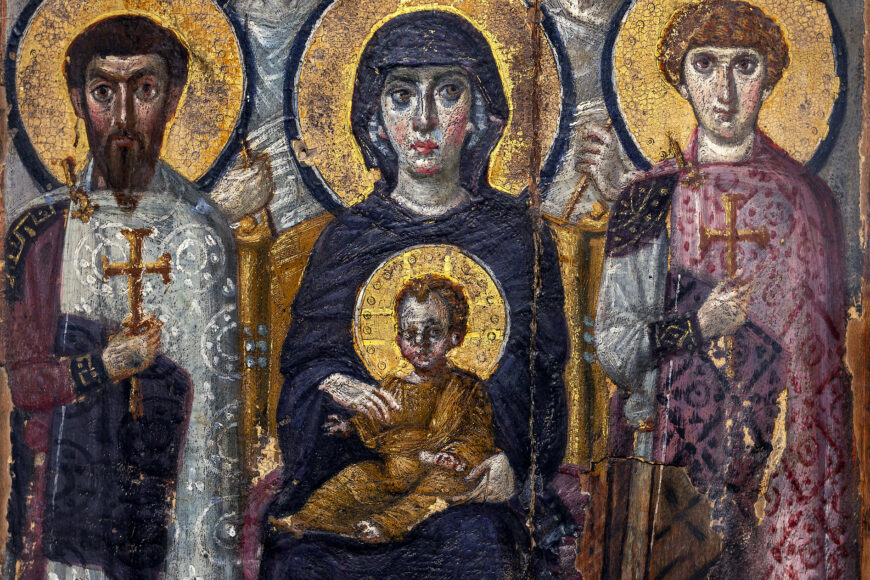
Icons, an introduction
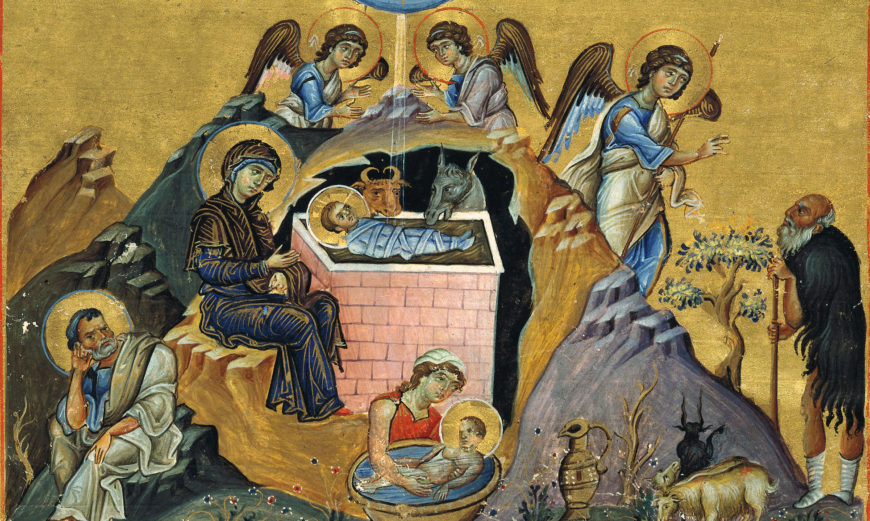
The lives of Christ and the Virgin in Byzantine art
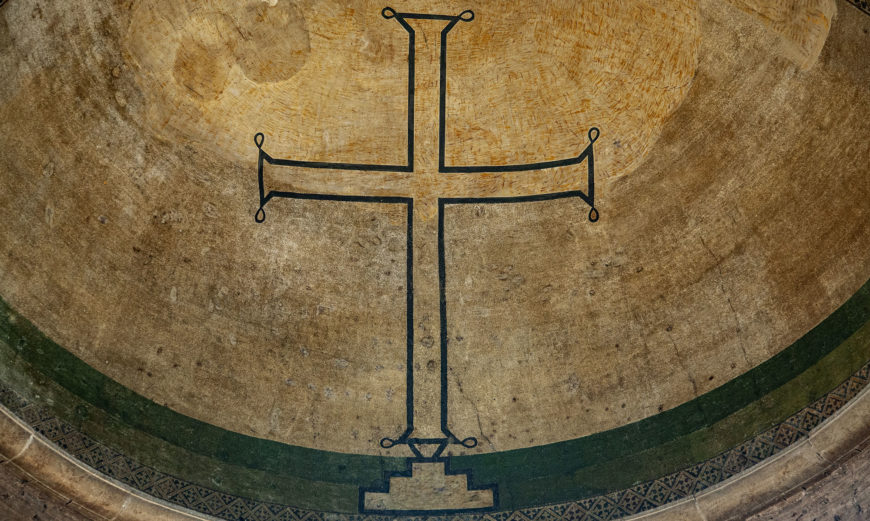
Byzantine Iconoclasm and the Triumph of Orthodoxy
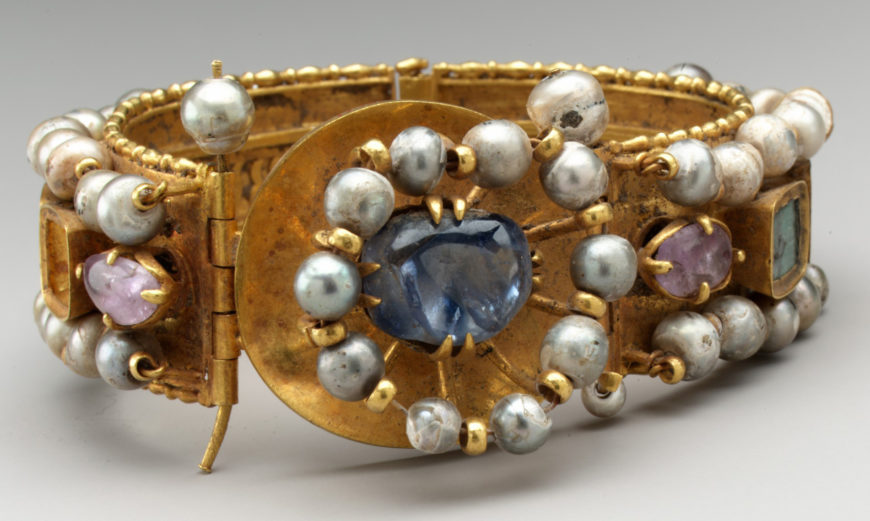
Wearable art in Byzantium
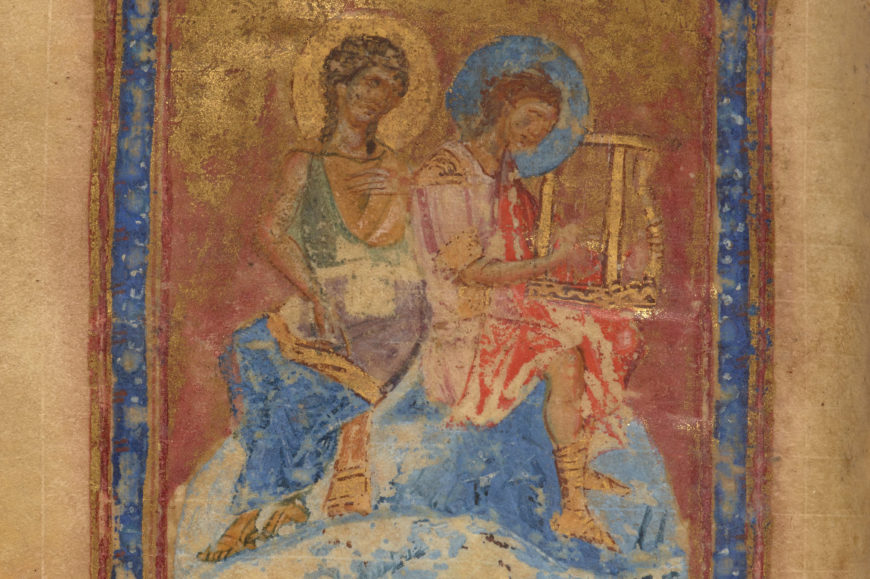
Illuminating the Psalms in Byzantium
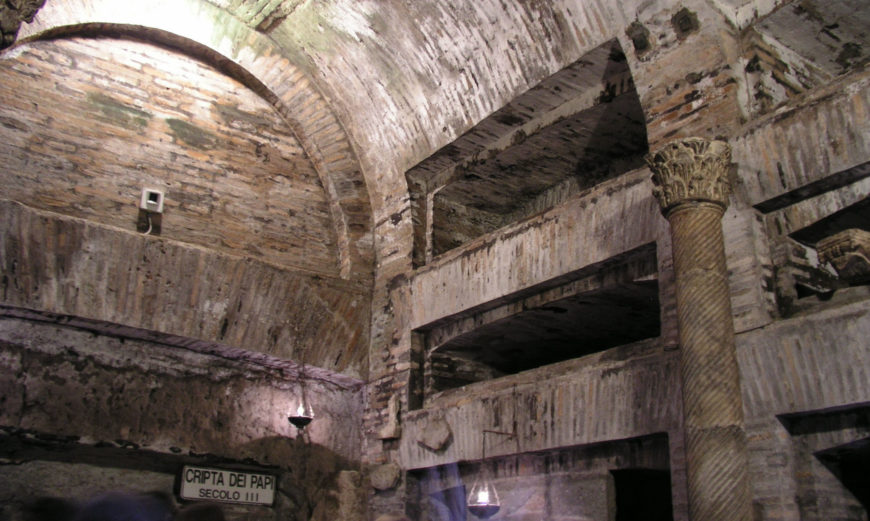
The origins of Byzantine architecture
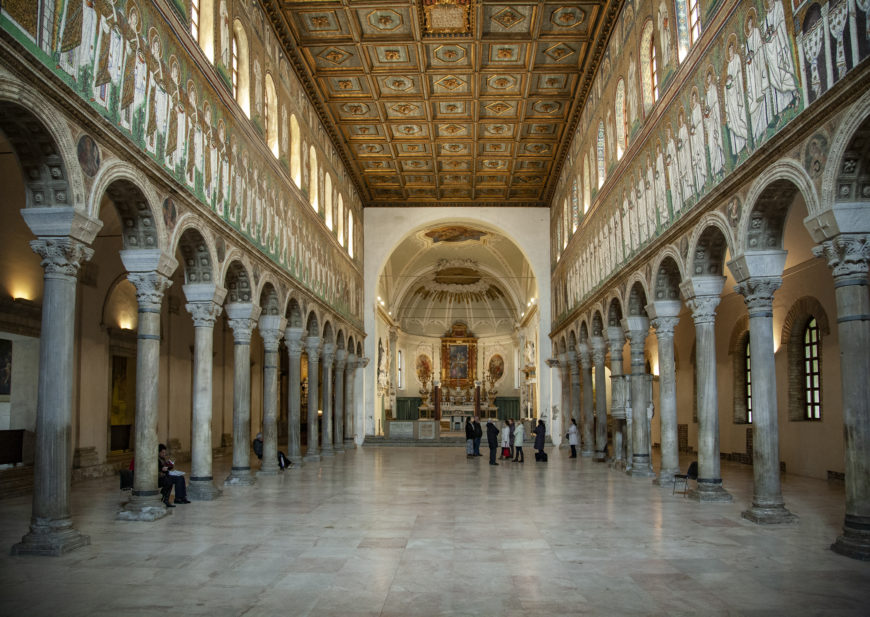
Early Byzantine architecture after Constantine
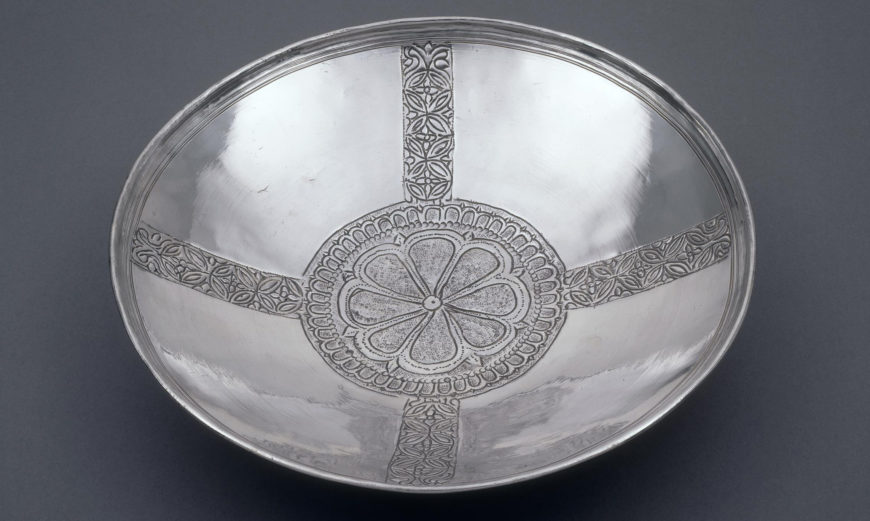
Cross-cultural artistic interaction in the Early Byzantine period
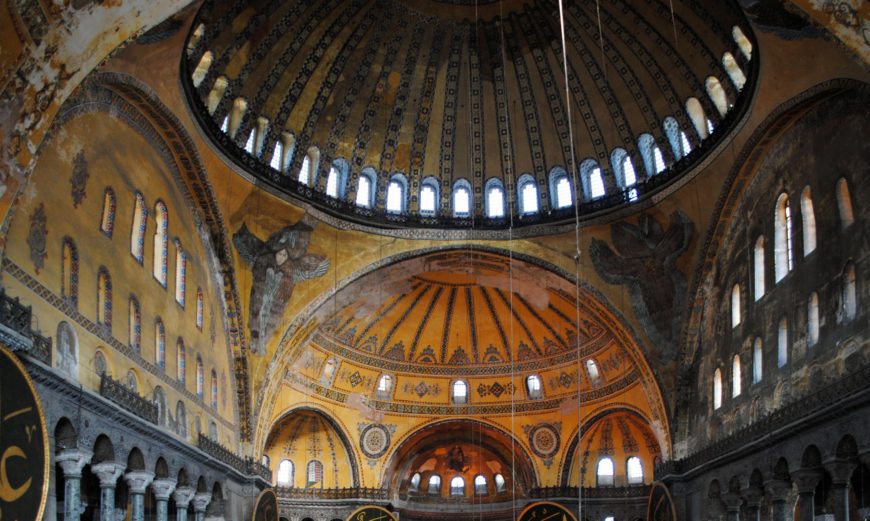
Innovative architecture in the age of Justinian
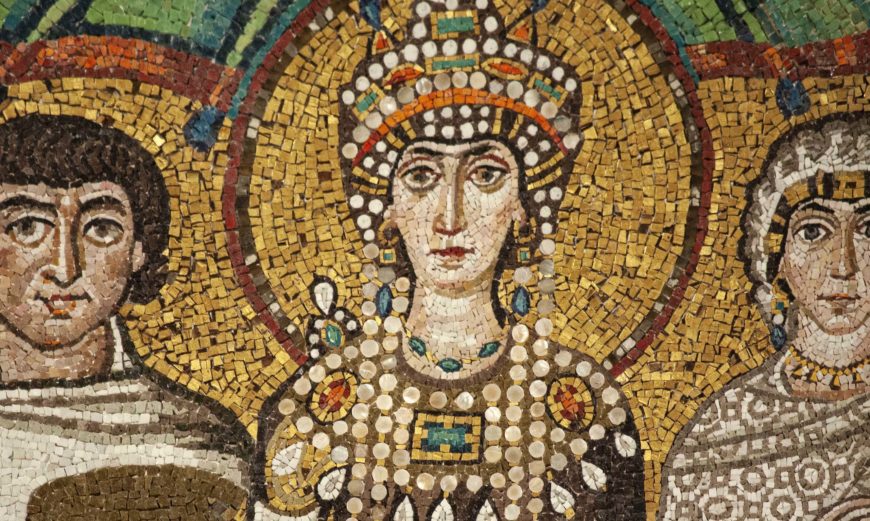
Empress Theodora, rhetoric, and Byzantine primary sources
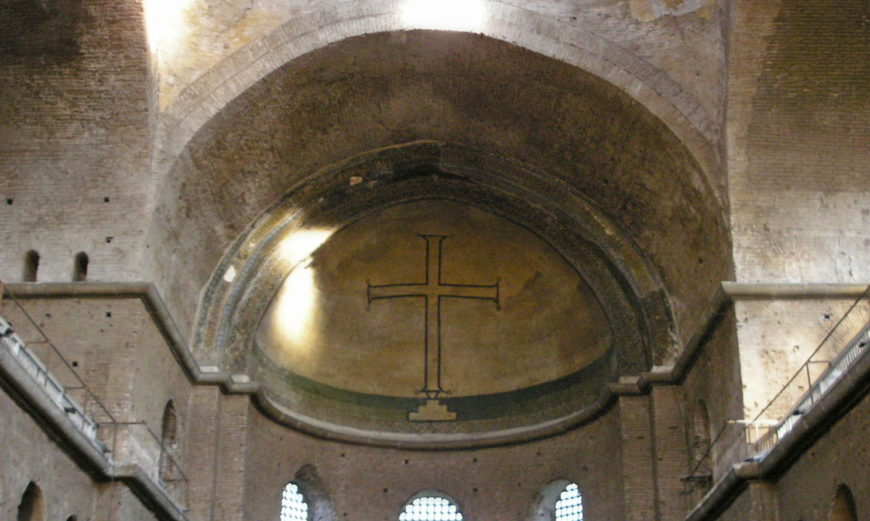
Byzantine architecture during Iconoclasm
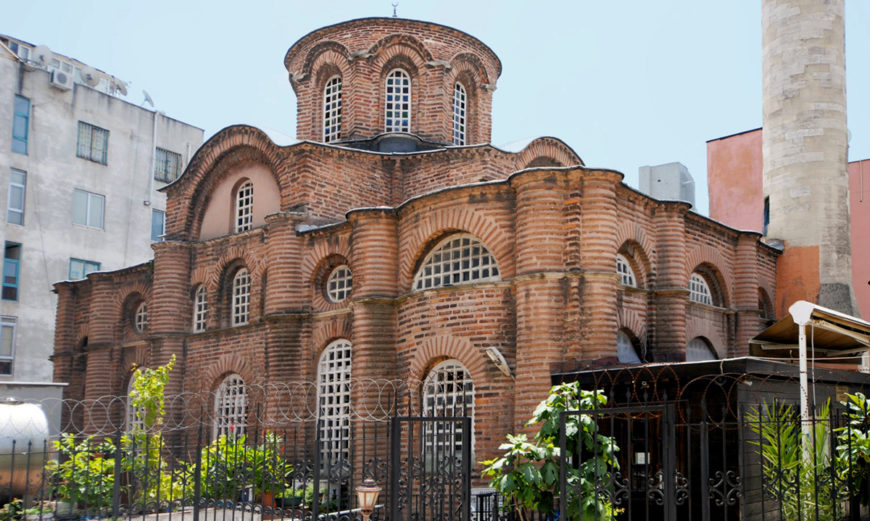
Middle Byzantine church architecture
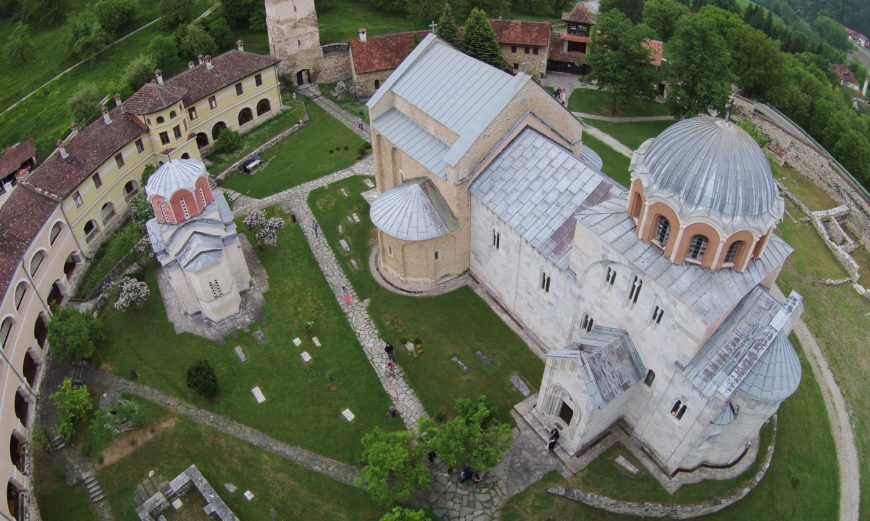
Regional variations in Middle Byzantine architecture
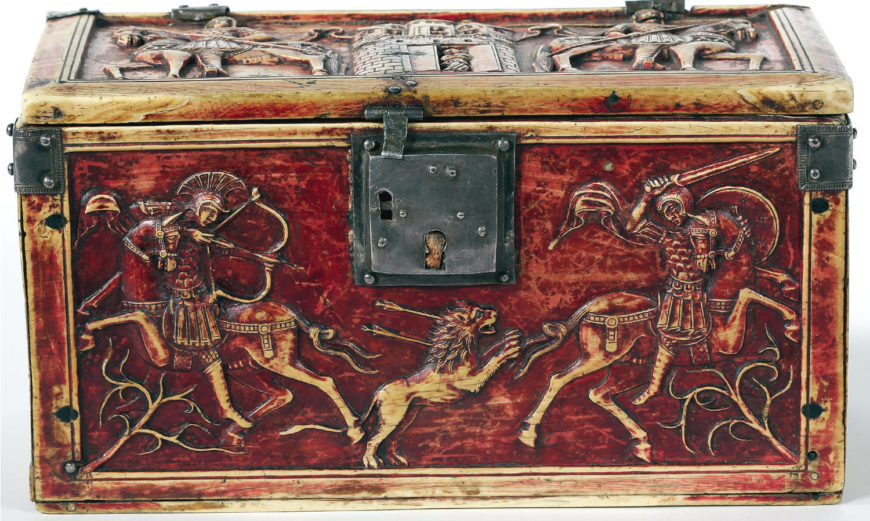
Cross-cultural artistic interaction in the Middle Byzantine period
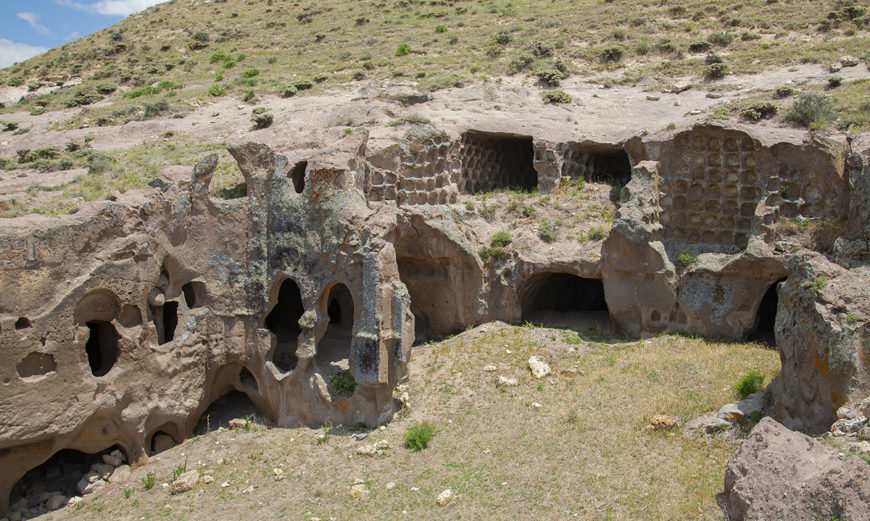
Middle Byzantine secular architecture and urban planning
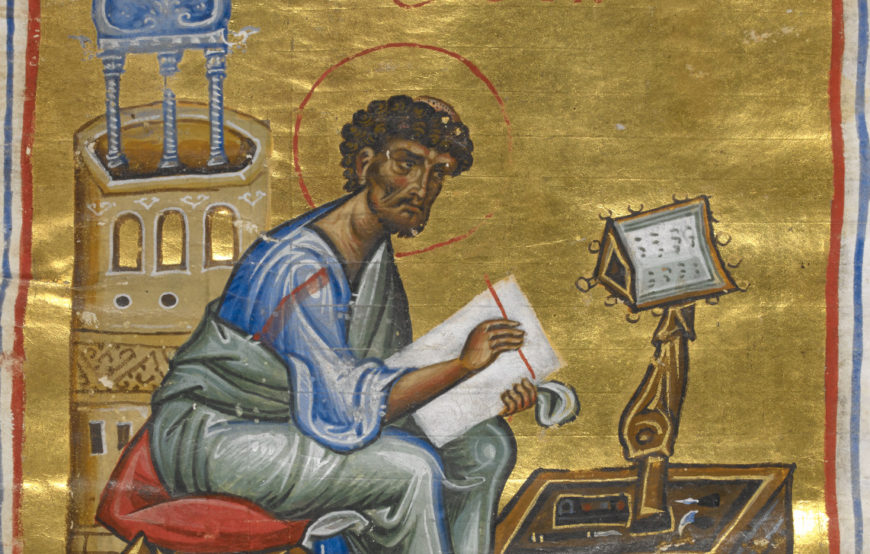
Illuminated Greek Gospel-books
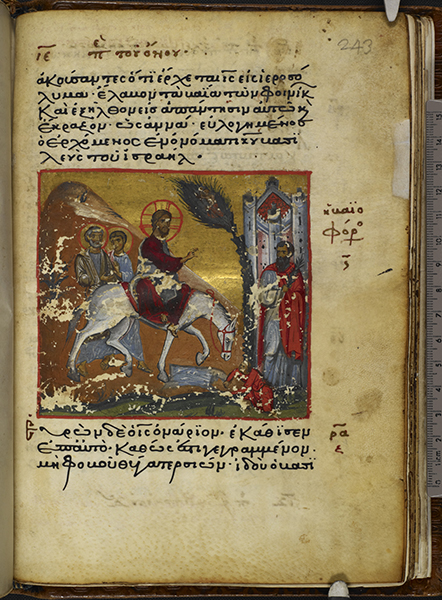
Book illumination in the Eastern Mediterranean
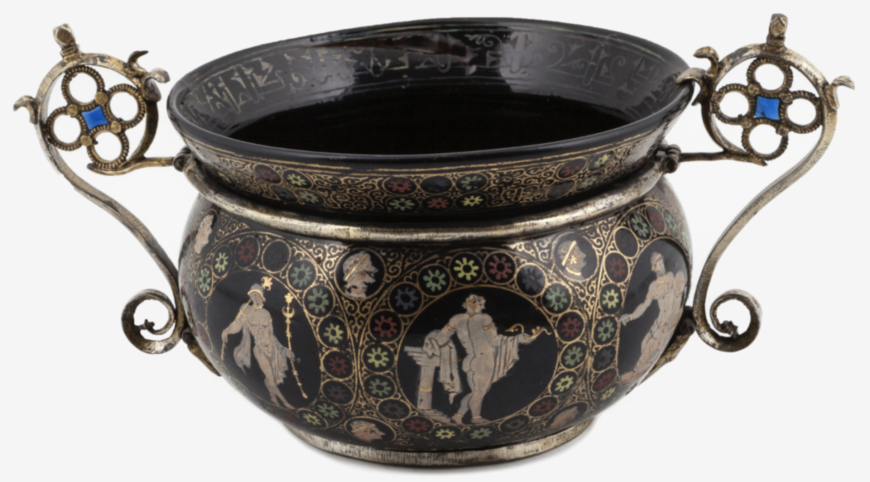
Middle Byzantine secular art
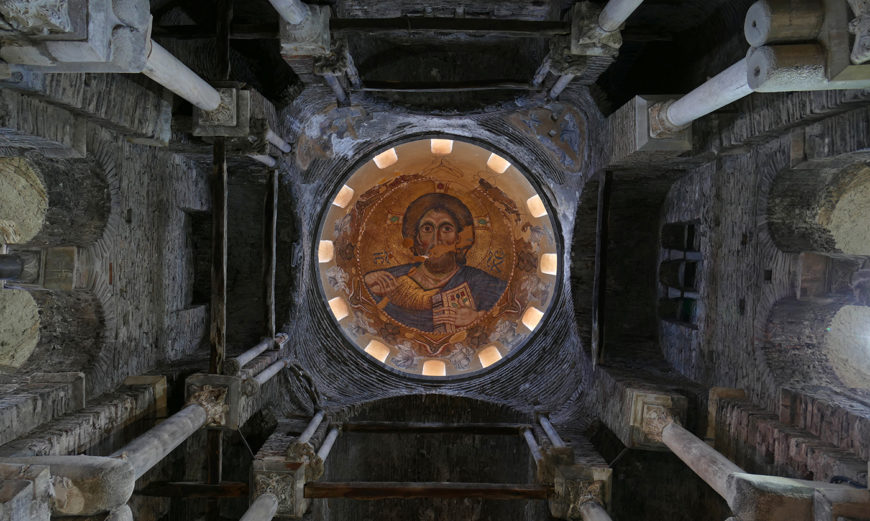
Byzantine architecture and the Fourth Crusade
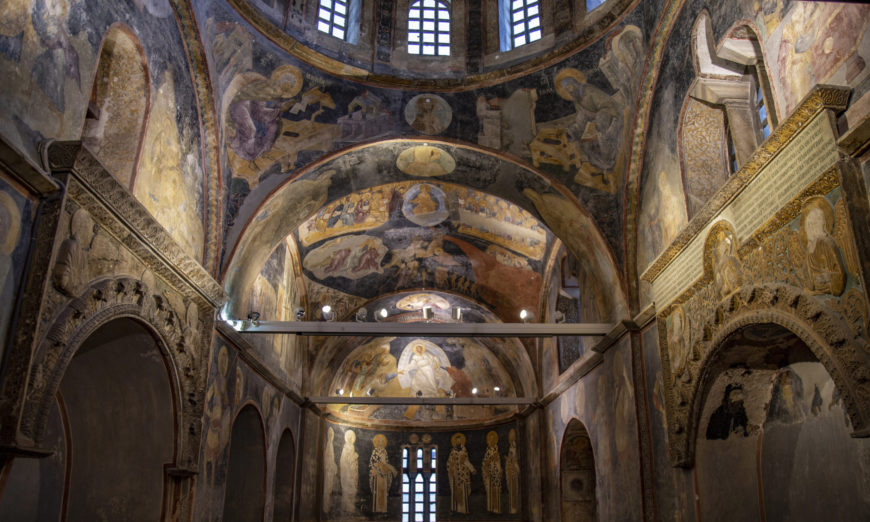
Late Byzantine church architecture
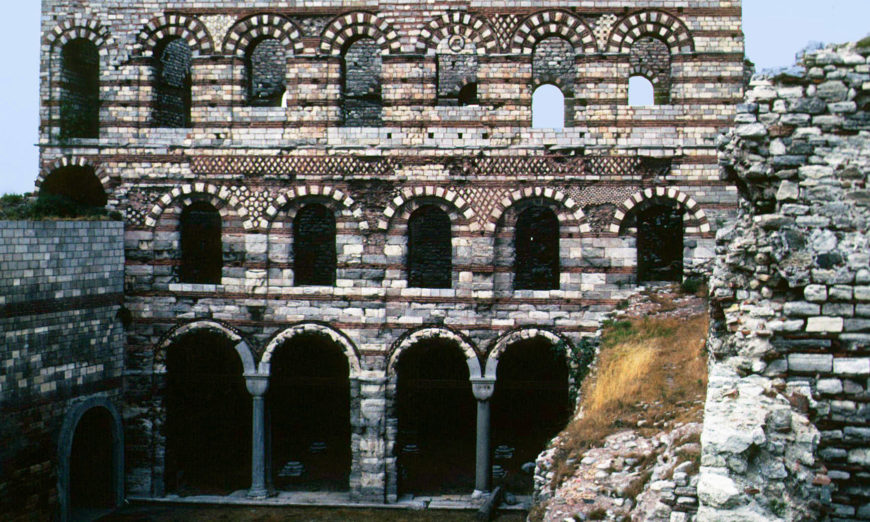
Late Byzantine secular architecture and urban planning
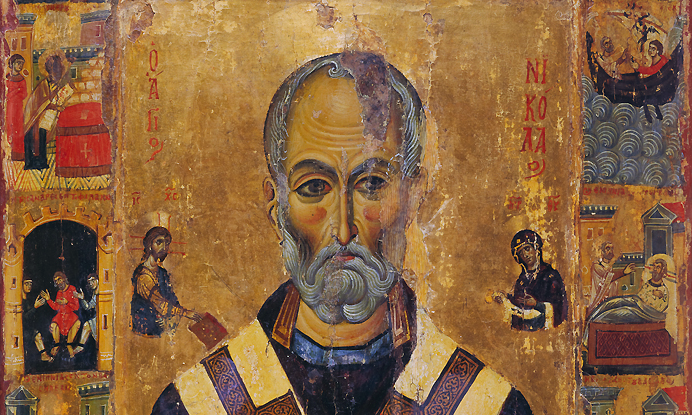
The vita icon in the medieval era

Ancient and Byzantine mosaic materials

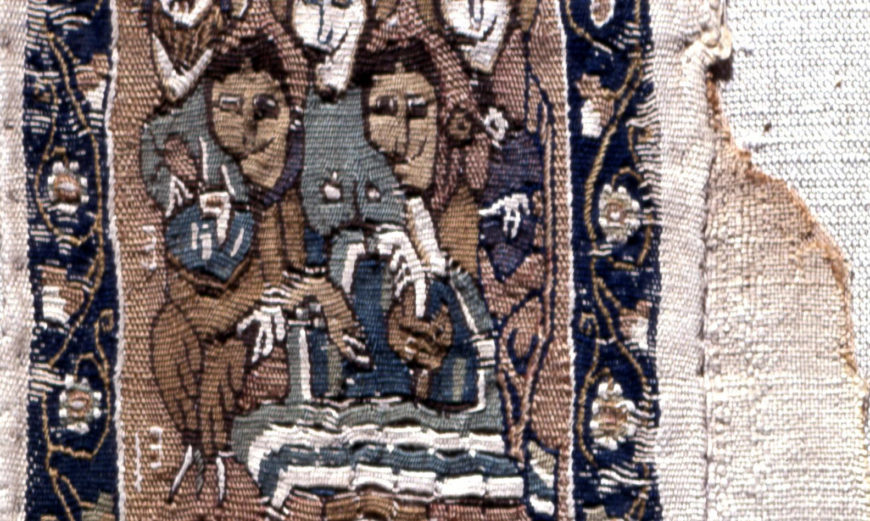
Byzantine Egypt and the Coptic period, an introduction
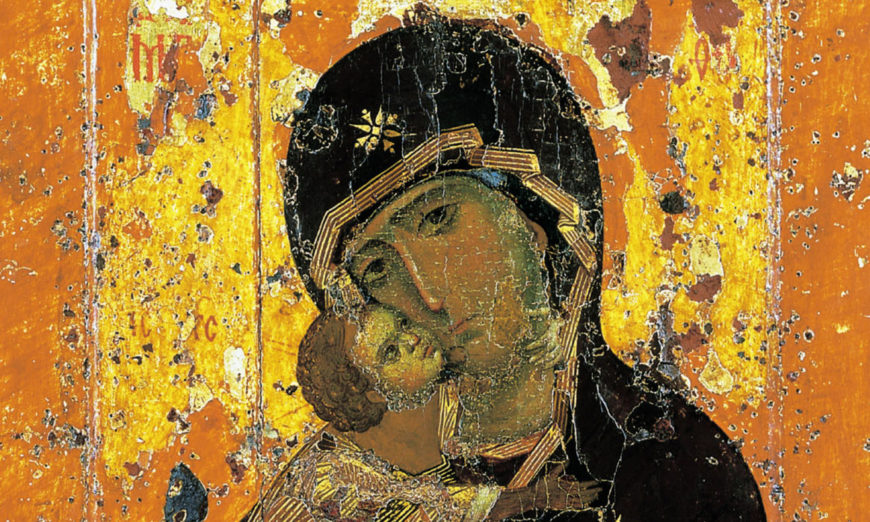
Byzantium, Kyivan Rus’, and their contested legacies
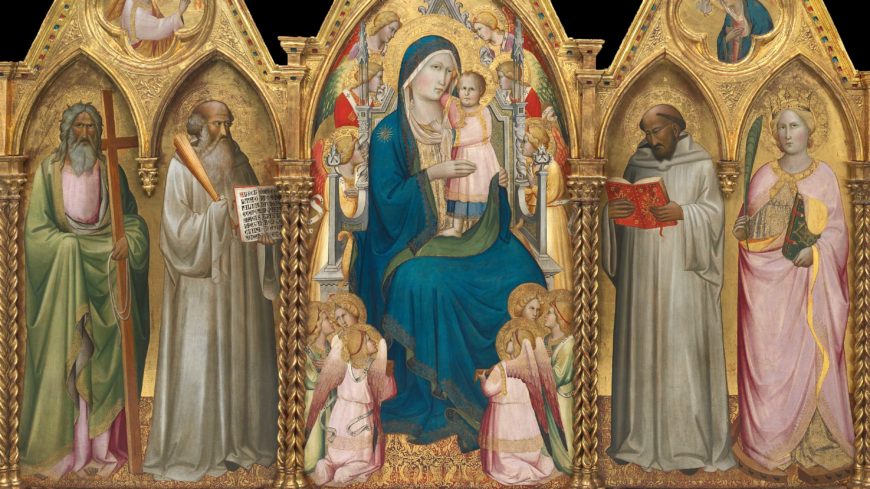
Who’s who? How to recognize saints…
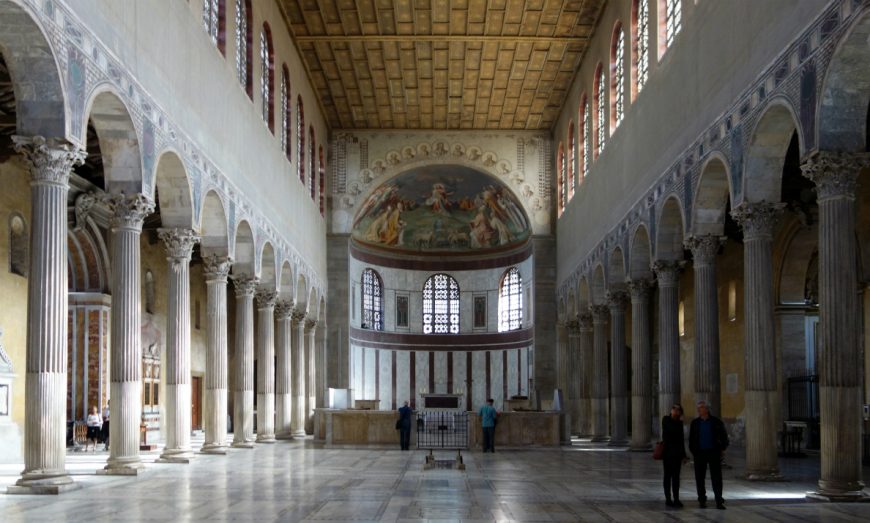
Architecture and liturgy
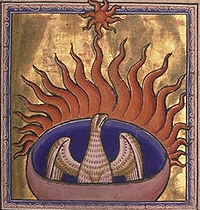
The Bestiary
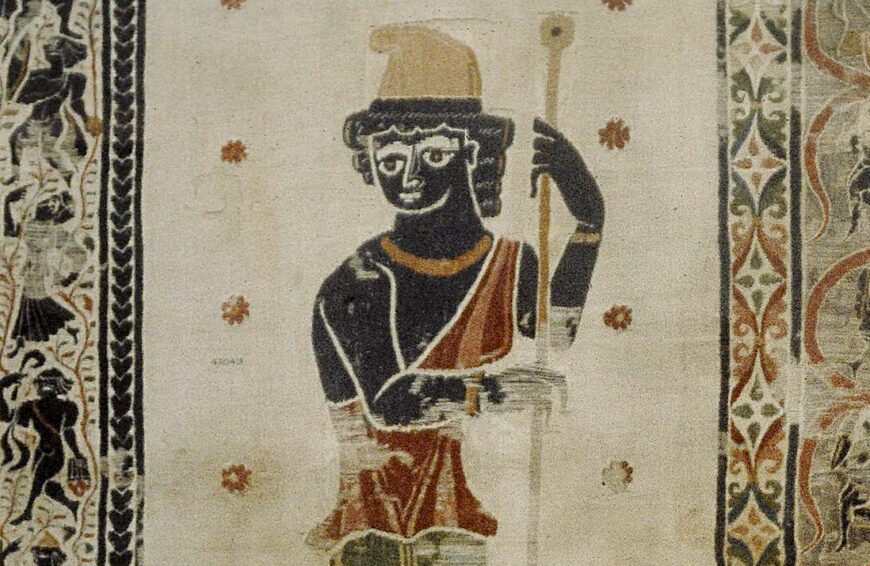
Reimagining Africa’s place in Byzantine art history
Works of Art


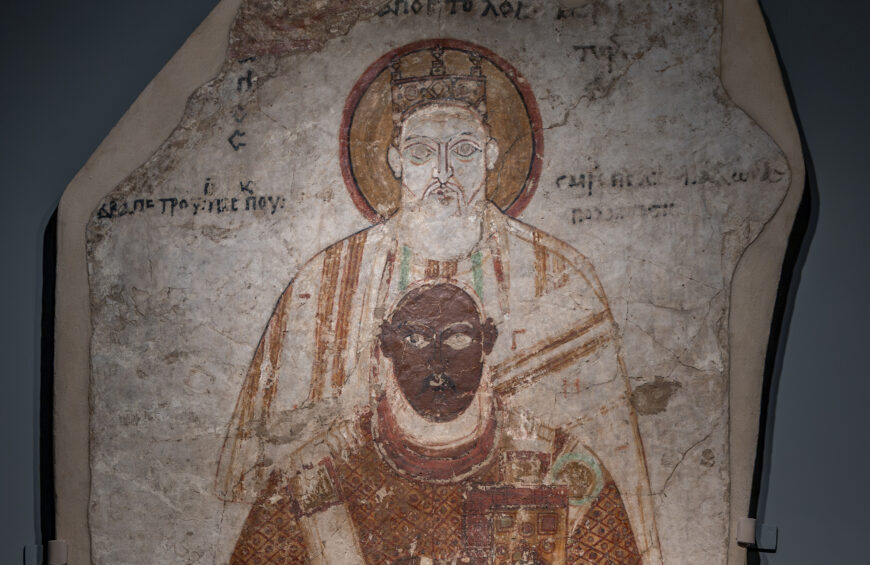
Artists
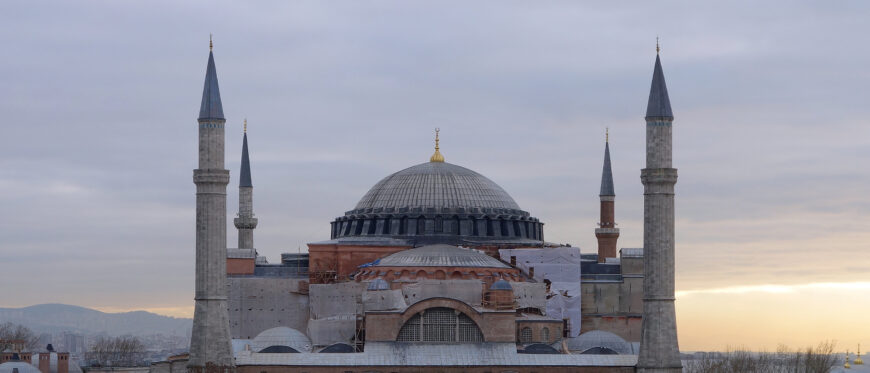
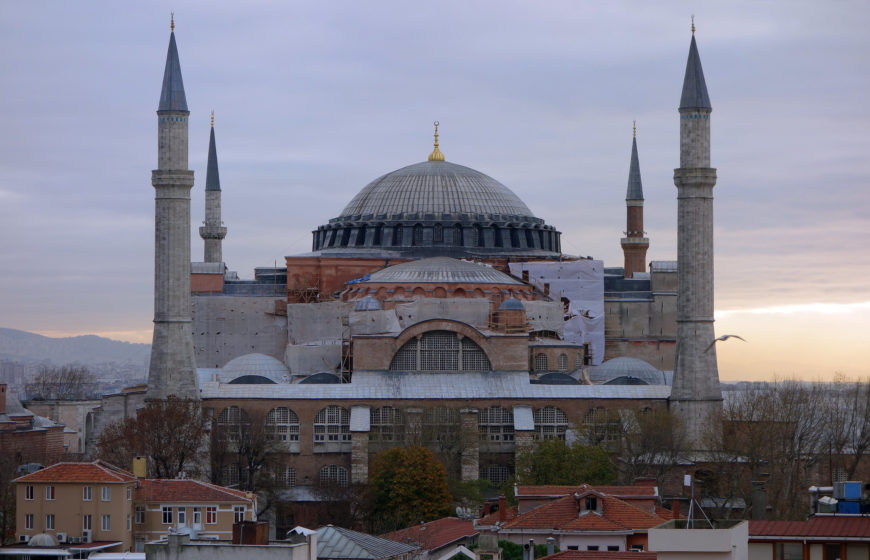
Isidore of Miletus and Anthemius of Tralles, Hagia Sophia, 532-37 (Istanbul, Turkey; photo: Steven Zucker, CC BY-NC-SA 2.0)
 " alt="">
 " alt="">
 " alt="">
 " alt="">
 " alt="">