Medieval
More or less the period from when Constantinople became the capital of the Roman Empire until the conquest of Constantinople by the Ottomans.
Medieval
More or less the period from when Constantinople became the capital of the Roman Empire until the conquest of Constantinople by the Ottomans.
Basics to get you started
A new pictorial language: the image in early medieval art

Travel, trade and exploration in the Middle Ages
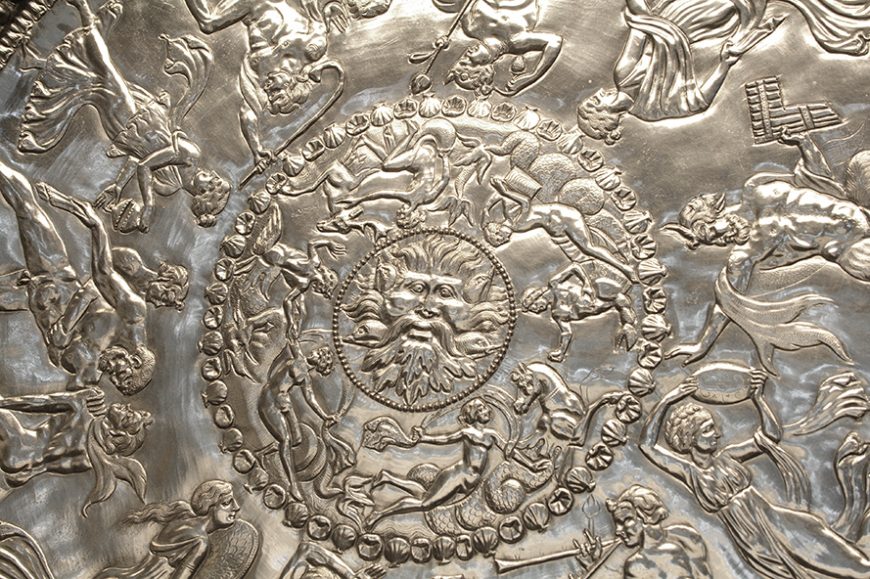
Classicism and the Early Middle Ages
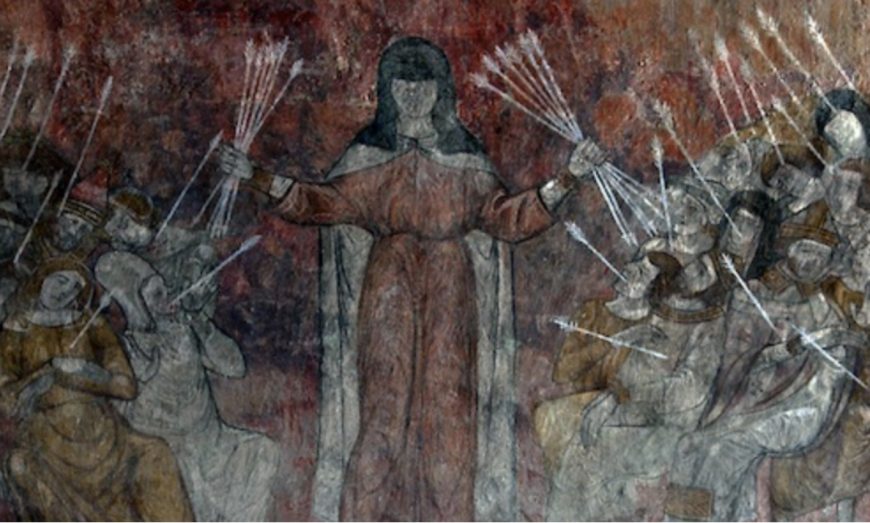
The Black Death
Medieval churches: sources and forms
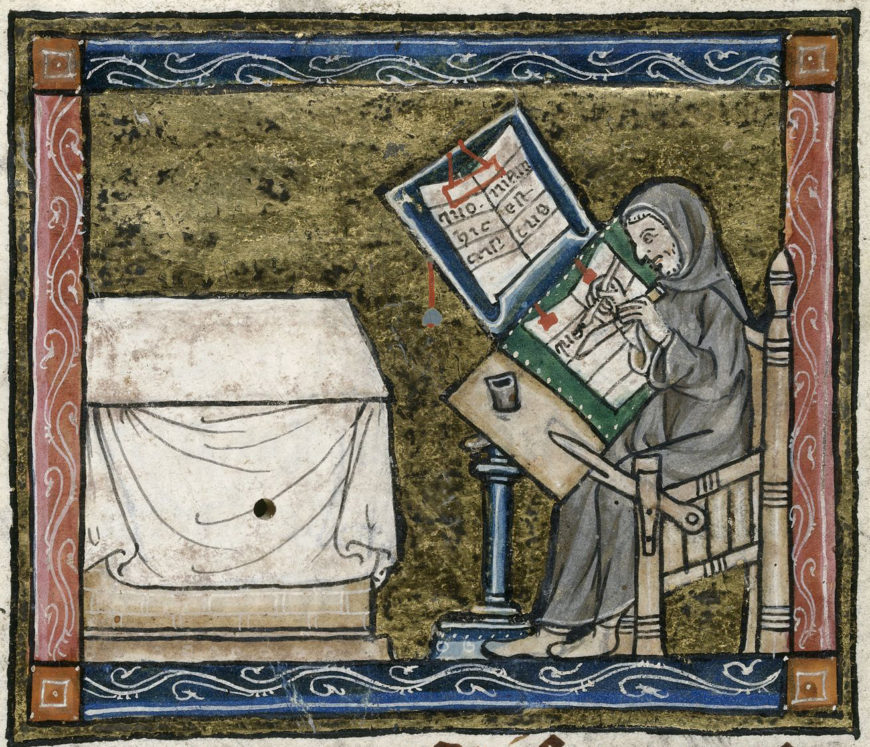
Medieval manuscripts, an introduction
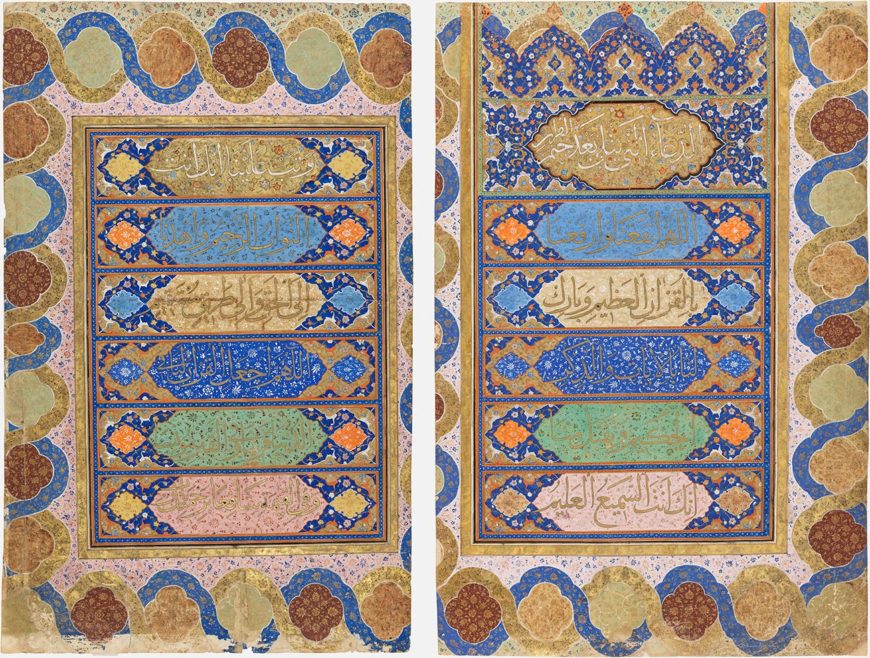
A global Middle Ages through the pages of decorated books
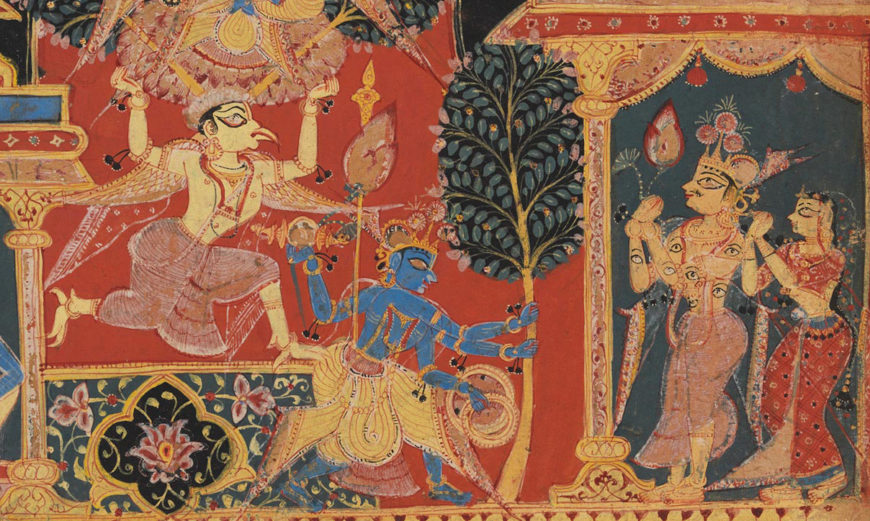
Visions of Paradise in a Global Middle Ages
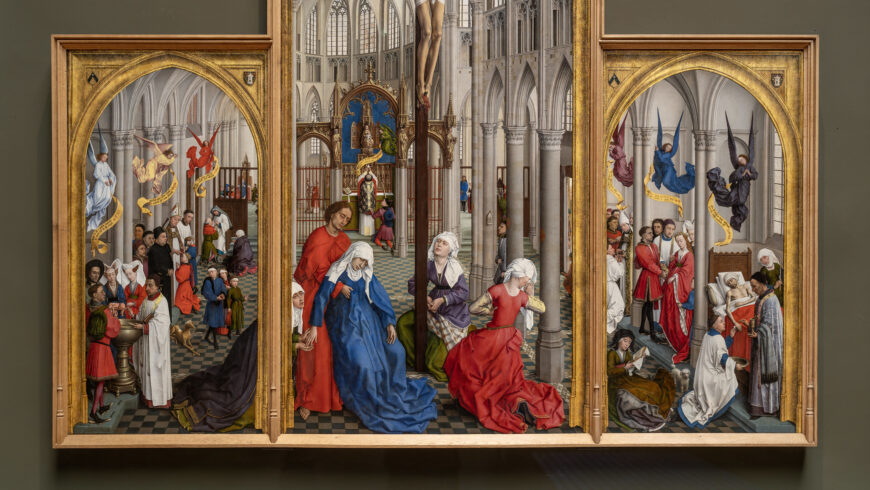
The Medieval and Renaissance Altarpiece
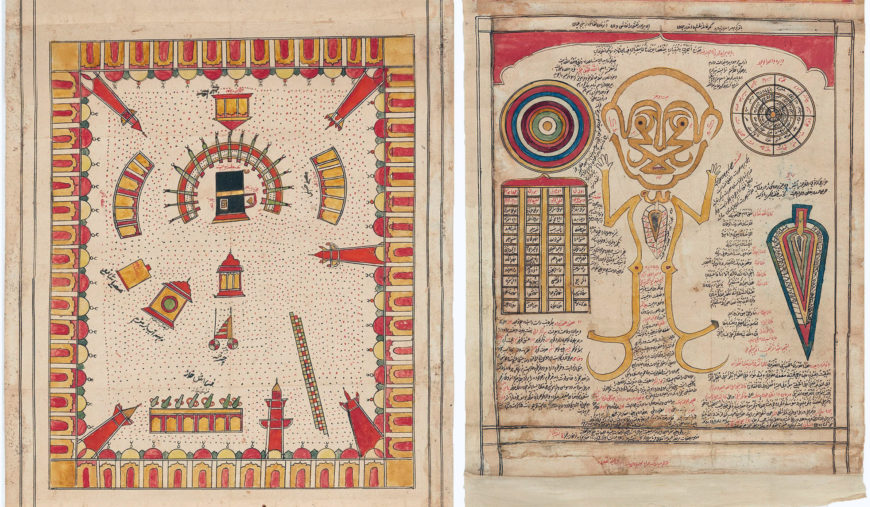
Pilgrimage souvenirs
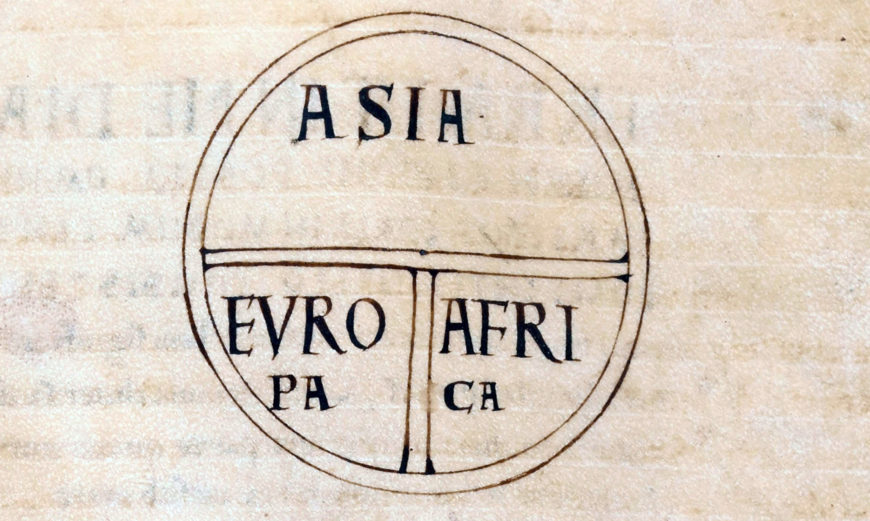
Mapping the world
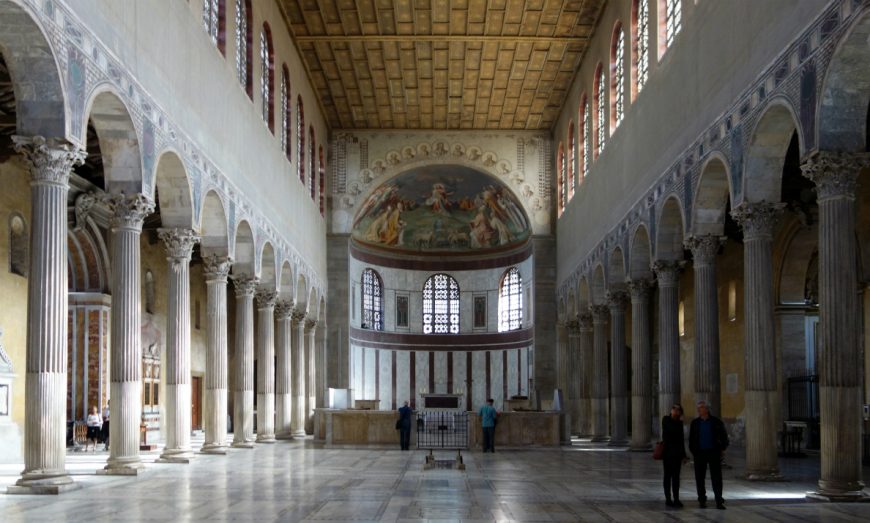
Architecture and liturgy

Jewish history to the middle ages
Chivalry in the Middle Ages

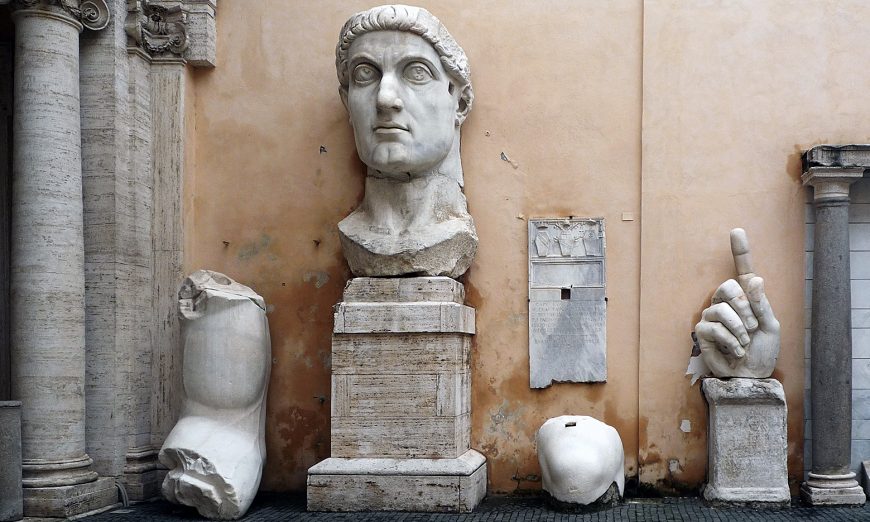
Early Christianity, an introduction

Early Christian art and architecture after Constantine
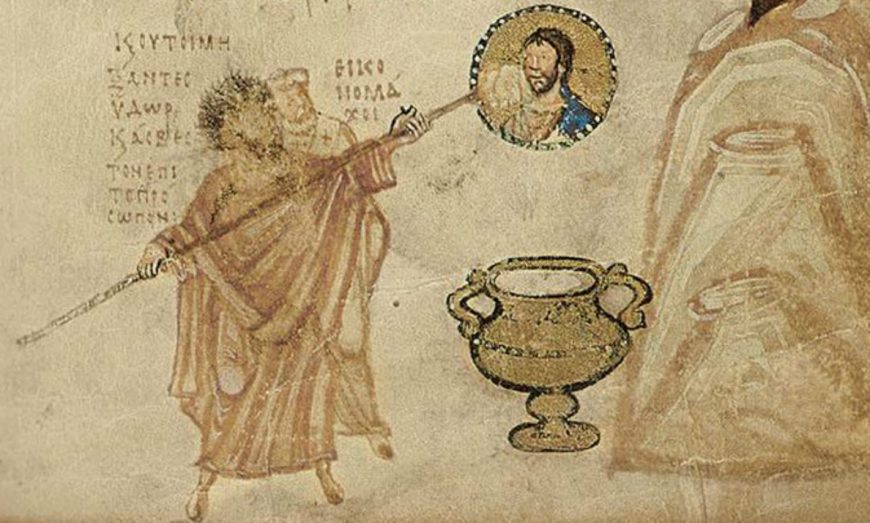
Iconoclastic controversies
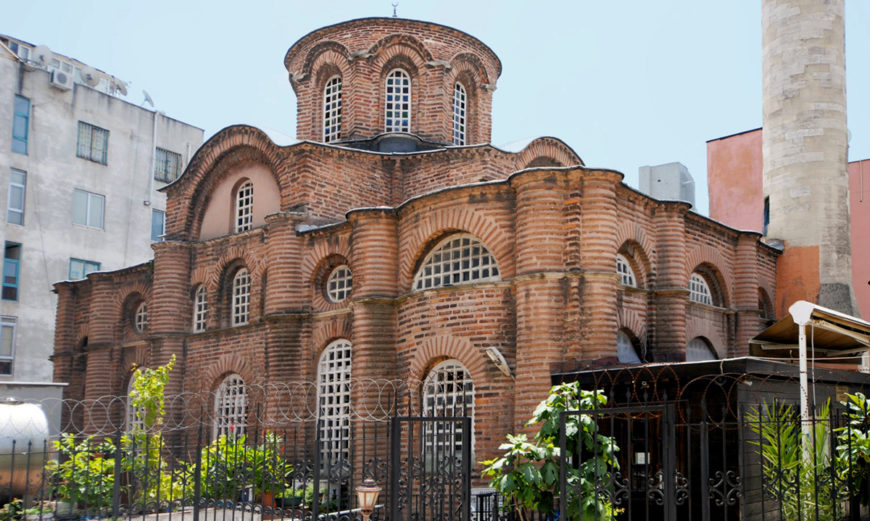
Middle Byzantine church architecture
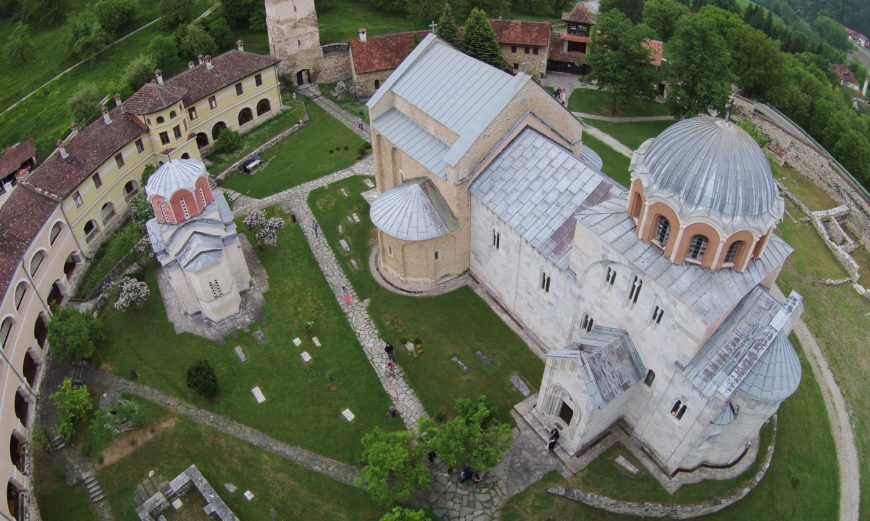
Regional variations in Middle Byzantine architecture
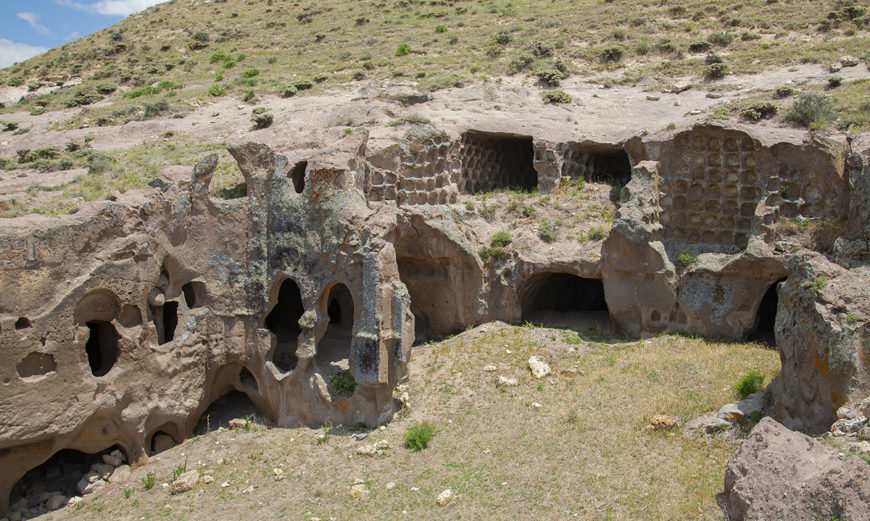
Middle Byzantine secular architecture and urban planning
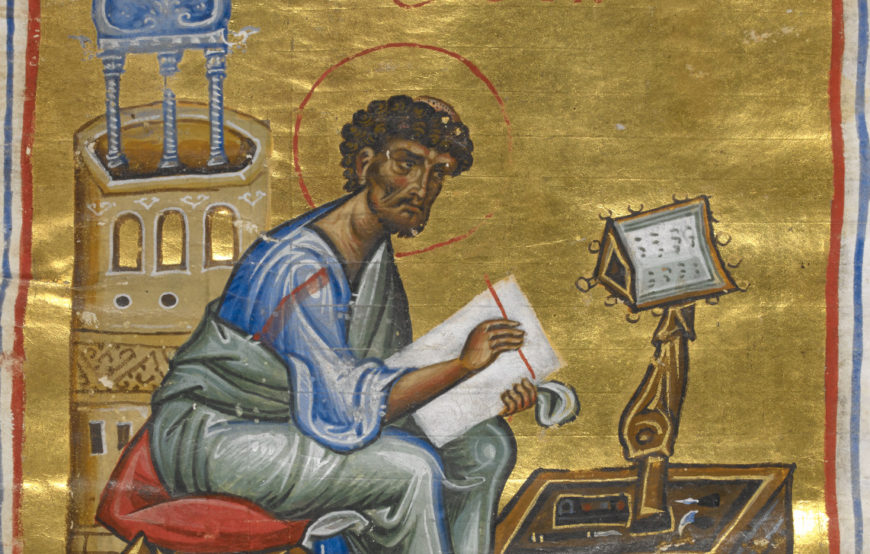
Illuminated Greek Gospel-books
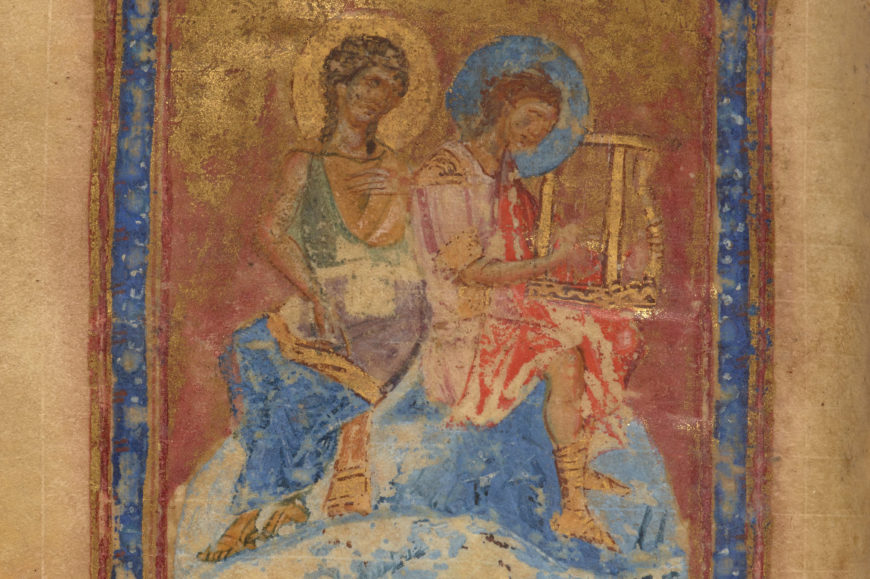
Illuminating the Psalms in Byzantium
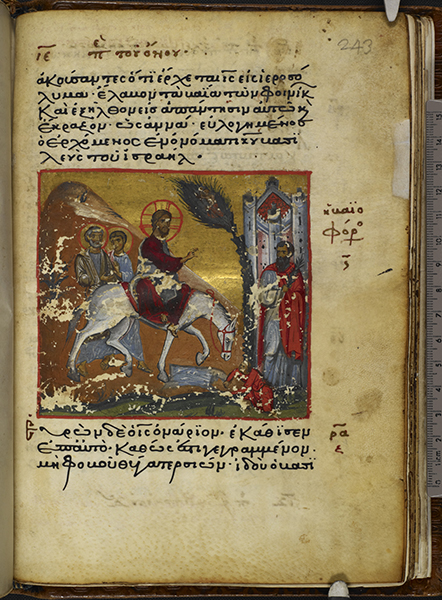
Book illumination in the Eastern Mediterranean
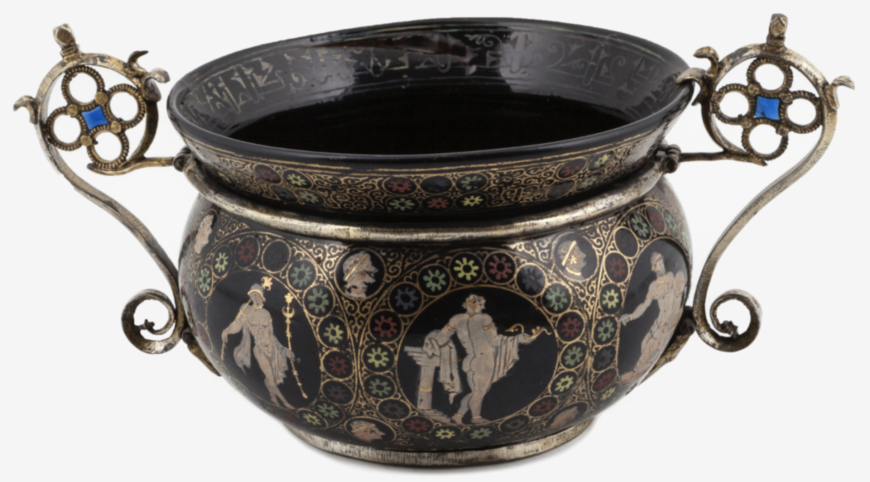
Middle Byzantine secular art
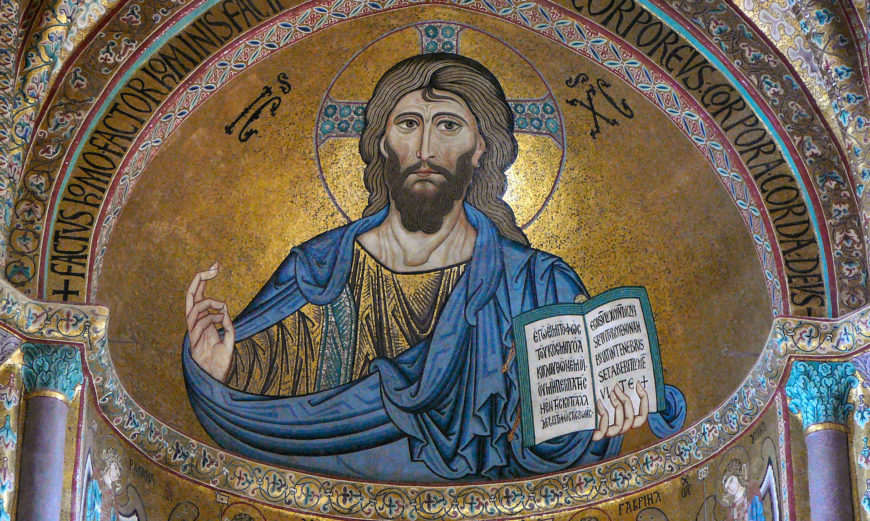
The visual culture of Norman Sicily
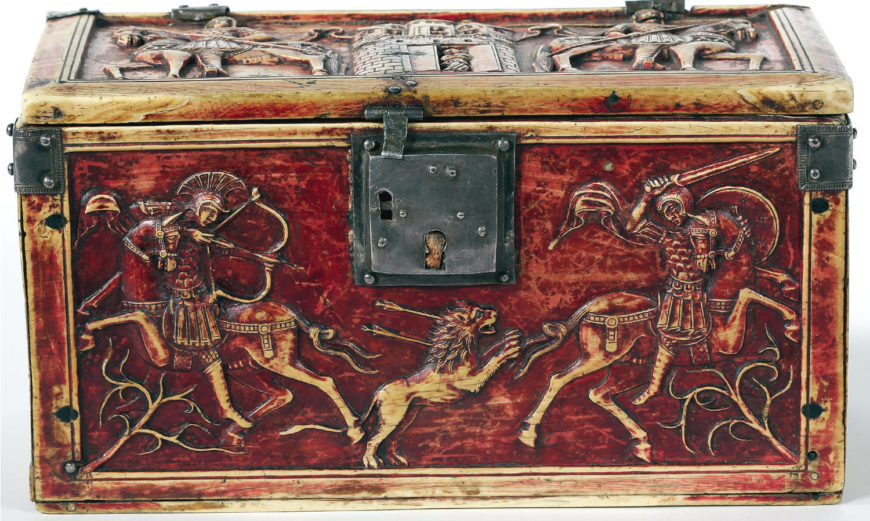
Cross-cultural artistic interaction in the Middle Byzantine period
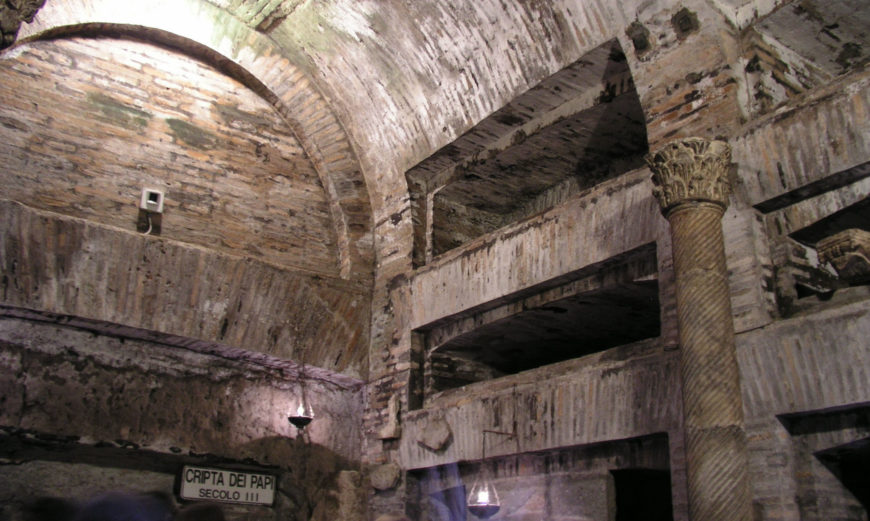
The origins of Byzantine architecture
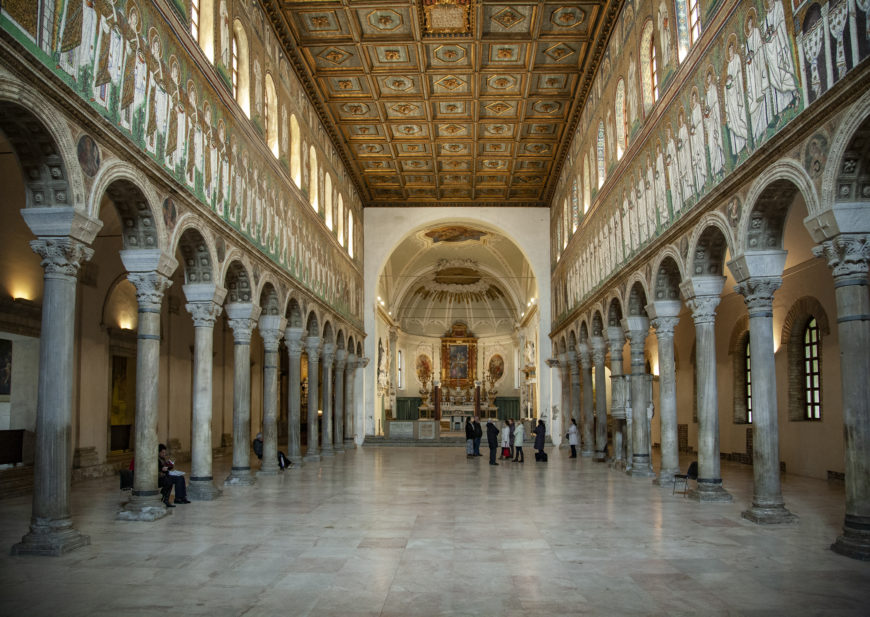
Early Byzantine architecture after Constantine
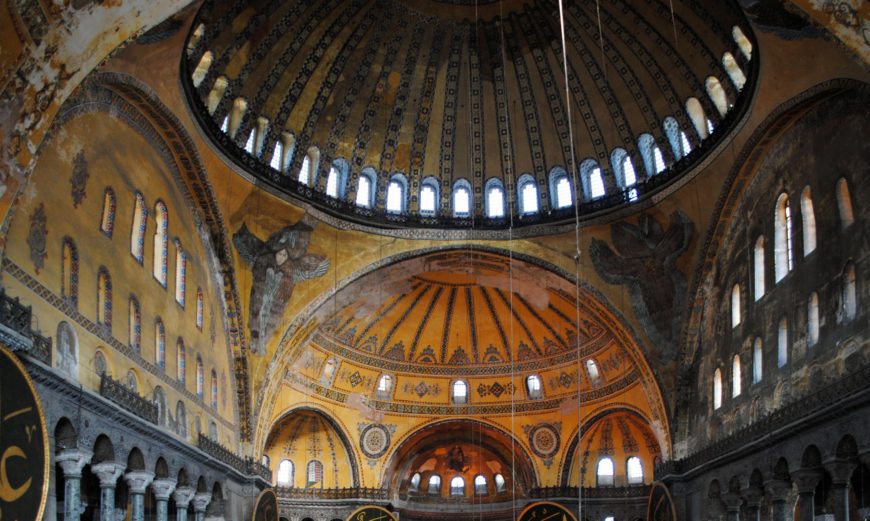
Innovative architecture in the age of Justinian
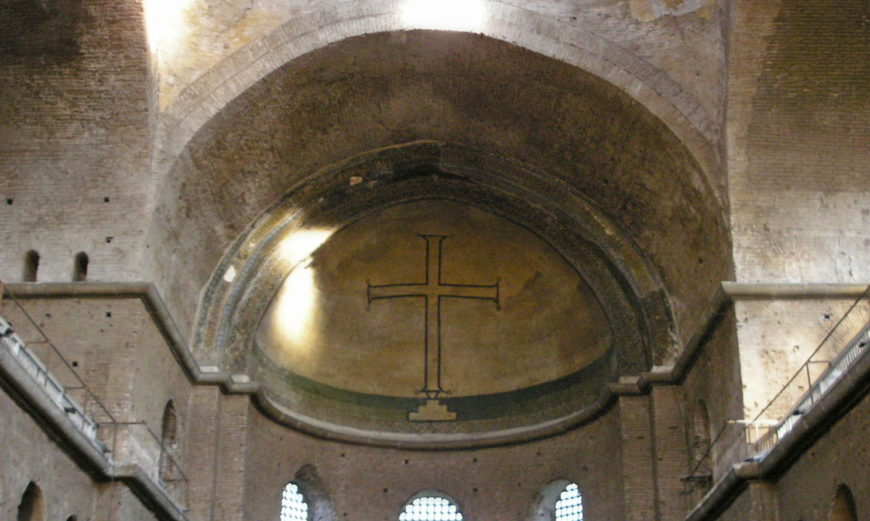
Byzantine architecture during Iconoclasm
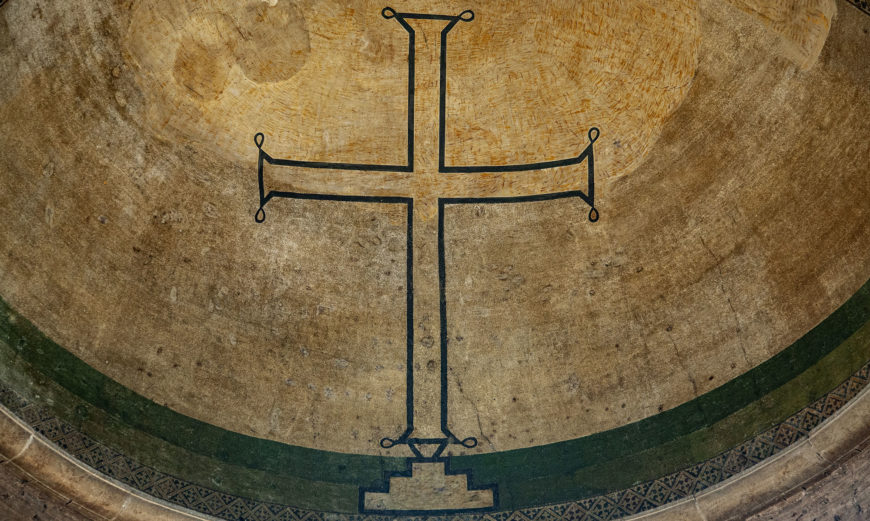
Byzantine Iconoclasm and the Triumph of Orthodoxy
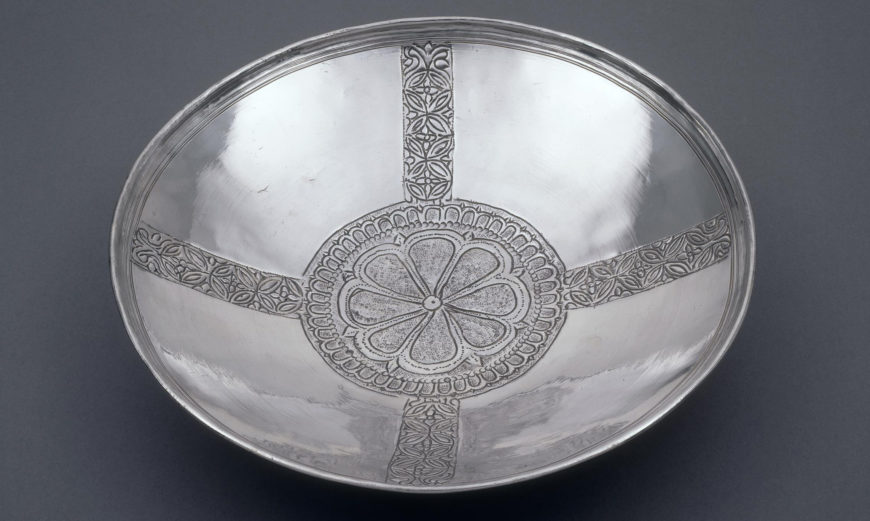
Cross-cultural artistic interaction in the Early Byzantine period
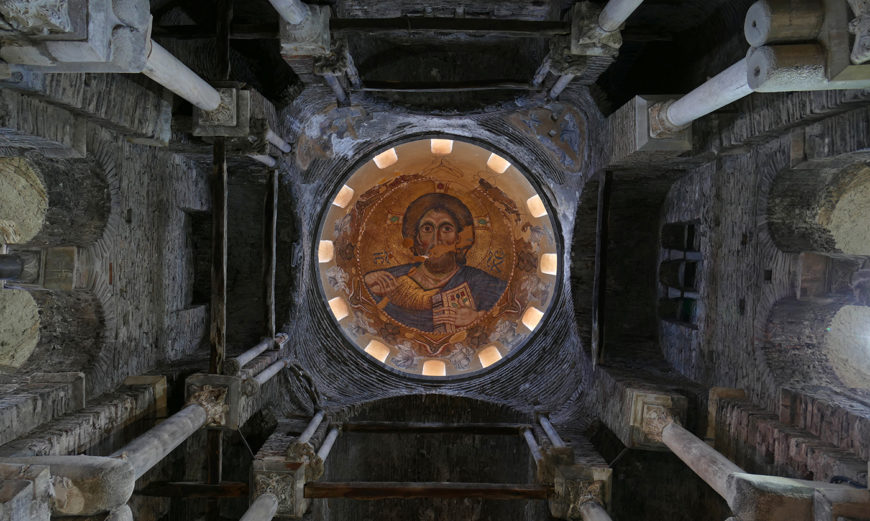
Byzantine architecture and the Fourth Crusade
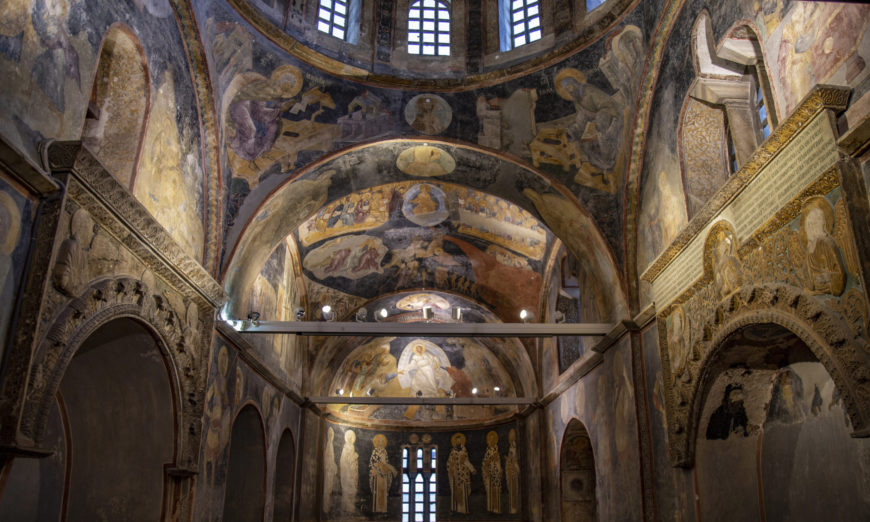
Late Byzantine church architecture
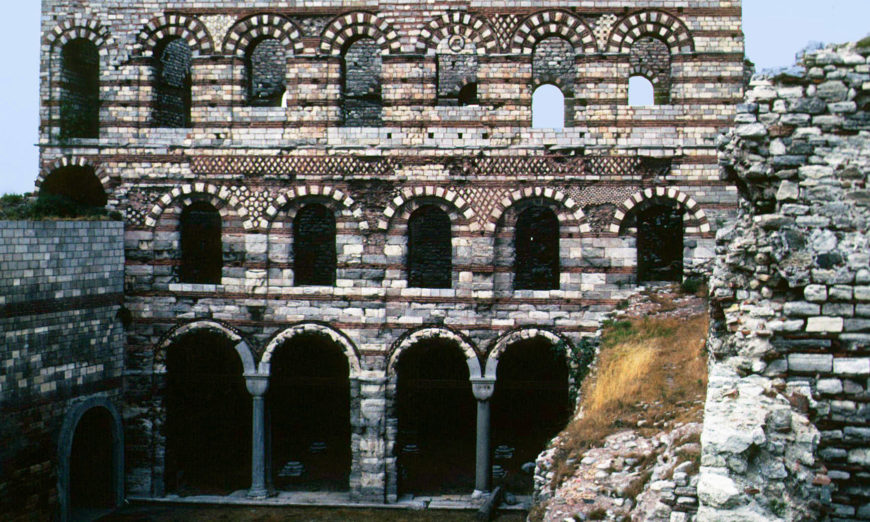
Late Byzantine secular architecture and urban planning
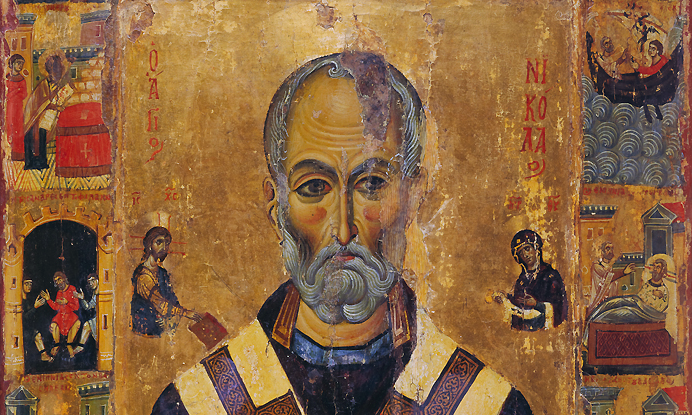
The vita icon in the medieval era
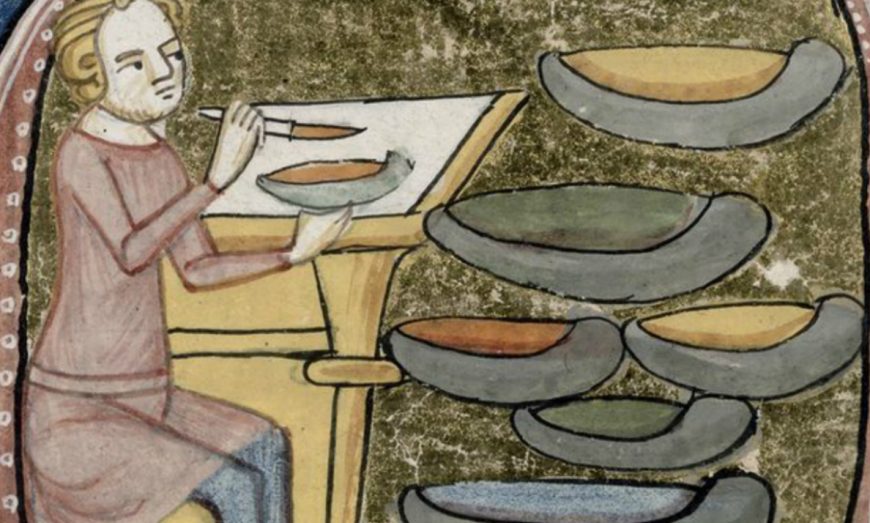
The alchemy of color and chemical change in medieval manuscripts
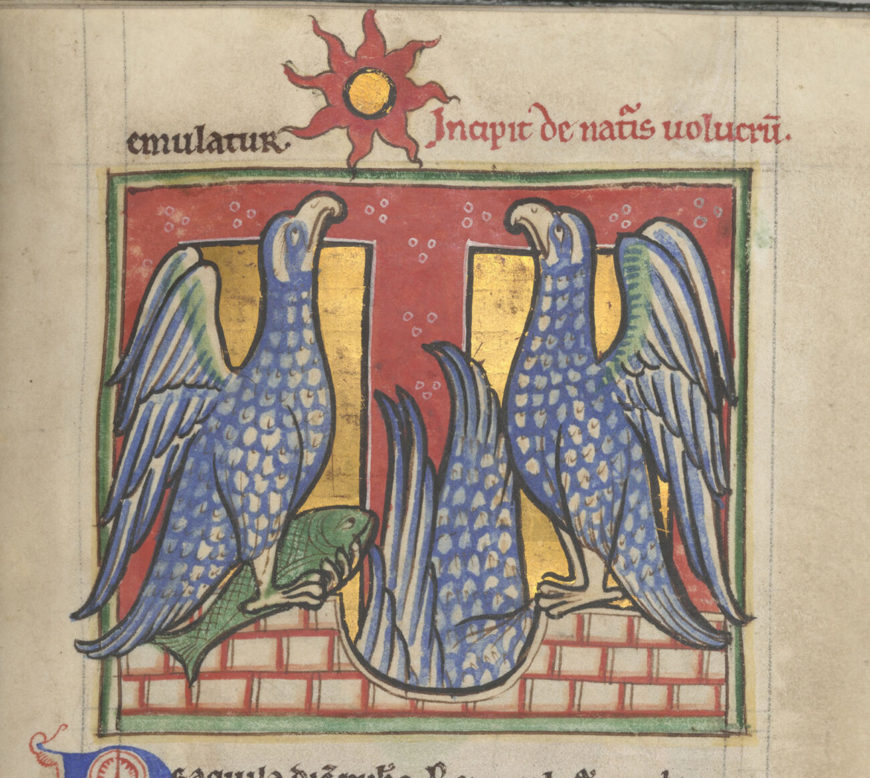
The bestiary (book of beasts) in the medieval world, an introduction
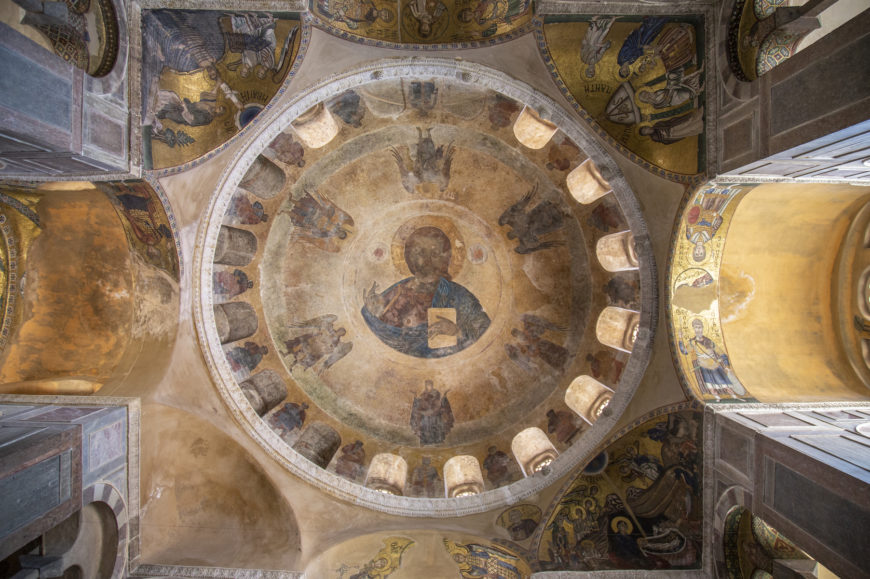
Byzantine art, an introduction
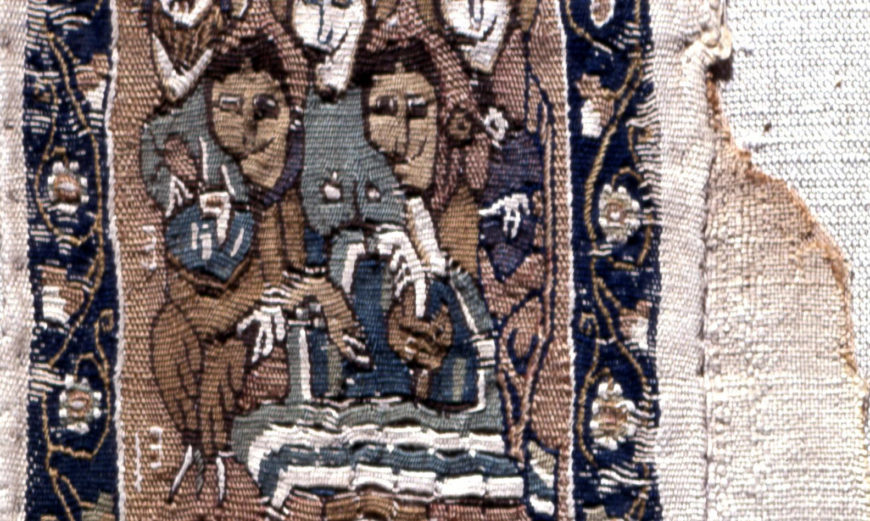
Byzantine Egypt and the Coptic period, an introduction
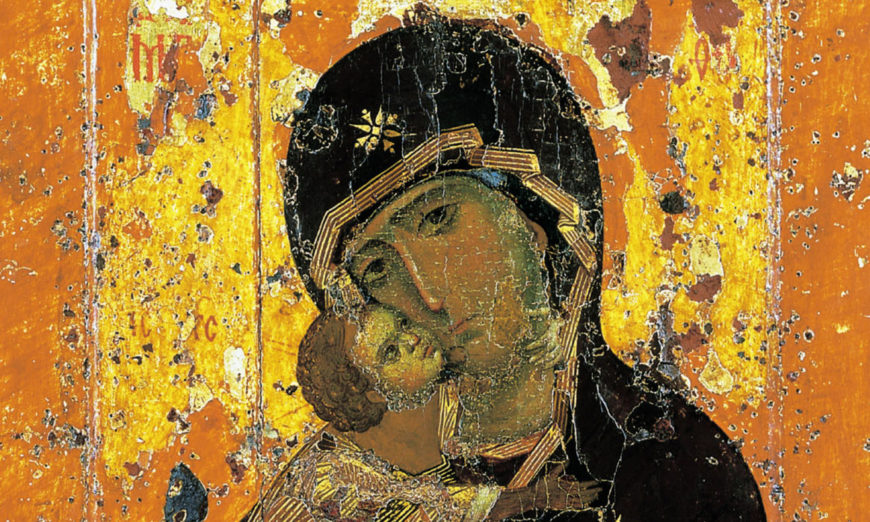
Byzantium, Kyivan Rus’, and their contested legacies
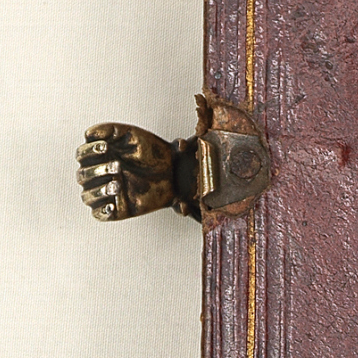
Clasps: hugging a medieval book
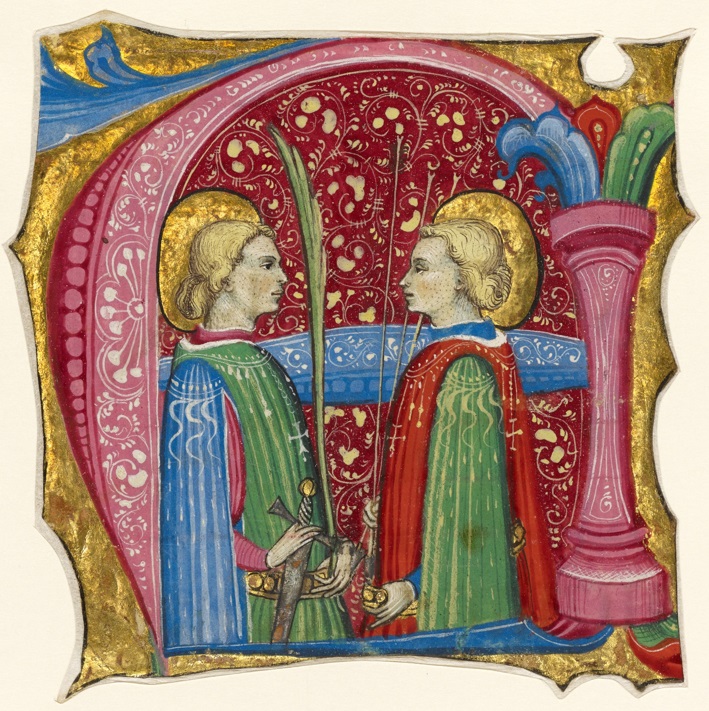
Coming Out: Queer Erasure and Censorship from the Middle Ages to Modernity
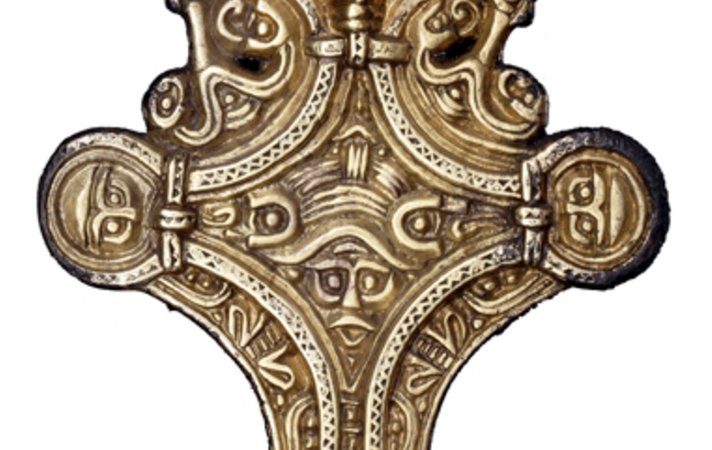
Decoding Anglo-Saxon art
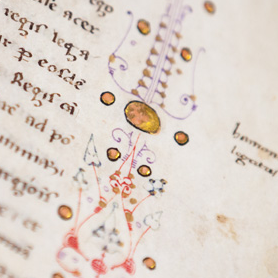
Decorating the book
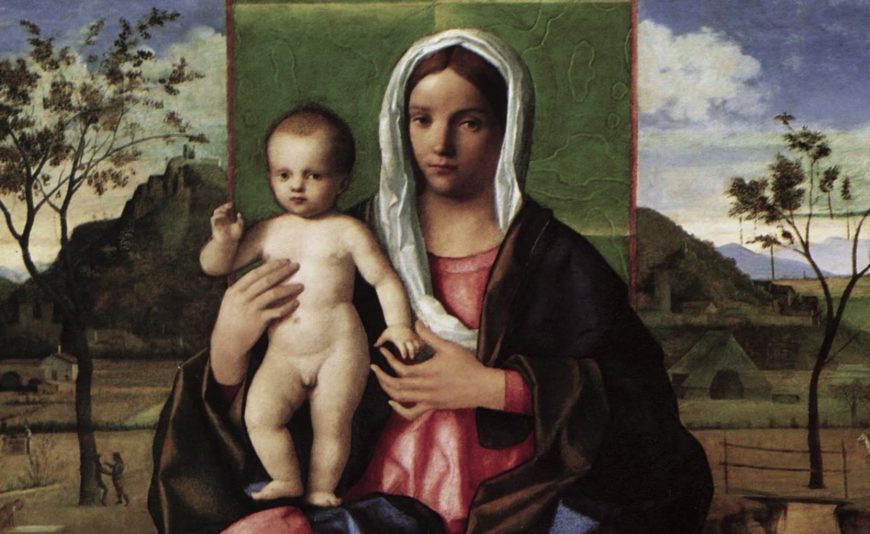
A brief history of the representation of the body in Western painting
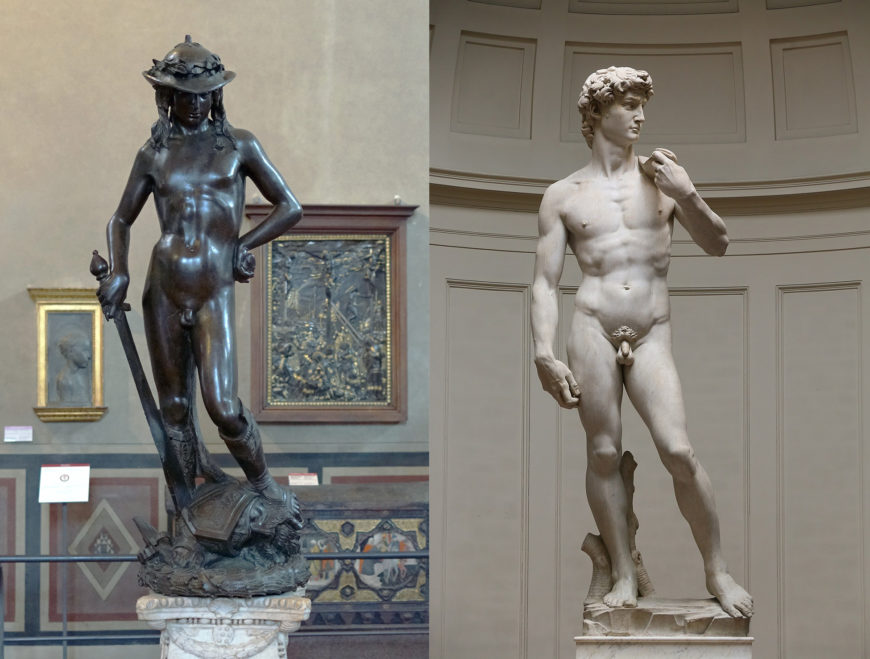
A brief history of the representation of the body in Western sculpture
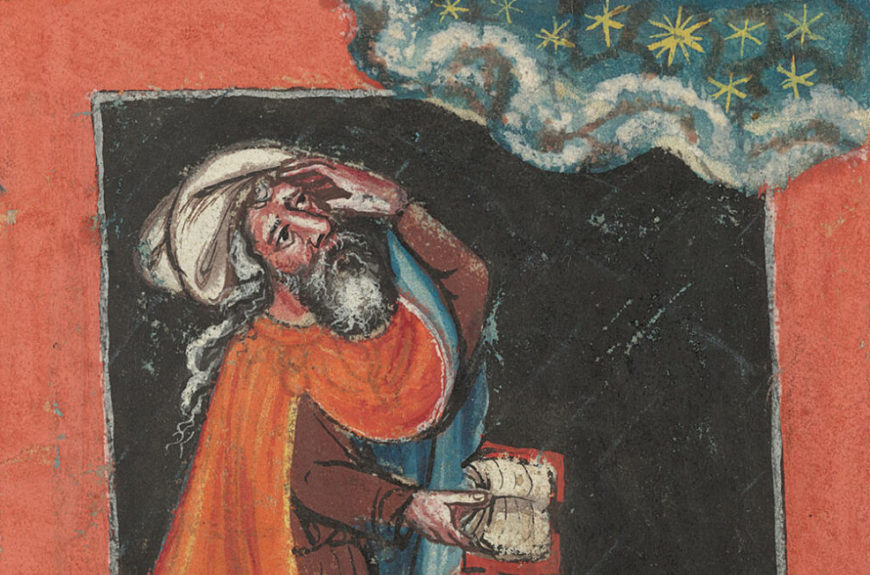
Written in the Stars: Astronomy and Astrology in Medieval Manuscripts
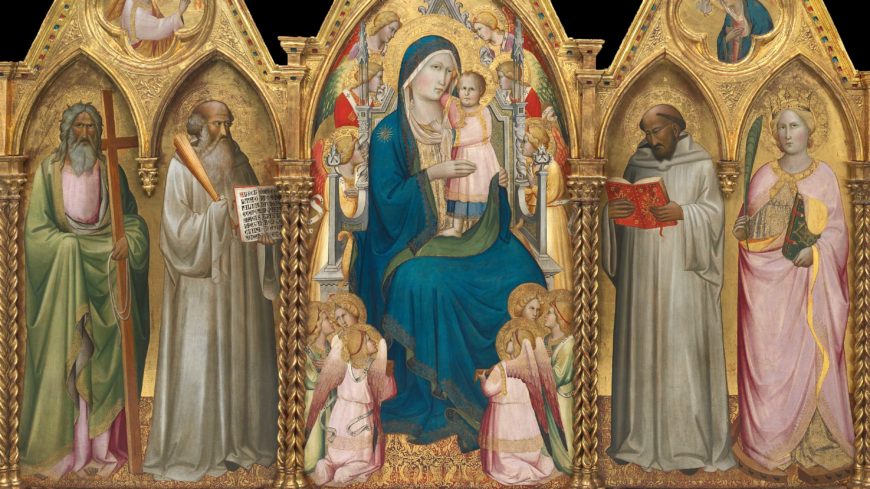
Who’s who? How to recognize saints…
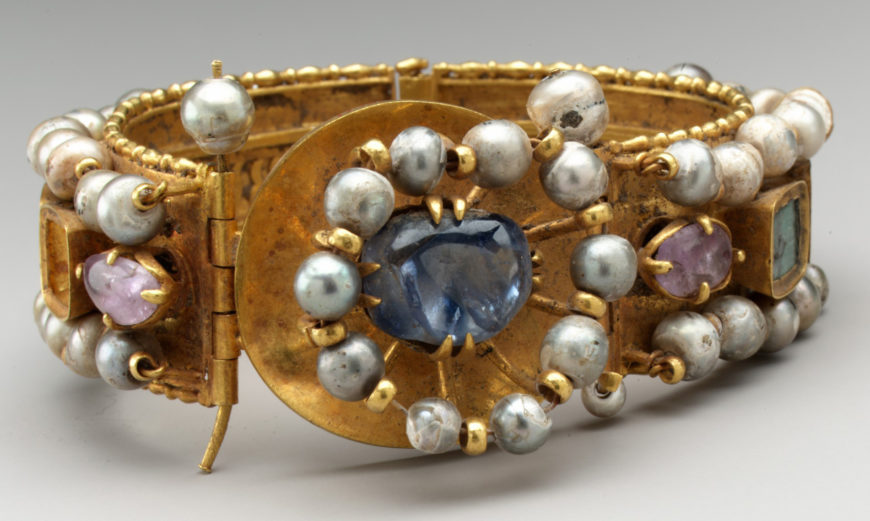
Wearable art in Byzantium
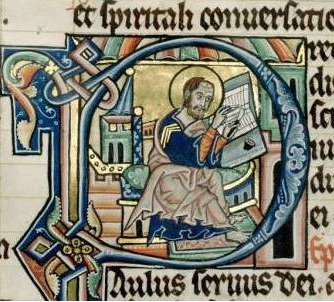
The work of the scribe
The medieval origins of the modern footnote
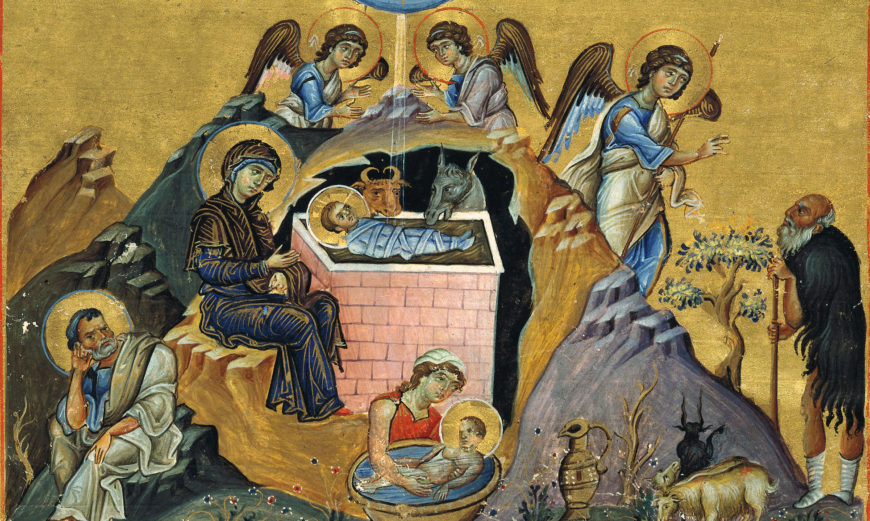
The lives of Christ and the Virgin in Byzantine art
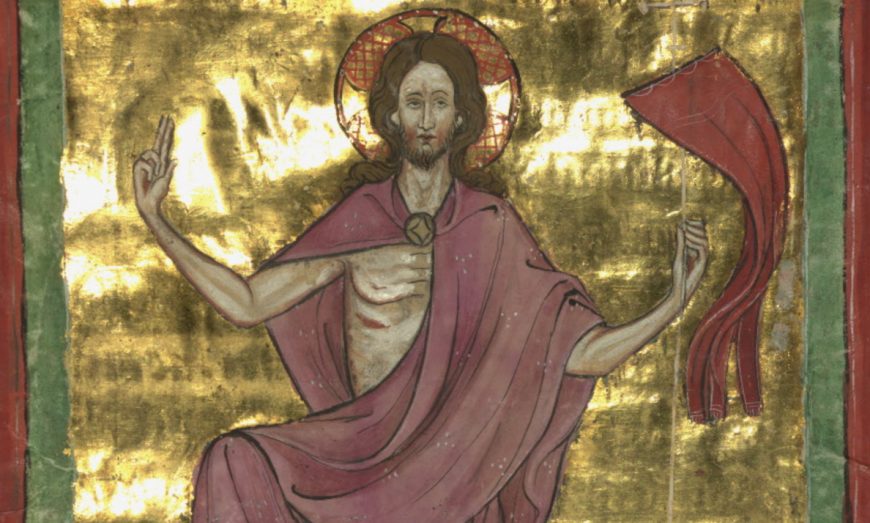
The life of Christ in medieval and Renaissance art
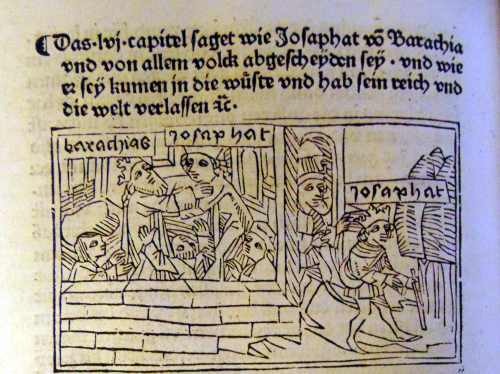
The Buddha’s long “journey” to Europe and Africa
The Bestiary
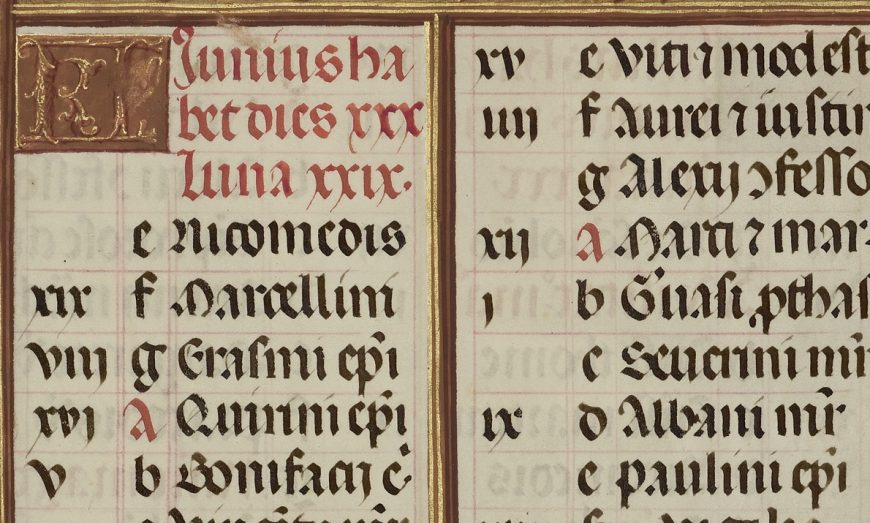
The medieval calendar
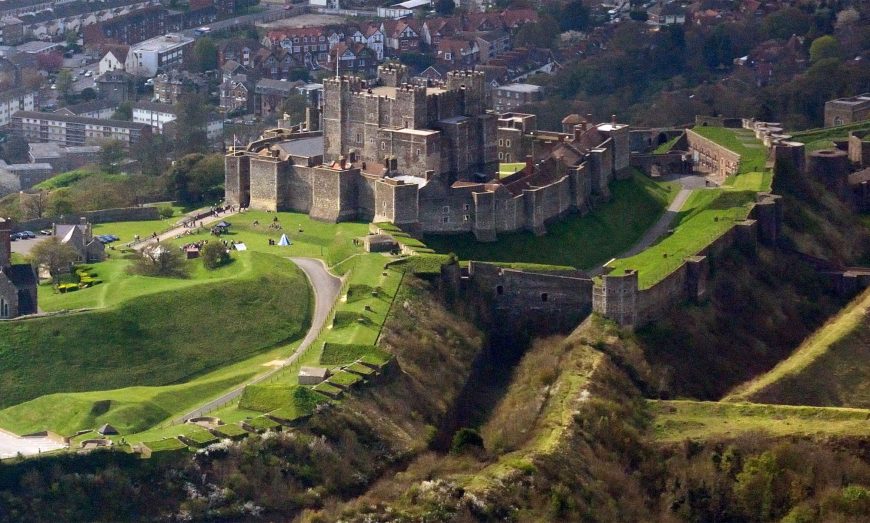
The Art of Conquest in England and Normandy
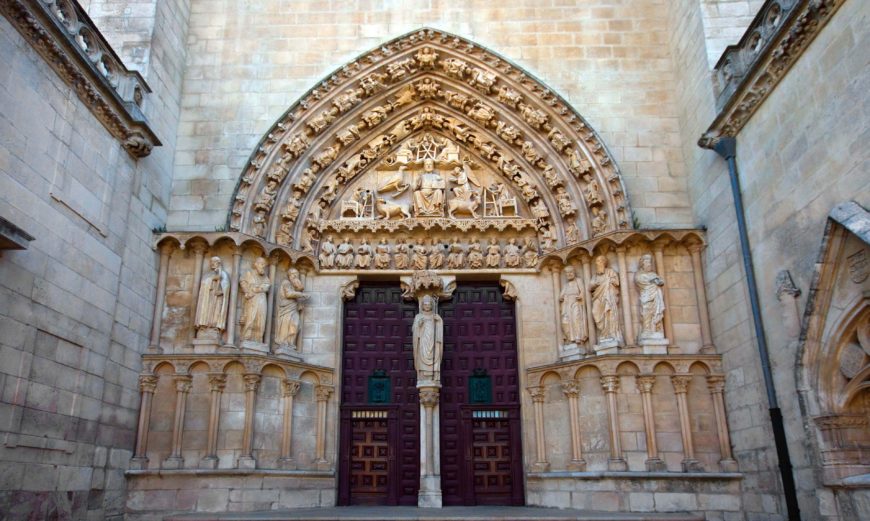
Spanish Gothic cathedrals, an introduction
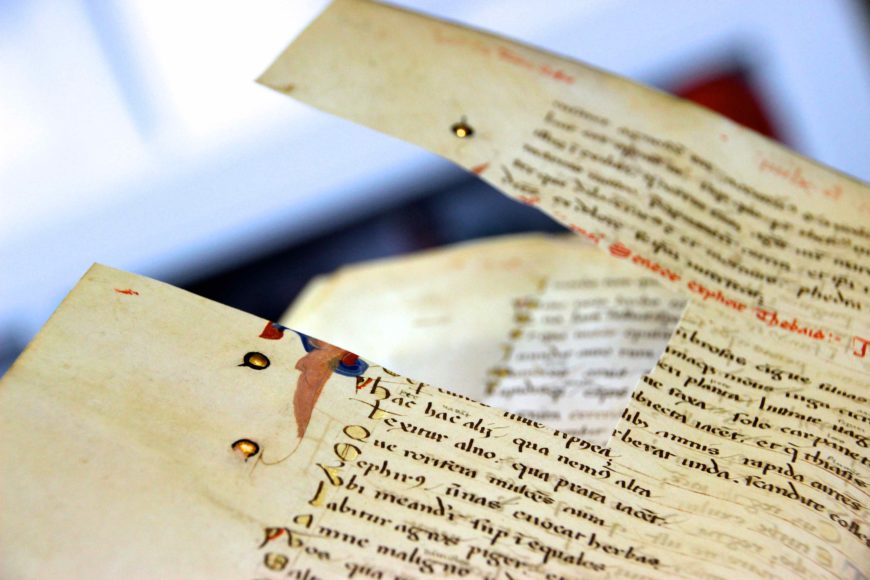
Skins and scraps
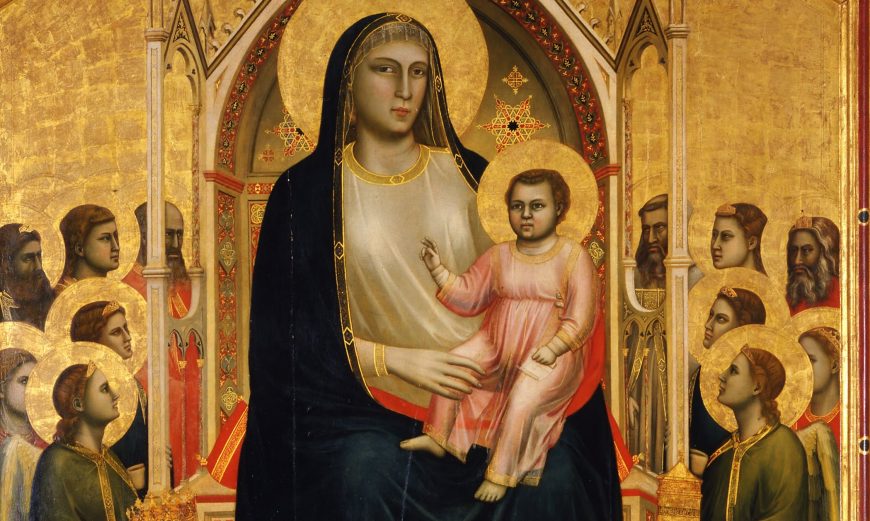
Florence in the Late Gothic period, an introduction

Illustrating a 15th-century Italian altarpiece
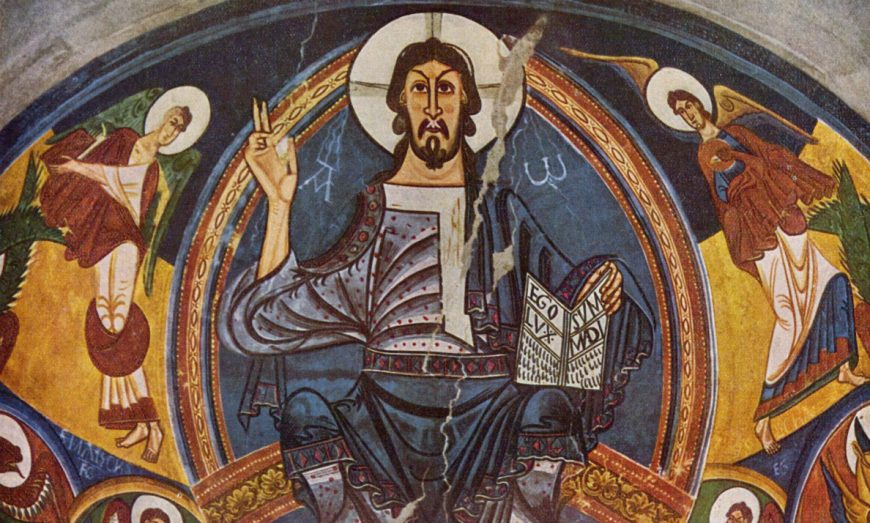
Romanesque art, an introduction
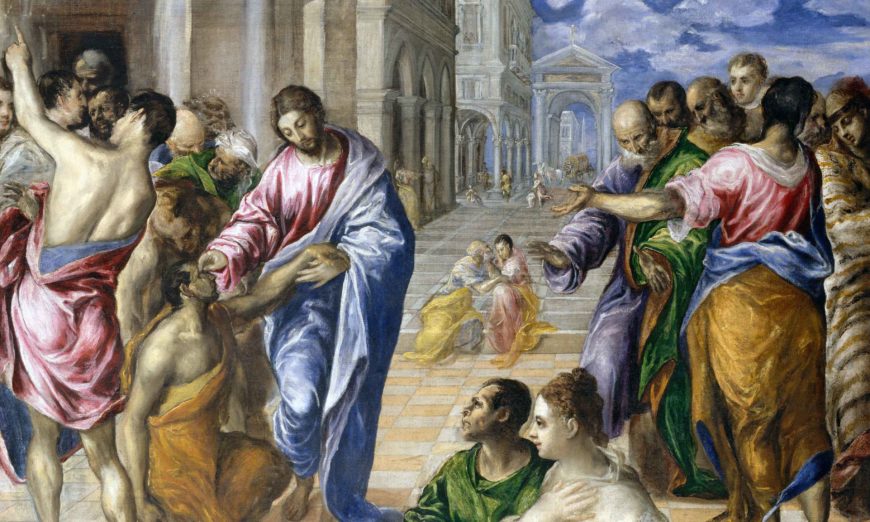
Greek painters in renaissance Venice
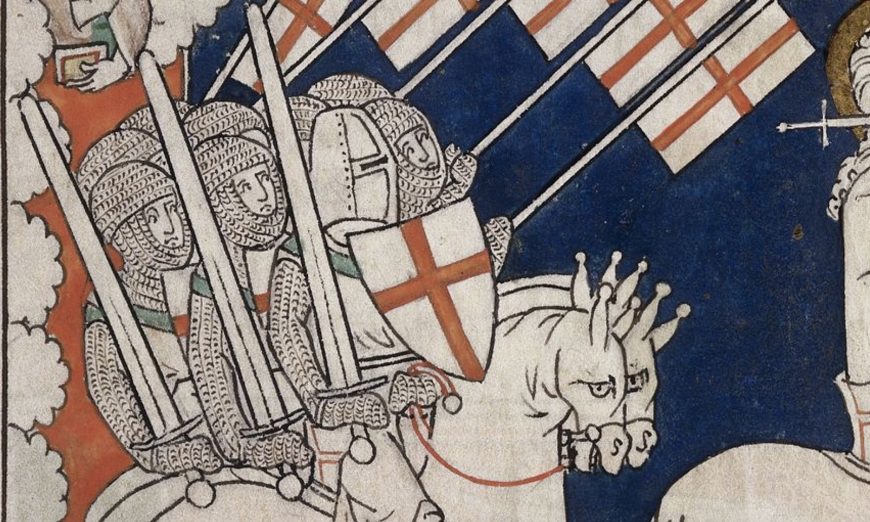
How was crusading justified?
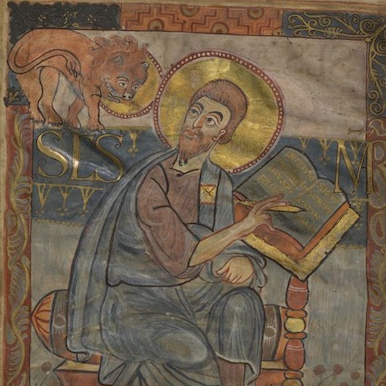
Carolingian art, an introduction
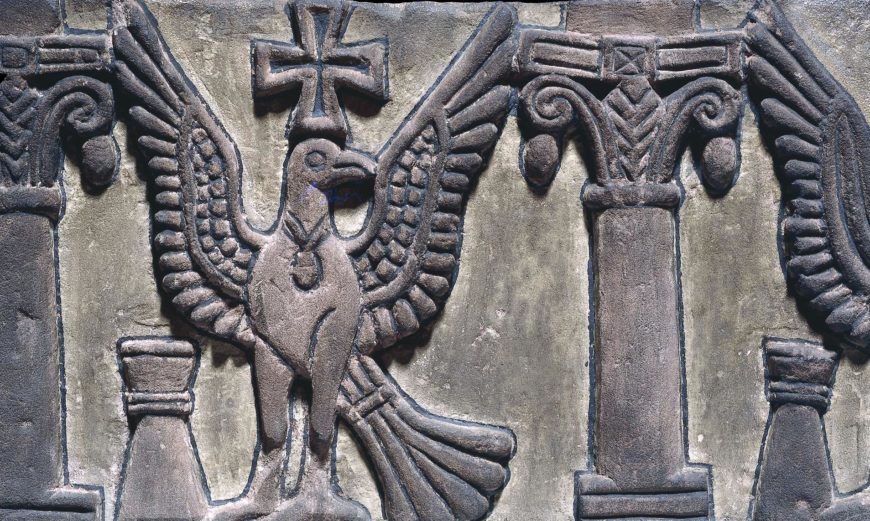
Medieval Nubian Kingdoms, an introduction
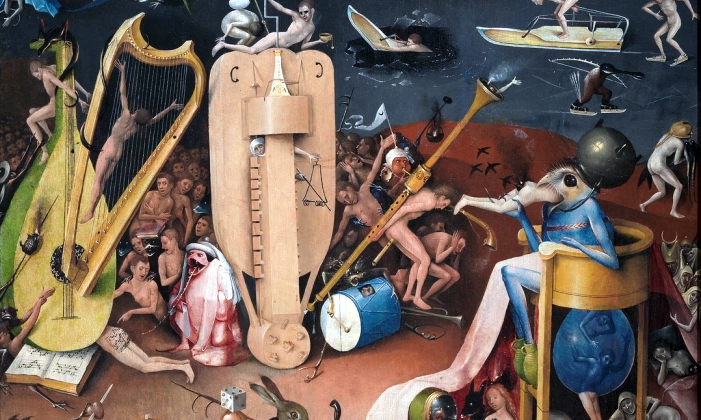
Musical imagery in the Global Middle Ages
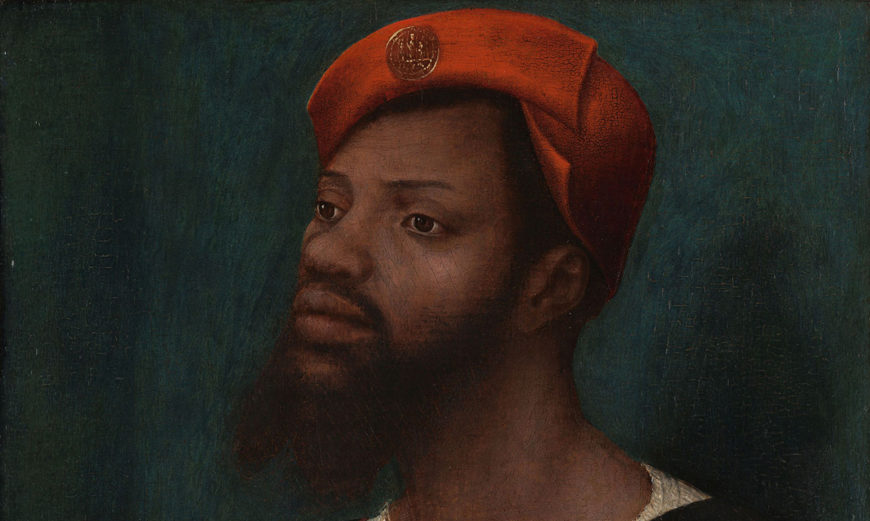
Africa in the European imagination
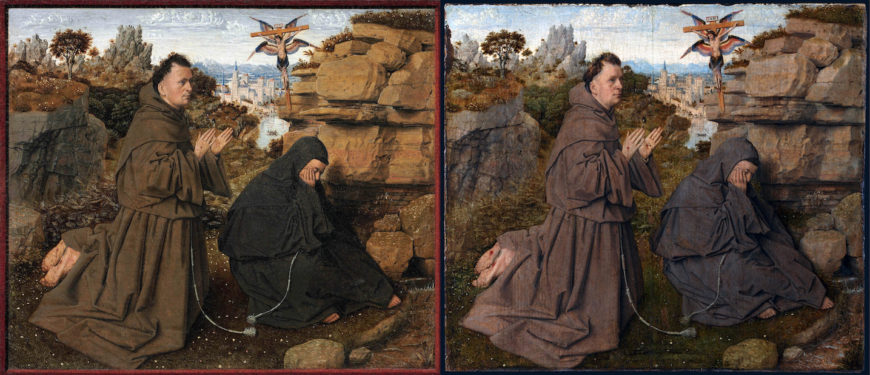
The role of the workshop in late medieval and early modern northern Europe
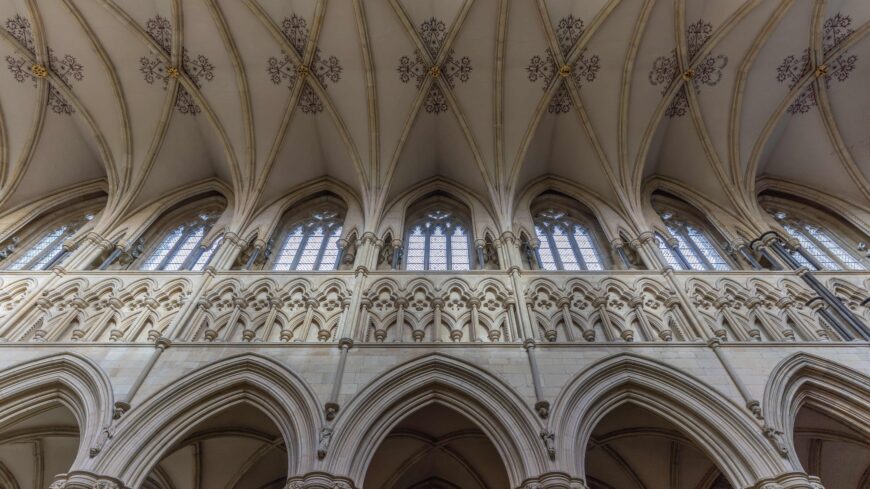
Gothic architecture explained
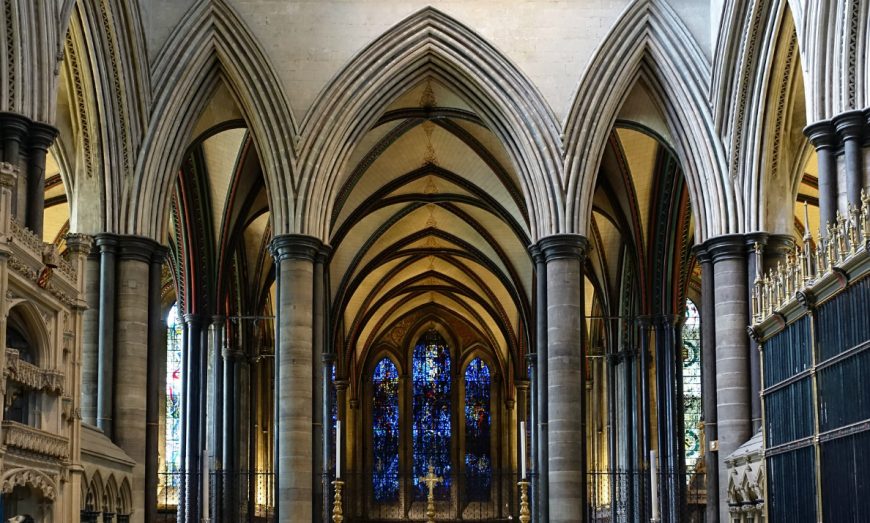
Gothic architecture, an introduction
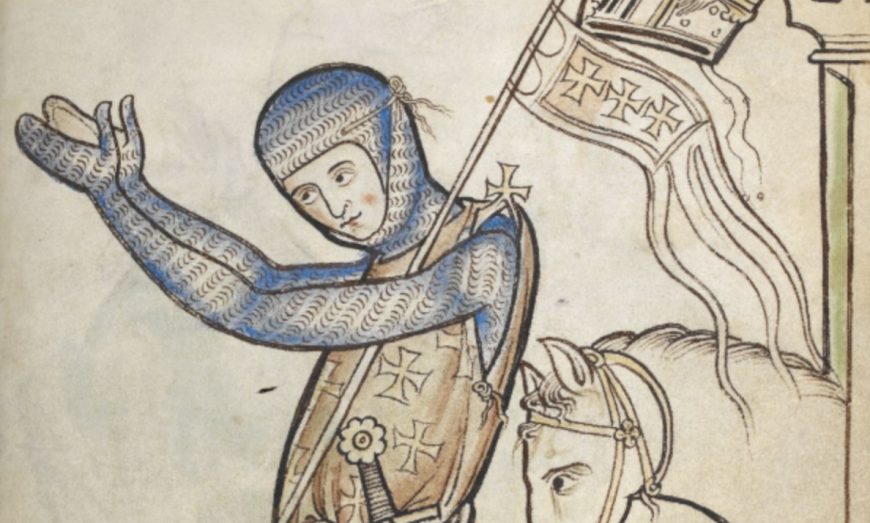
What were the crusades?
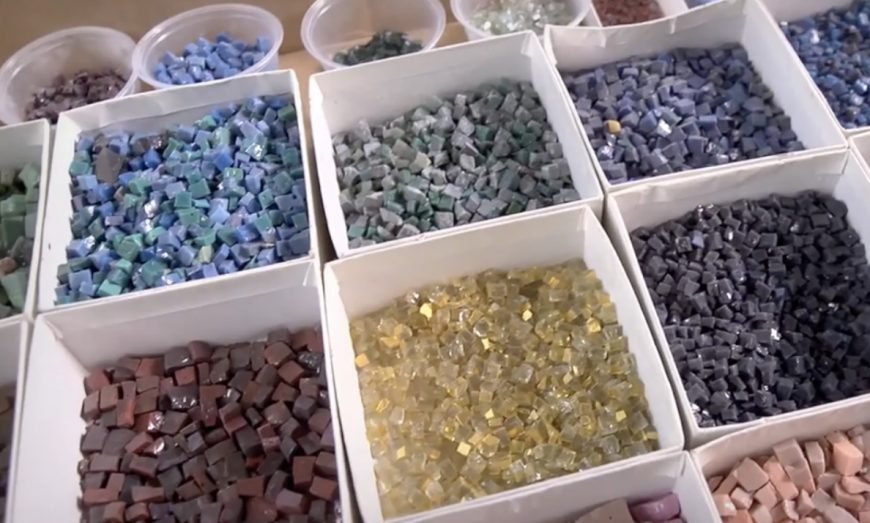
Ancient and Byzantine mosaic materials
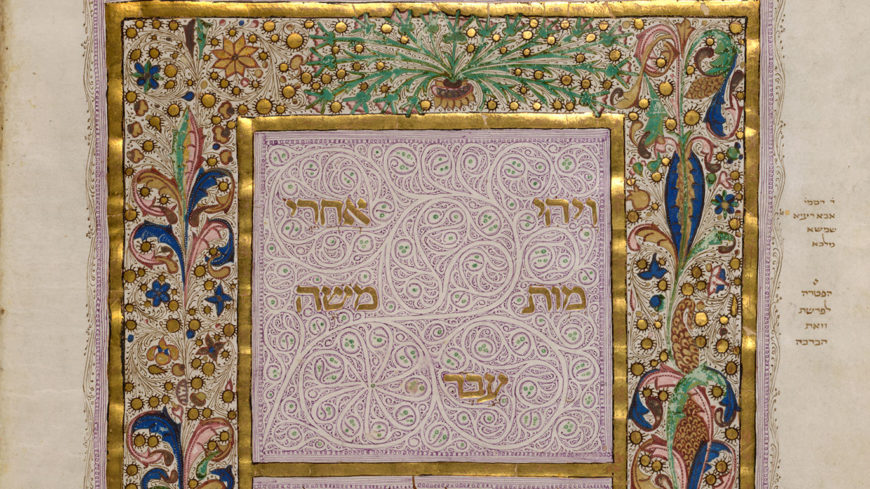
Illumination of Jewish biblical texts
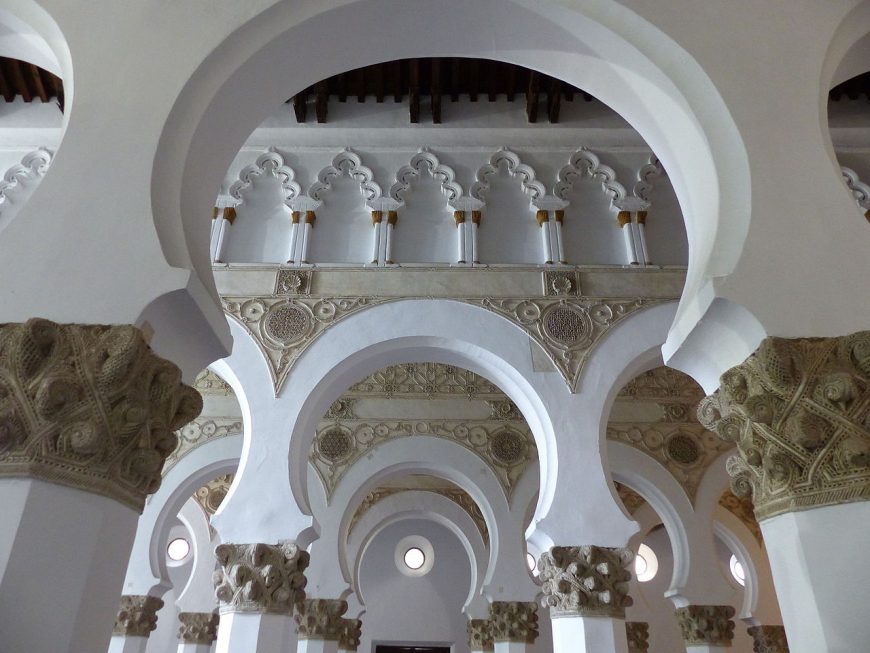
Medieval synagogues in Toledo, Spain
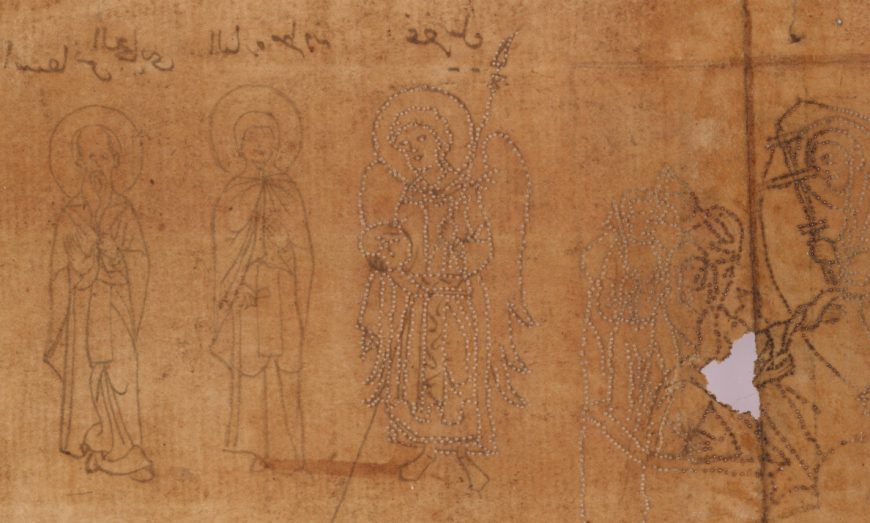
Medieval supermodels
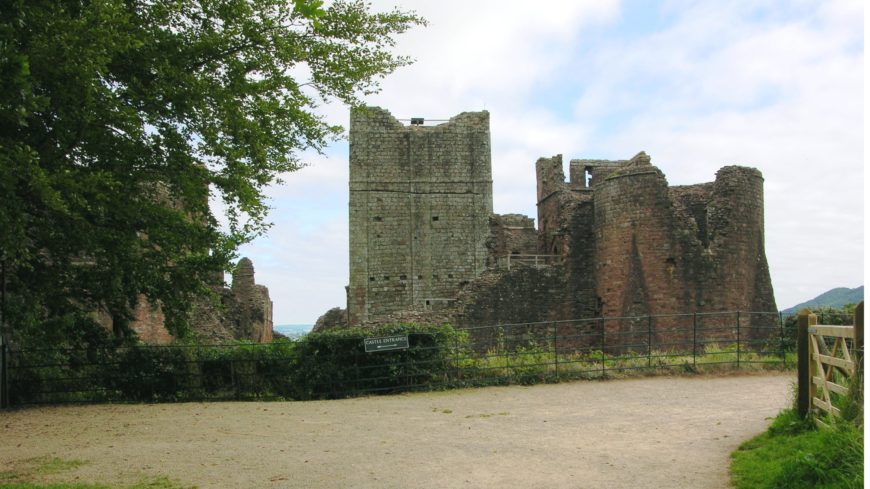
The English castle: dominating the landscape
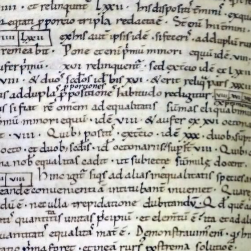
Listening to the medieval book
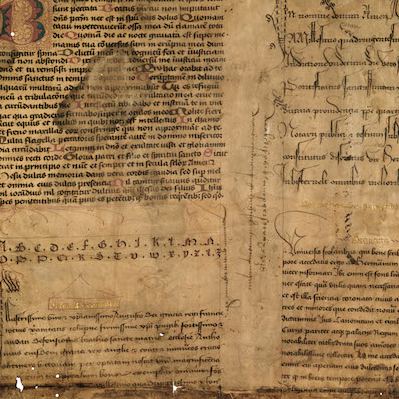
Making books for profit in medieval times
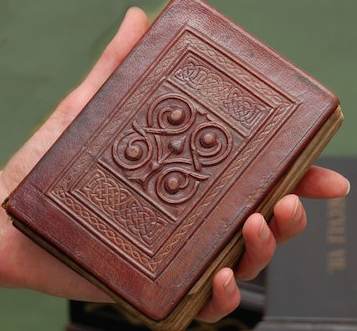
Medieval books in leather (and other materials)
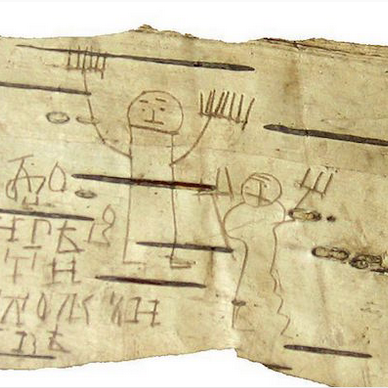
Medieval notepads
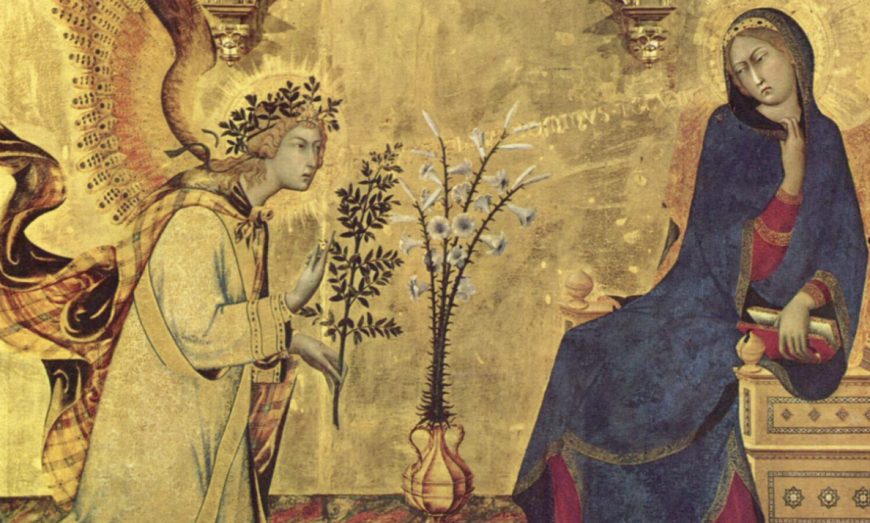
What made art valuable, in the Middle Ages and Renaissance vs. now
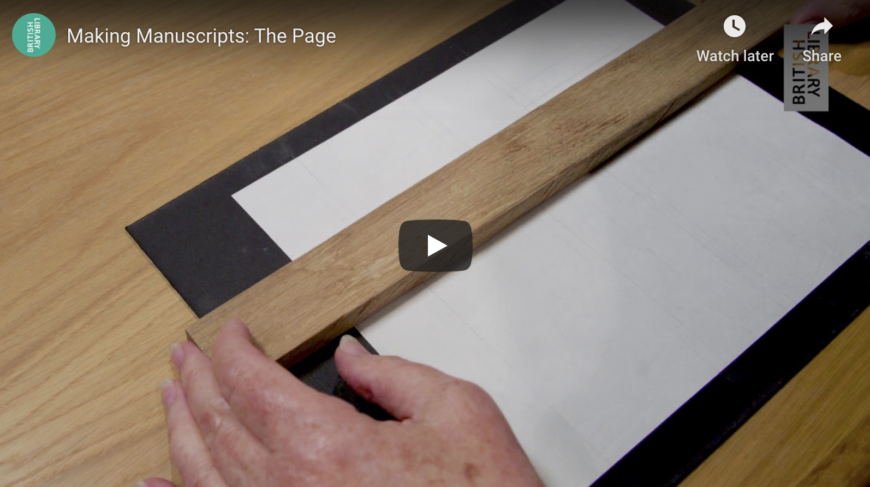
Making Manuscripts: The Page
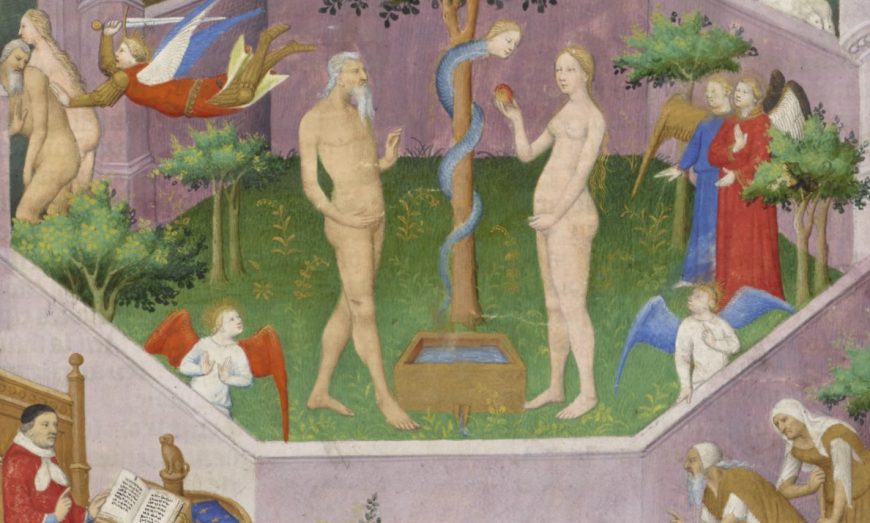
Manuscripts: major works of art
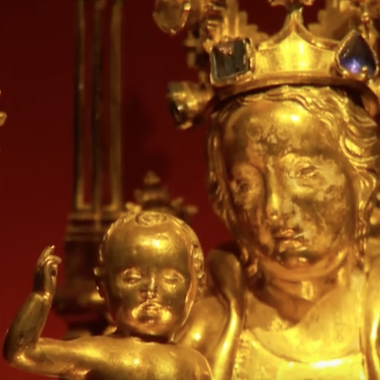
Medieval goldsmiths
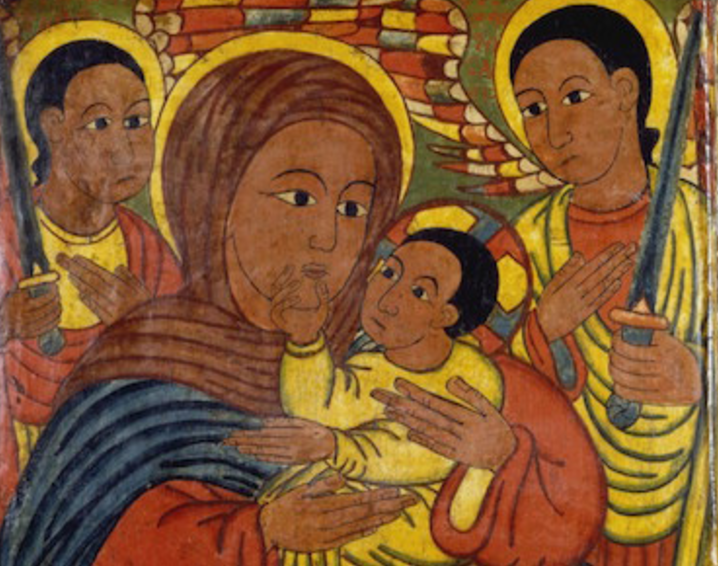
Christian Ethiopian art
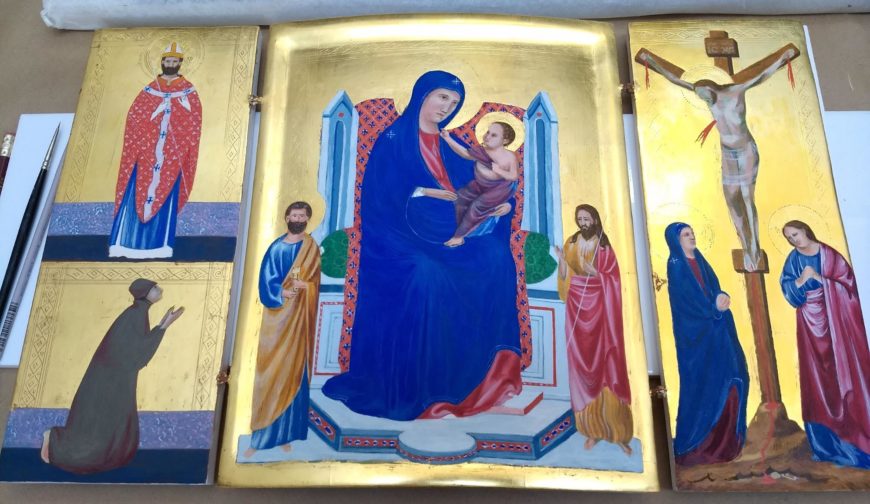
Remaking a fourteenth-century triptych

Manuscript production in the abbeys of Normandy
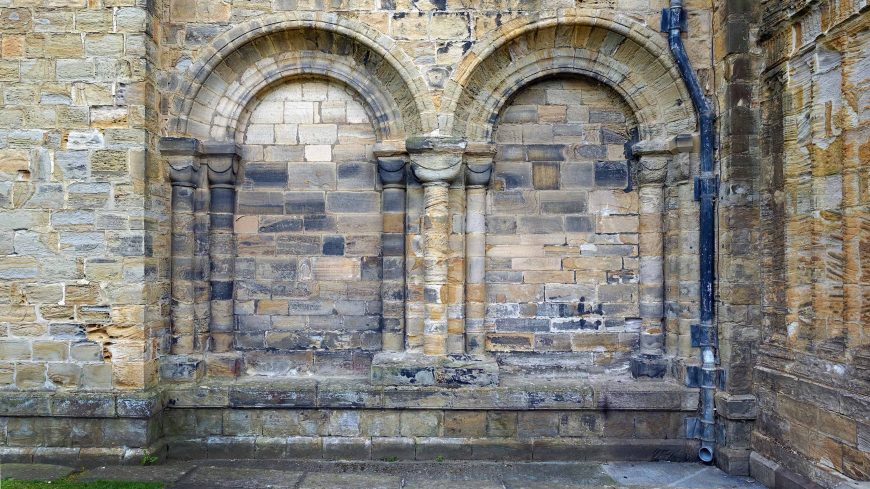
Romanesque architecture, an introduction
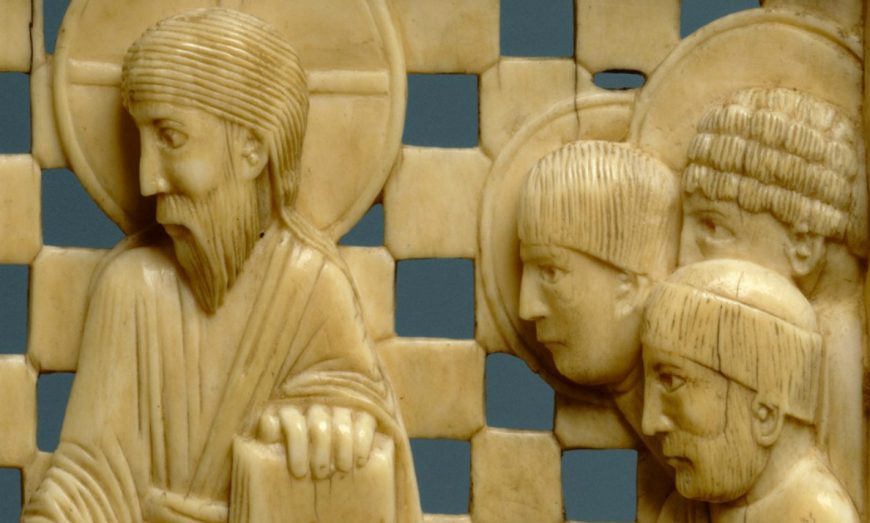
Ottonian art, an introduction
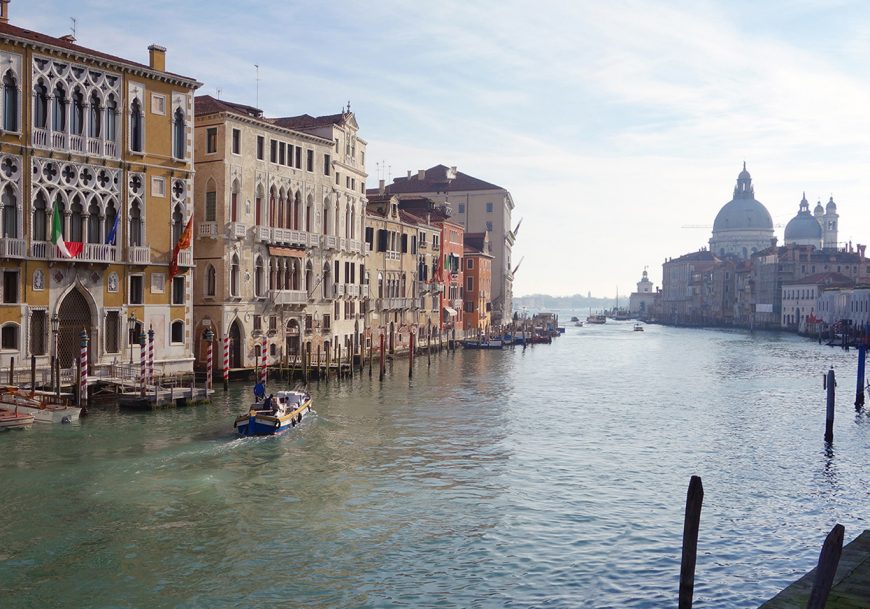
Saving Venice
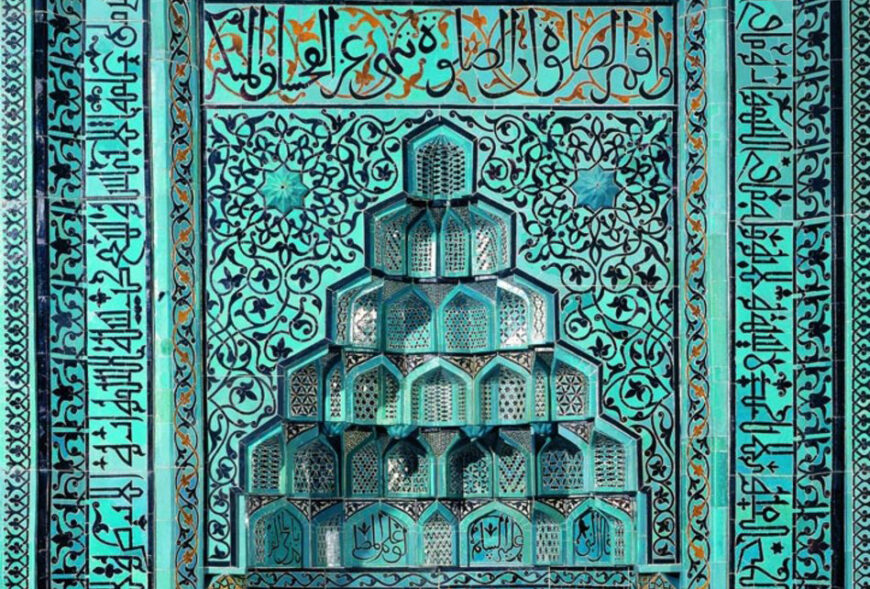
Arts of the Islamic world: The medieval period

Dante’s Divine Comedy in Late Medieval and Early Renaissance art
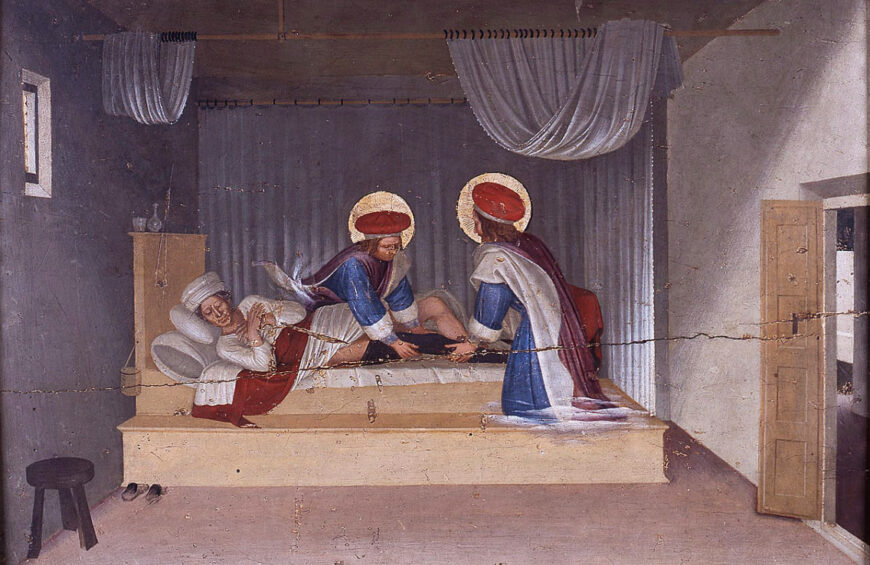
The Miracle of the Black Leg
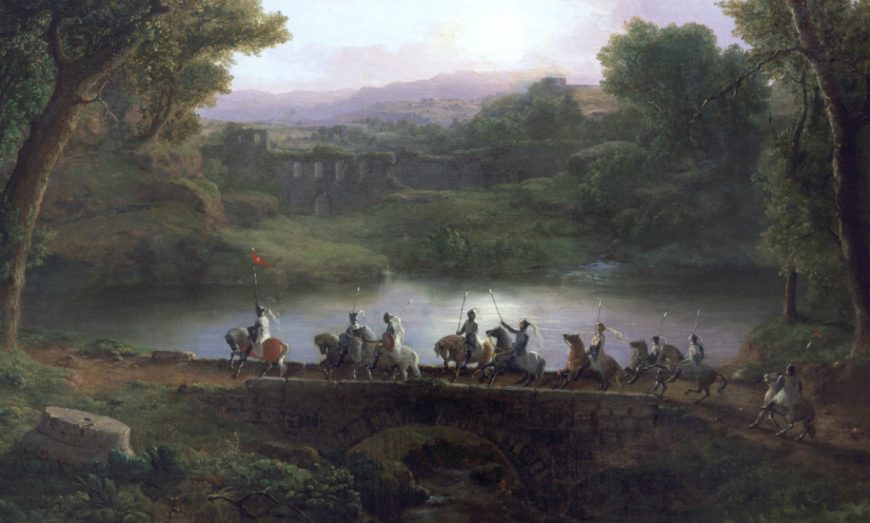
The impact of the crusades
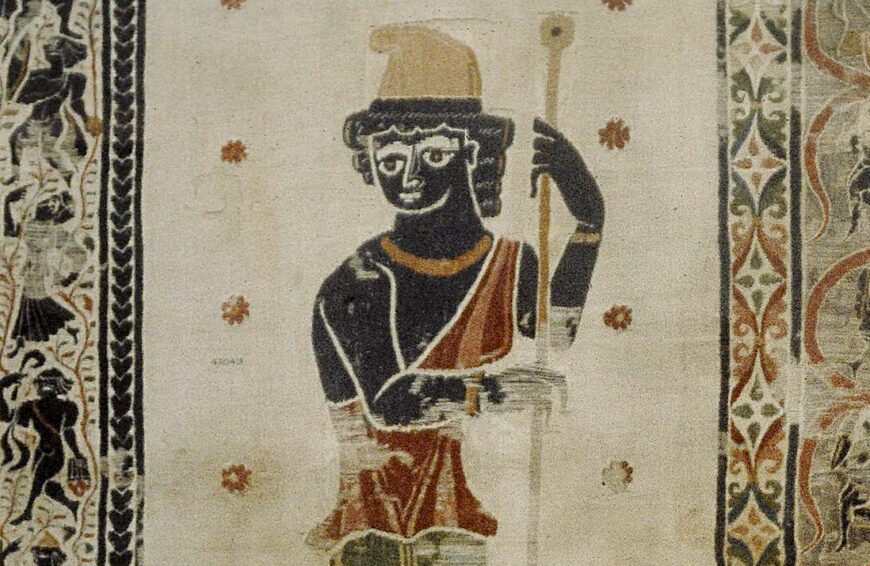
Reimagining Africa’s place in Byzantine art history
Works of Art



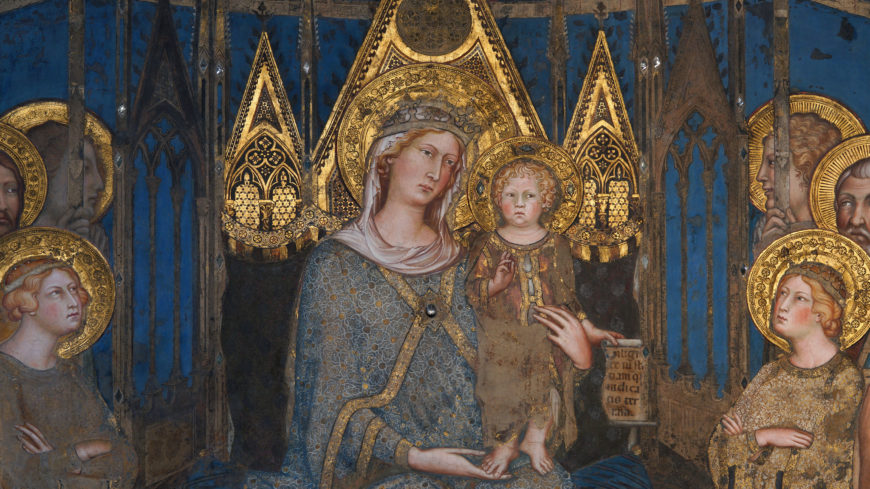
Artists
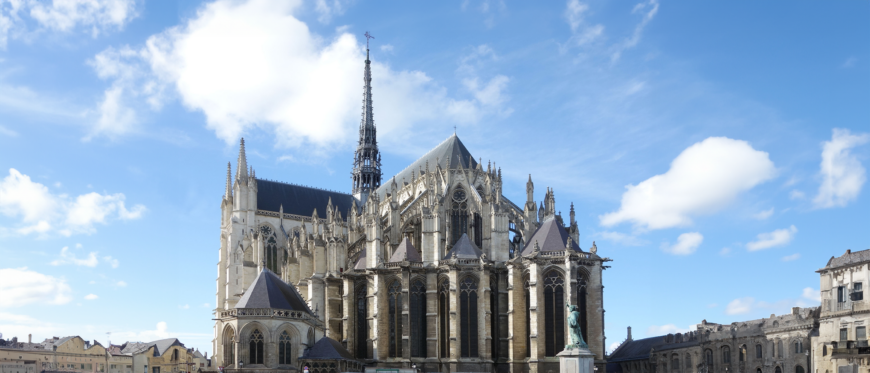
Robert de Luzarches, Thomas de Cormont, and Renaud de Cormont, Amiens Cathedral, Amiens, France, begun 1220
Periods, Cultures, Styles
 " alt="">
Early Christian
c. 150–700
 " alt="">
Coptic Period
c. 4th–7th century
 " alt="">
Byzantine
c. 330–1453
 " alt="">
Early Medieval
c. 500–1000
 " alt="">
Carolingian
c. 780–900
 " alt="">
Viking Age
c. 8th–13th century
 " alt="">
Norman
c. 900–1200
 " alt="">
Ottonian
c. 936–1015
 " alt="">
Romanesque
c. 1000–1200
 " alt="">
The Crusades
c. 1095–1291
 " alt="">
Gothic
c. 1100–1500
 " alt="">
Late Medieval
c. 1400–1500