Europe
Europe
Basics to get you started
A brief history of Western culture

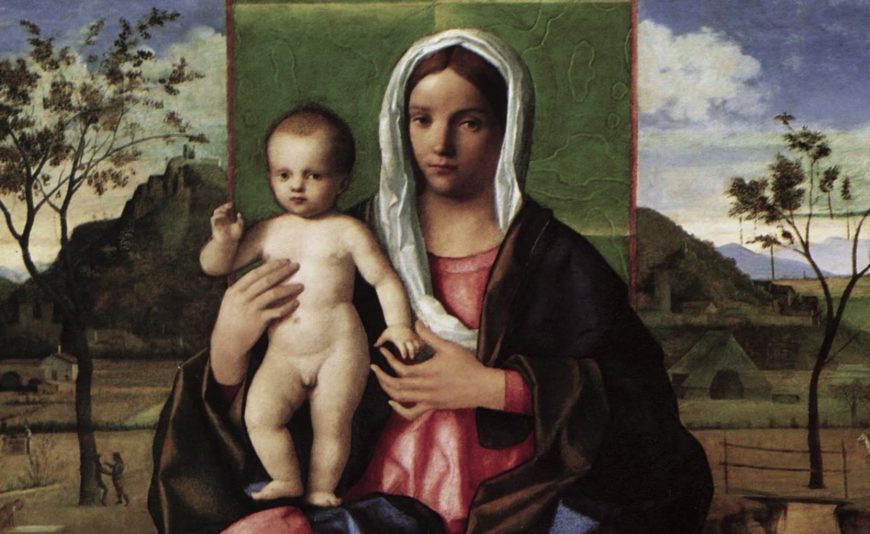
A brief history of the representation of the body in Western painting

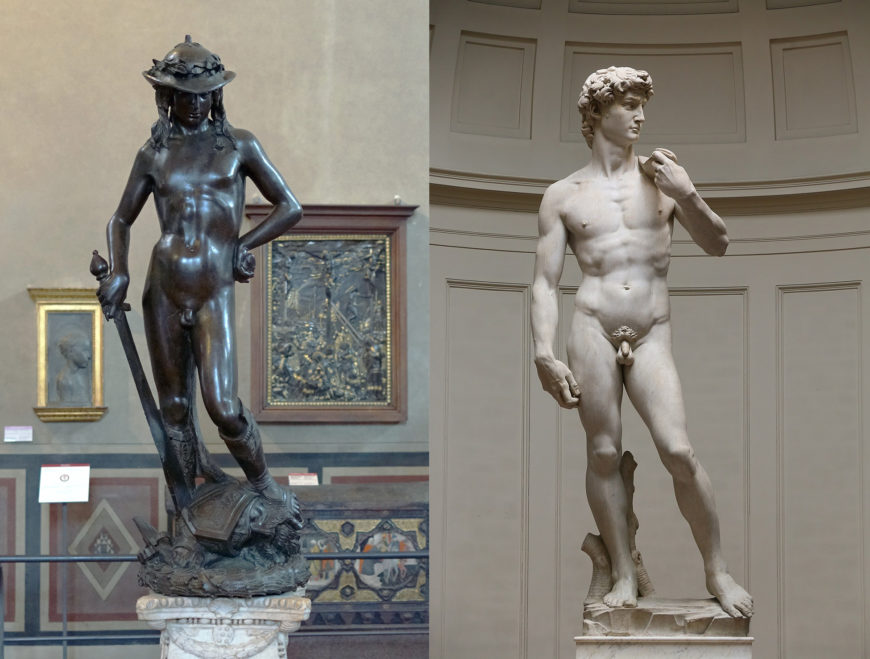
A brief history of the representation of the body in Western sculpture
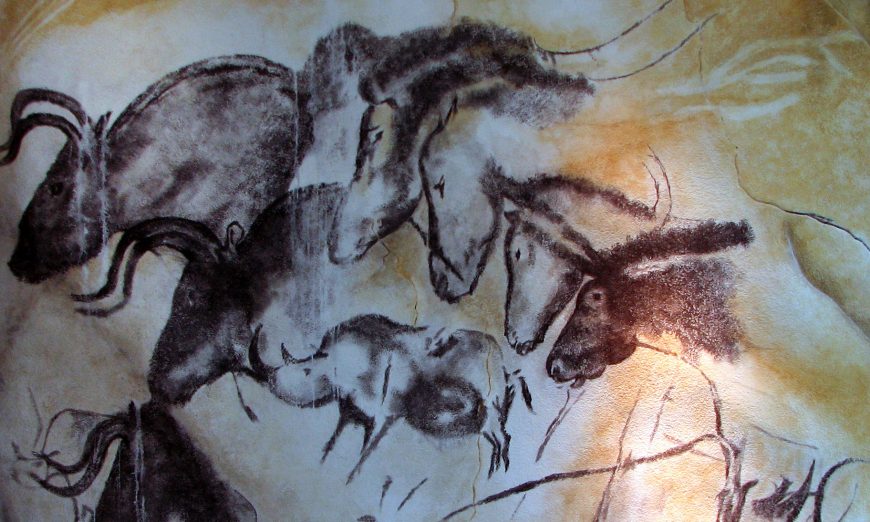
Paleolithic art, an introduction
The Neolithic revolution
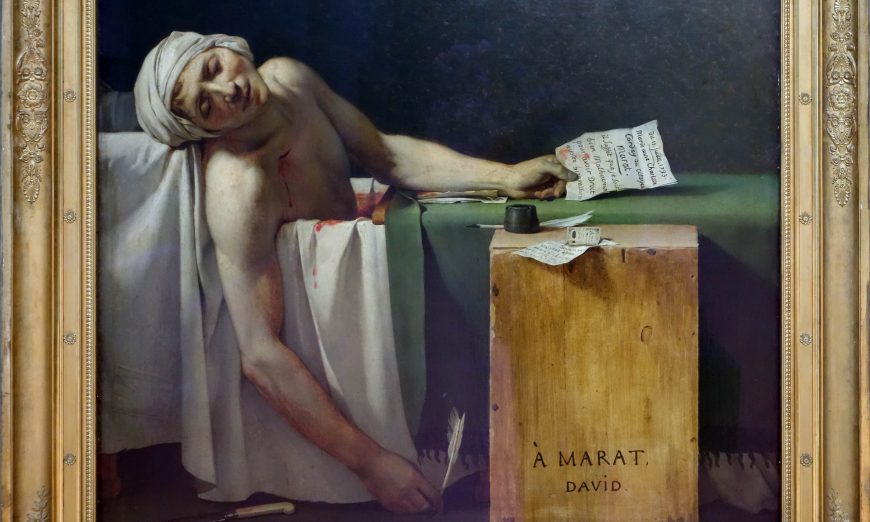
Romanticism in France
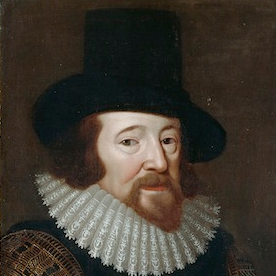
Francis Bacon and the Scientific Revolution
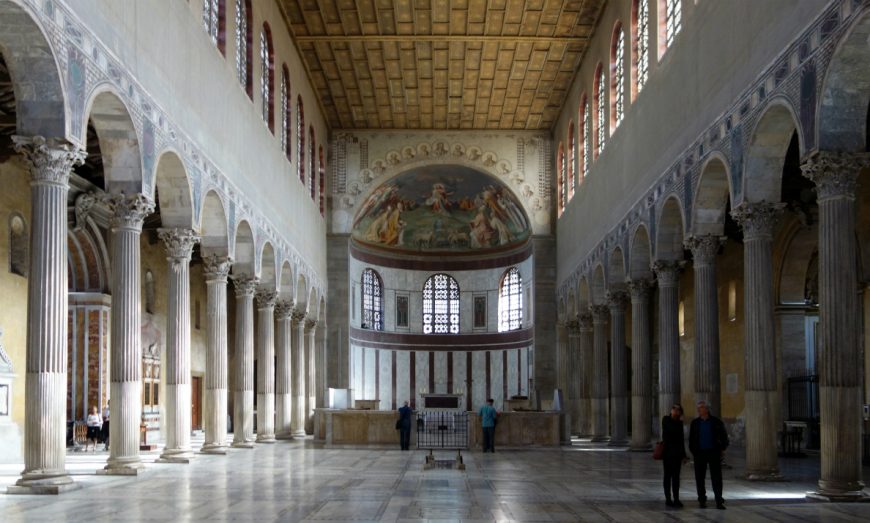
Architecture and liturgy
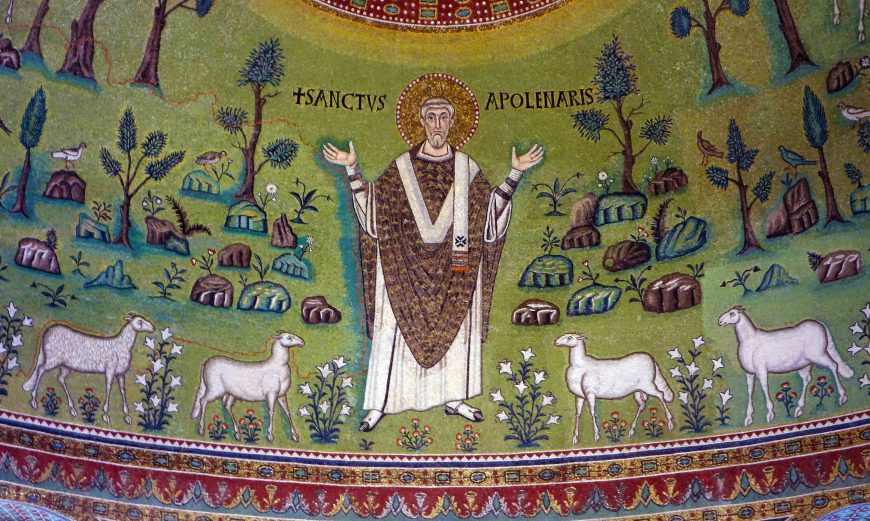
A new pictorial language: the image in early medieval art
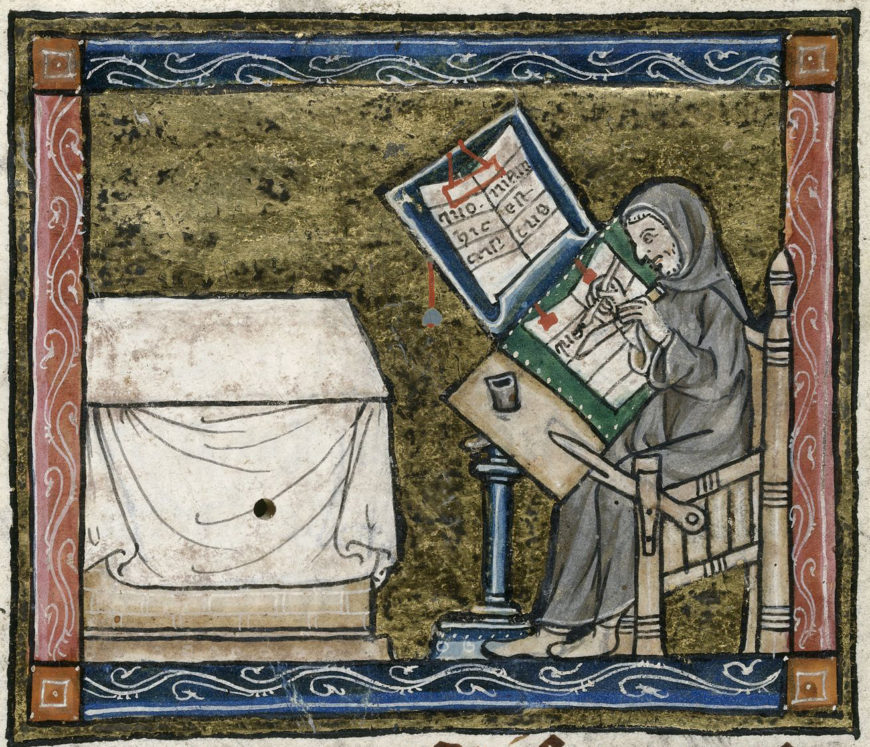
Medieval manuscripts, an introduction
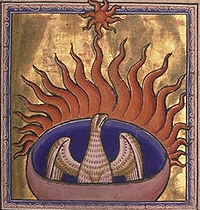
The Bestiary
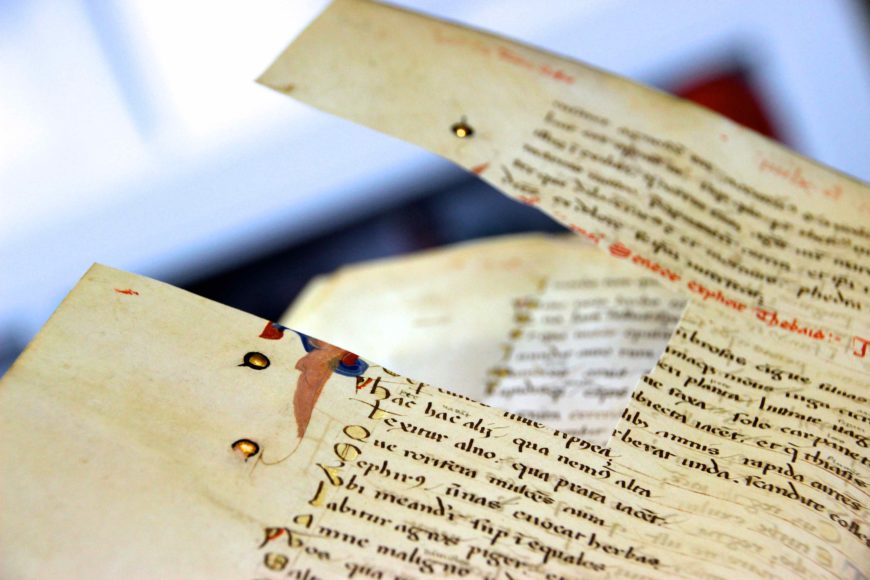
Skins and scraps
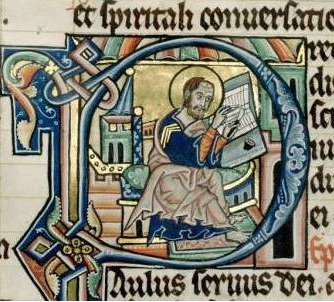
The work of the scribe
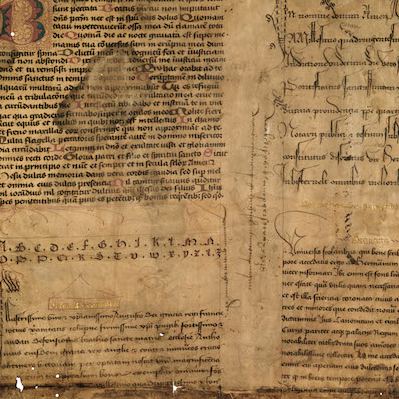
Making books for profit in medieval times
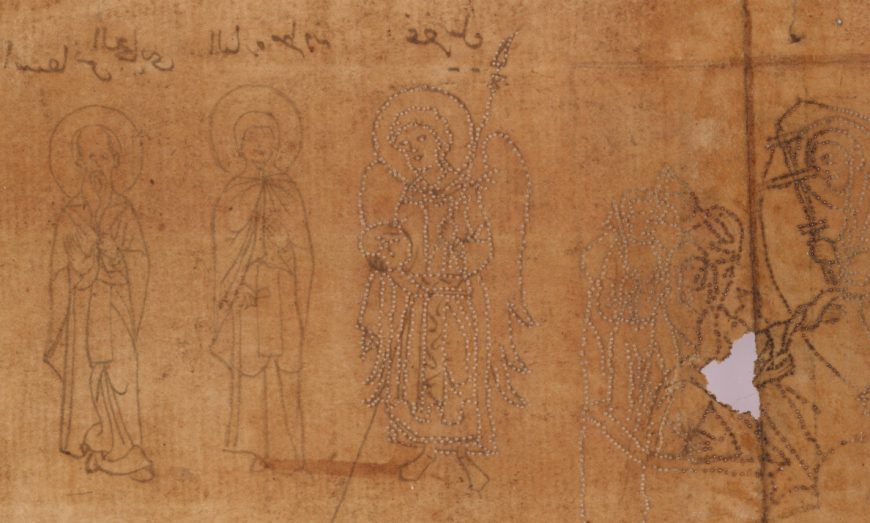
Medieval supermodels
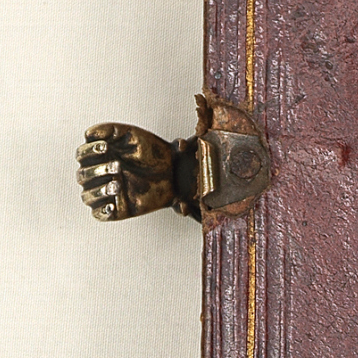
Clasps: hugging a medieval book
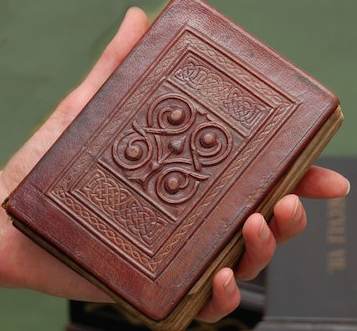
Medieval books in leather (and other materials)
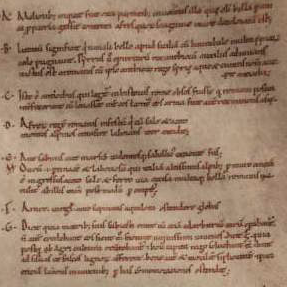
The medieval origins of the modern footnote
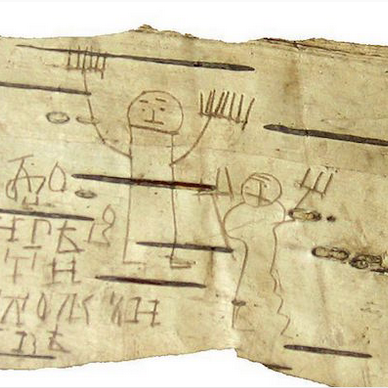
Medieval notepads
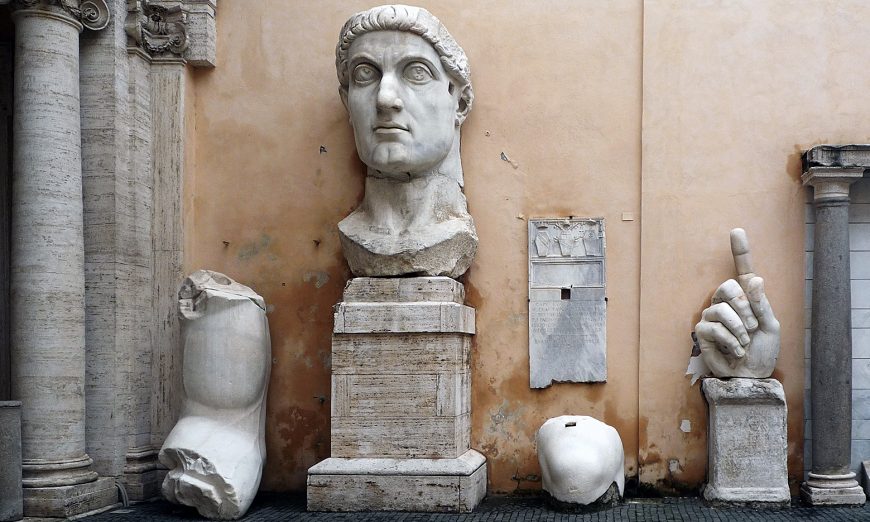
Early Christianity, an introduction
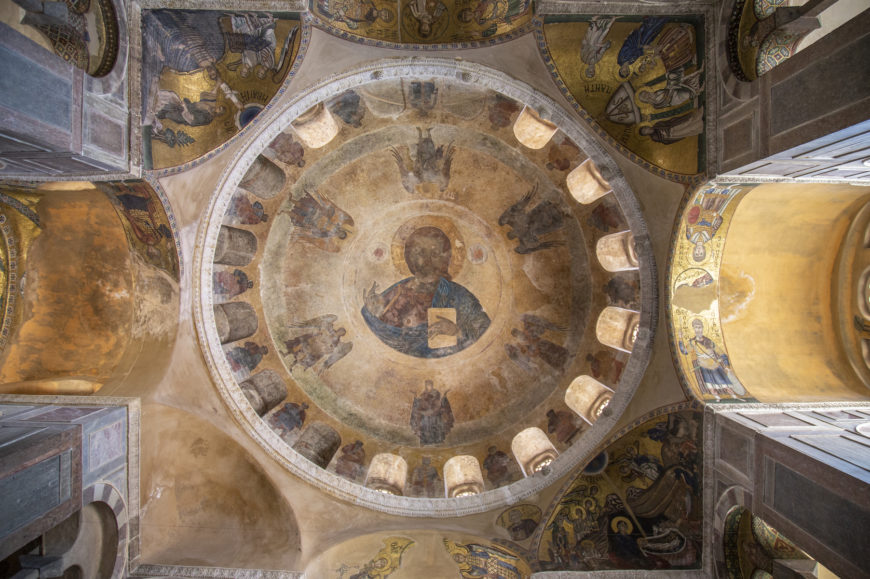
Byzantine art, an introduction
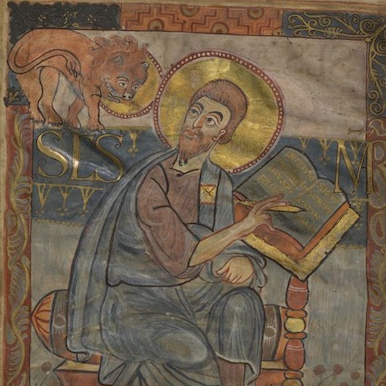
Carolingian art, an introduction
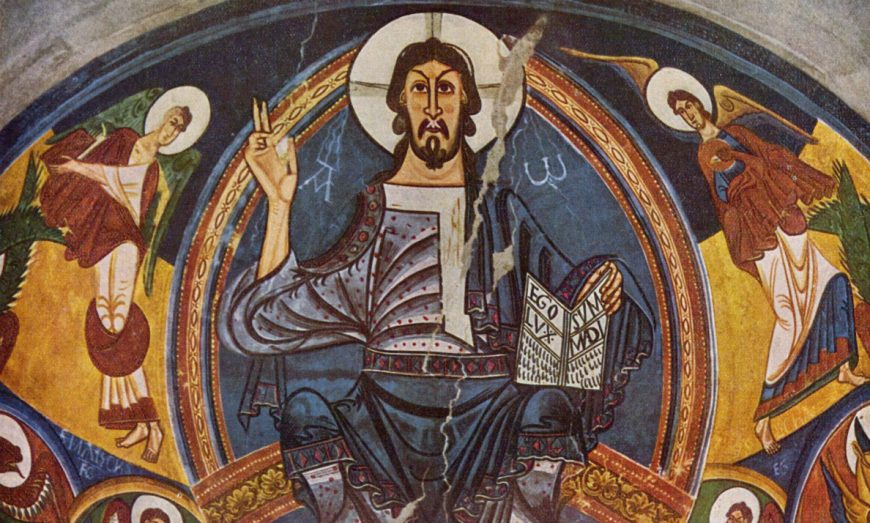
Romanesque art, an introduction
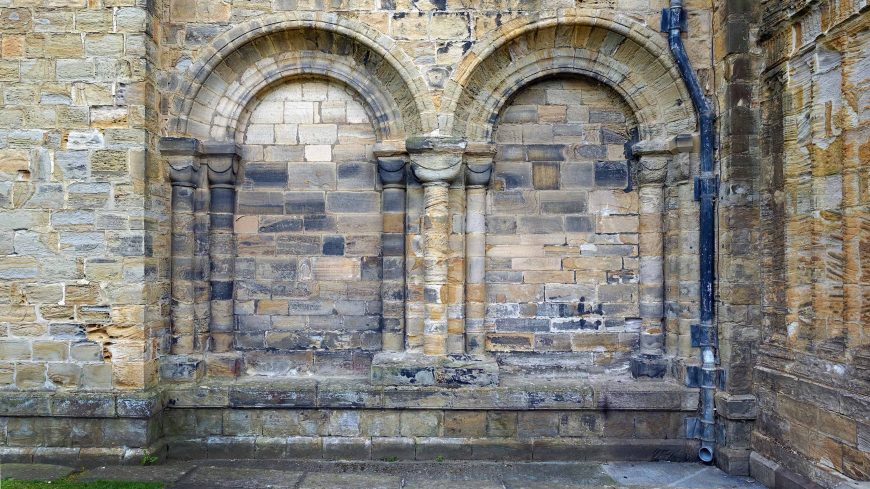
Romanesque architecture, an introduction
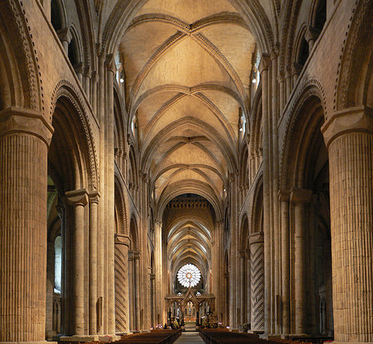
Medieval churches: sources and forms

Jewish history to the middle ages
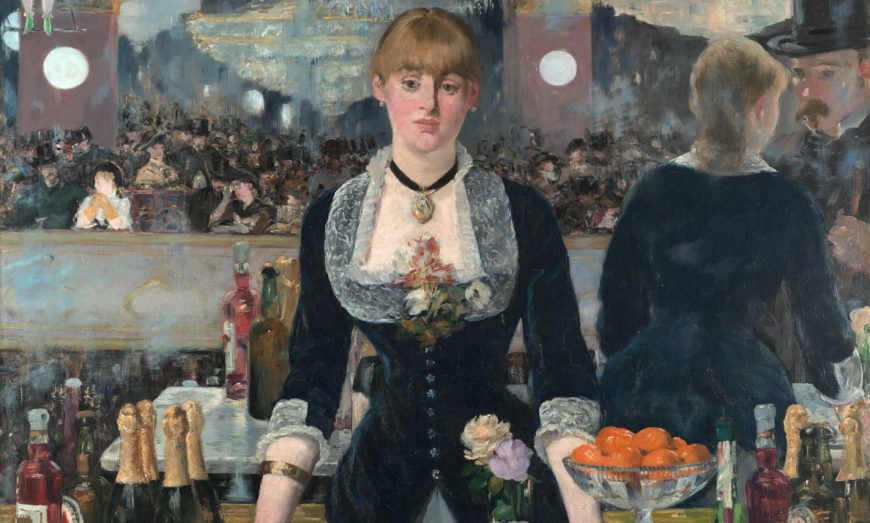
Becoming modern in 19th-century Europe, an introduction
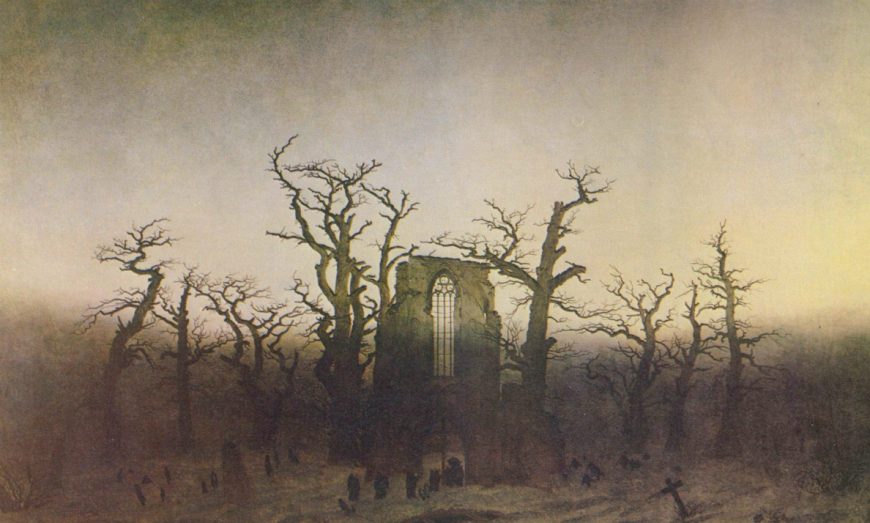
Romanticism, an introduction
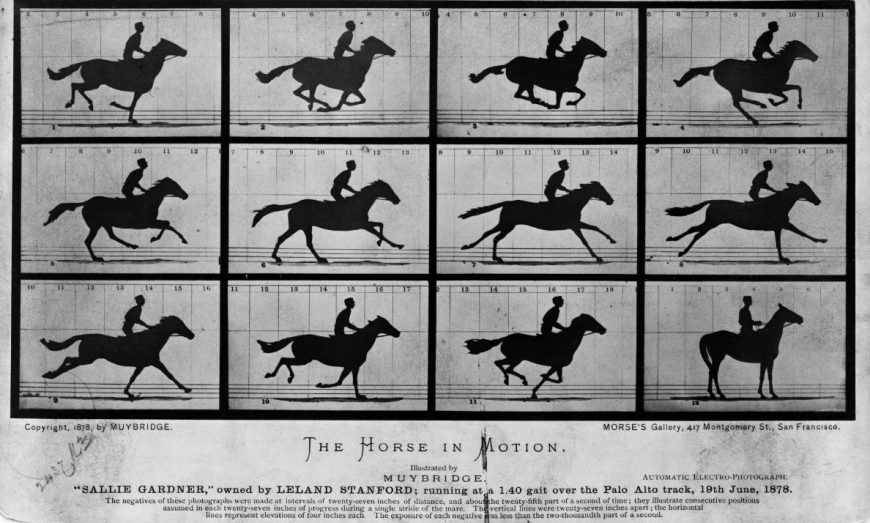
Early photography: Niépce, Talbot, and Muybridge
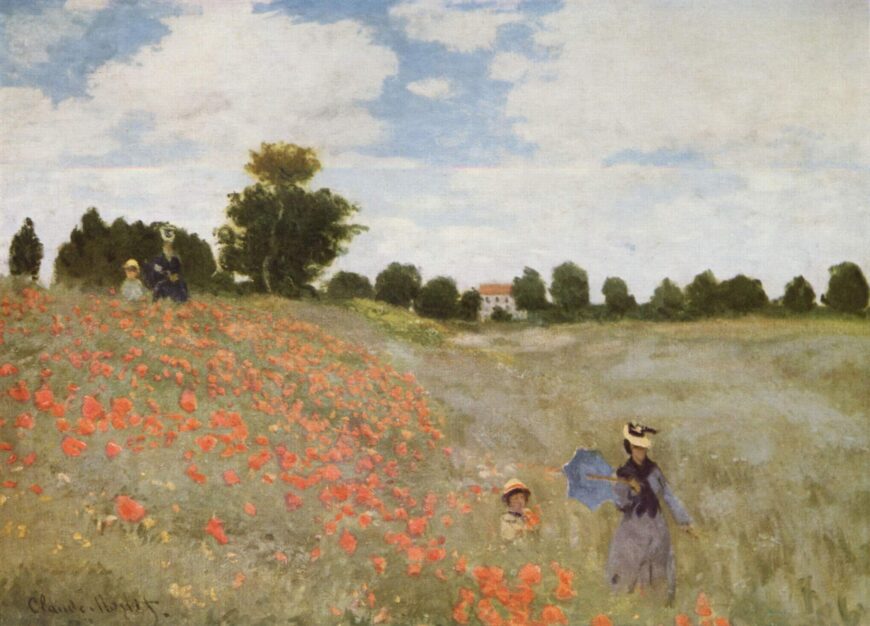
Impressionism, an introduction
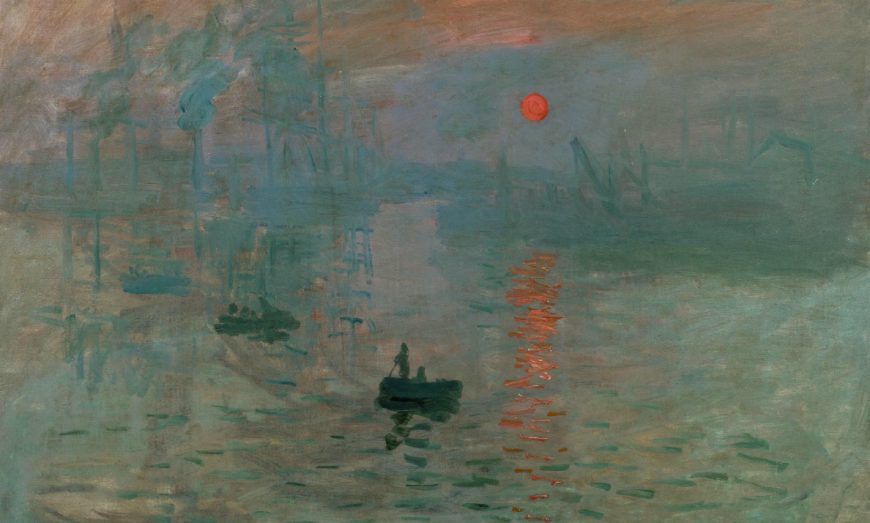
How the Impressionists got their name
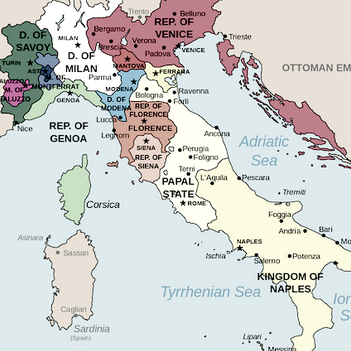
Florence in the Early Renaissance
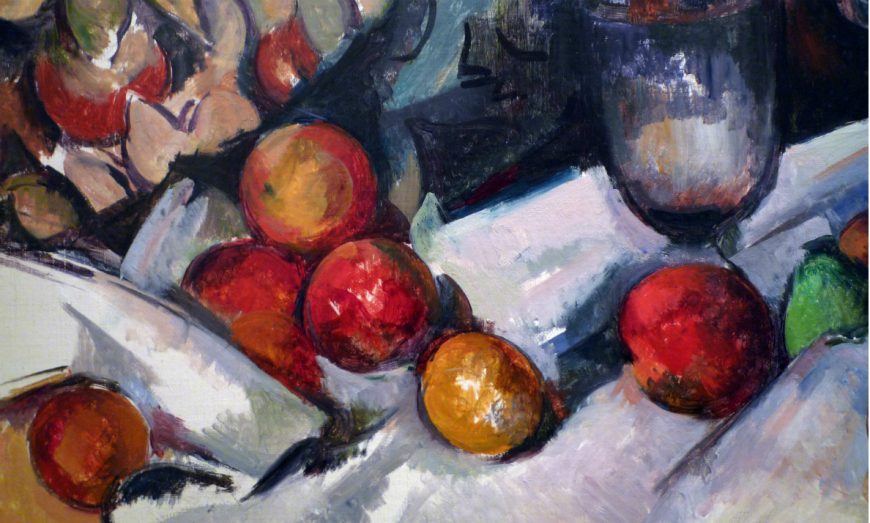
The painting of Paul Cézanne, an introduction
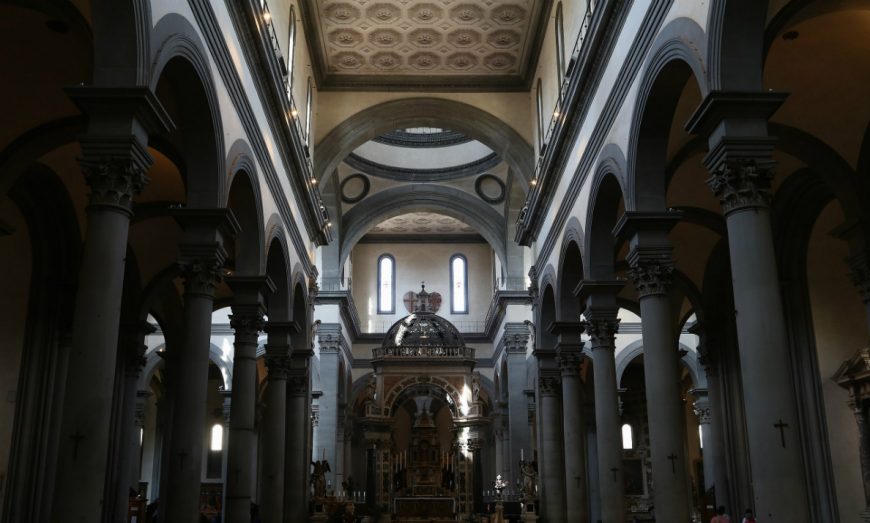
Early applications of linear perspective
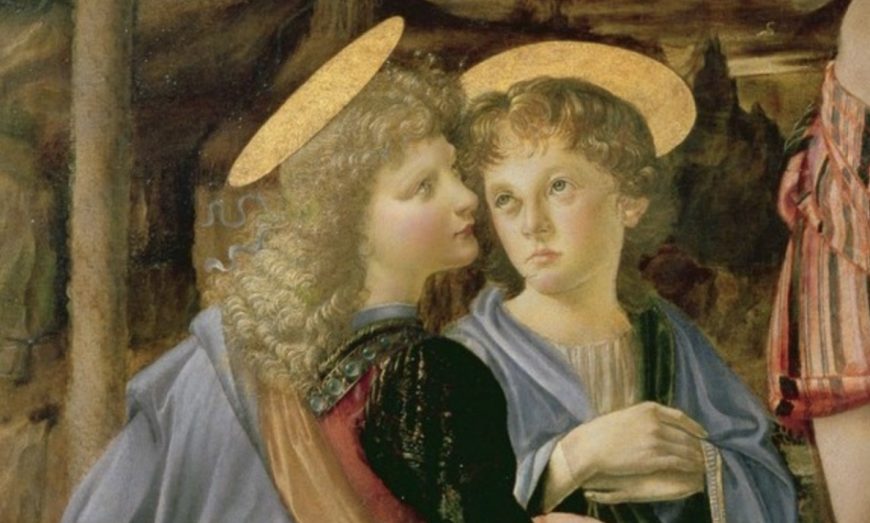
Toward the High Renaissance, an introduction
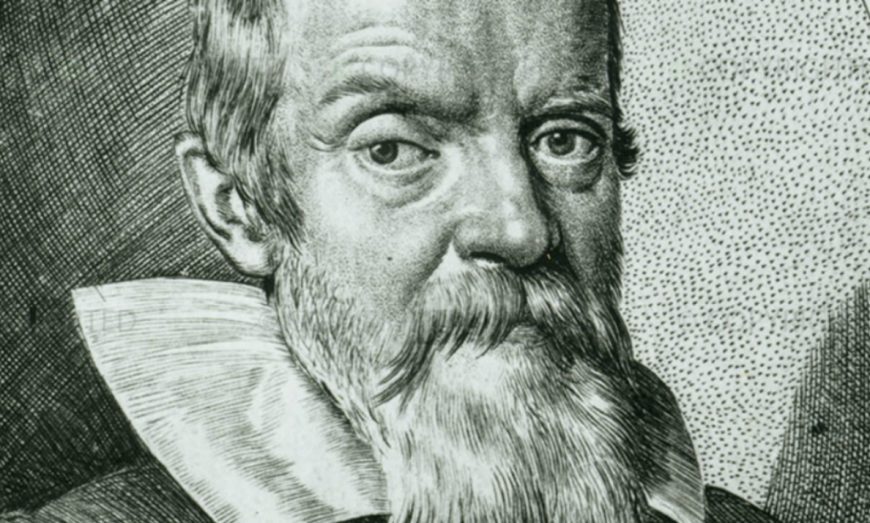
Galileo Galilei
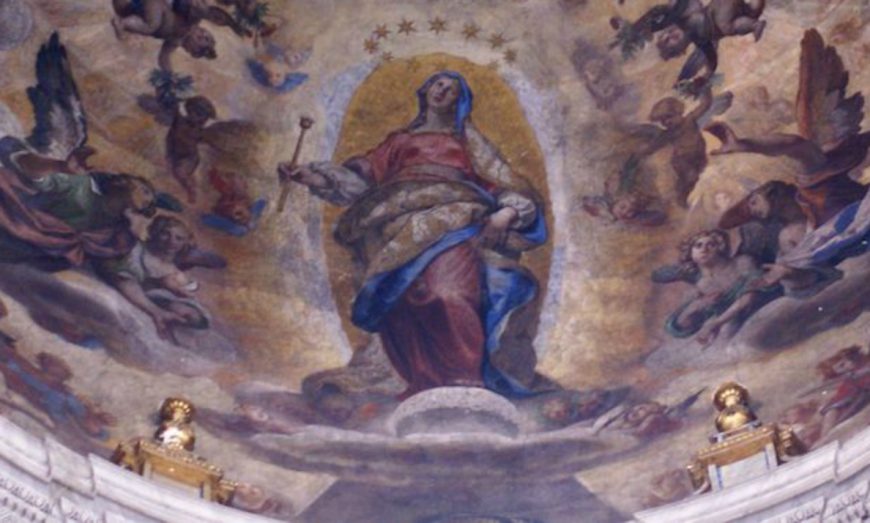
Galileo and the science of nature
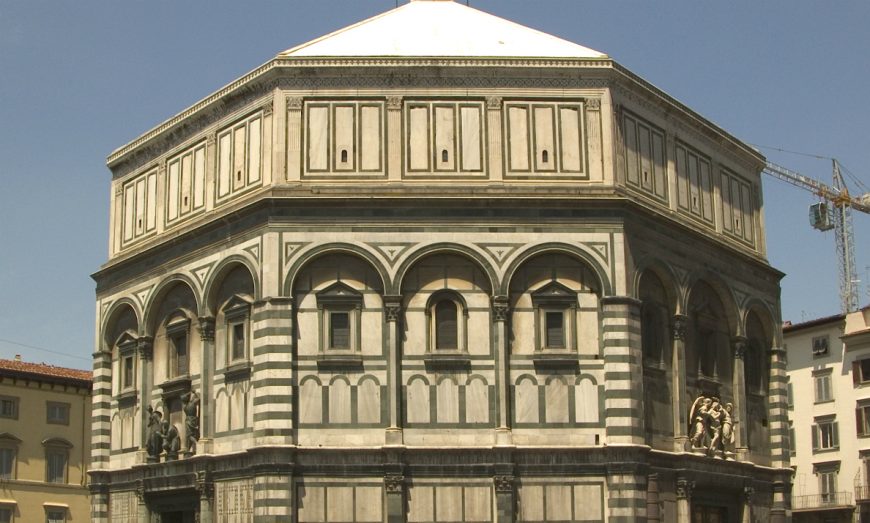
Linear Perspective: Brunelleschi’s Experiment
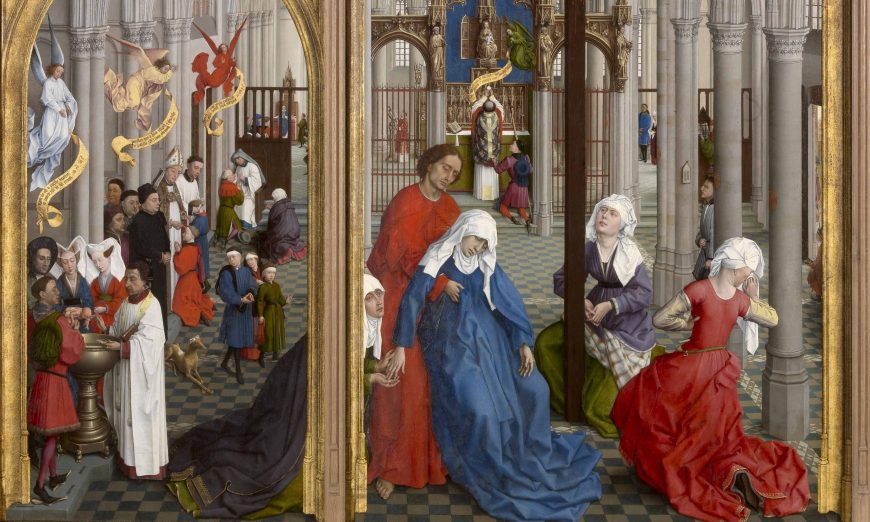
Introduction to the Protestant Reformation (part 1 of 4): Setting the stage
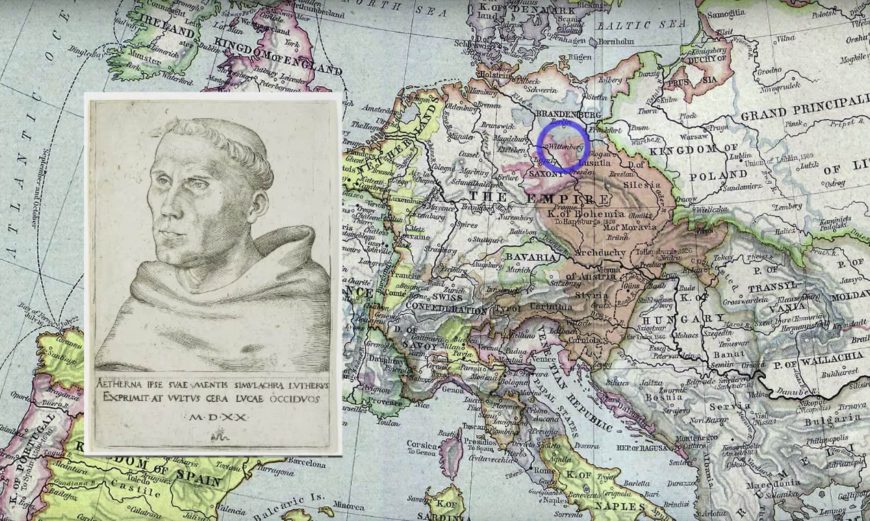
Introduction to the Protestant Reformation (part 2 of 4): Martin Luther
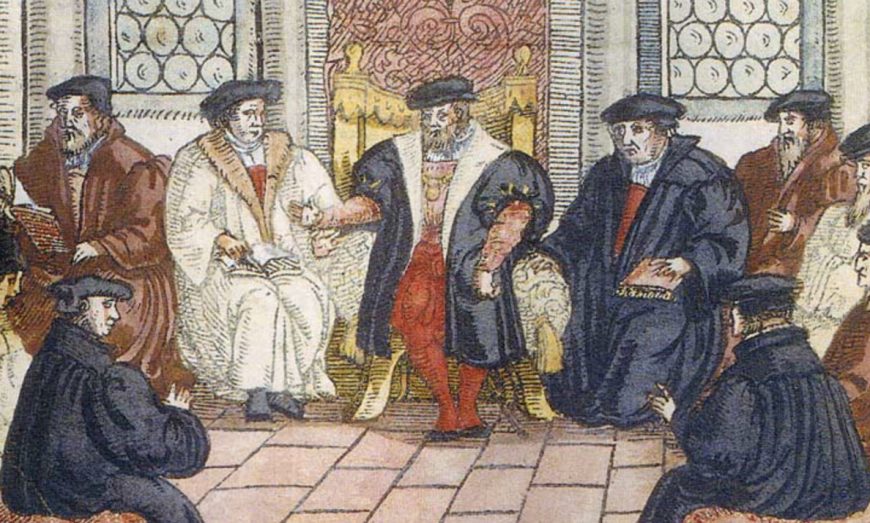
Introduction to the Protestant Reformation (part 3 of 4): Varieties of Protestantism
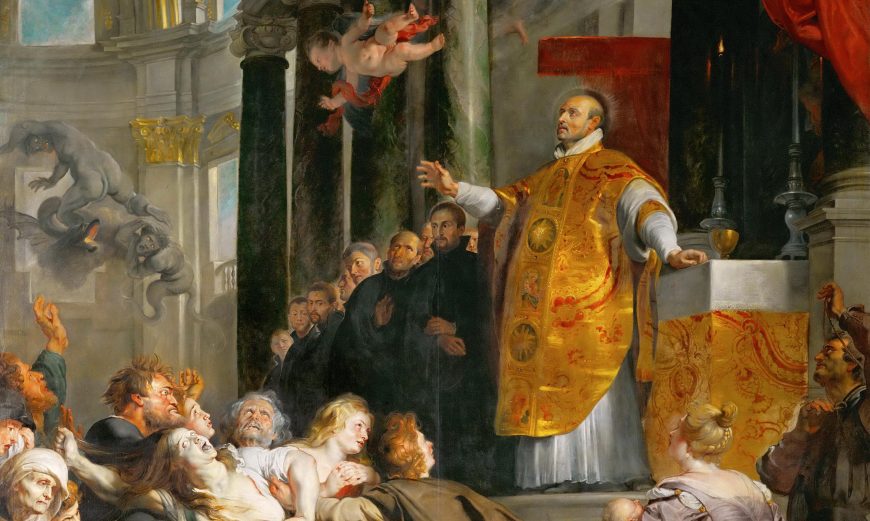
Introduction to the Protestant Reformation (part 4 of 4): The Counter-Reformation
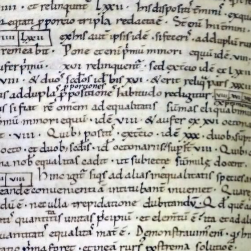
Listening to the medieval book
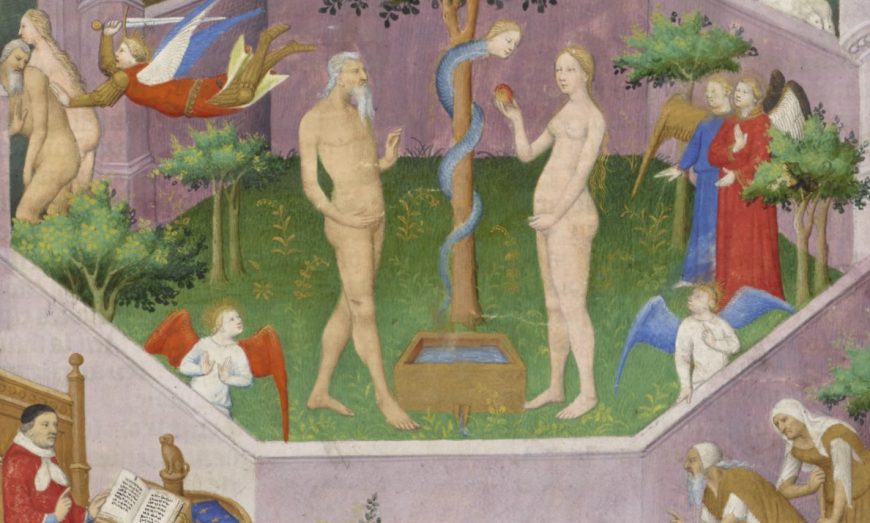
Manuscripts: major works of art
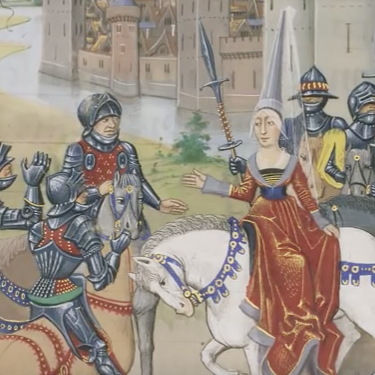
Chivalry in the Middle Ages
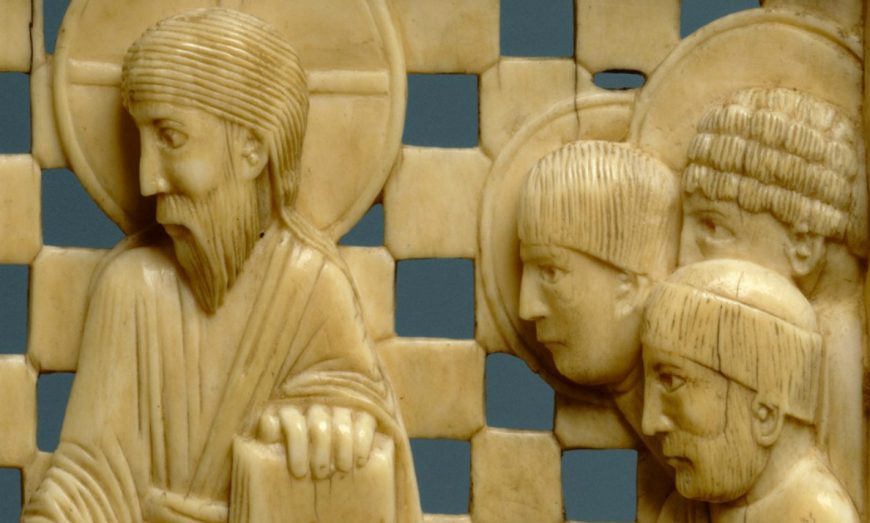
Ottonian art, an introduction
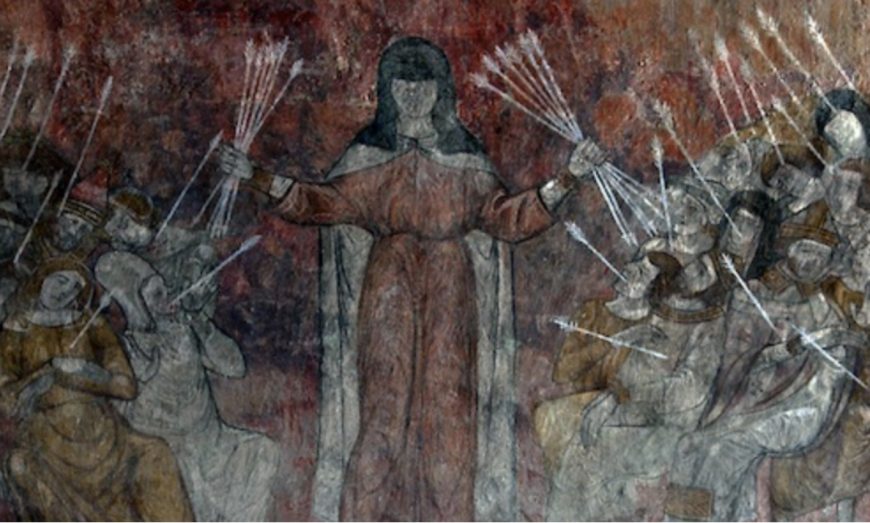
The Black Death
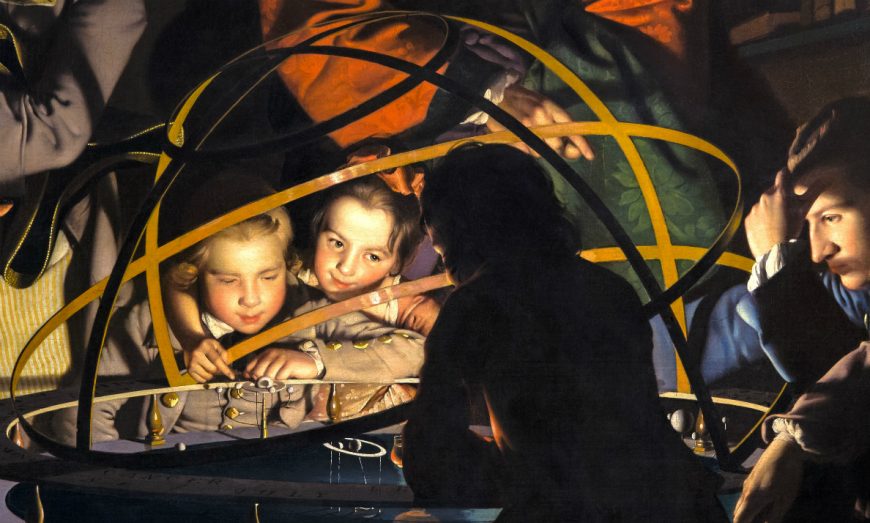
The Age of Enlightenment, an introduction

Illustrating a 15th-century Italian altarpiece
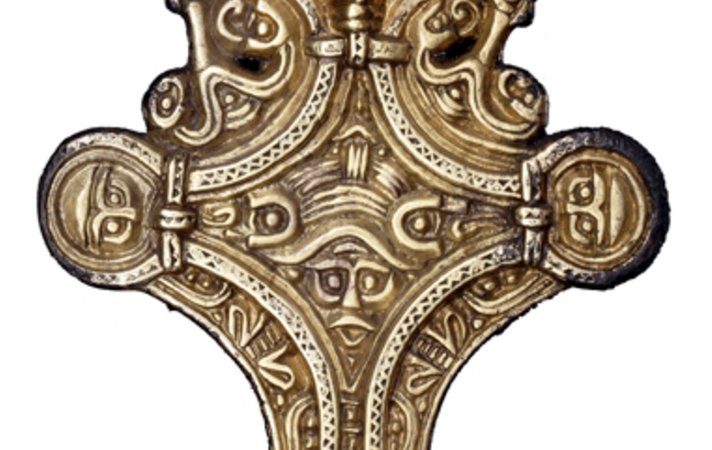
Decoding Anglo-Saxon art
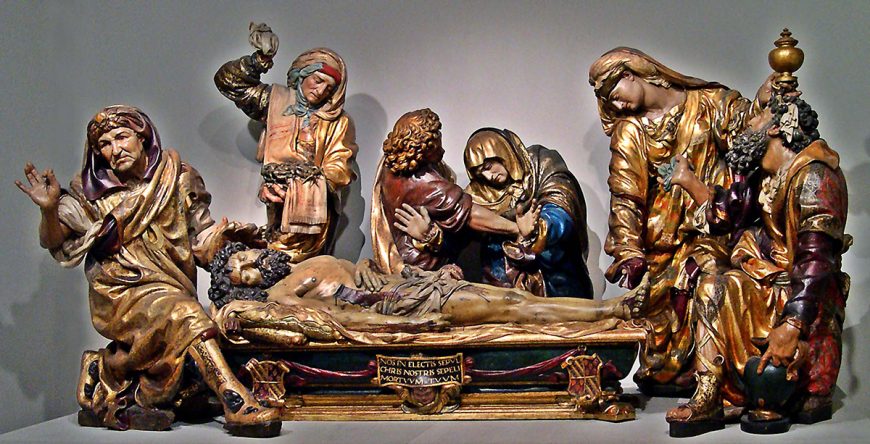
The Renaissance in Spain
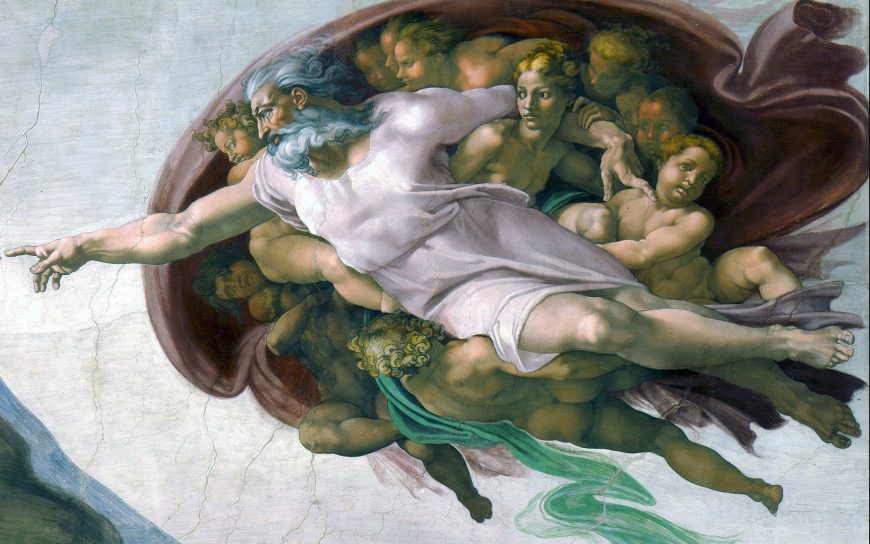
How to recognize Italian Renaissance art
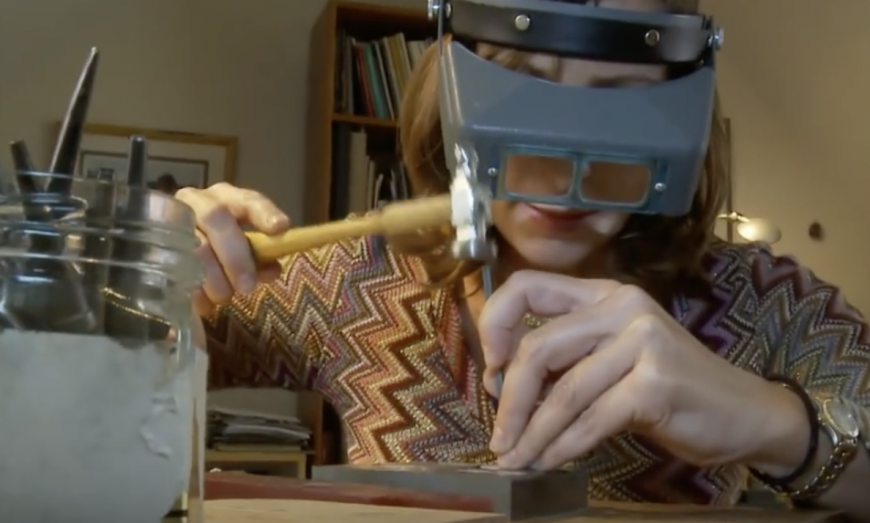
Medieval goldsmiths
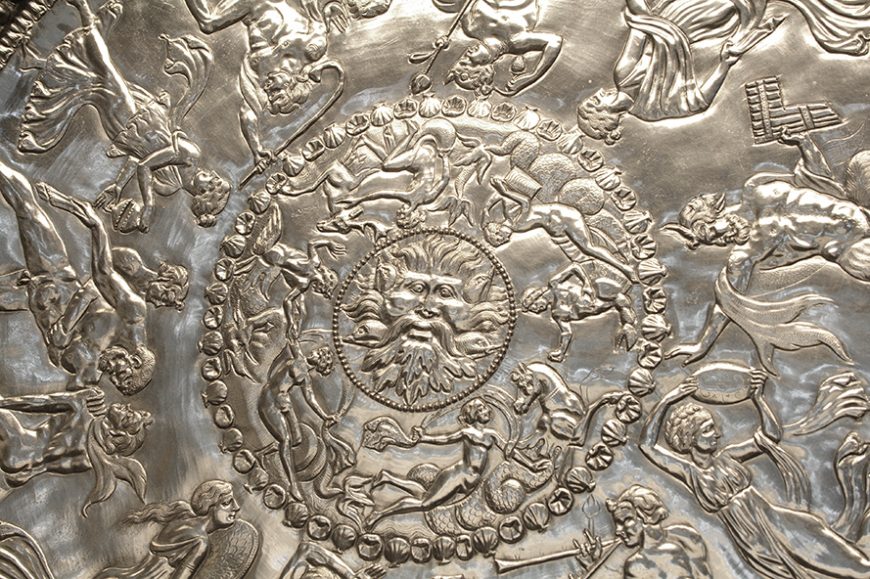
Classicism and the Early Middle Ages
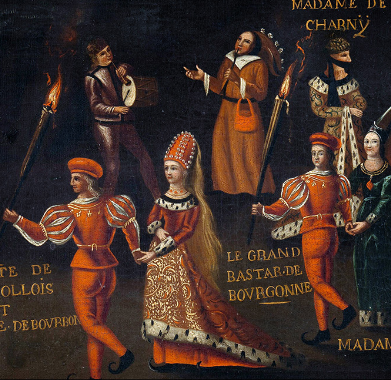
Art and power: the Dukes of Burgundy
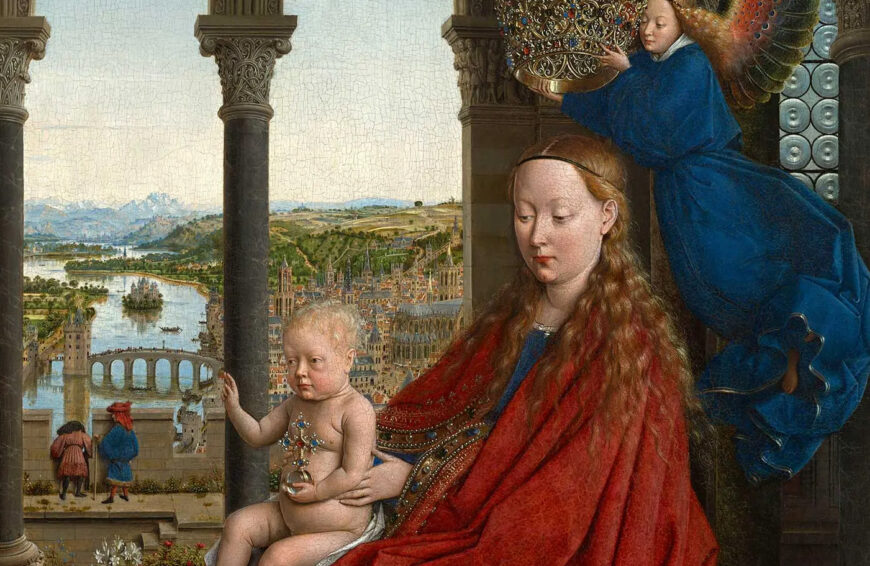
15th-century Flanders, an introduction
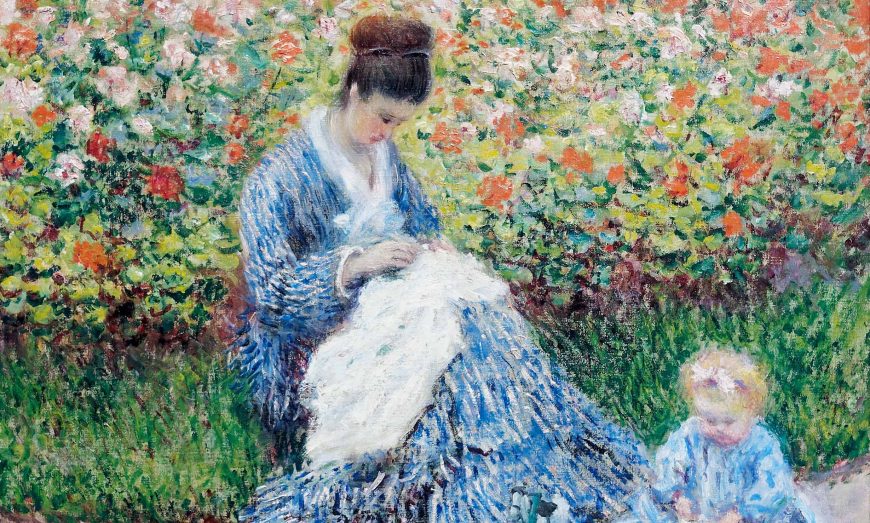
Impressionism as optical realism: Monet
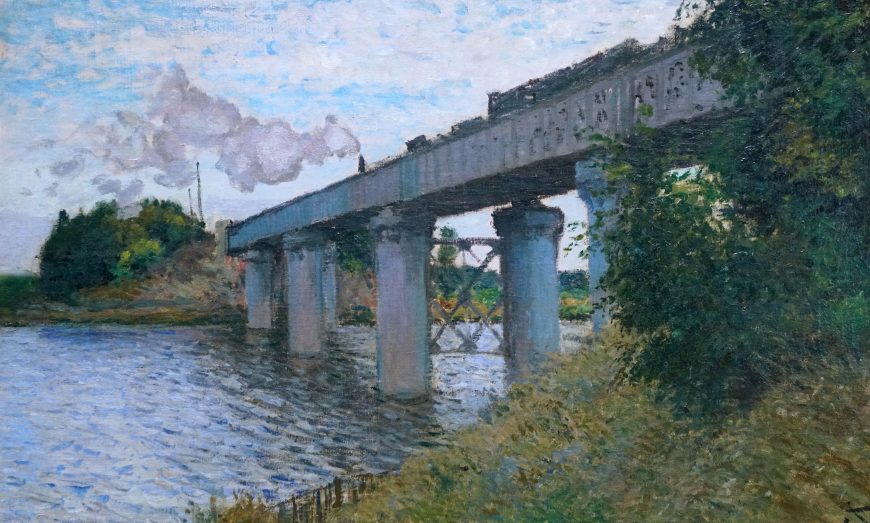
Impressionism: painting modern life
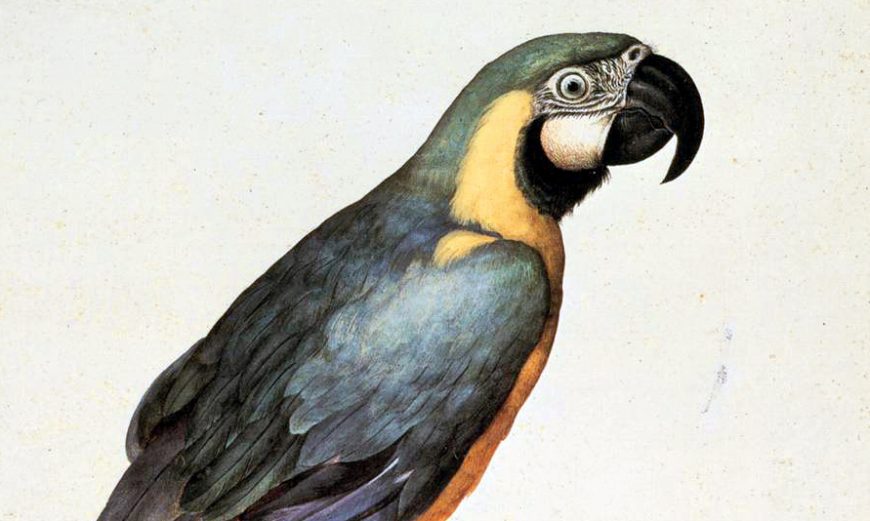
The Medici collect the Americas
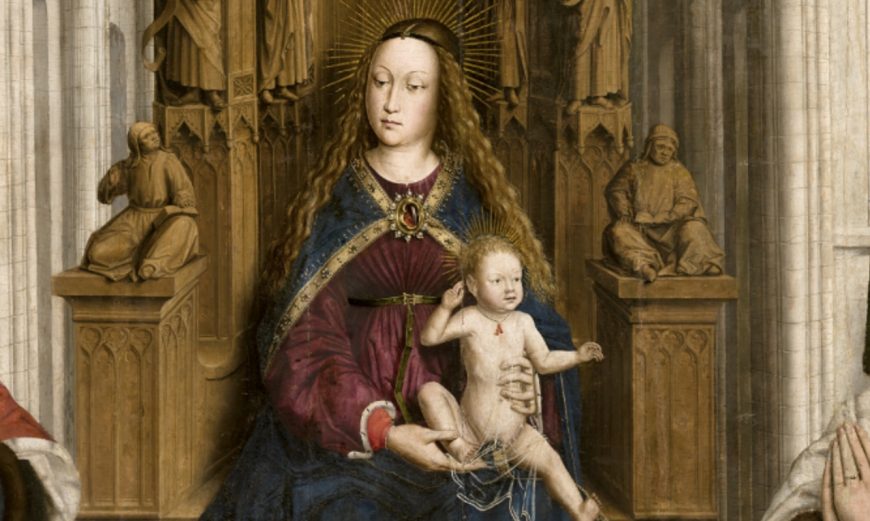
15th-century Spanish painting, an introduction
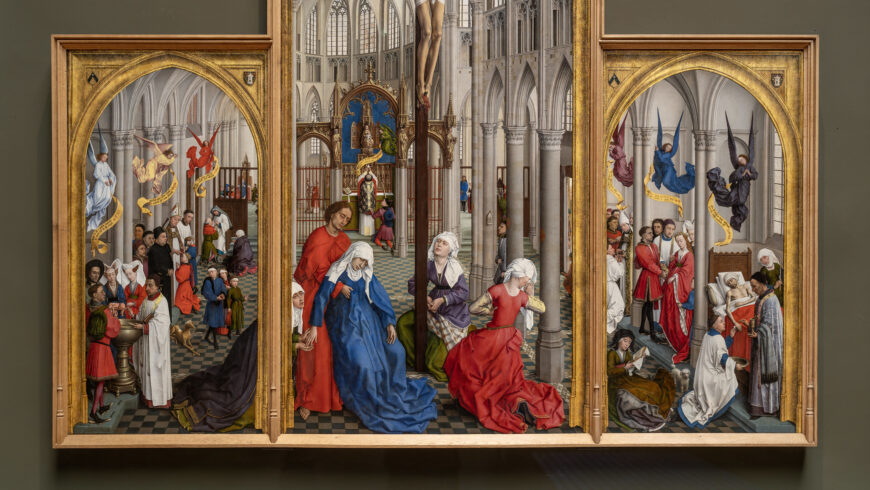
The Medieval and Renaissance Altarpiece
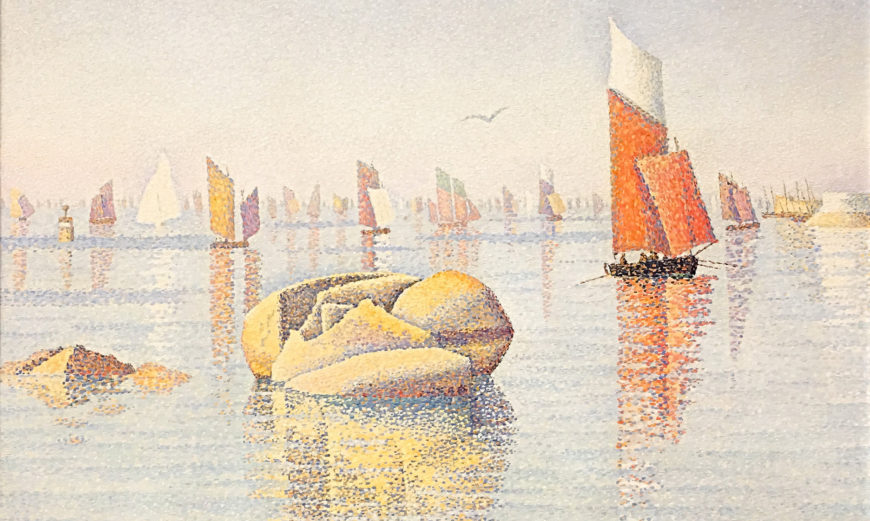
Neo-Impressionist Color Theory
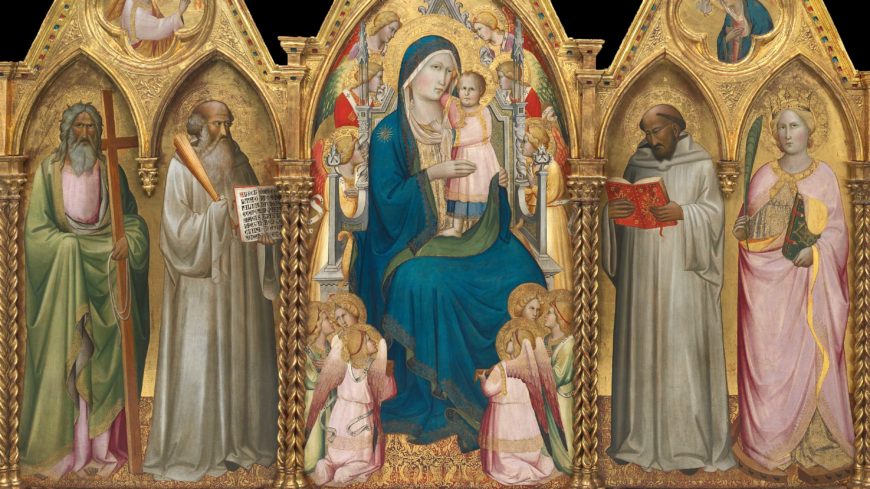
Who’s who? How to recognize saints…
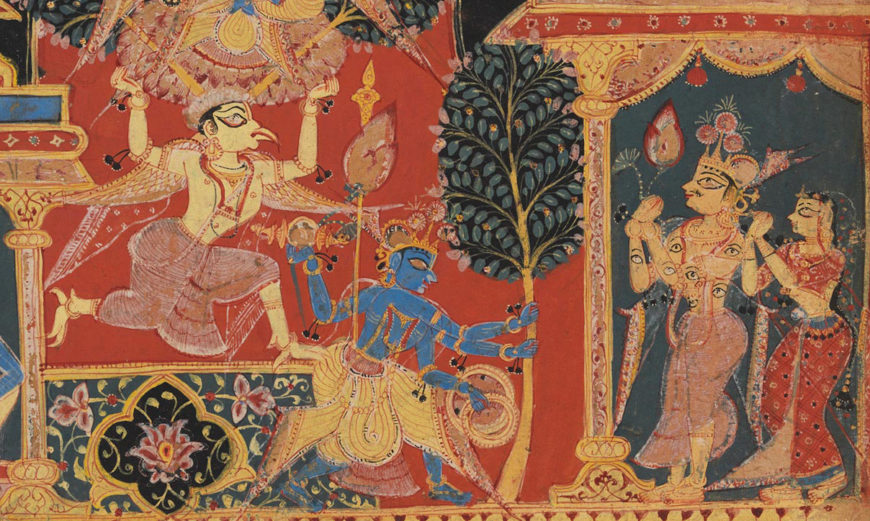
Visions of Paradise in a Global Middle Ages
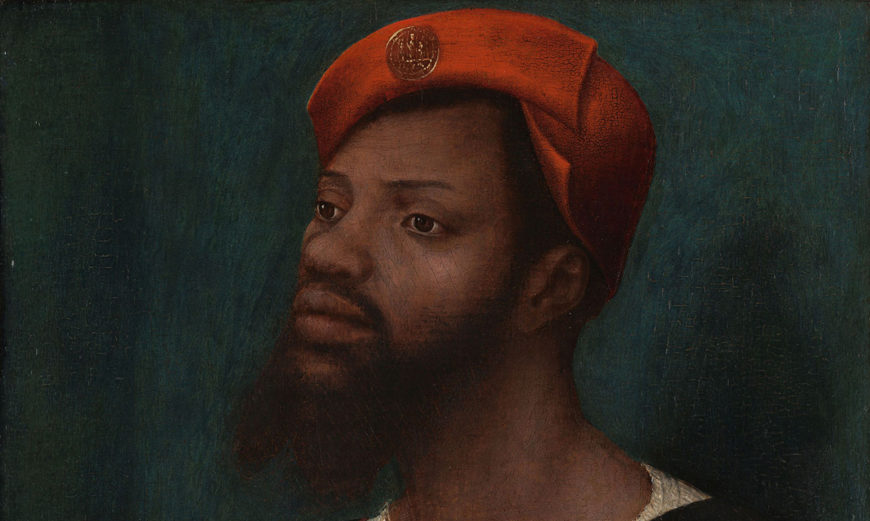
Africa in the European imagination
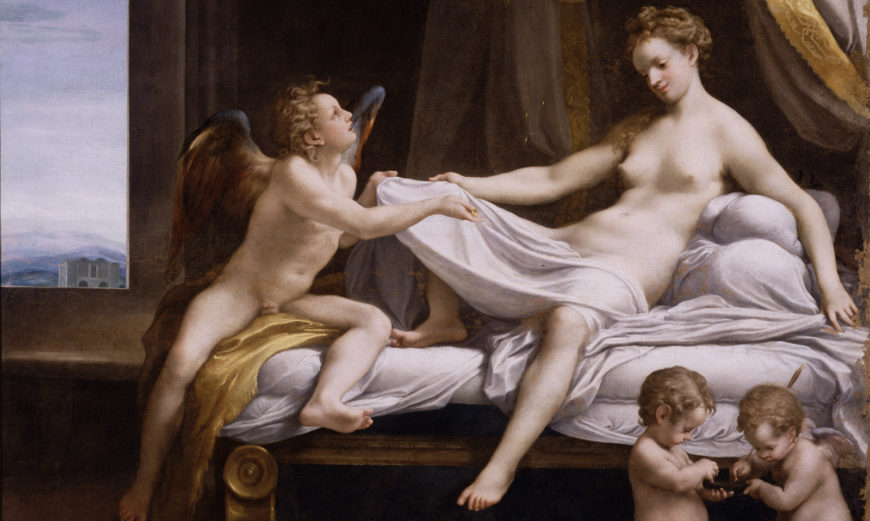
Sex, Power, and Violence in the Renaissance Nude
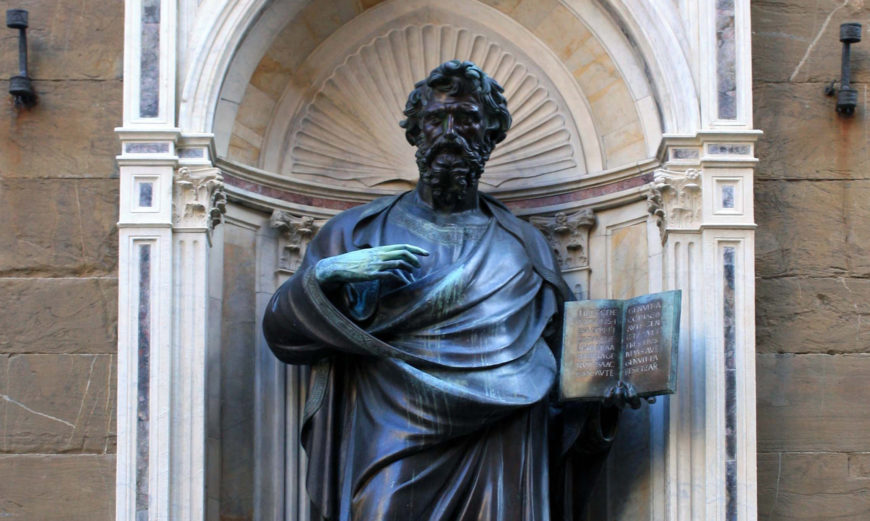
Types of renaissance patronage
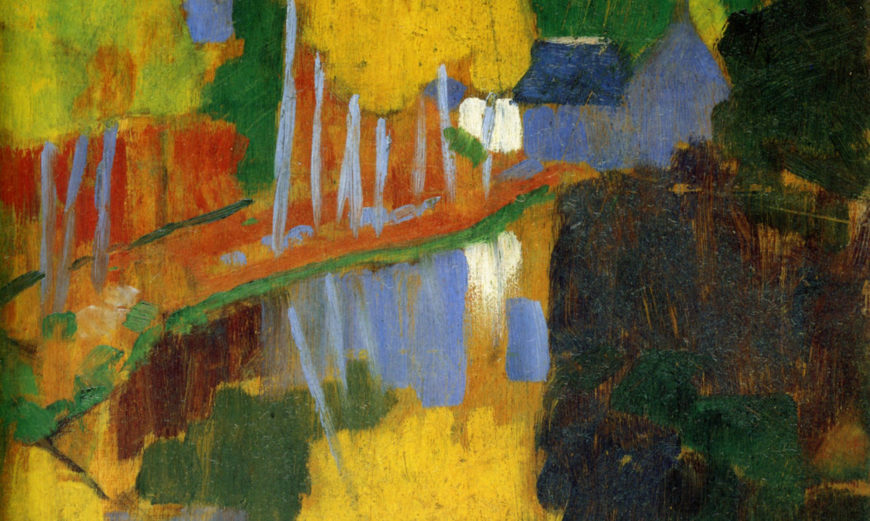
The Pont-Aven School and Synthetism
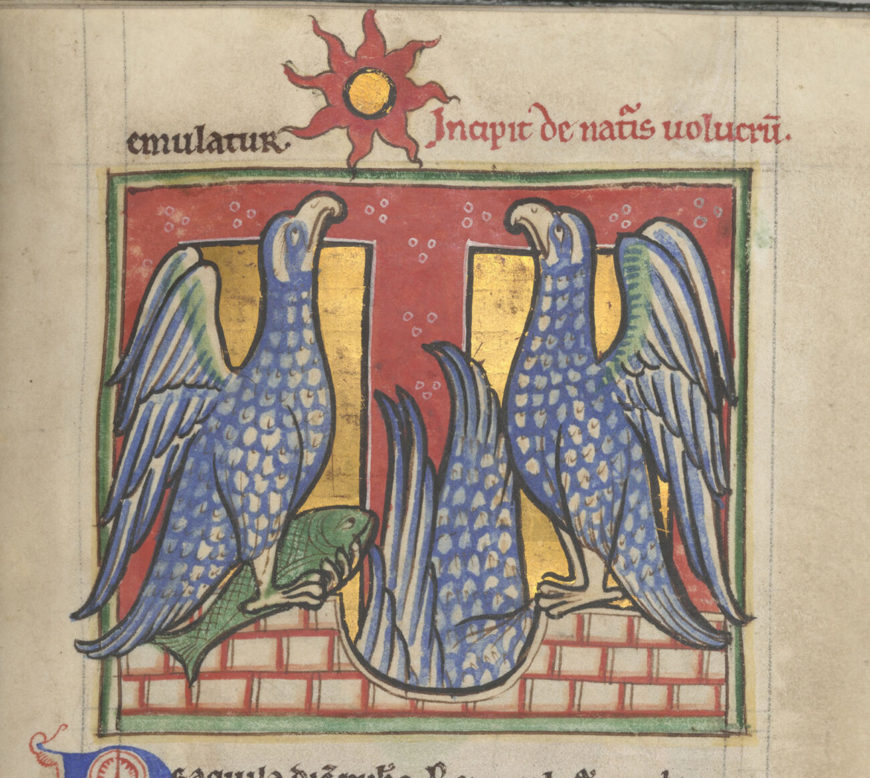
The bestiary (book of beasts) in the medieval world, an introduction
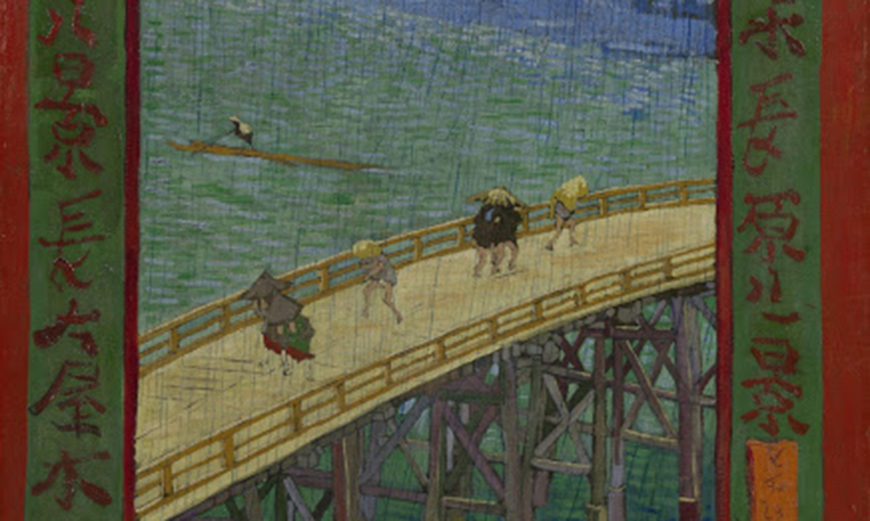
Japonisme
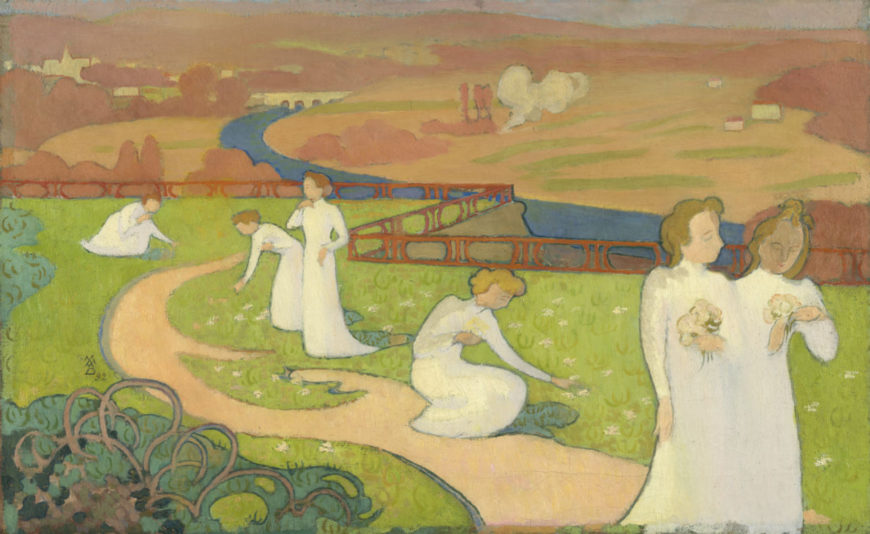
The Nabis and decorative art
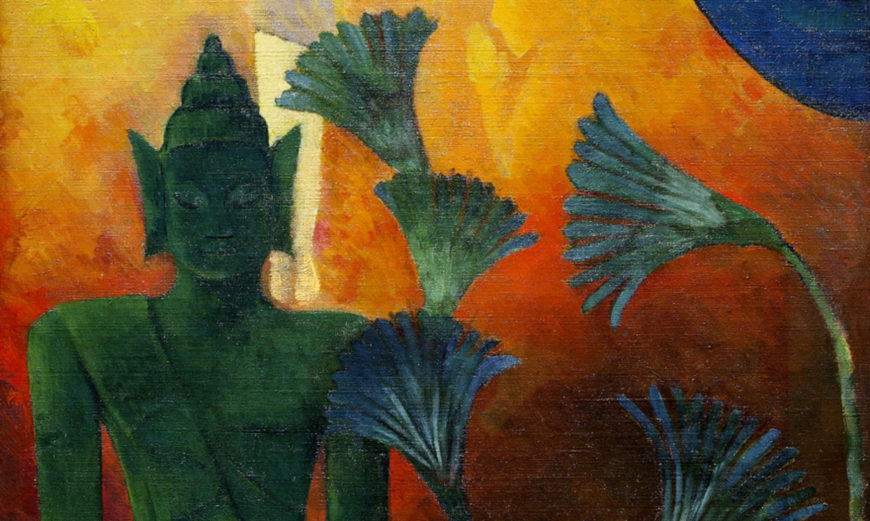
The Nabis and Symbolism
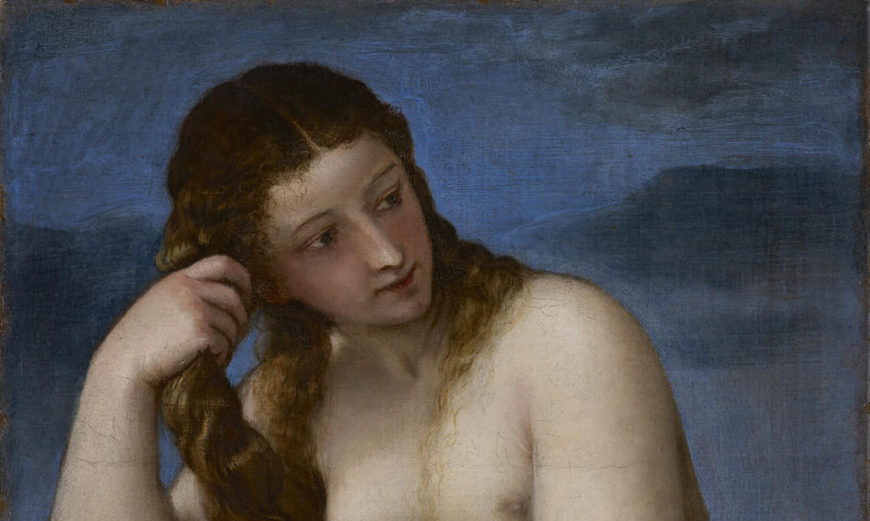
Confronting power and violence in the renaissance nude
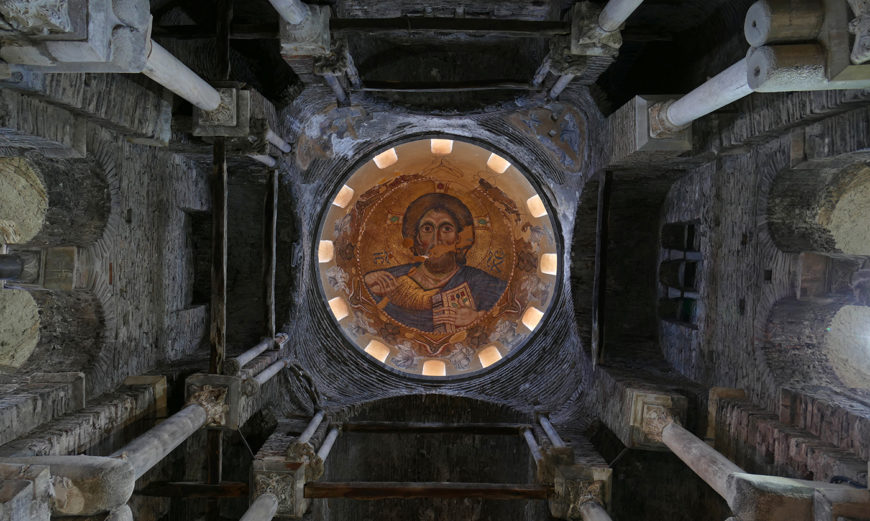
Byzantine architecture and the Fourth Crusade
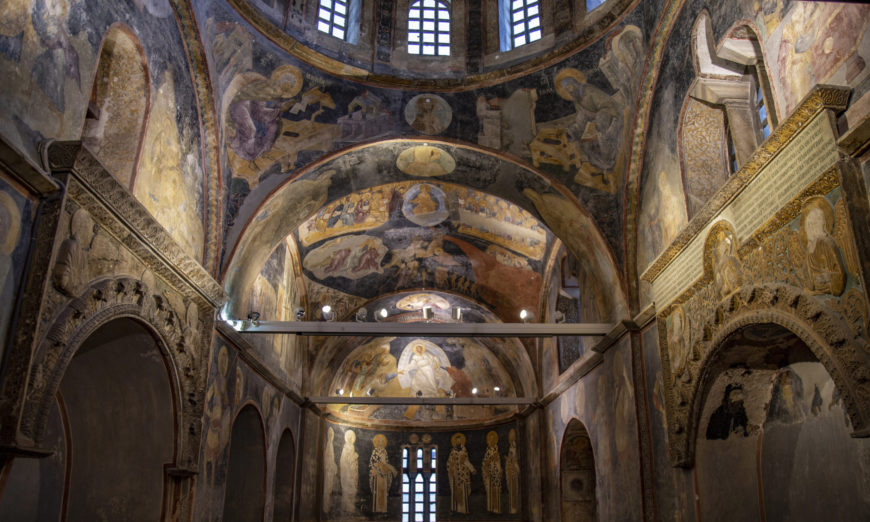
Late Byzantine church architecture
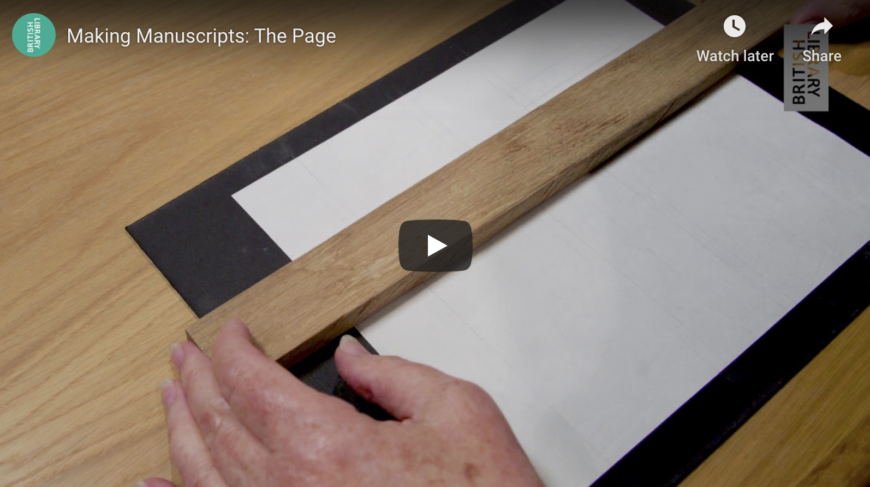
Making Manuscripts: The Page
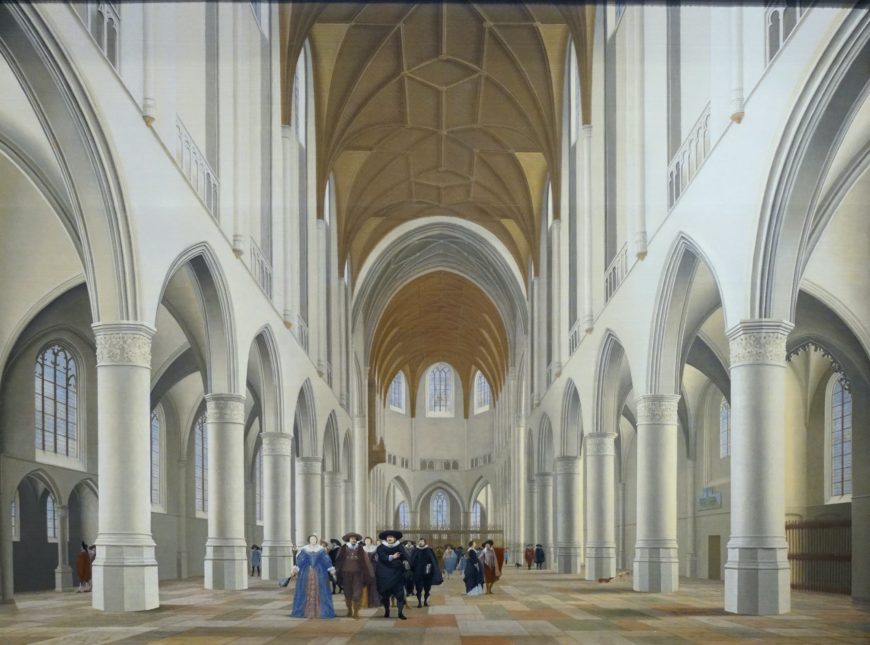
Iconoclasm in the Netherlands in the 16th century
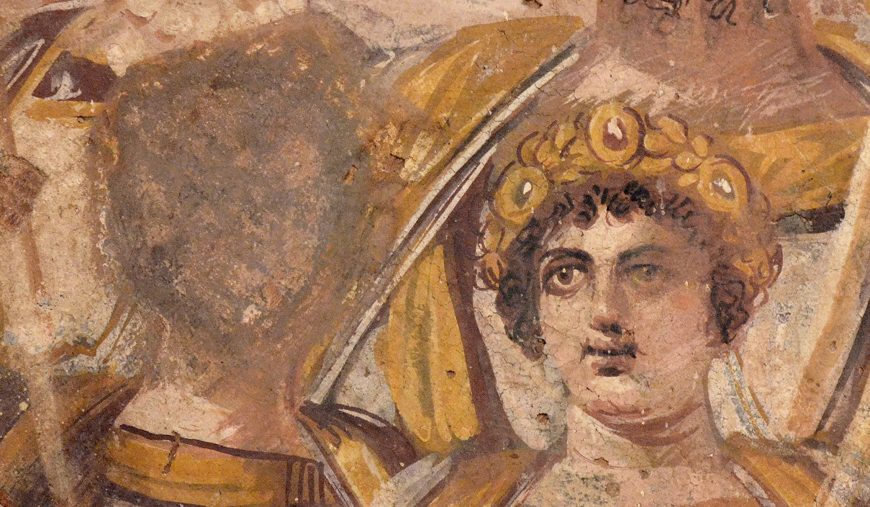
Rewriting history: damnatio memoriae in ancient Rome
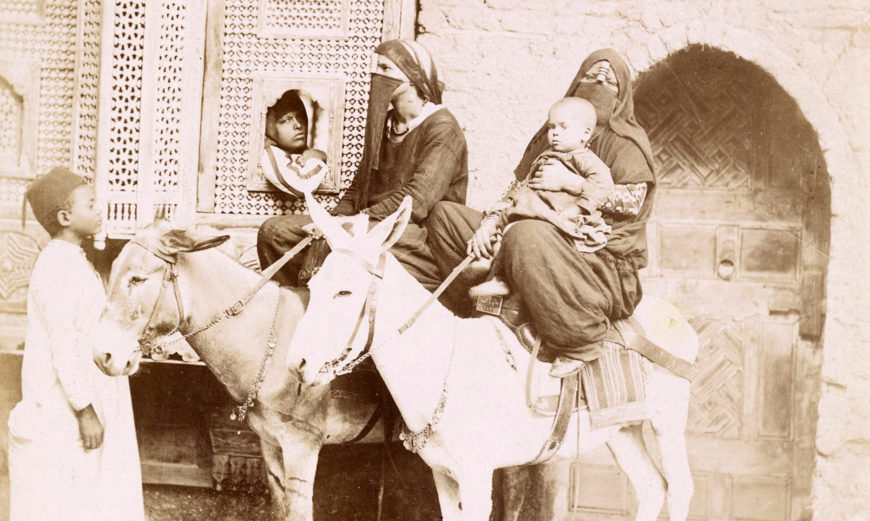
Staging the Egyptian harem for Western eyes
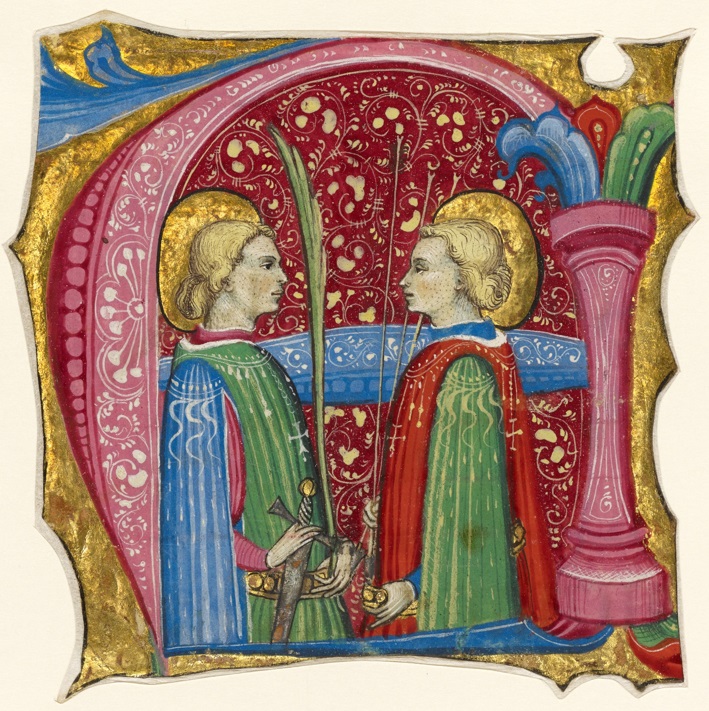
Coming Out: Queer Erasure and Censorship from the Middle Ages to Modernity

The formation of a French school: the Royal Academy of Painting and Sculpture
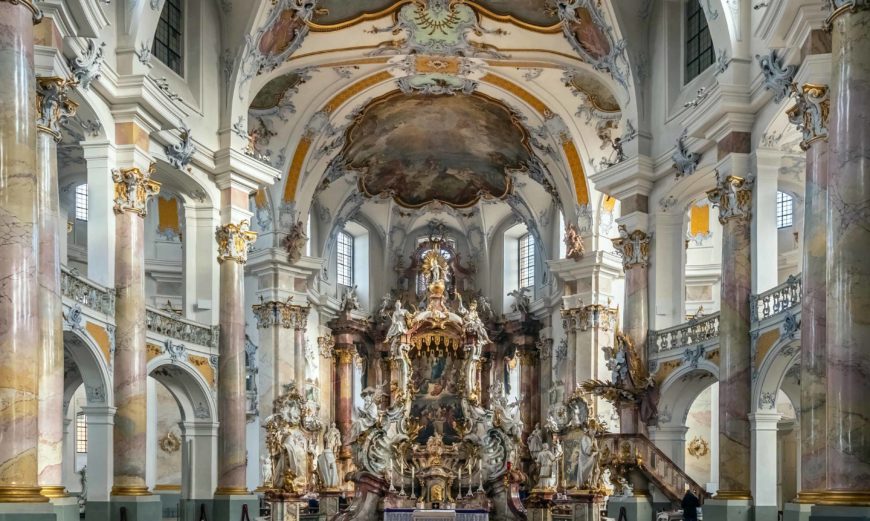
Architecture in 18th-century Germany
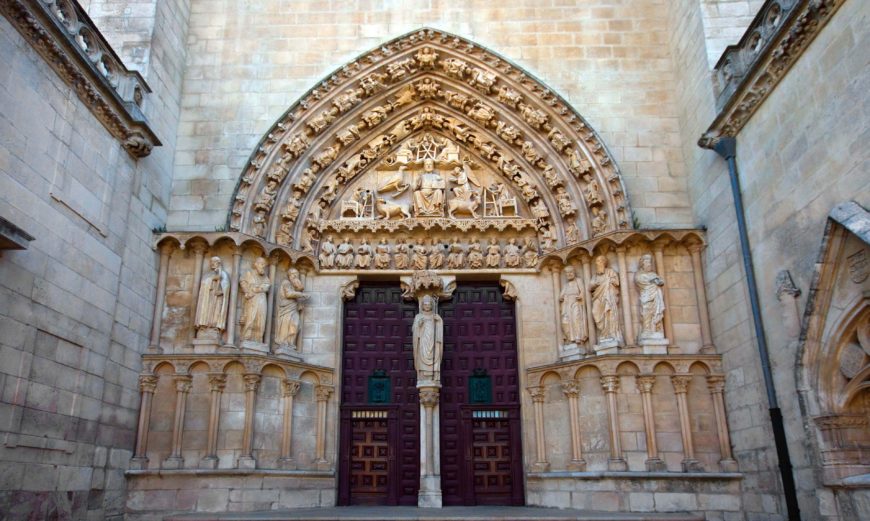
Spanish Gothic cathedrals, an introduction
Tiny timeline: global Europe

Napoleon’s appropriation of Italian cultural treasures
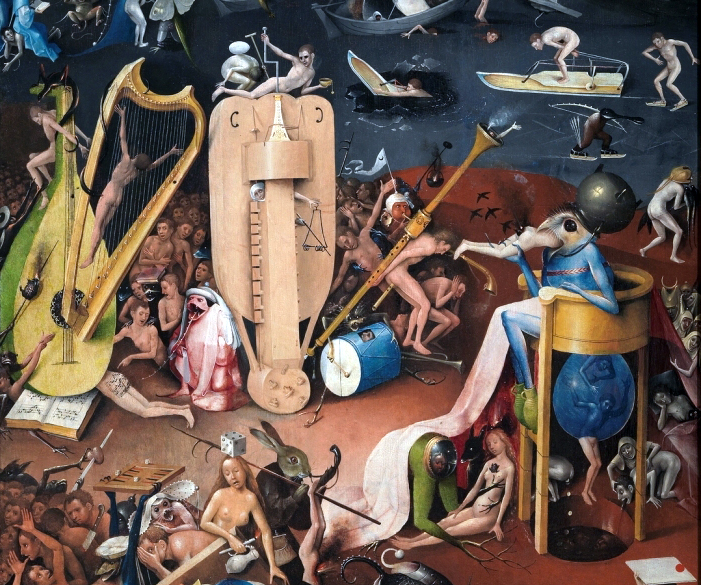
Musical imagery in the Global Middle Ages
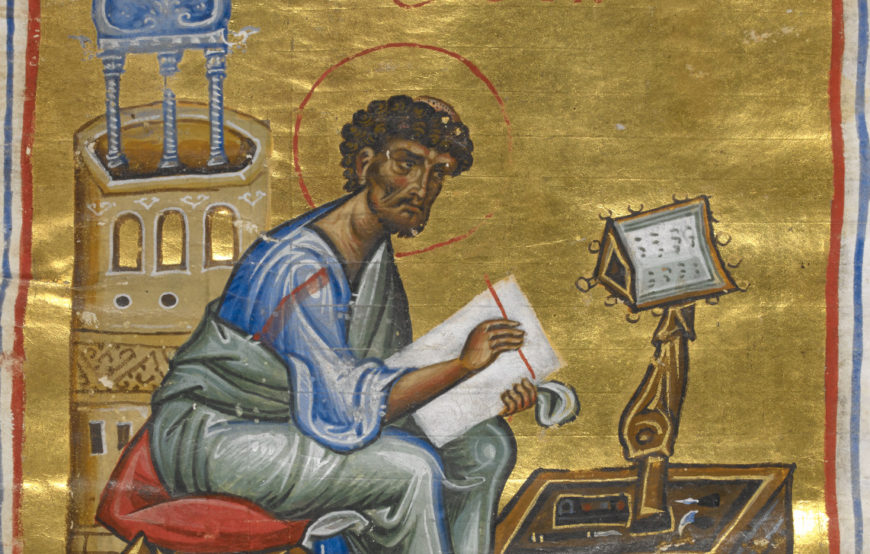
Illuminated Greek Gospel-books
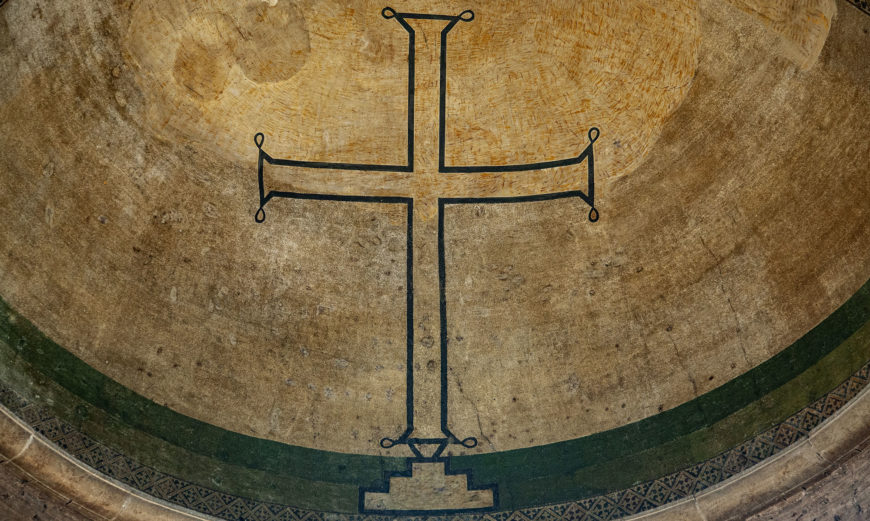
Byzantine Iconoclasm and the Triumph of Orthodoxy
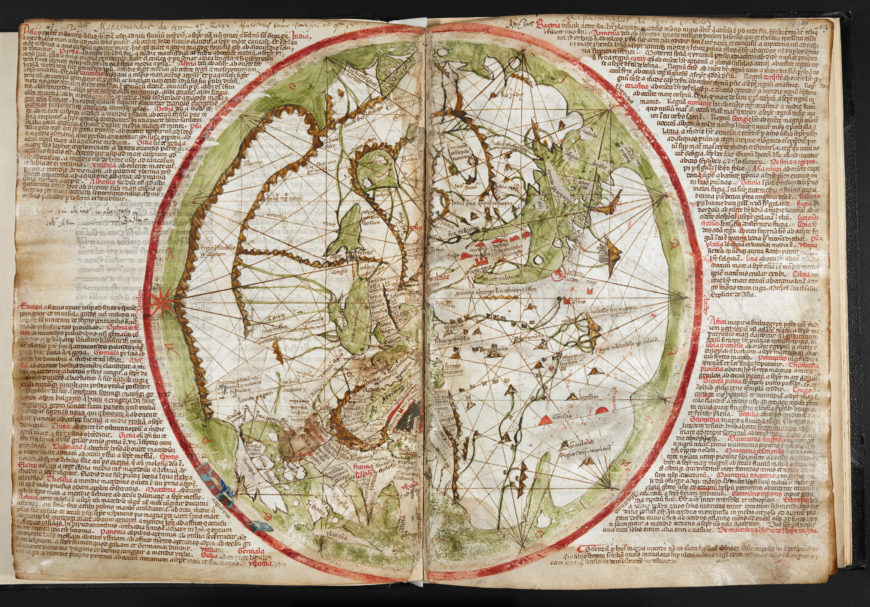
Travel, trade and exploration in the Middle Ages
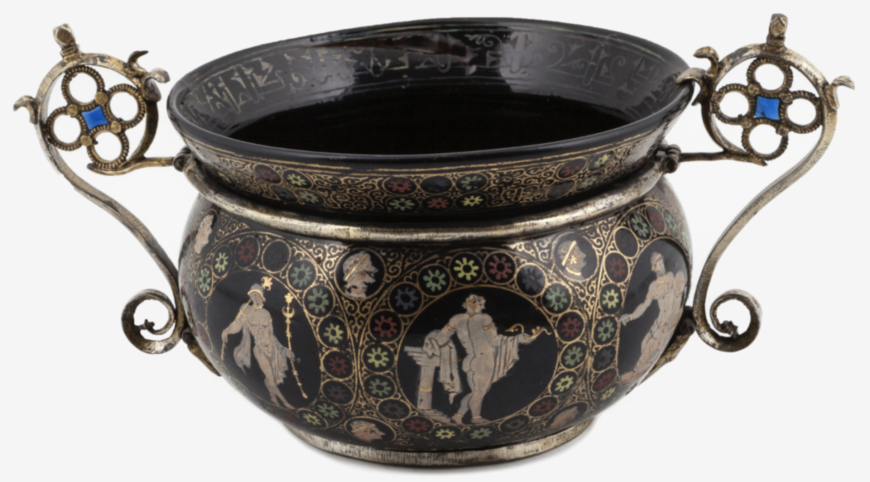
Middle Byzantine secular art
Maria Sibylla Merian, an introduction
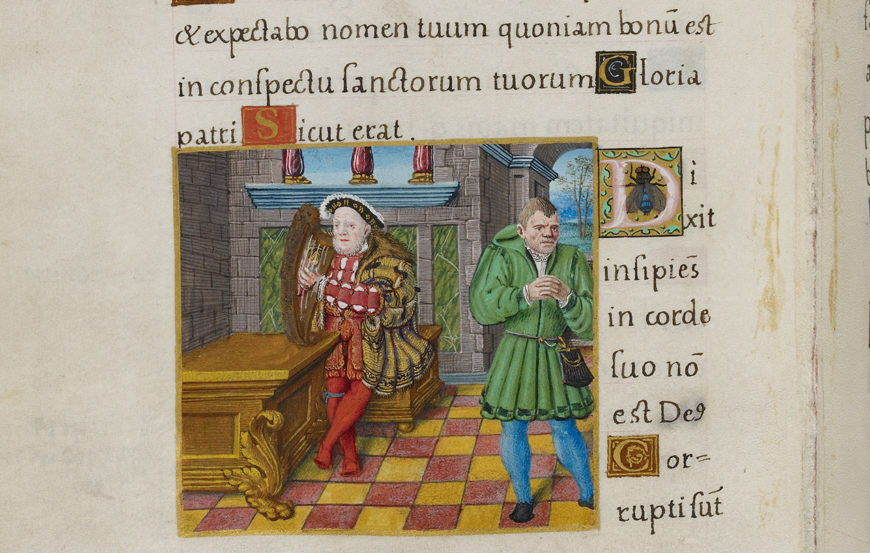
Henry VIII and the Reformation
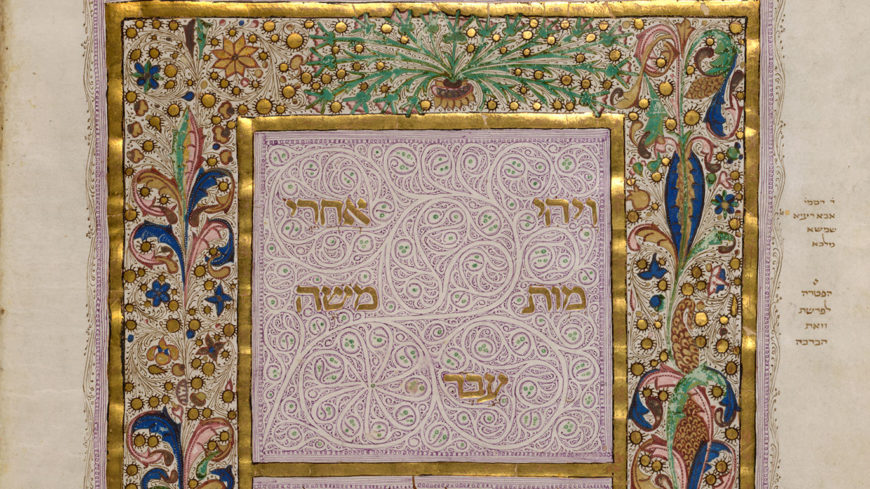
Illumination of Jewish biblical texts
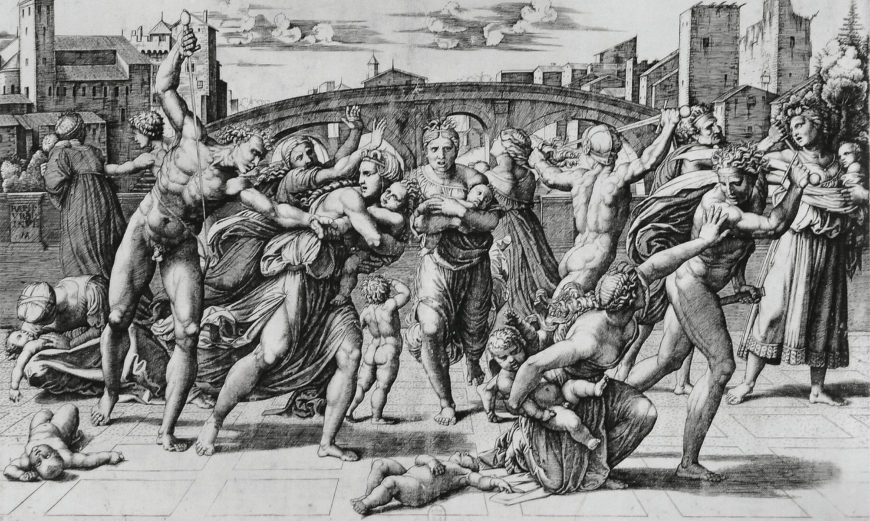
The role of the workshop in Italian renaissance art
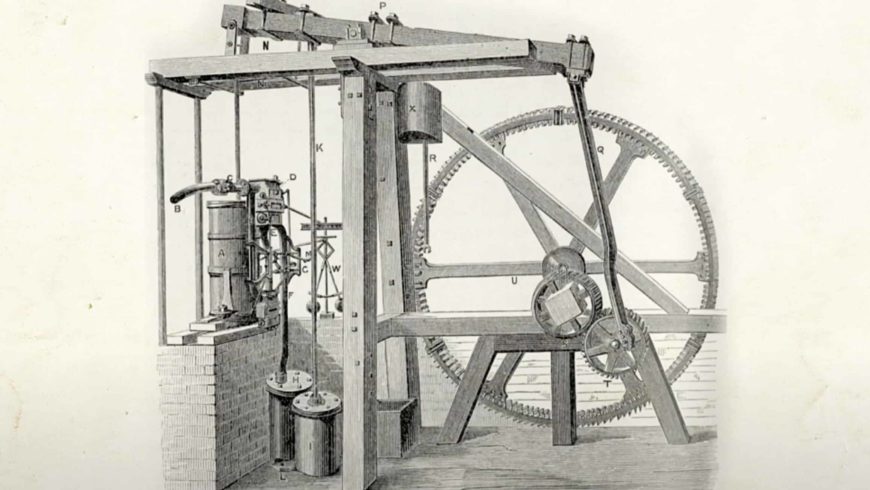
What was the Industrial Revolution?
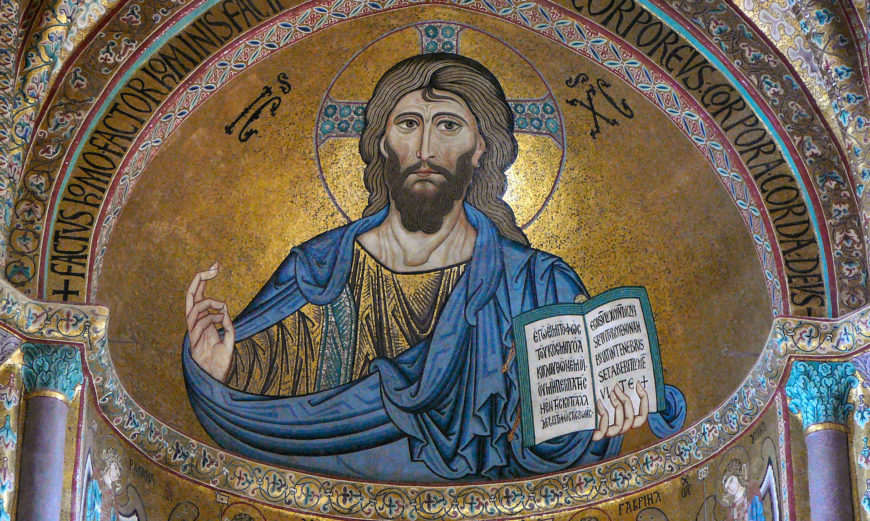
The visual culture of Norman Sicily
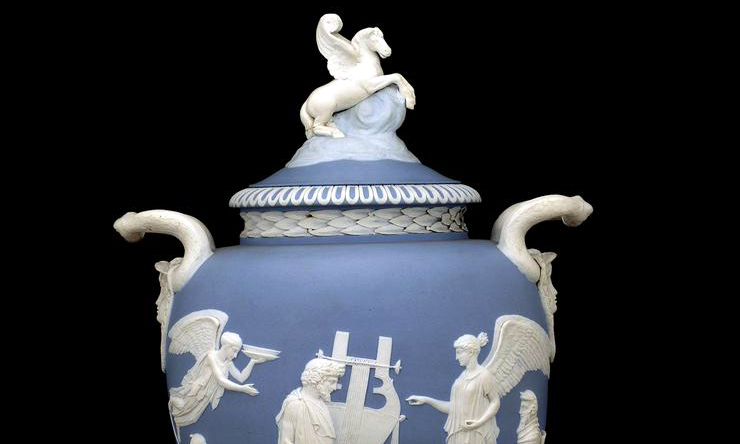
Josiah Wedgwood: tycoon of taste
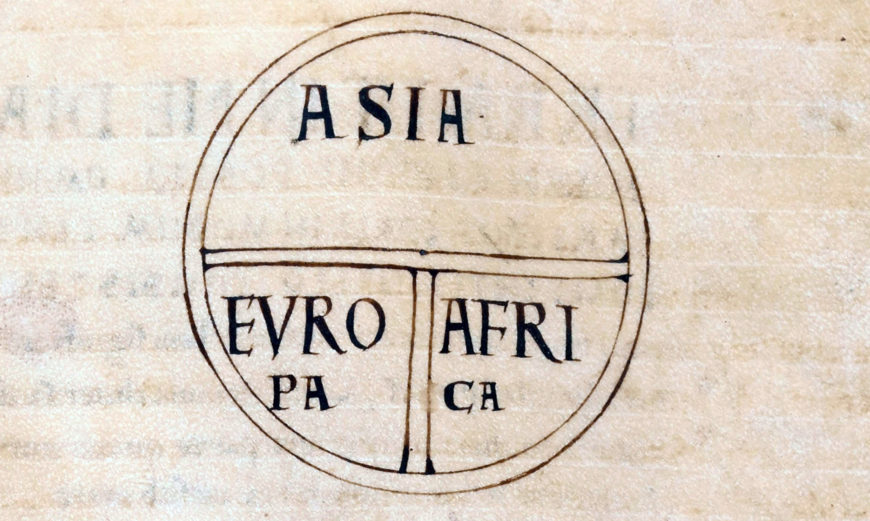
Mapping the world
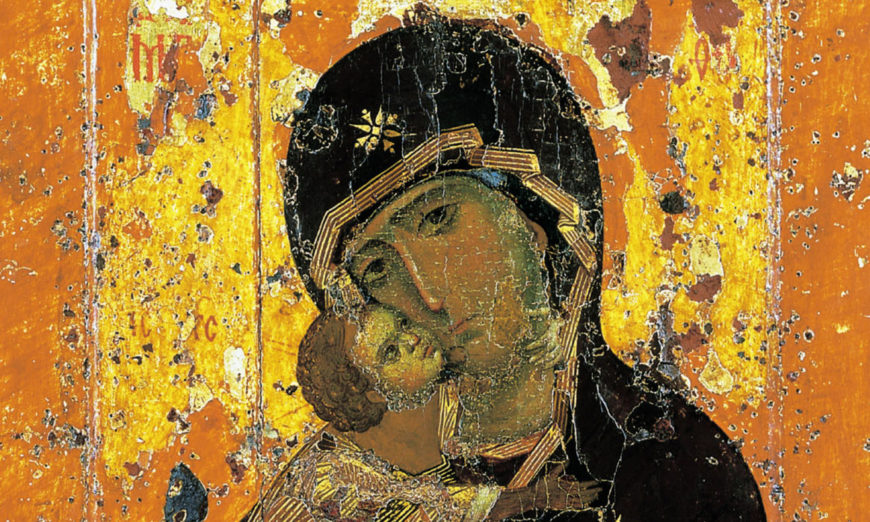
Byzantium, Kyivan Rus’, and their contested legacies
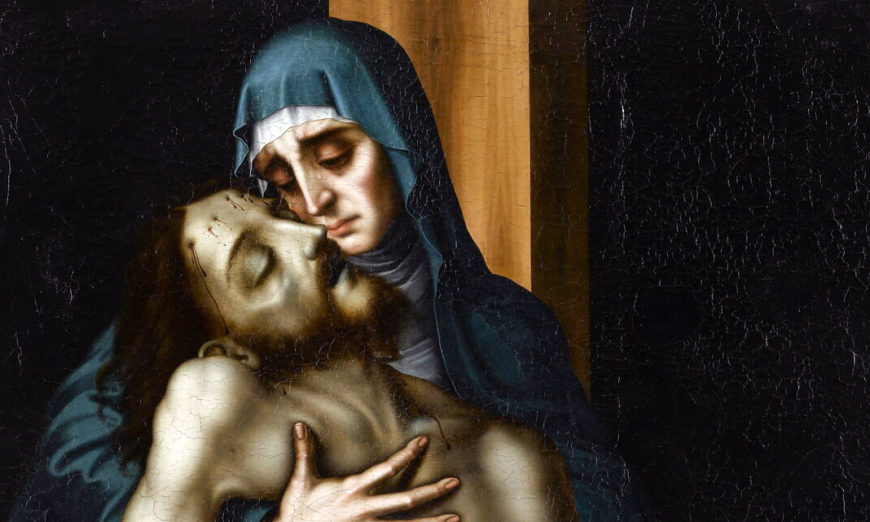
The Council of Trent and the call to reform art
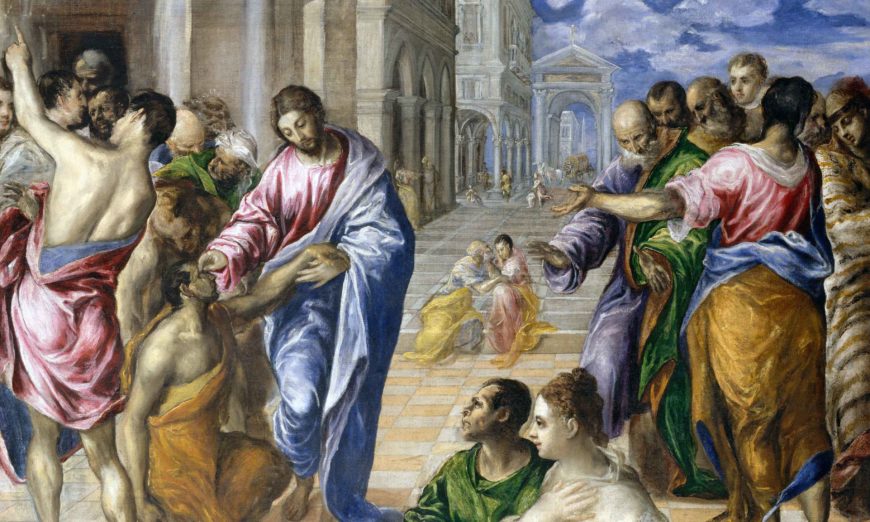
Greek painters in renaissance Venice
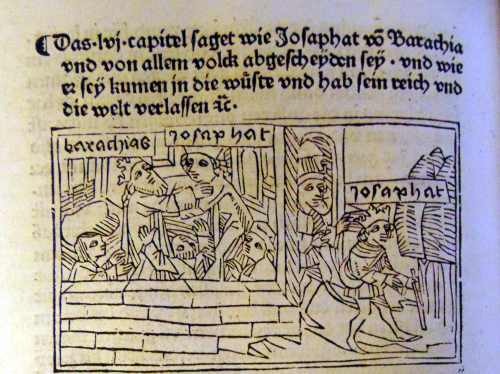
The Buddha’s long “journey” to Europe and Africa
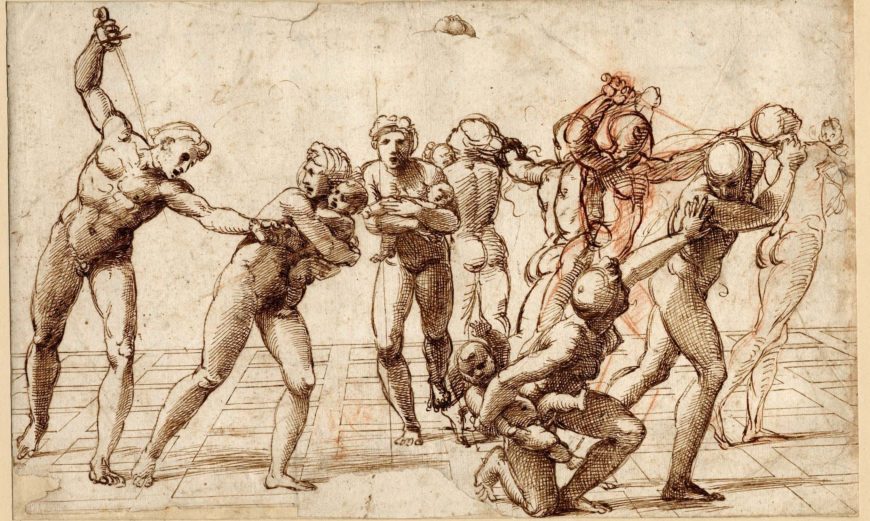
Preparatory drawing during the Italian renaissance, an introduction

Humanism in renaissance Italy
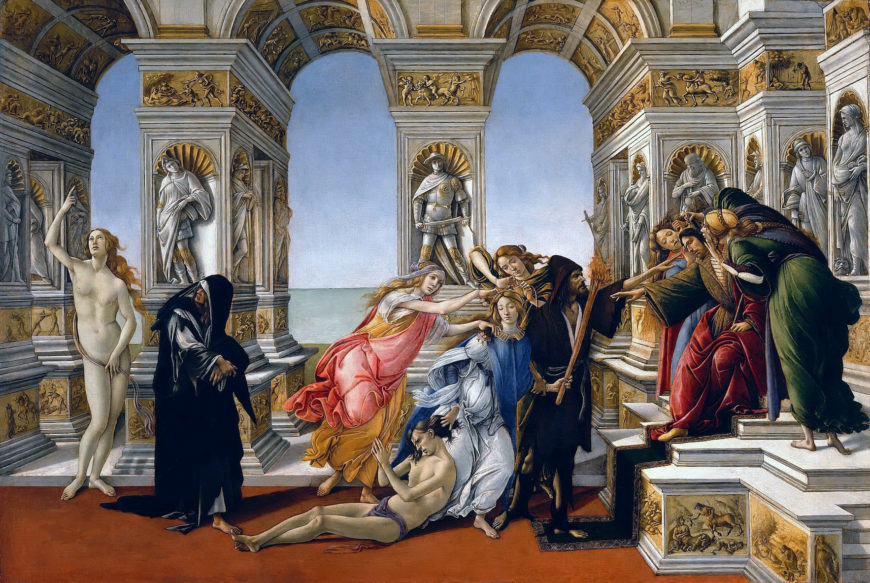
Humanism in Italian renaissance art
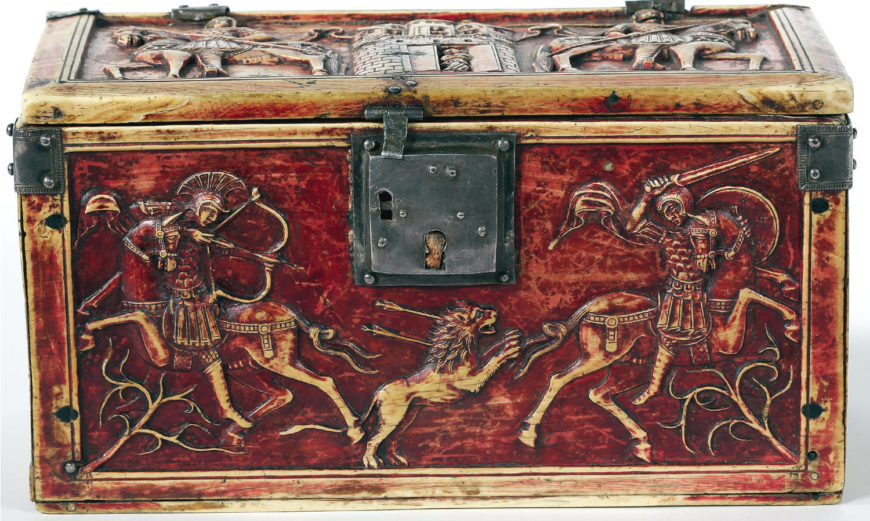
Cross-cultural artistic interaction in the Middle Byzantine period
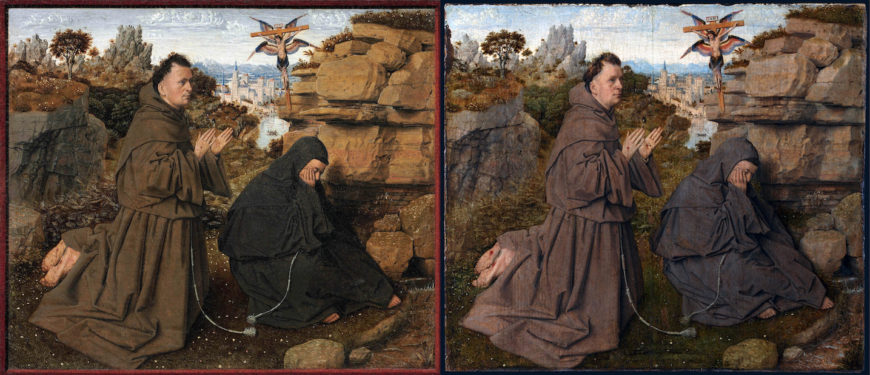
The role of the workshop in late medieval and early modern northern Europe
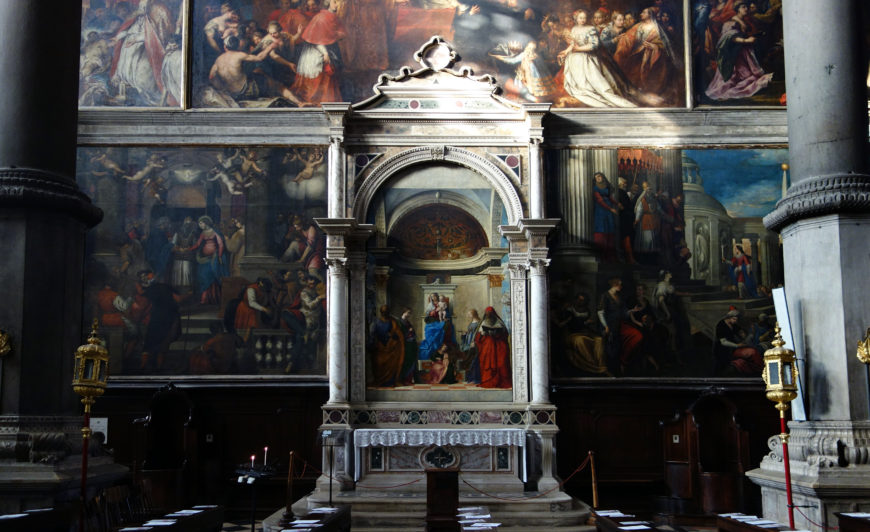
A primer for Italian renaissance art
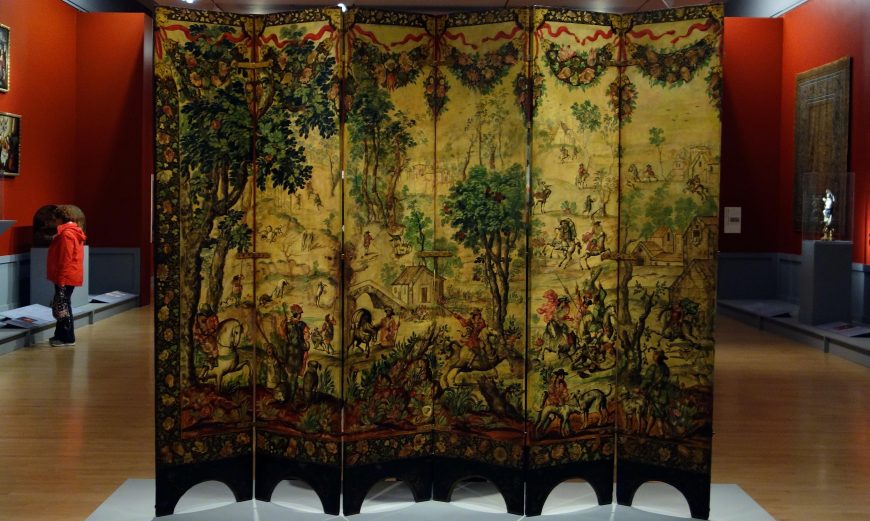
The global Baroque, an introduction
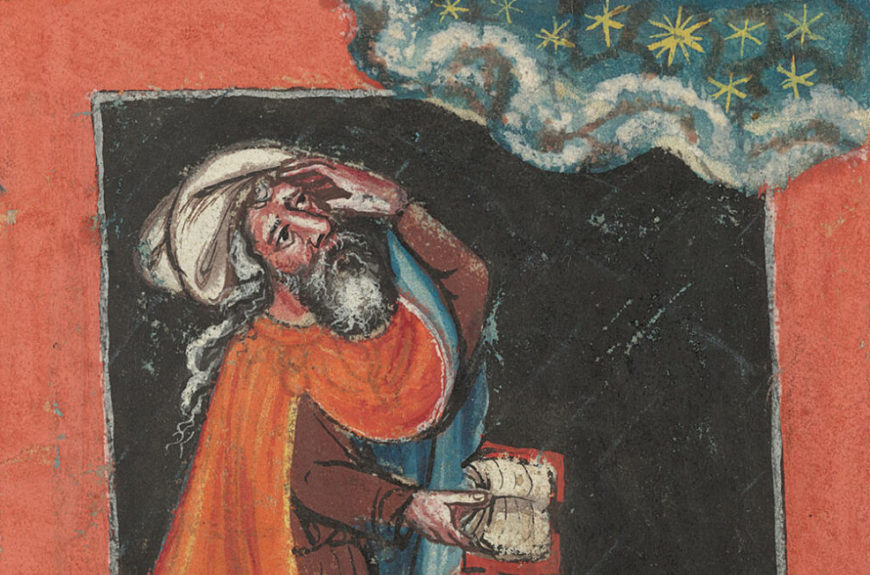
Written in the Stars: Astronomy and Astrology in Medieval Manuscripts

The rise and fall of the Avis dynasty in Portugal, an introduction
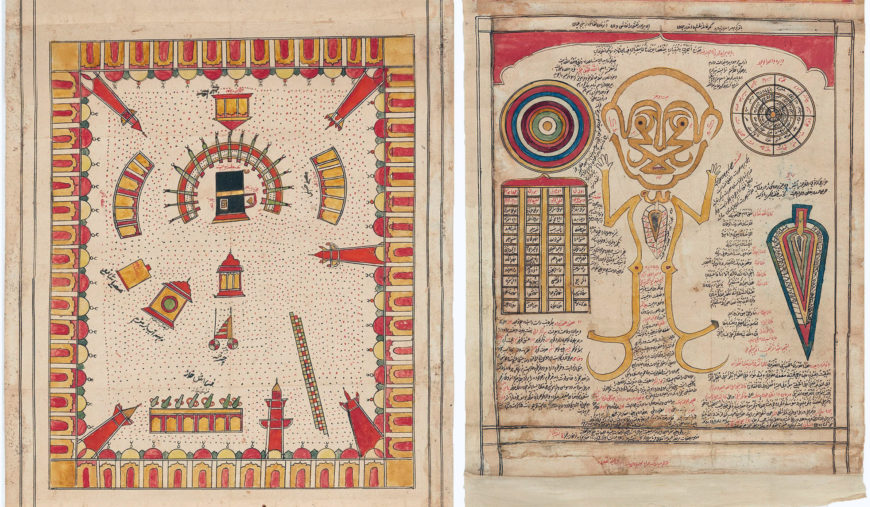
Pilgrimage souvenirs
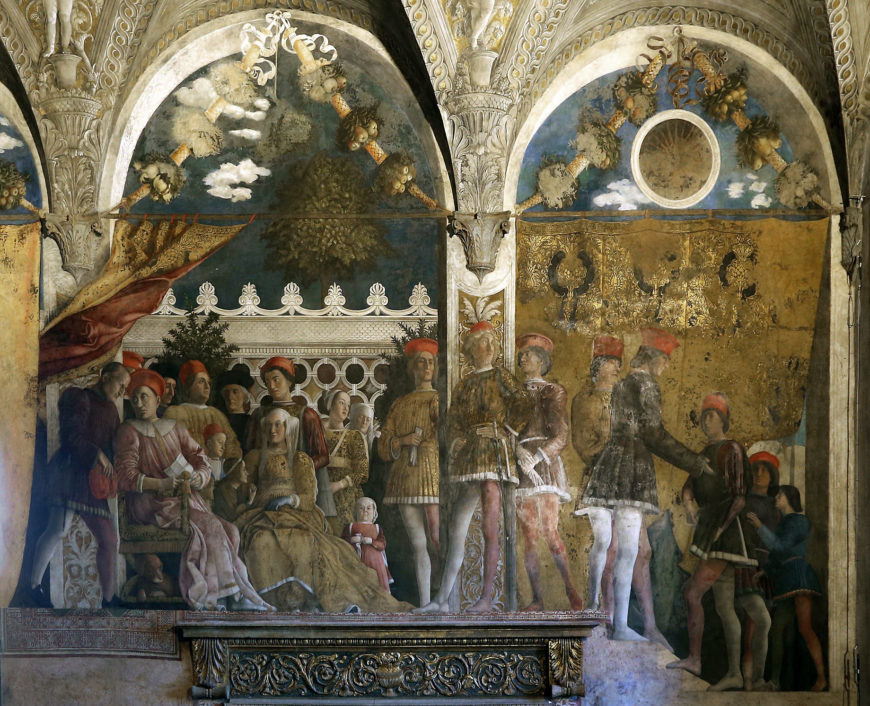
The Italian renaissance court artist
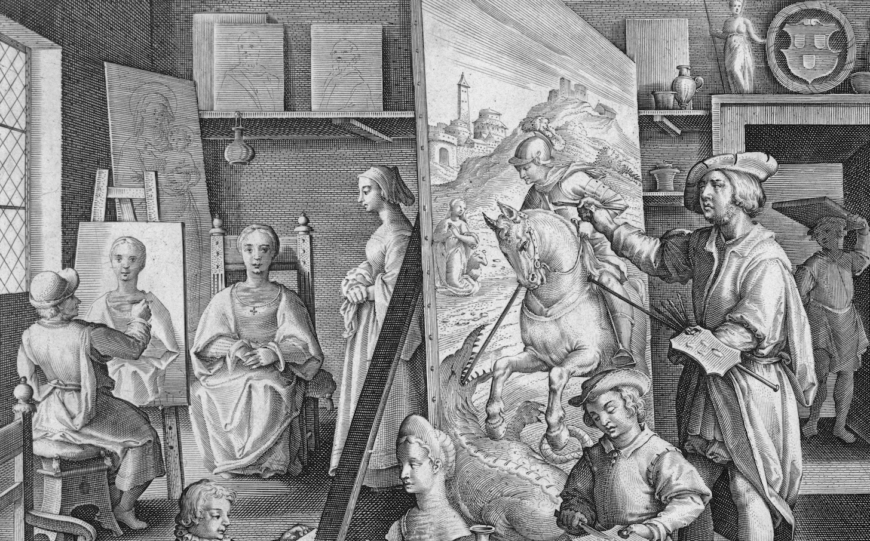
The status of the artist in renaissance Italy
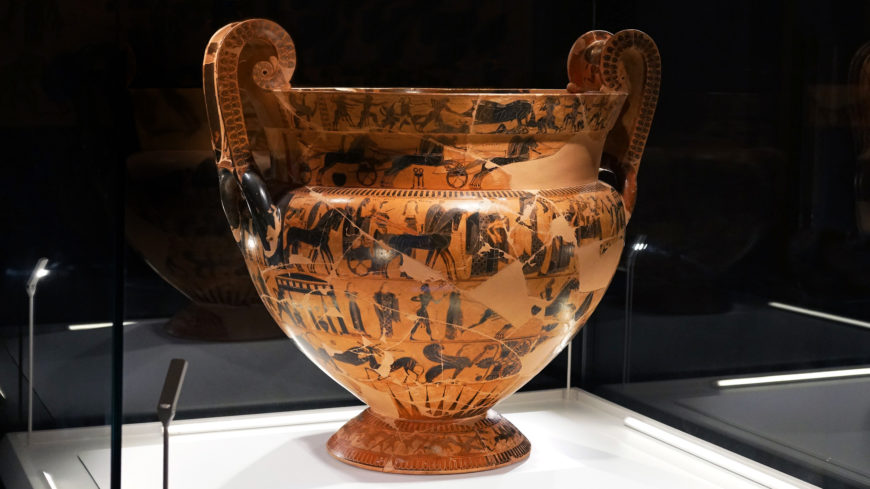
Making Greek vases
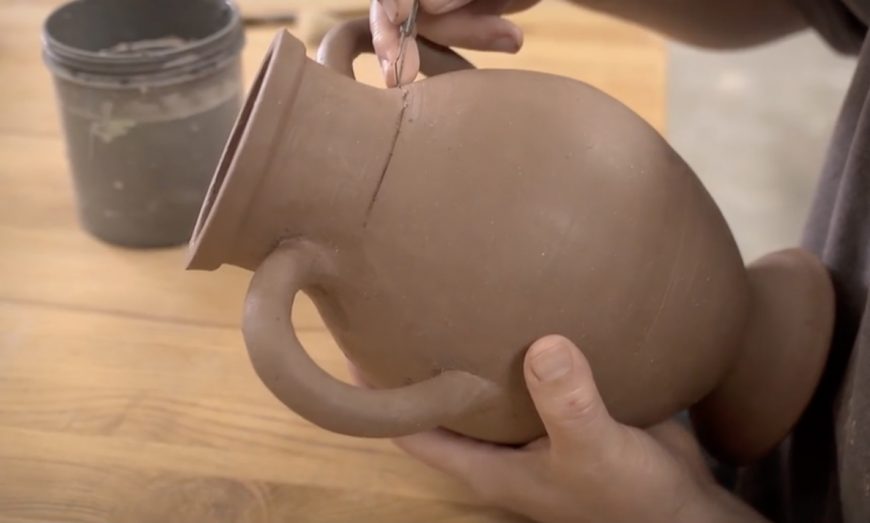
Ancient Greek vase production and the black-figure technique
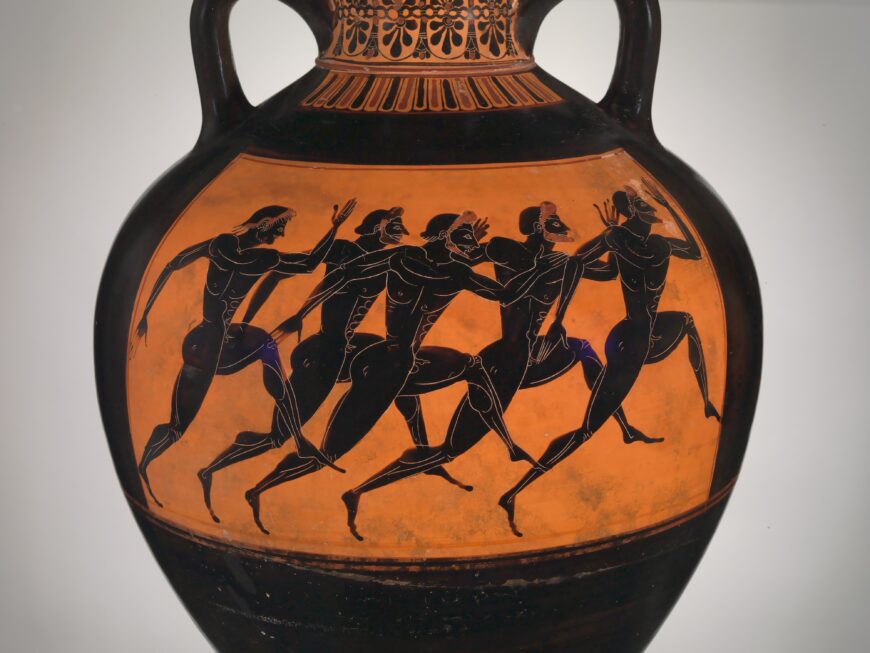
Olympic games
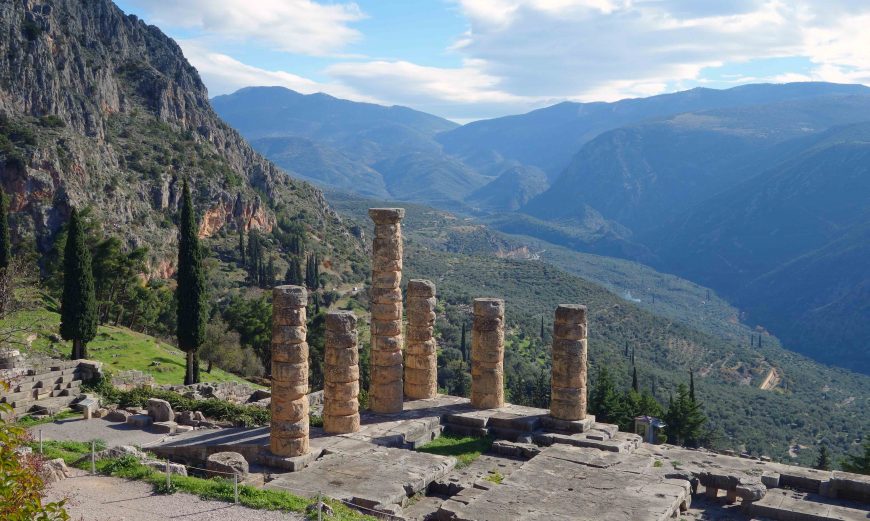
Greek sanctuaries as artistic hubs
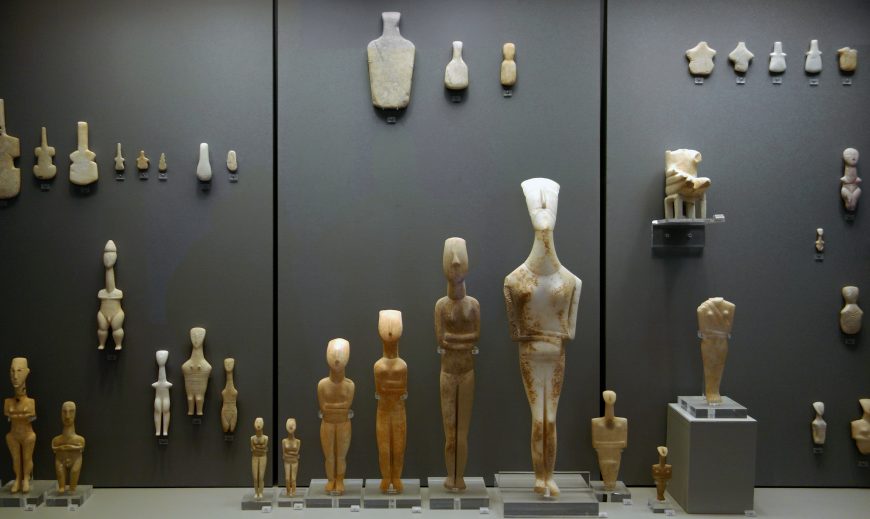
Cycladic art, an introduction
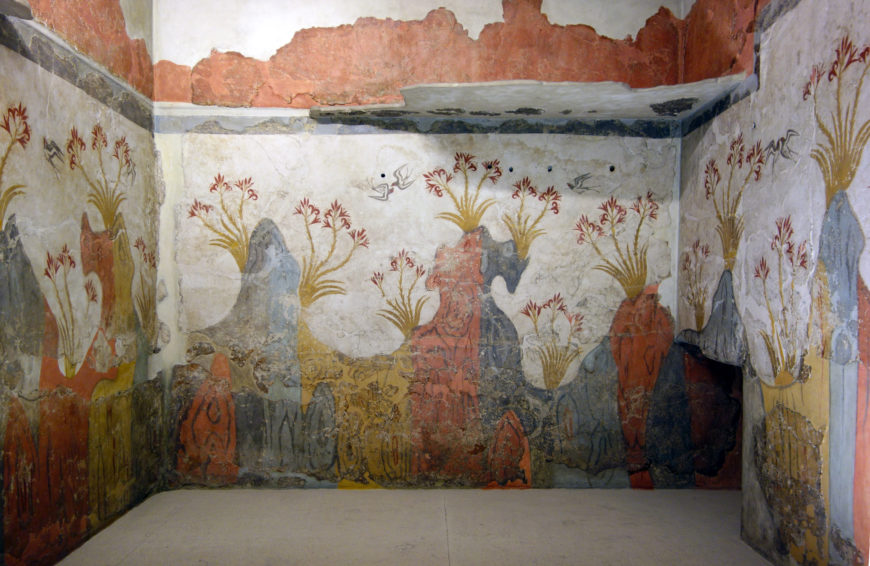
Minoan art, an introduction
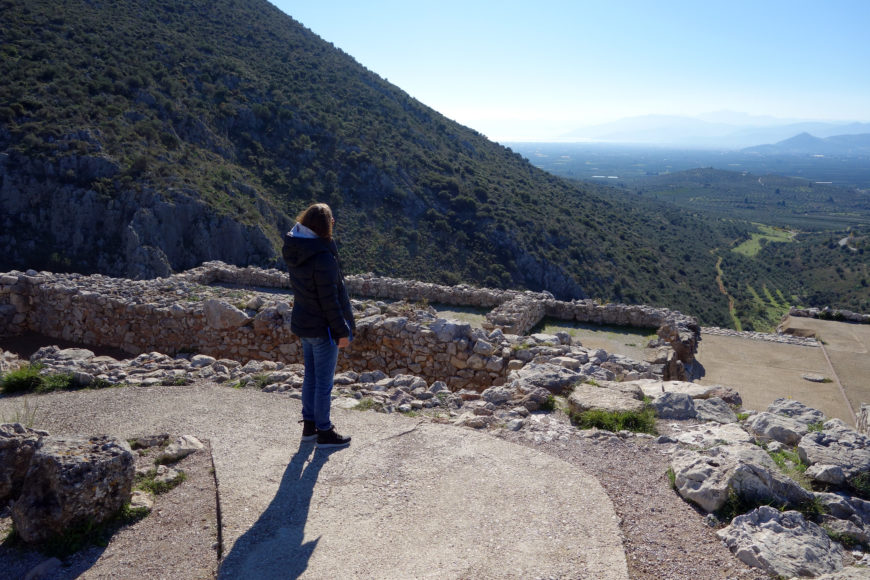
Mycenaean art, an introduction
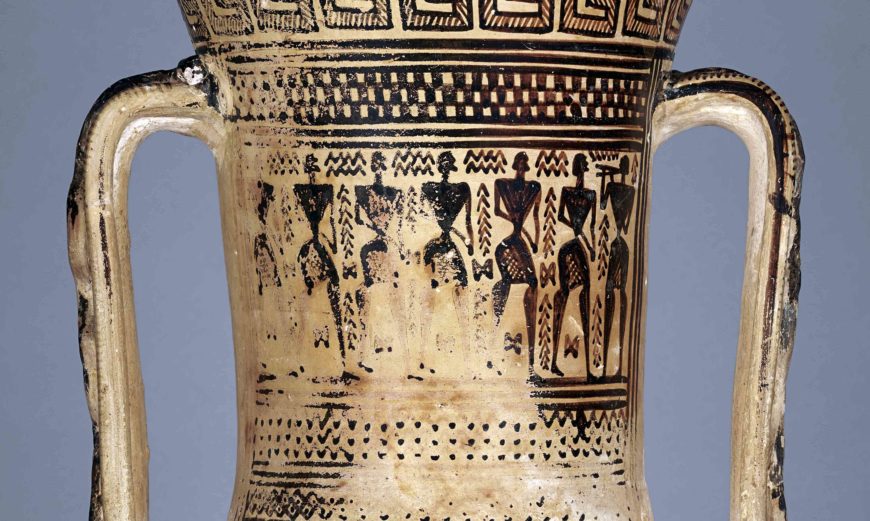
Commemorating the Dead in Greek Geometric Art
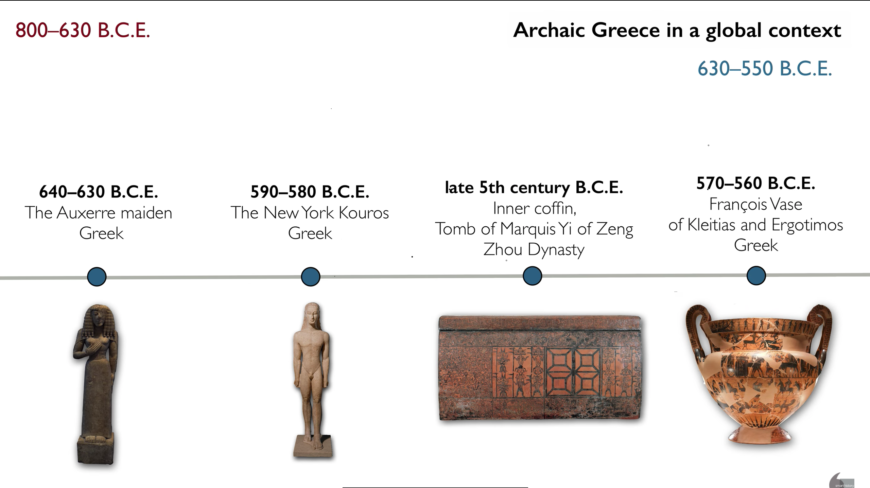
Tiny timeline: Archaic Greece in a global context
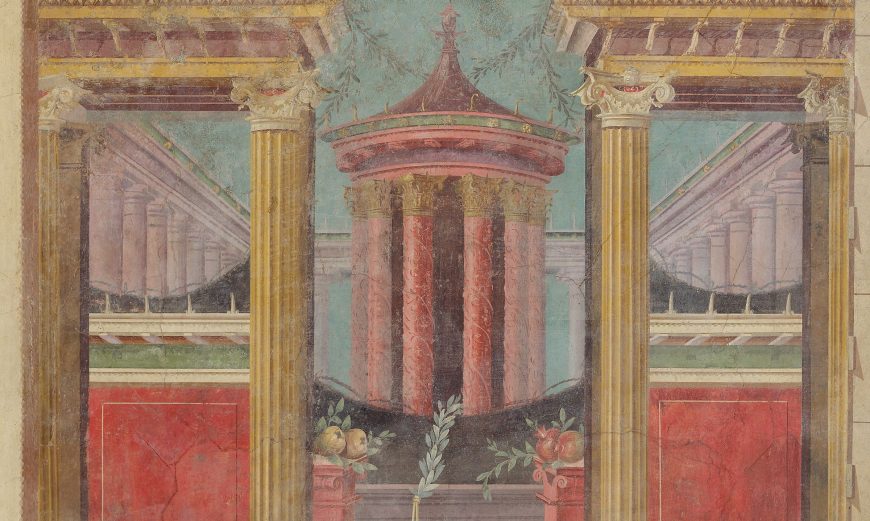
Roman wall painting styles
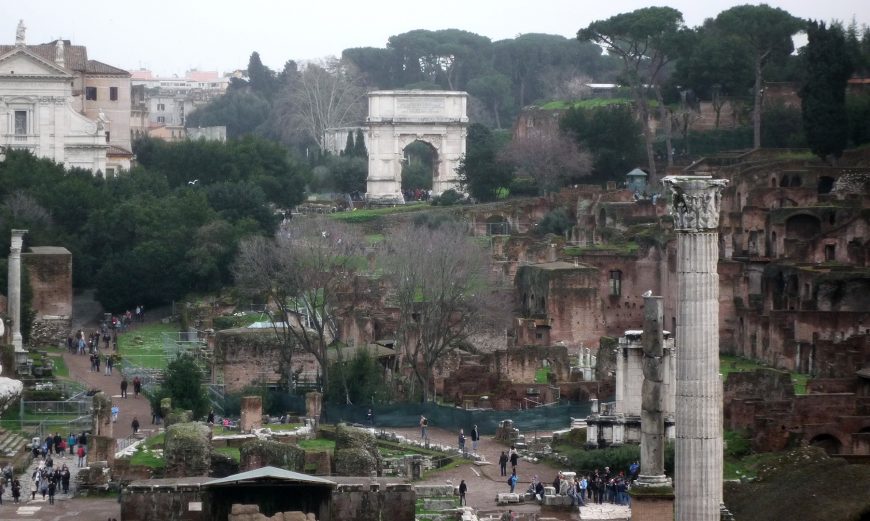
Digging through time: Archaeology in Rome
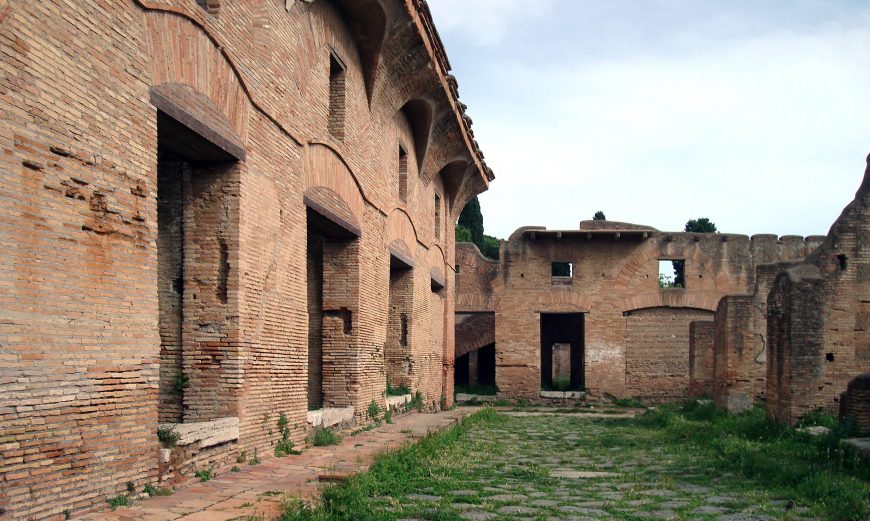
Roman domestic architecture: the insula
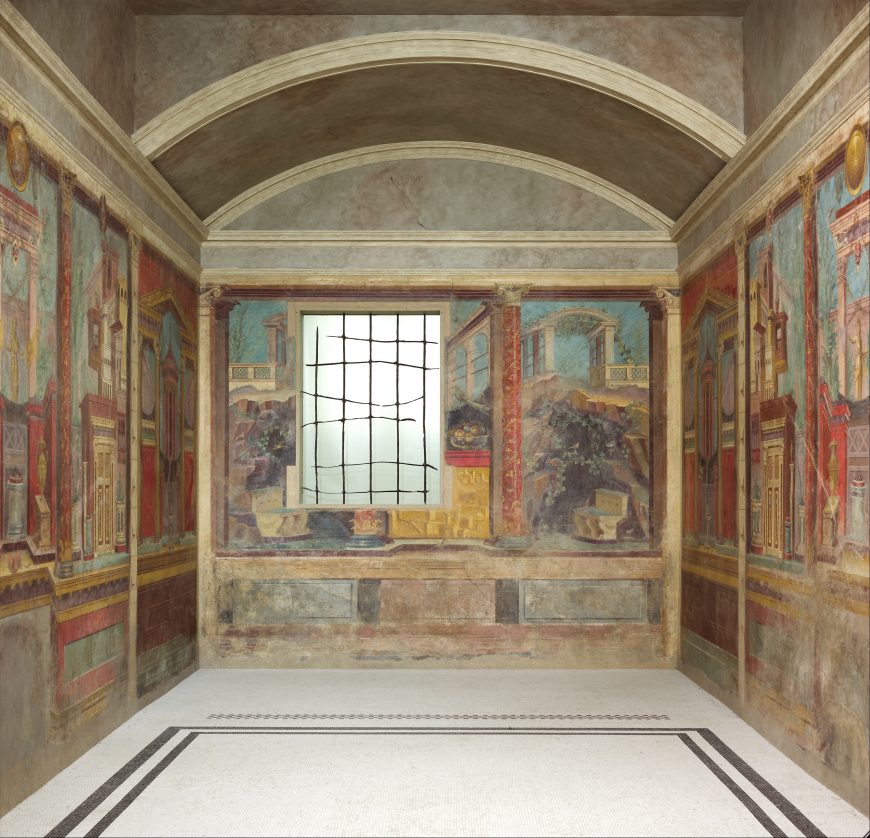
Roman domestic architecture: the villa
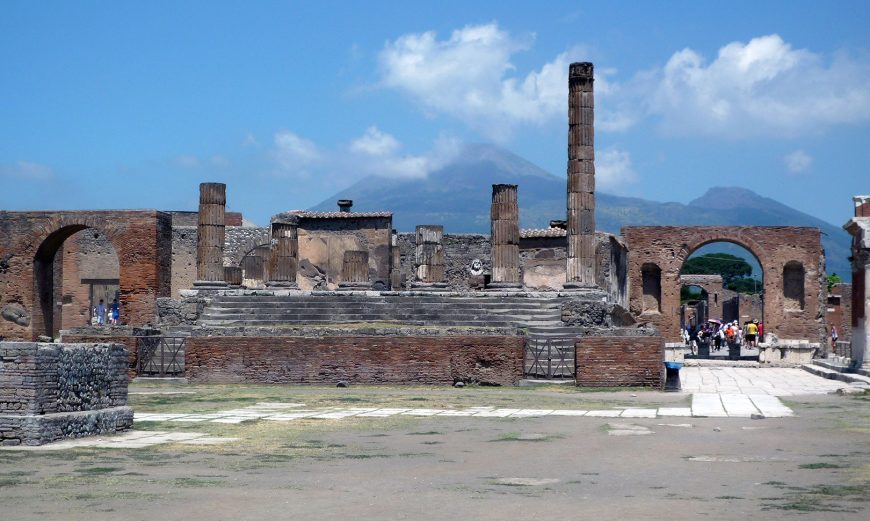
The rediscovery of Pompeii and the other cities of Vesuvius
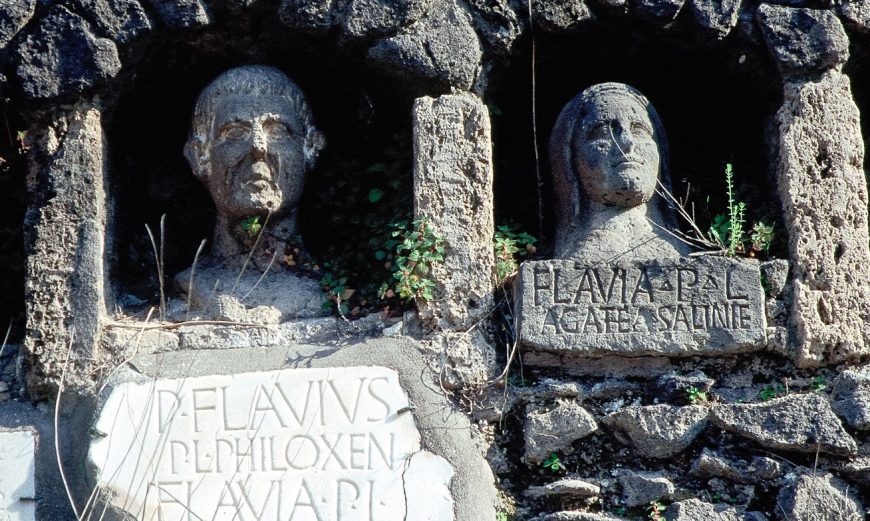
Pompeii, an introduction
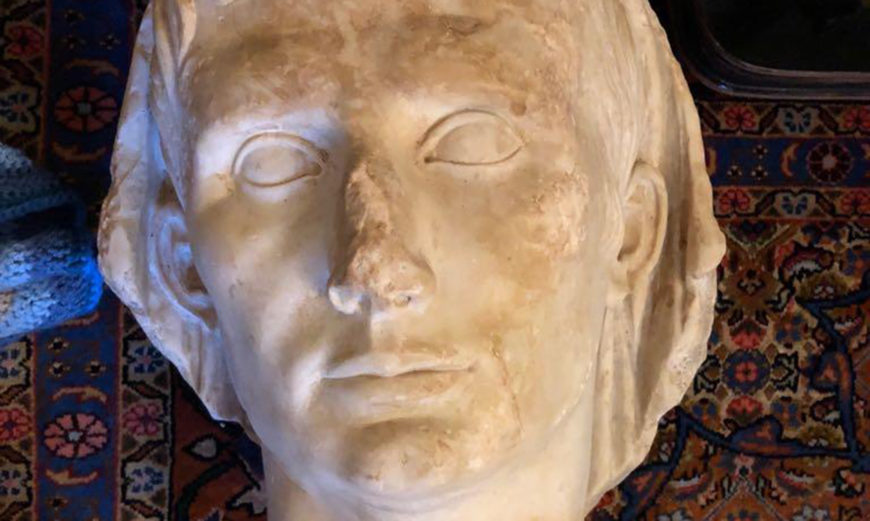
Seizure of looted antiquities illuminates what museums want hidden
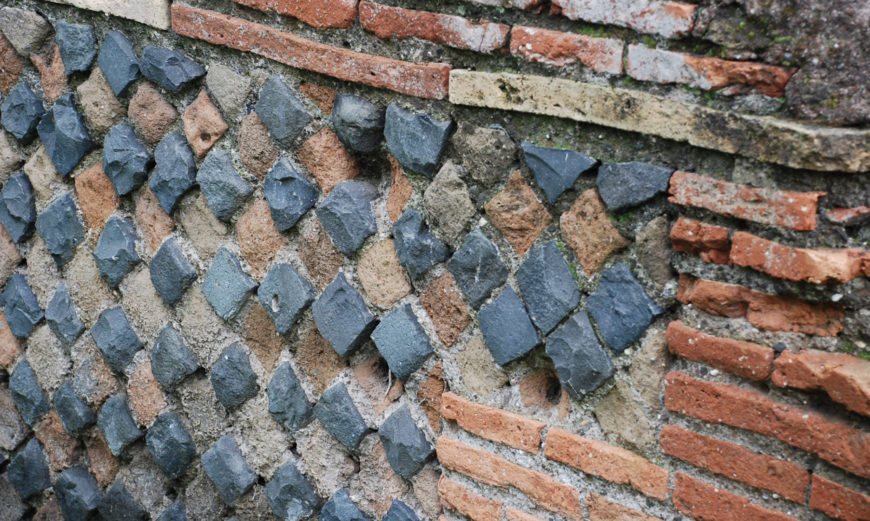
Italo-Roman building techniques
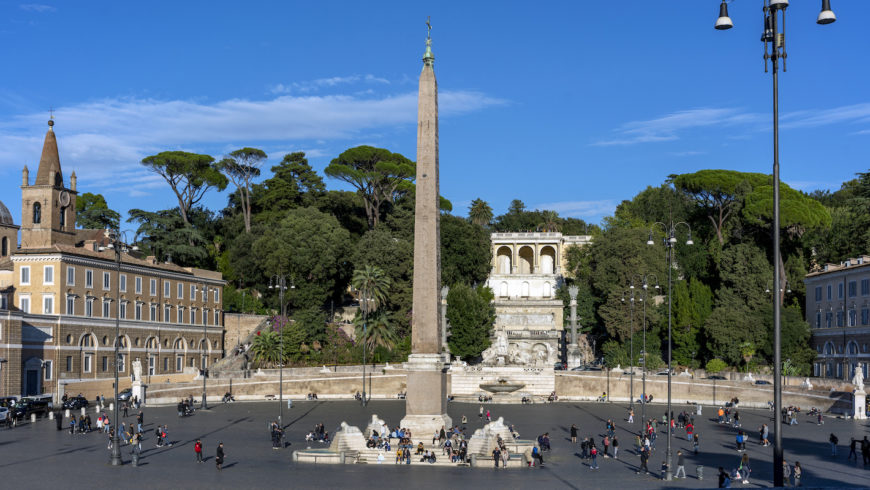
Obelisks and ancient Rome
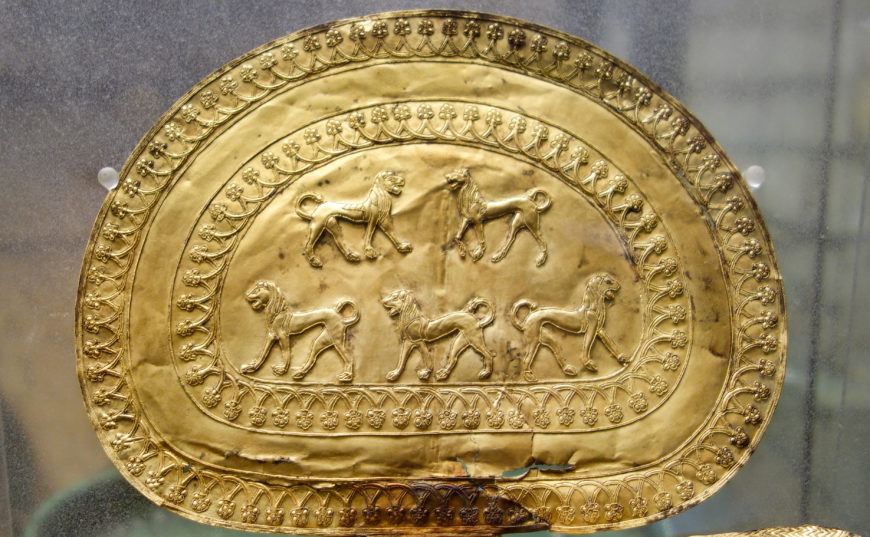
The Etruscans, an introduction

Manuscript production in the abbeys of Normandy
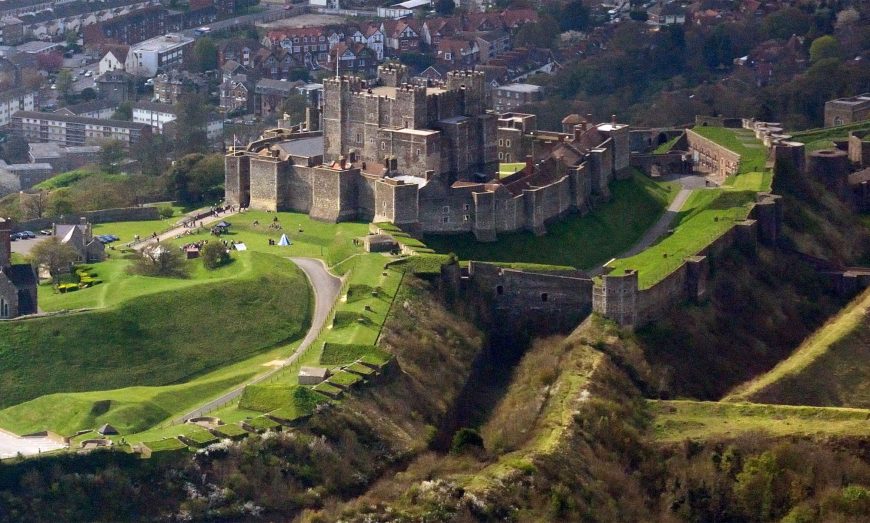
The Art of Conquest in England and Normandy
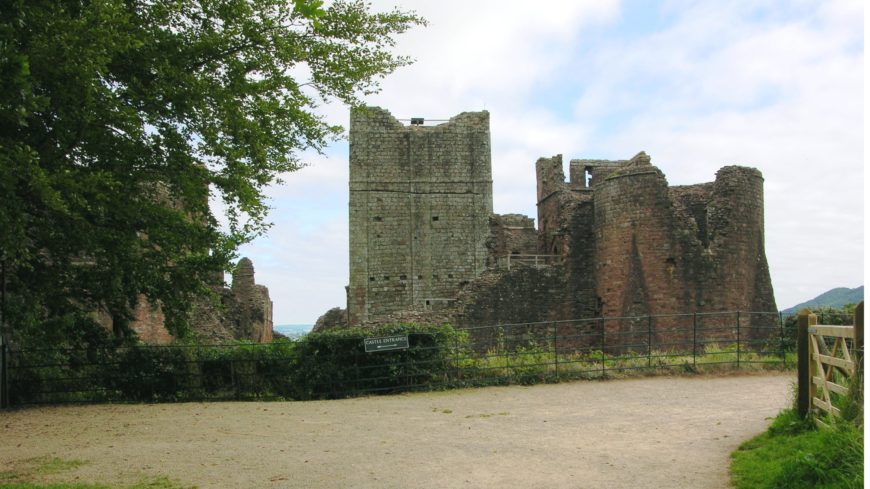
The English castle: dominating the landscape
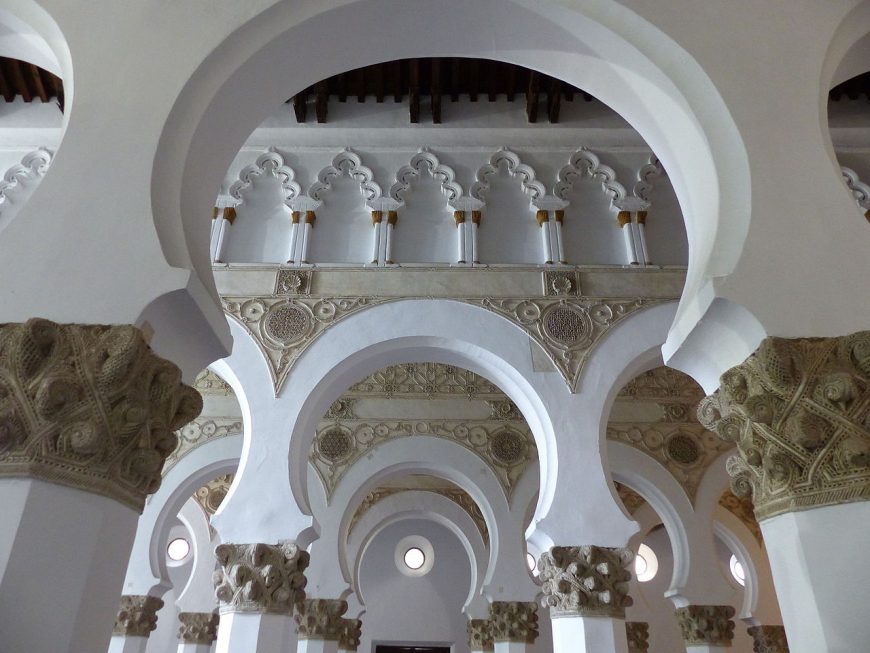
Medieval synagogues in Toledo, Spain

Dante’s Divine Comedy in Late Medieval and Early Renaissance art
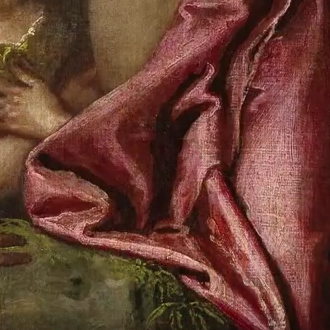
Oil paint in Venice
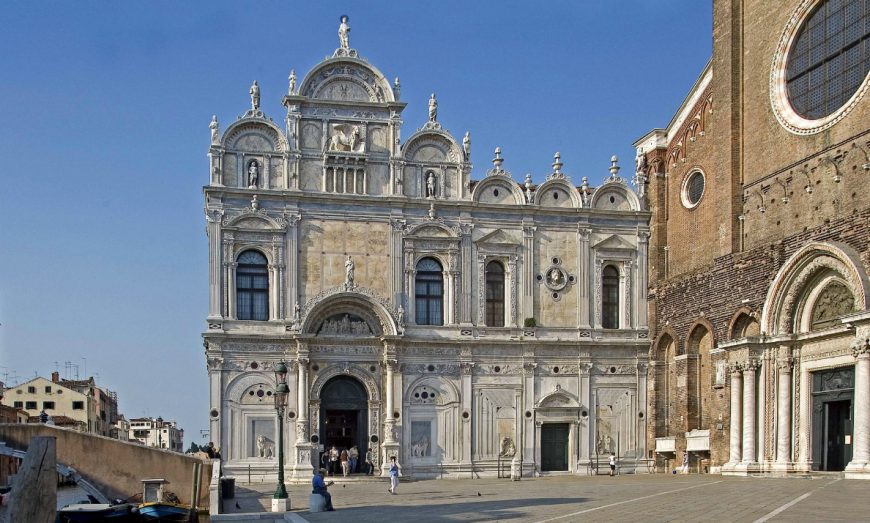
Devotional confraternities (scuole) in Renaissance Venice
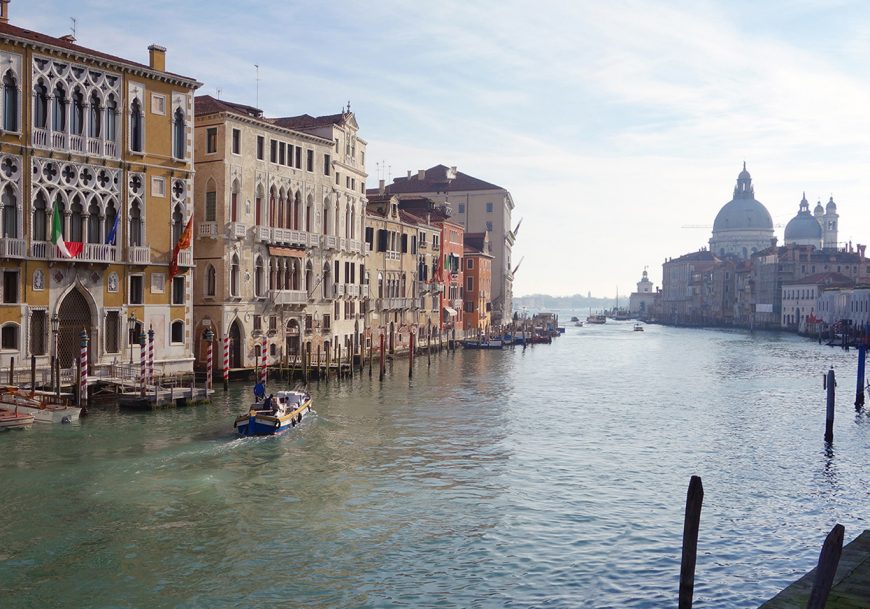
Saving Venice
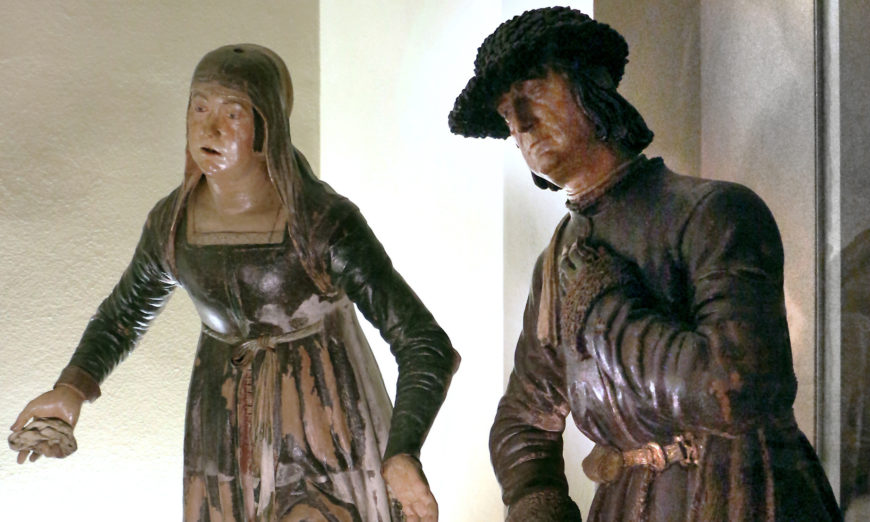
Guido Mazzoni and Renaissance Emotions
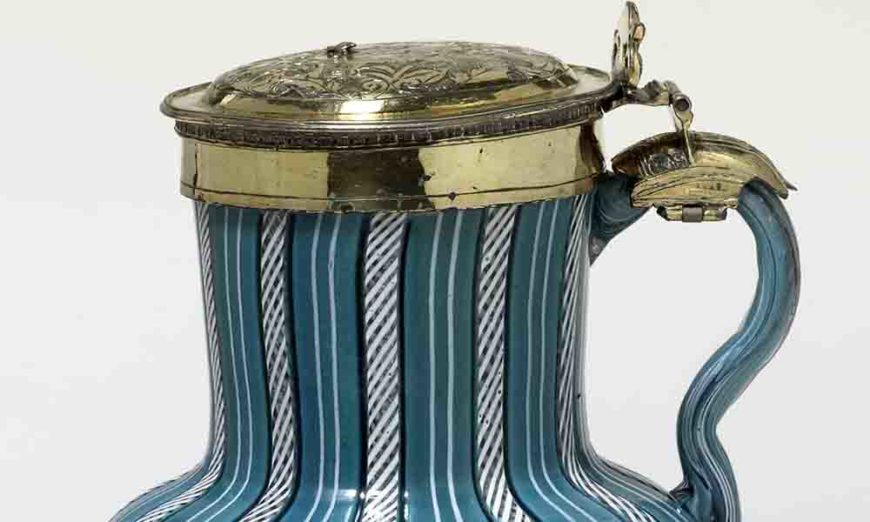
Venetian glass, an introduction
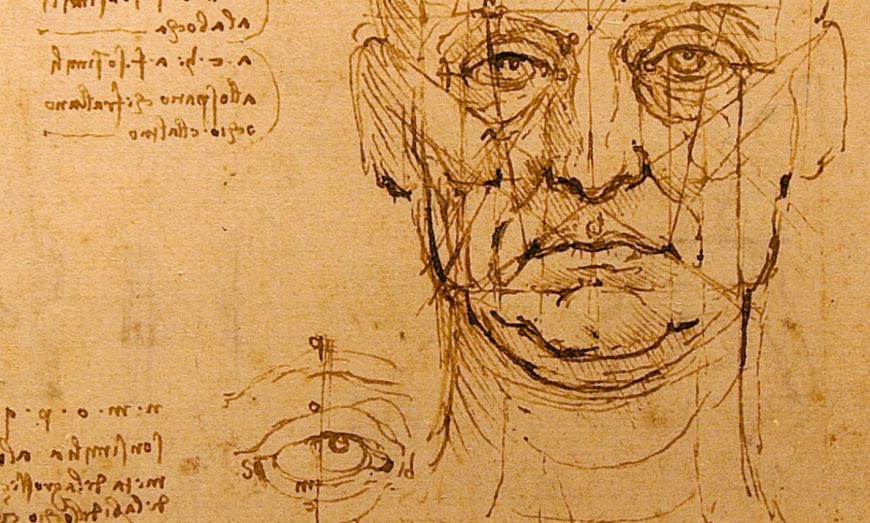
Leonardo: Anatomist
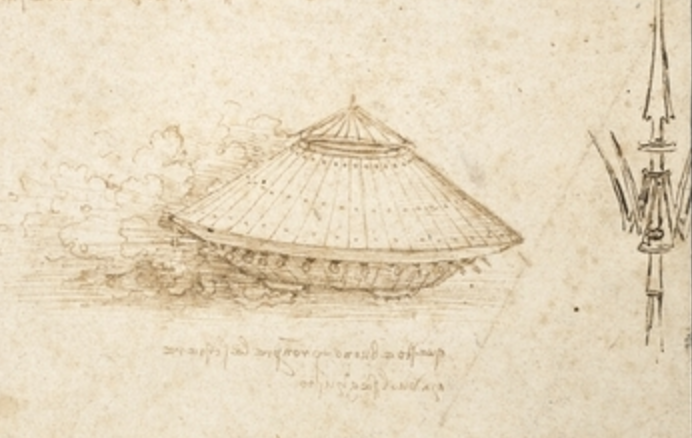
Leonardo and his drawings
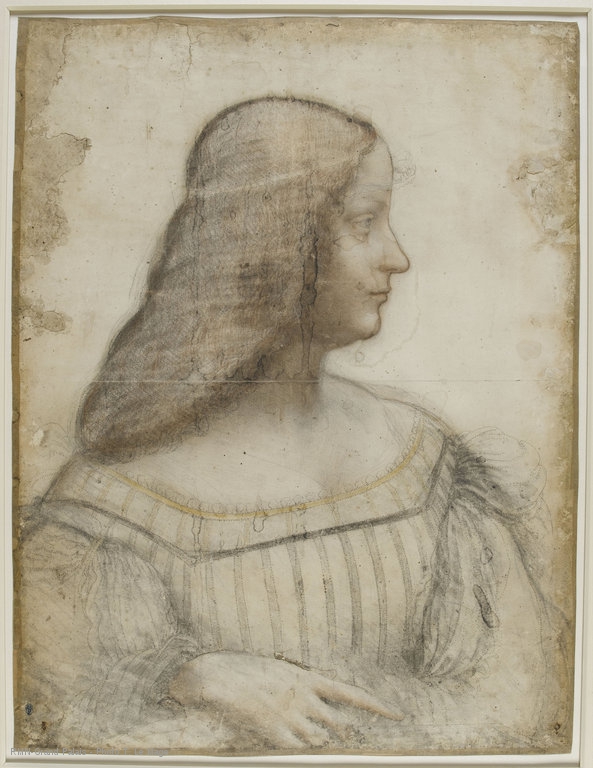
Renaissance woman: Isabella d’Este
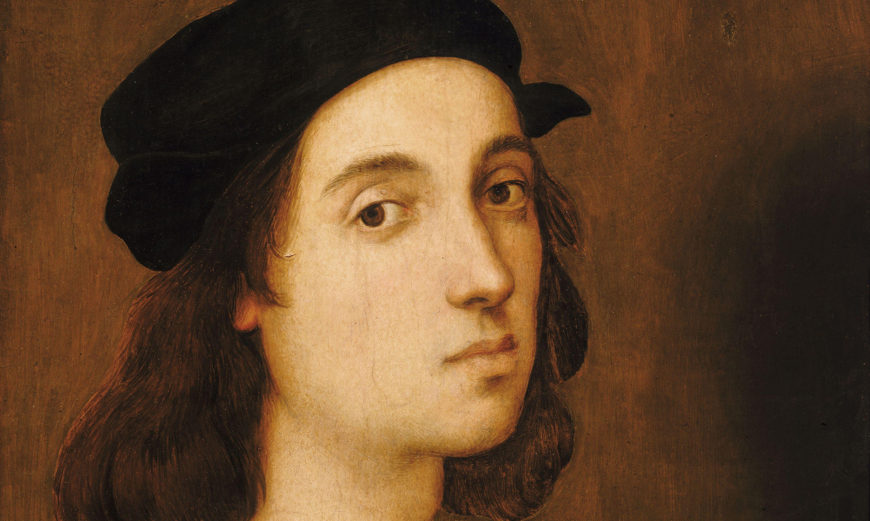
Raphael, an introduction
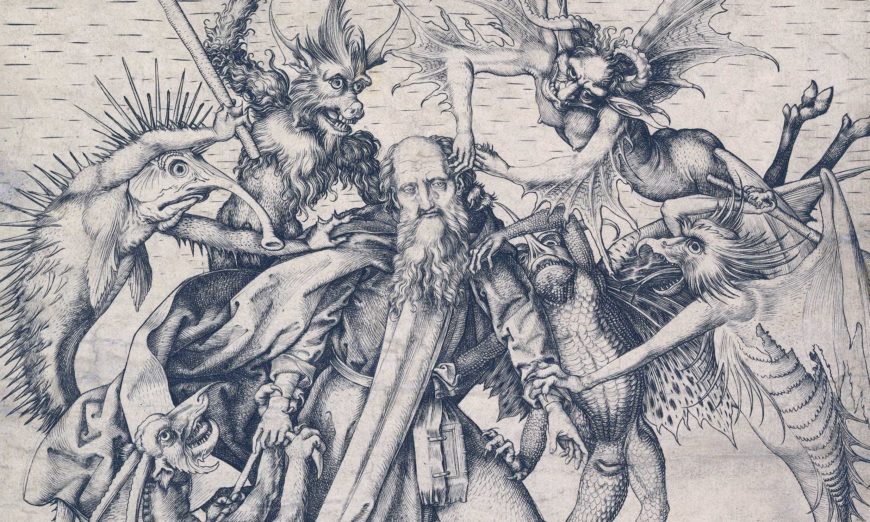
Printmaking in Europe, c. 1400−1800
Tiny timelines: Michelangelo in context
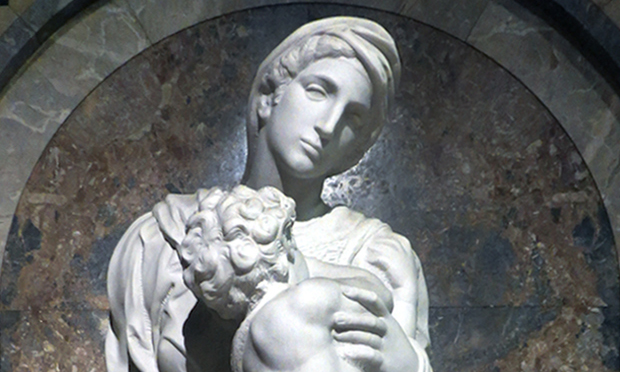
Replicating Michelangelo
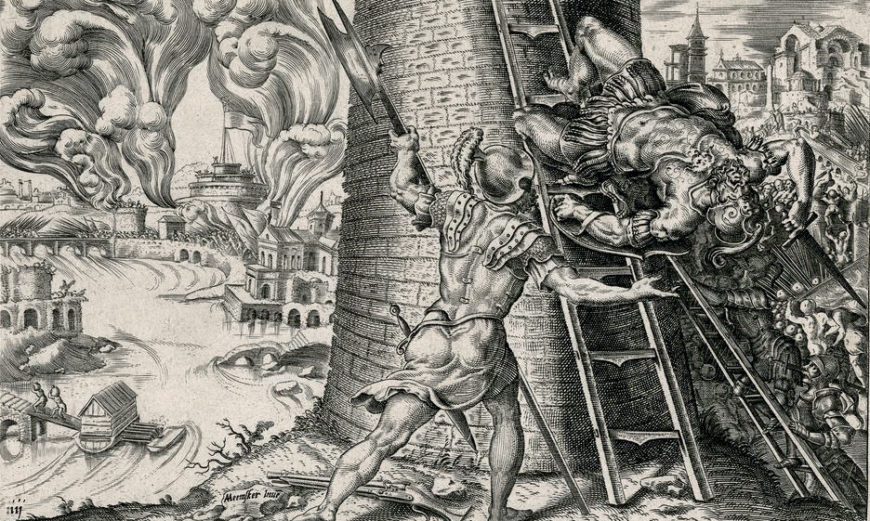
The Sack of Rome in 1527
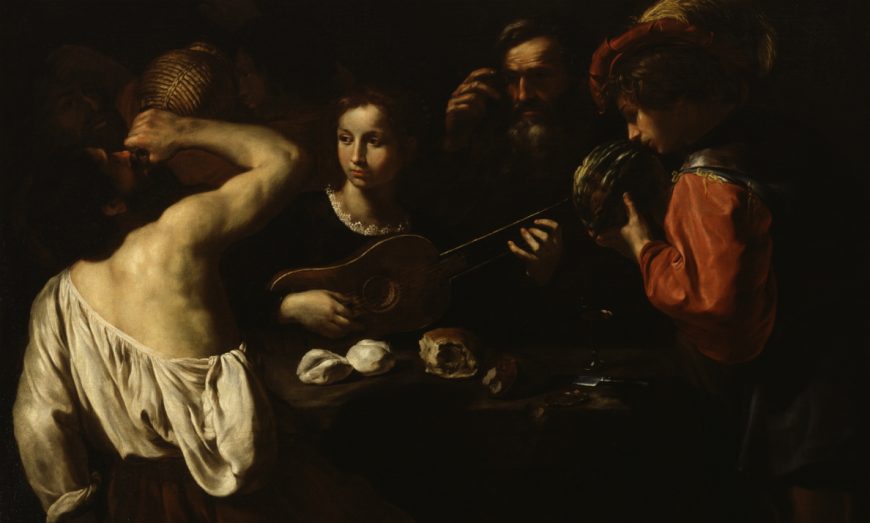
Caravaggio and Caravaggisti in 17th-century Europe
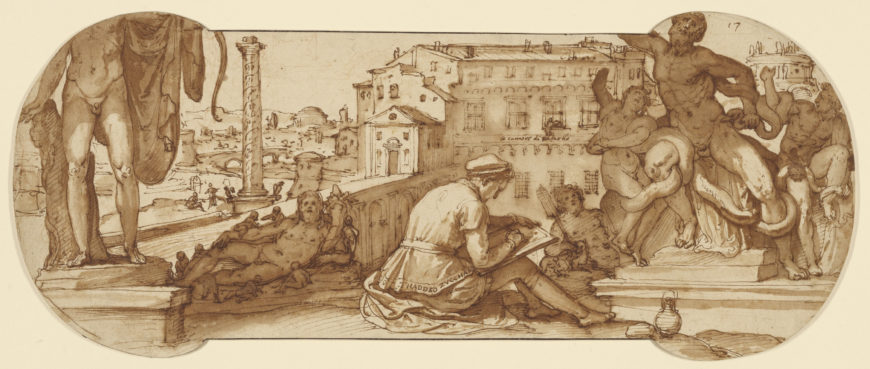
Restoring ancient sculpture in Baroque Rome
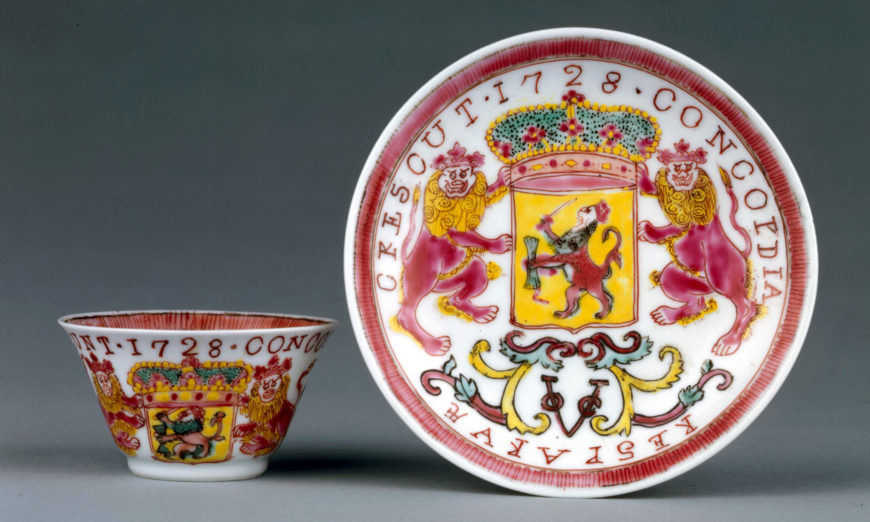
Porcelain, gold, and the Dutch East India Company
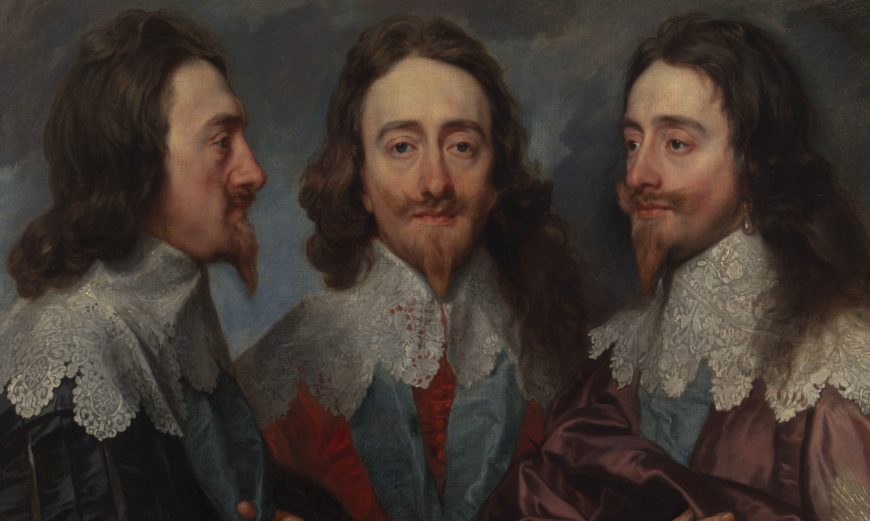
Charles I as art collector
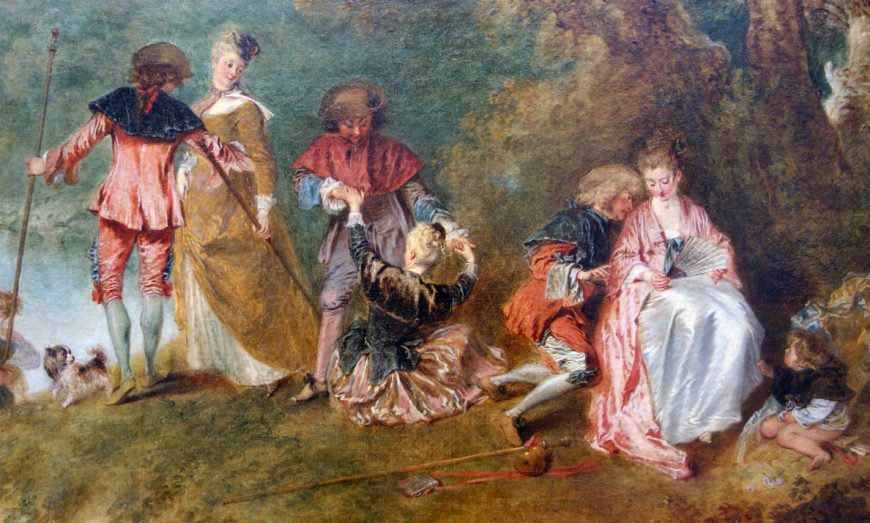
Rococo art, an introduction
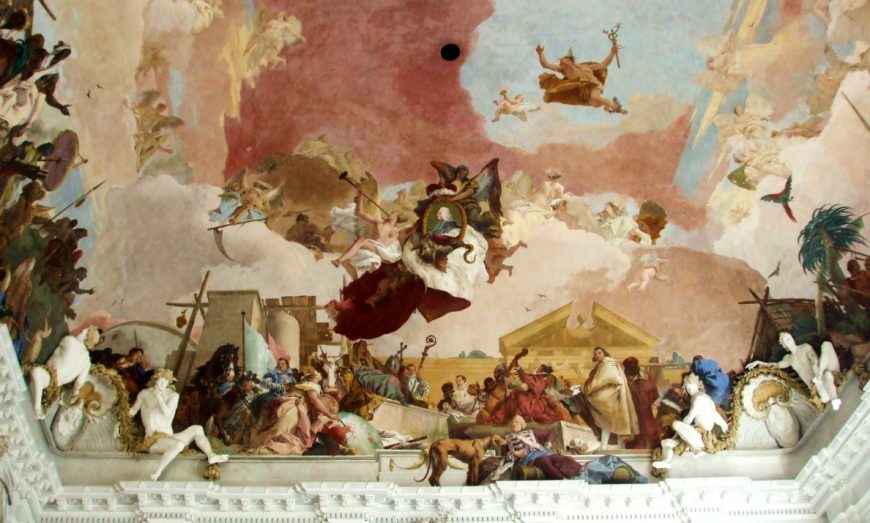
The Tiepolo Family
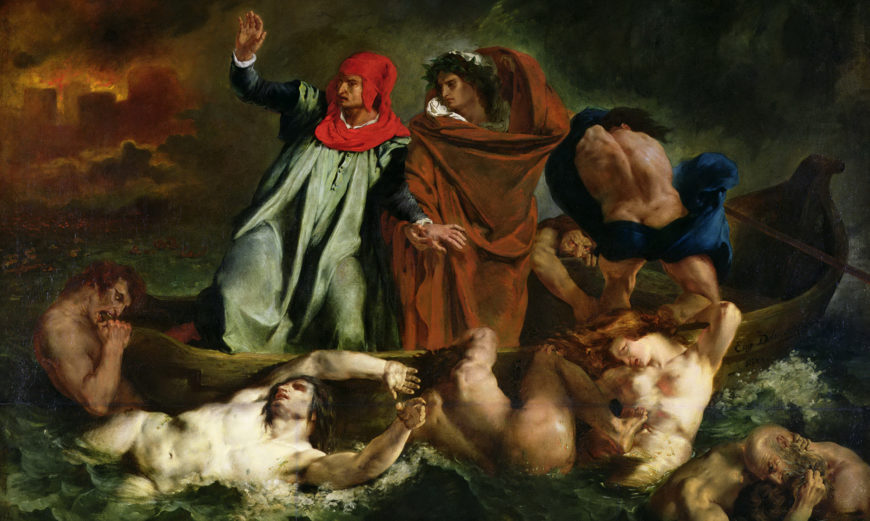
Eugène Delacroix, an introduction
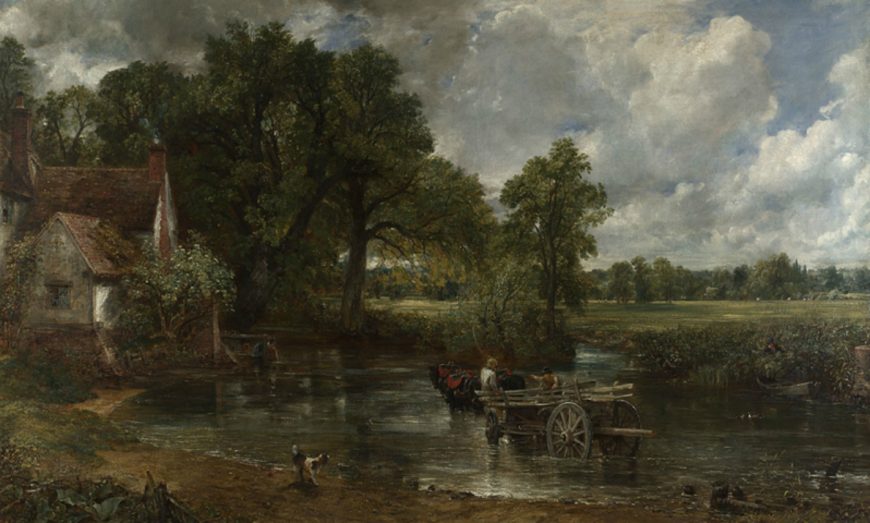
Constable and the English landscape
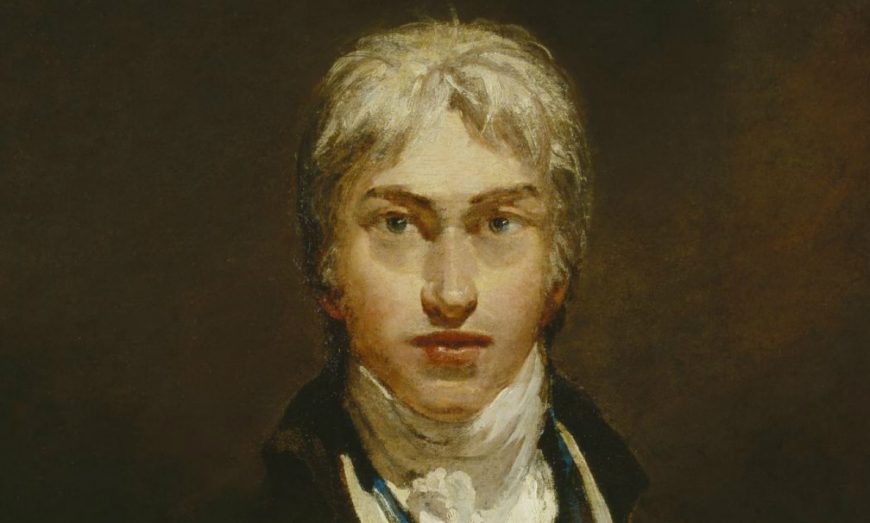
J.M.W. Turner at Tate Britain
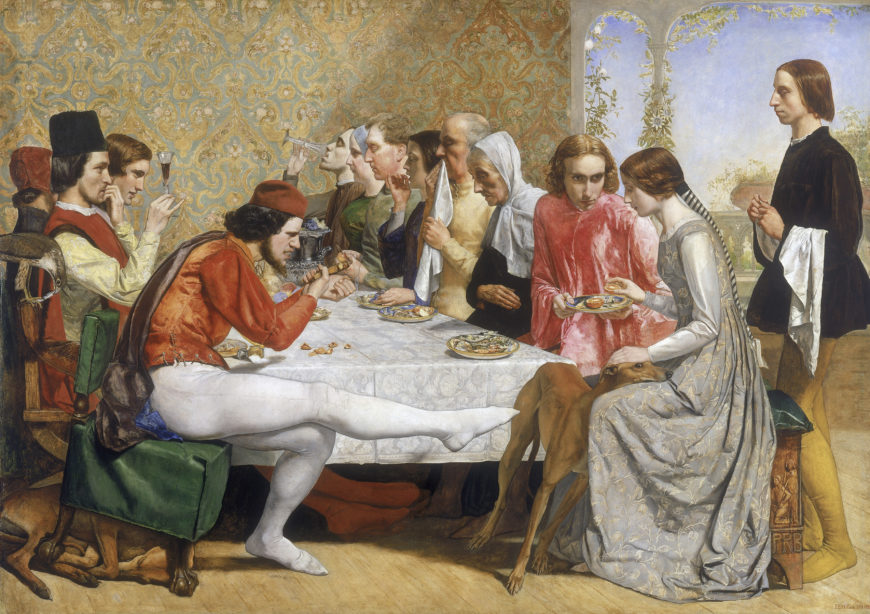
The Pre-Raphaelites, an introduction
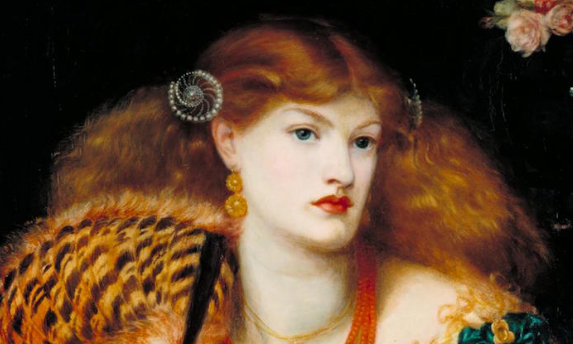
The Aesthetic Movement
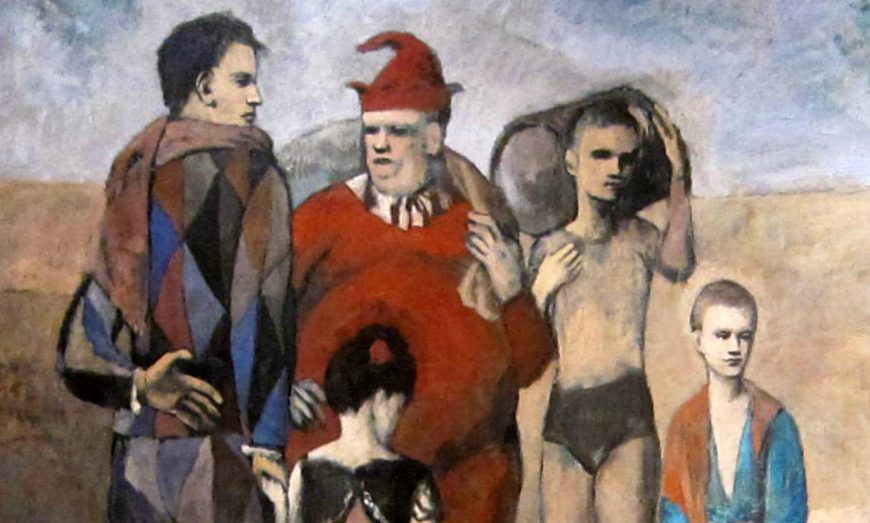
Pablo Picasso’s Early Work
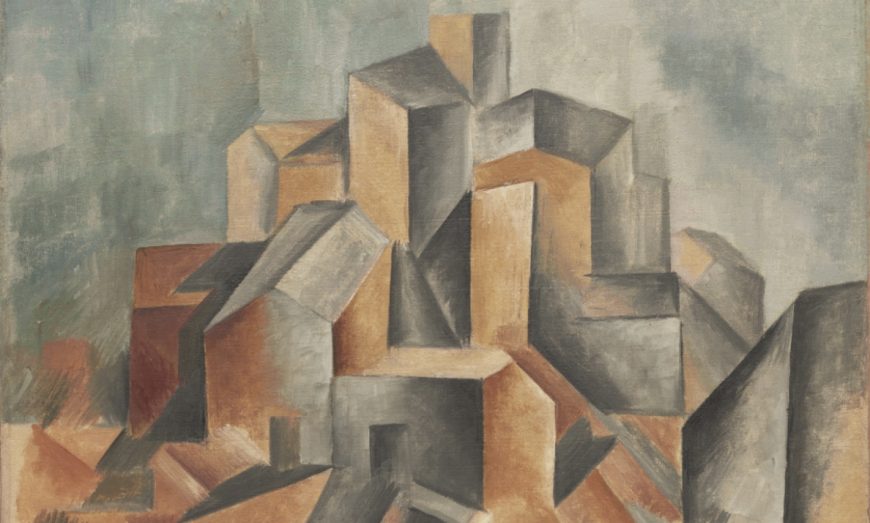
Inventing Cubism
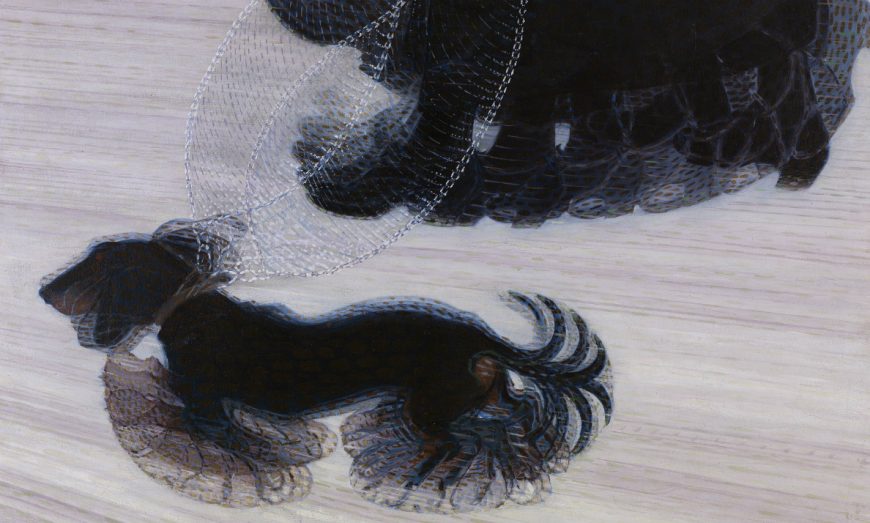
Italian Futurism: An Introduction
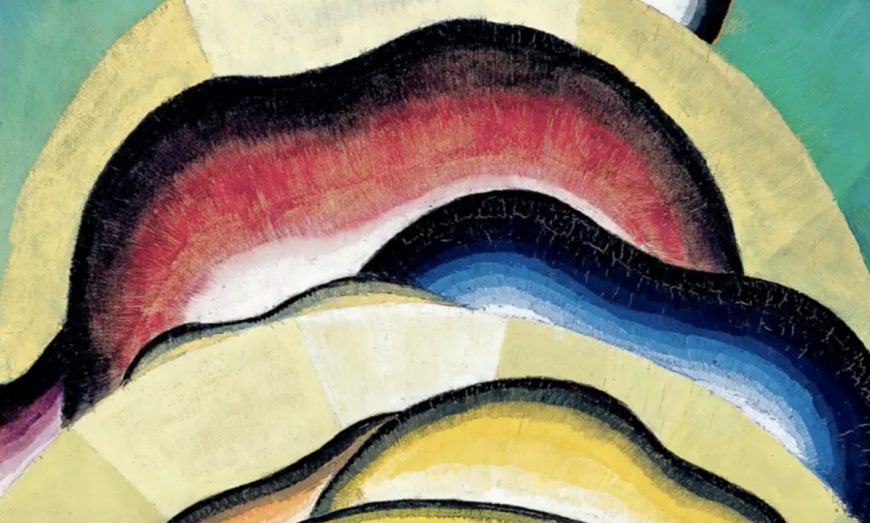
The Case for Abstraction
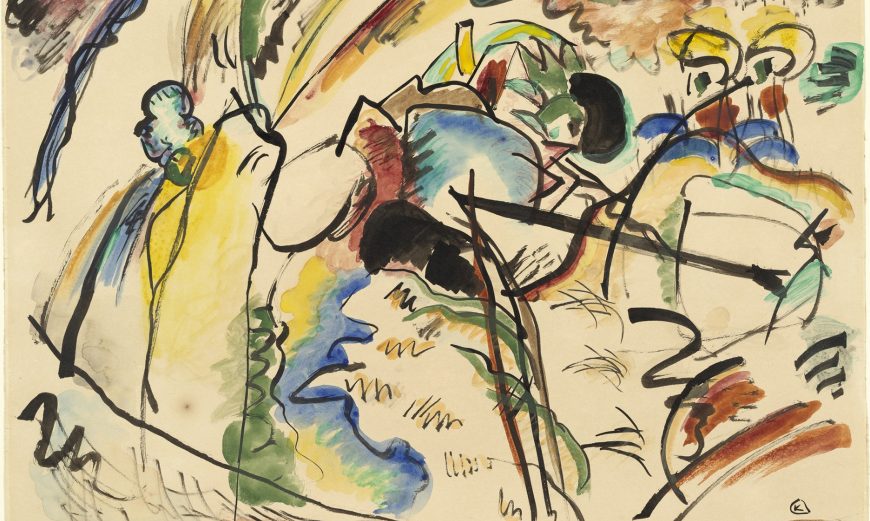
Abstract art and Theosophy
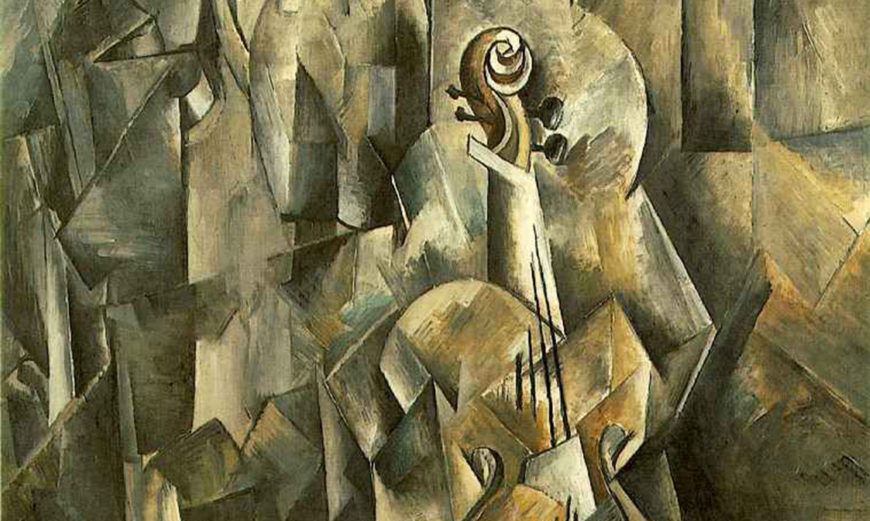
Cubism and multiple perspectives
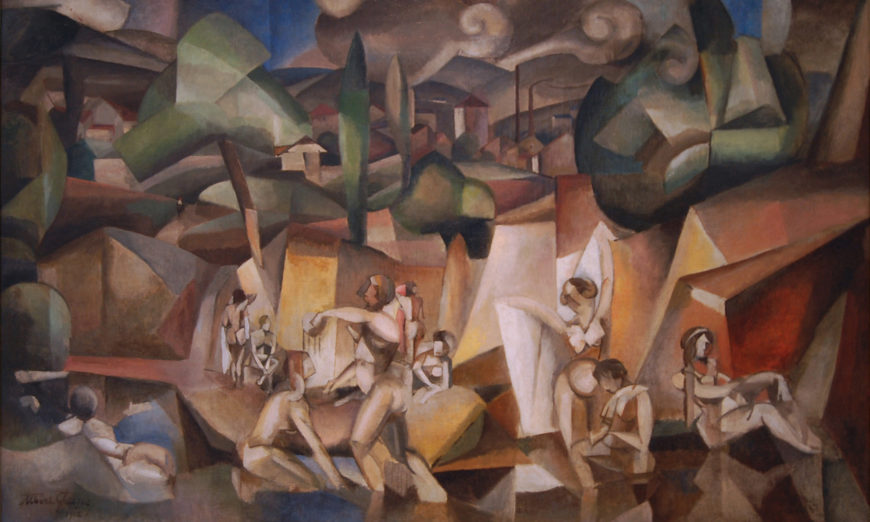
Salon Cubism
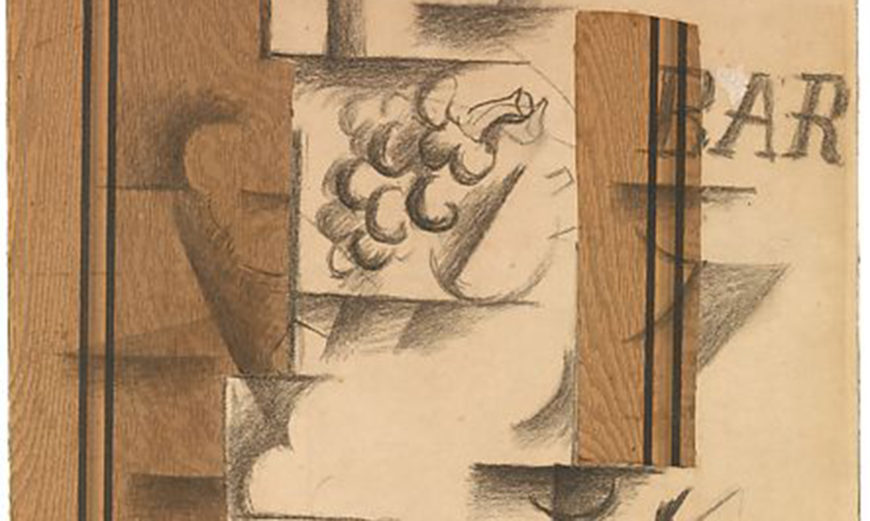
Synthetic Cubism, Part I
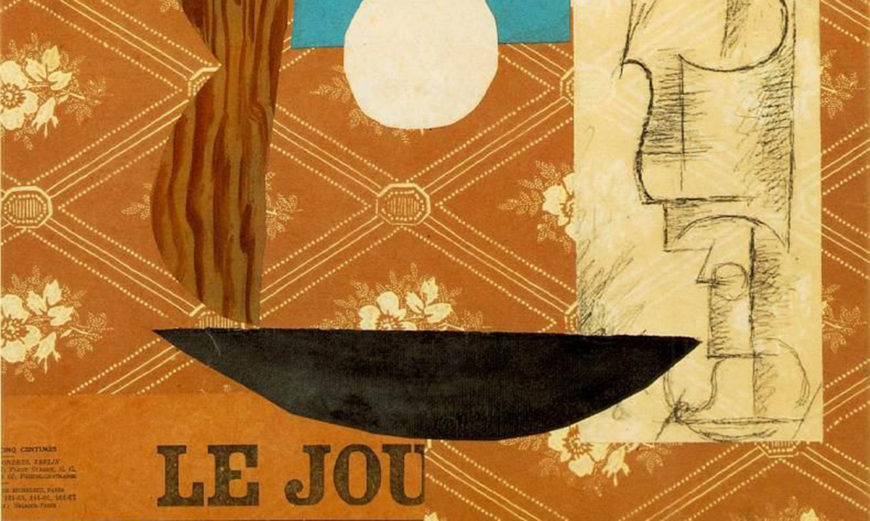
Synthetic Cubism, Part II
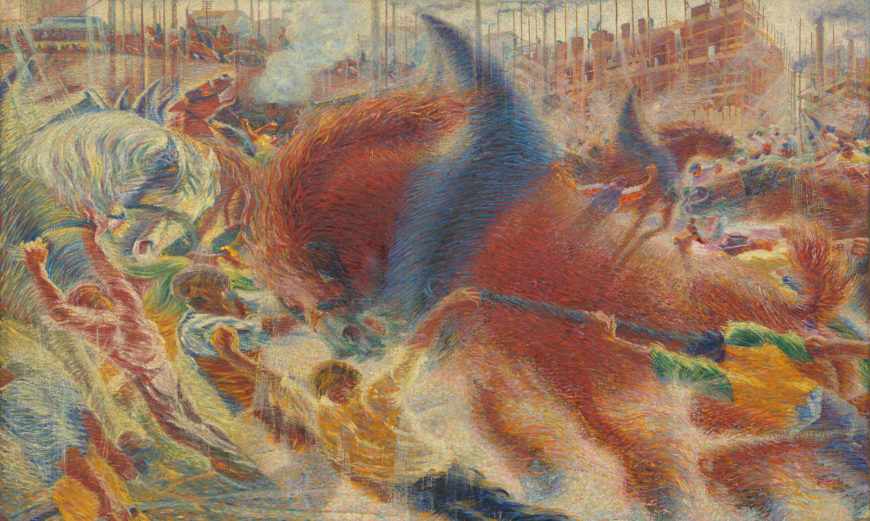
Umberto Boccioni and the Futurist City
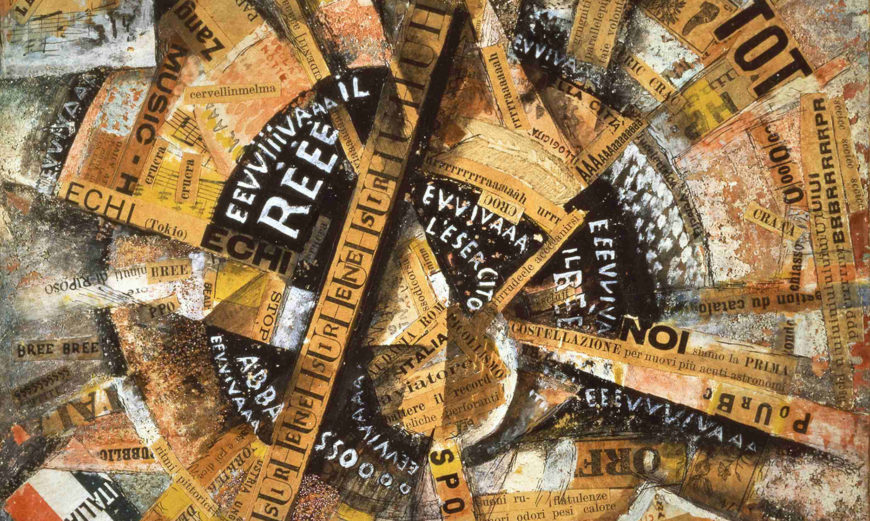
Futurist Free Word Painting
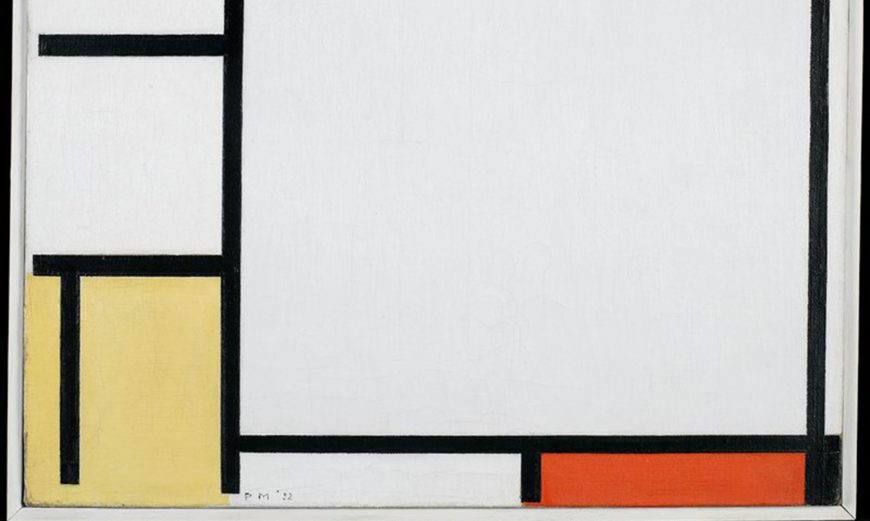
De Stijl, Part I: Total Purity
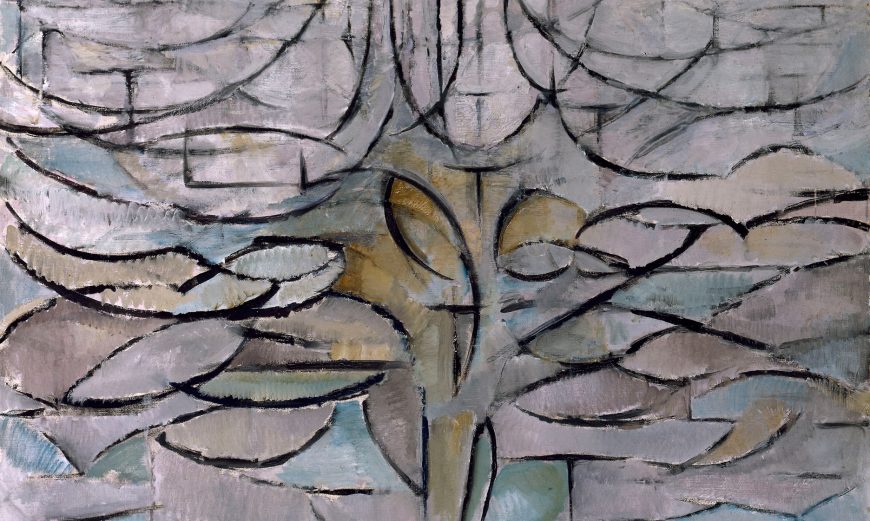
De Stijl, Part II: Near-Abstraction and Pure Abstraction
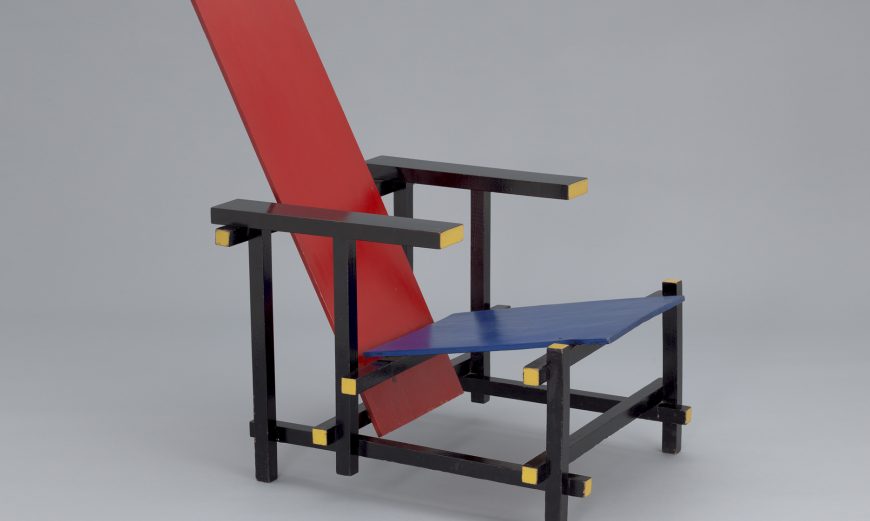
De Stijl, Part III: The Total De Stijl Environment
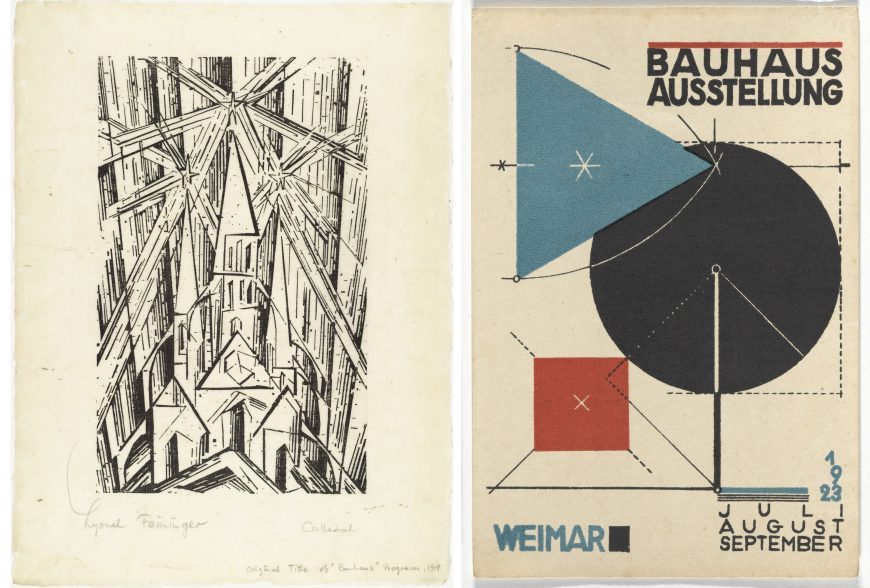
The Bauhaus, an introduction
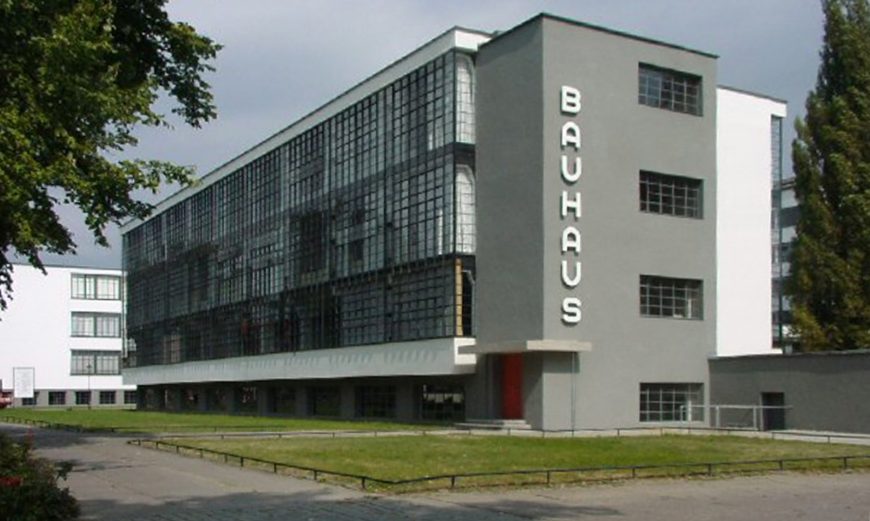
The Bauhaus: Marcel Breuer

The Bauhaus: Marianne Brandt
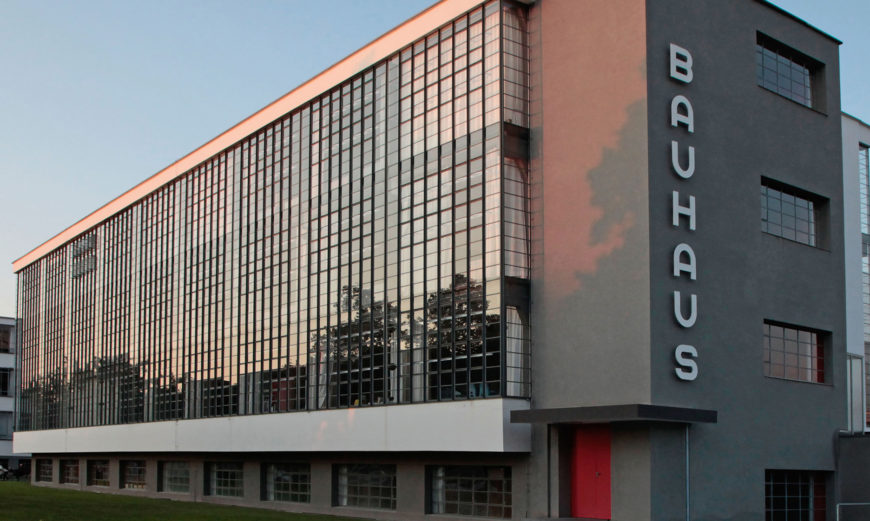
The Bauhaus and Bau
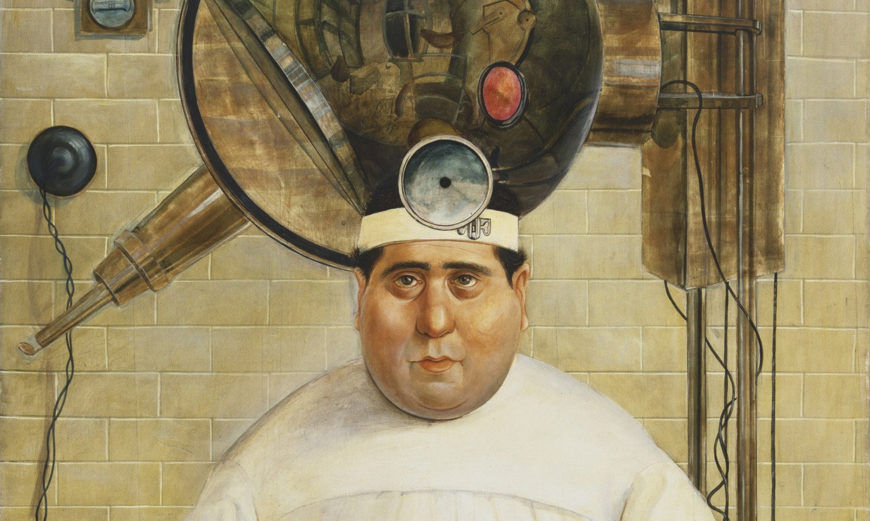
Neue Sachlichkeit (New Objectivity), an introduction
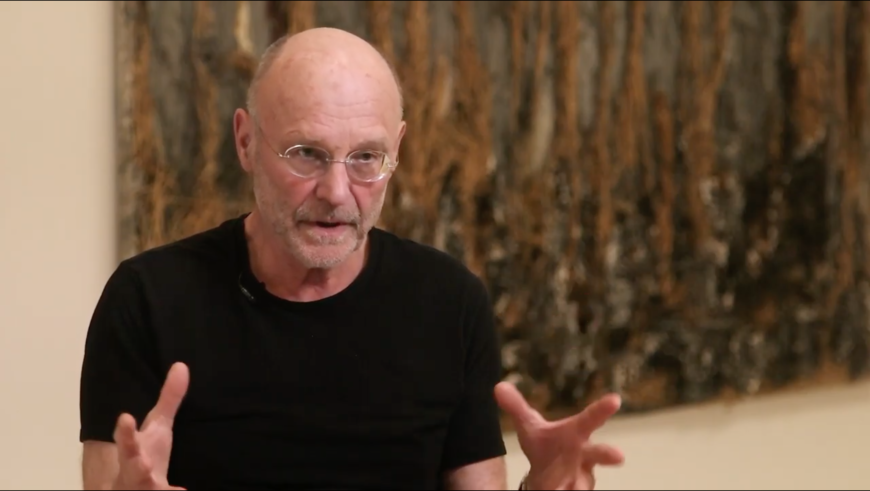
An interview with Anselm Kiefer
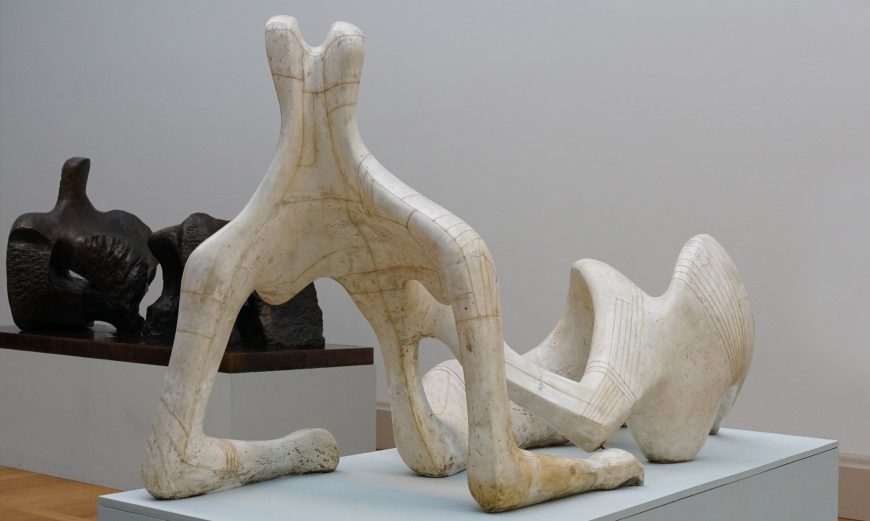
Describing what you see: sculpture
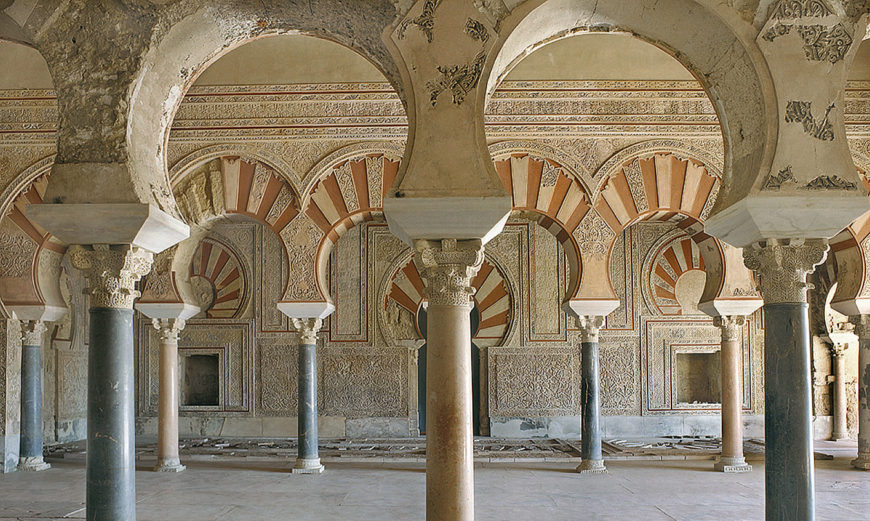
The vibrant visual cultures of the Islamic West, an introduction
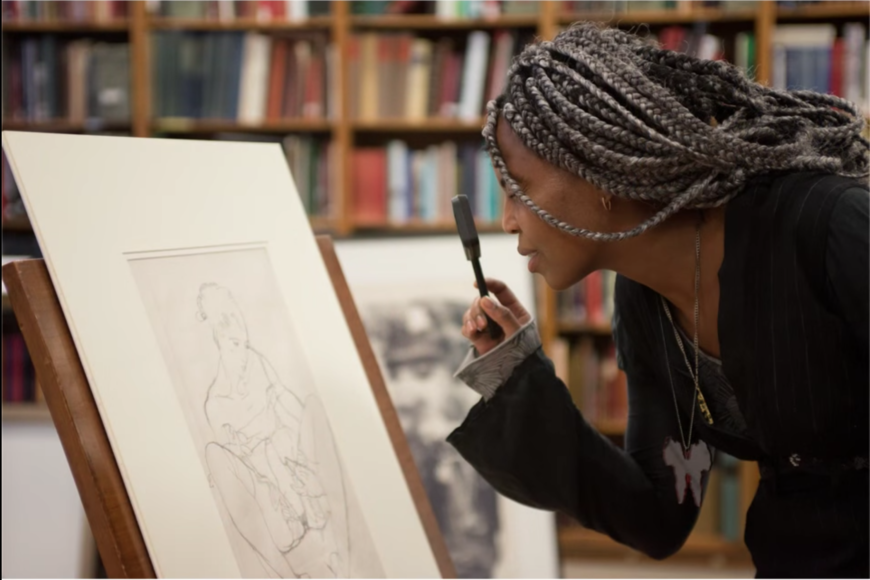
Wangechi Mutu on Egon Schiele
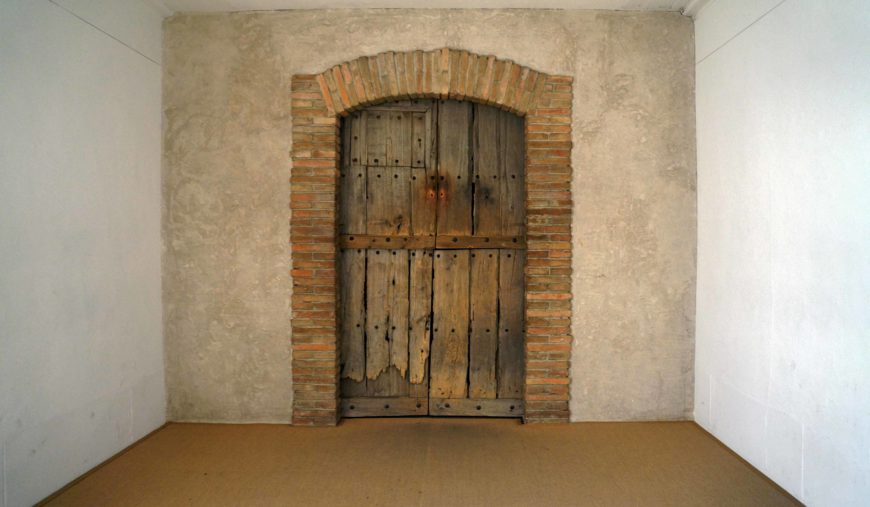
Marcel Duchamp and the viewer
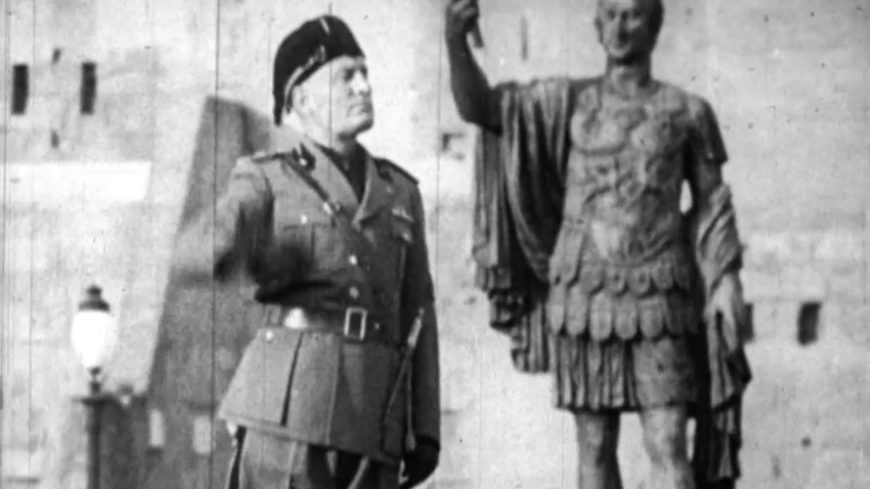
Murals and Public Art in 1930s Rome
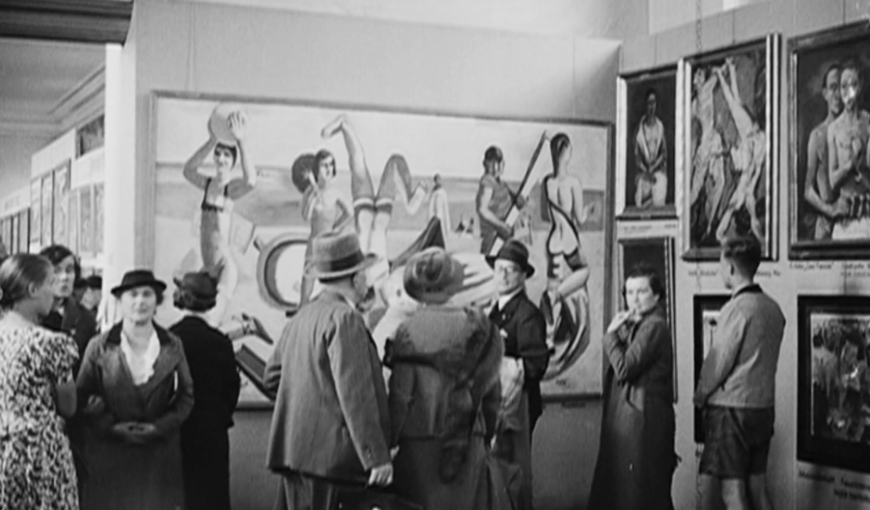
What is: Degenerate Art?
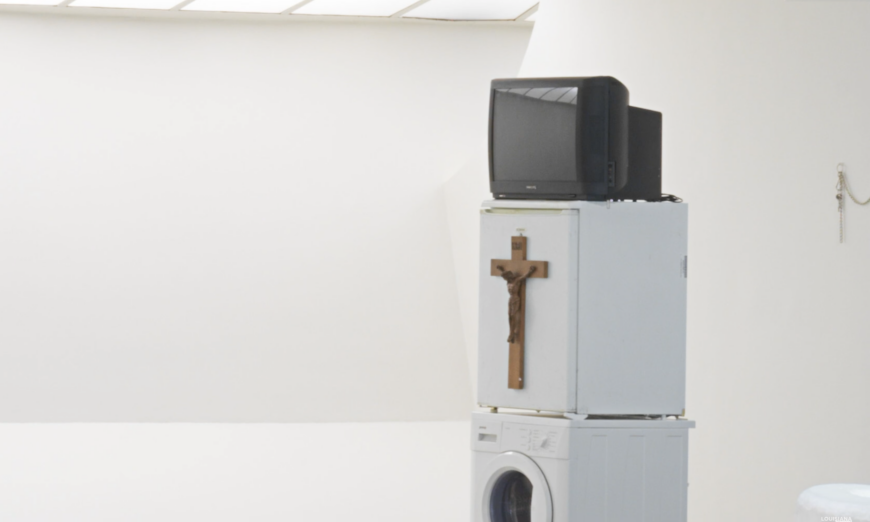
Danh Vo interview: art should estrange
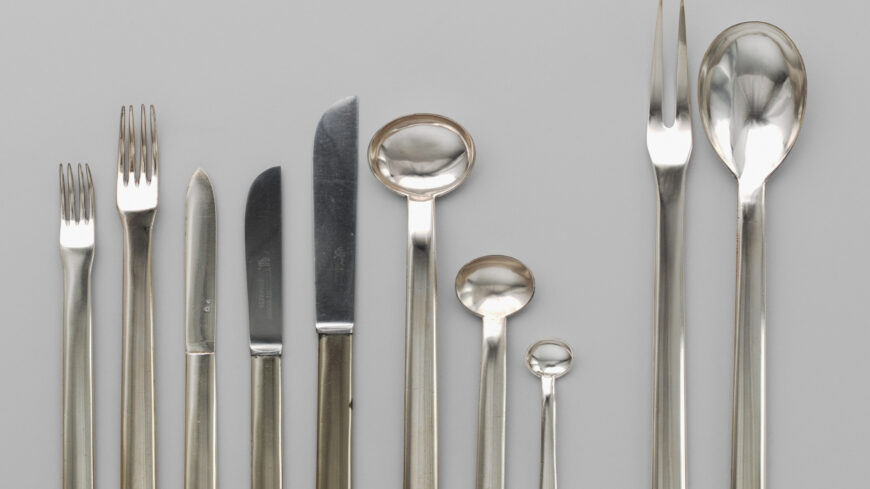
The Wiener Werkstätte
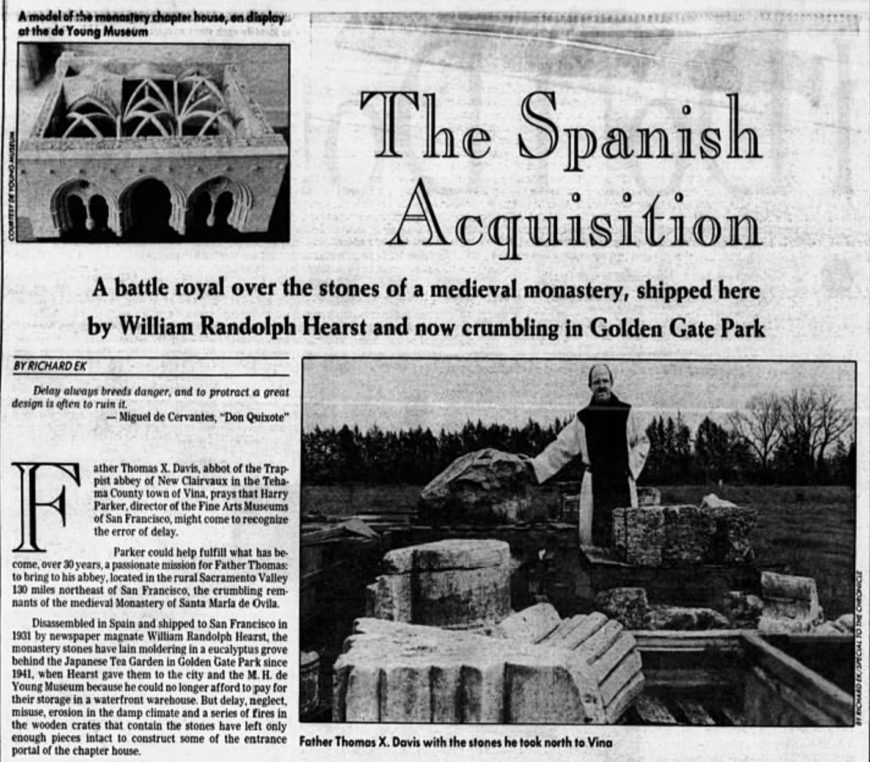
“Creative iconoclasm”: a tale of two monasteries
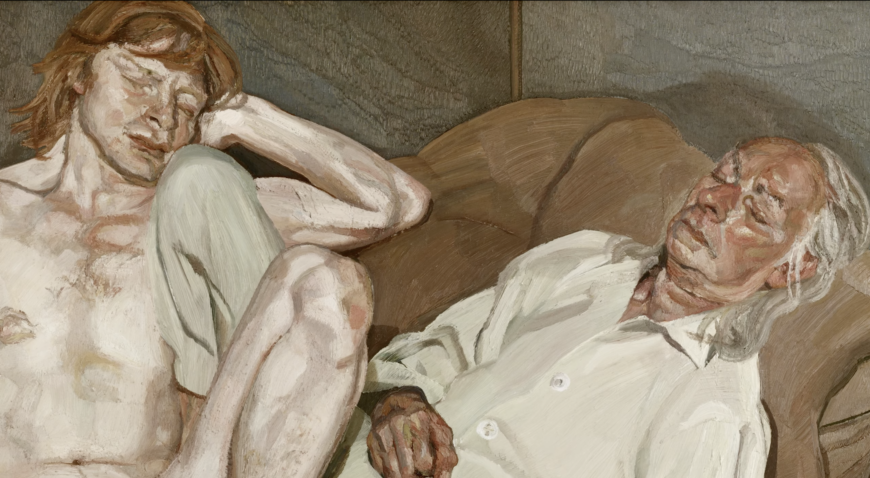
How did Lucian Freud present queer and marginalized bodies?
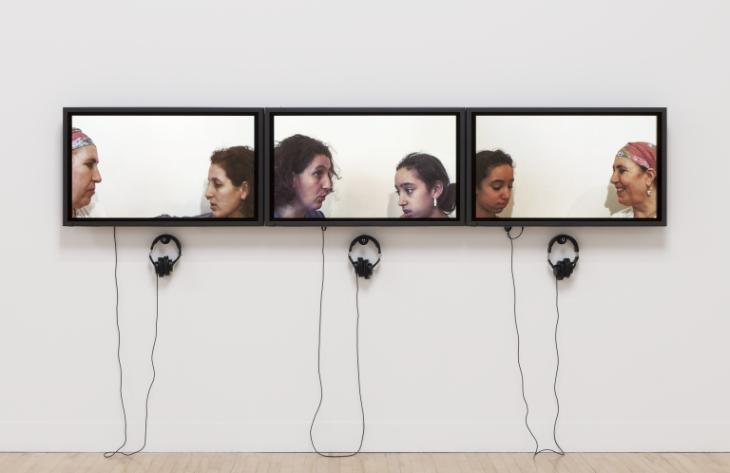
Zineb Sedira – ‘The Personal is Political’
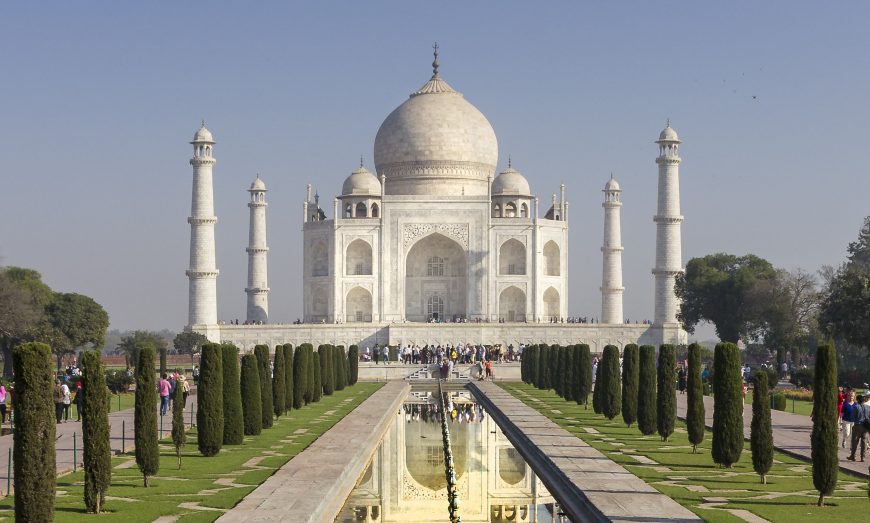
Arts of the Islamic world
Conserving Old Master Drawings

Dada collage
Dada Manifesto
Dada pataphysics
Dada politics
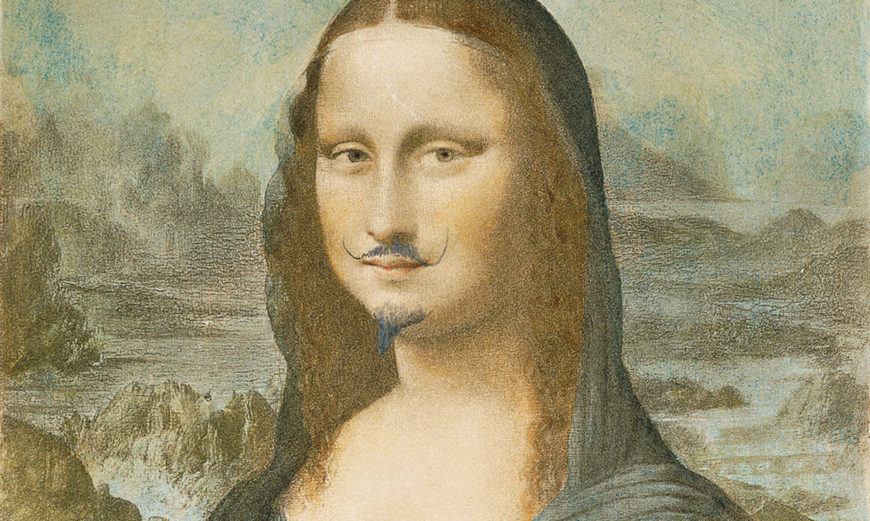
Dada readymades
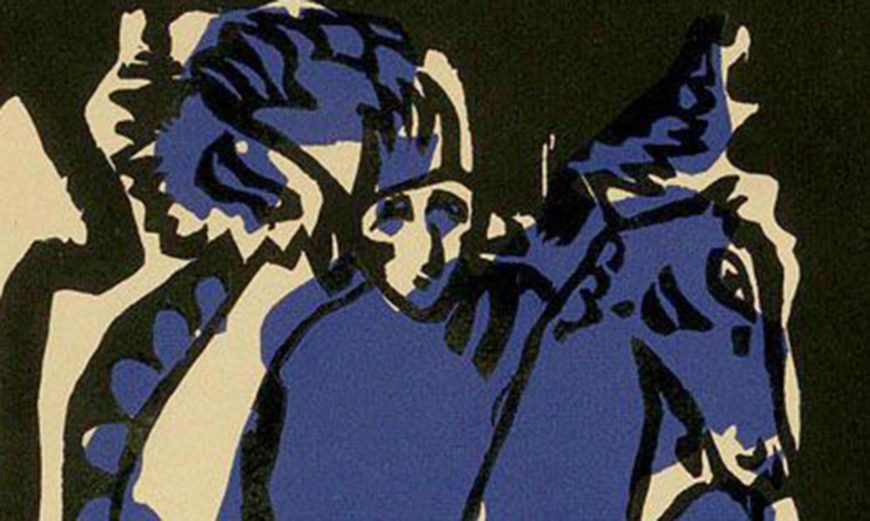
Der Blaue Reiter
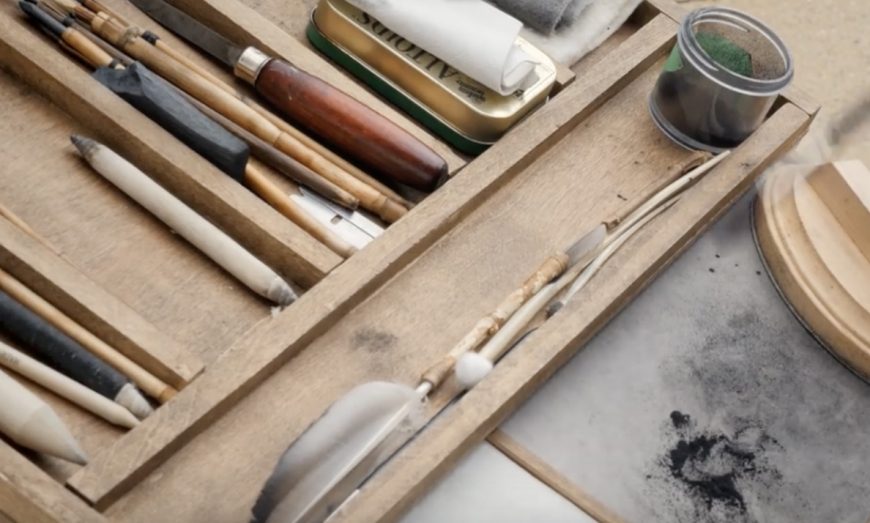
Drawing with charcoal: historical techniques of 19th-century France
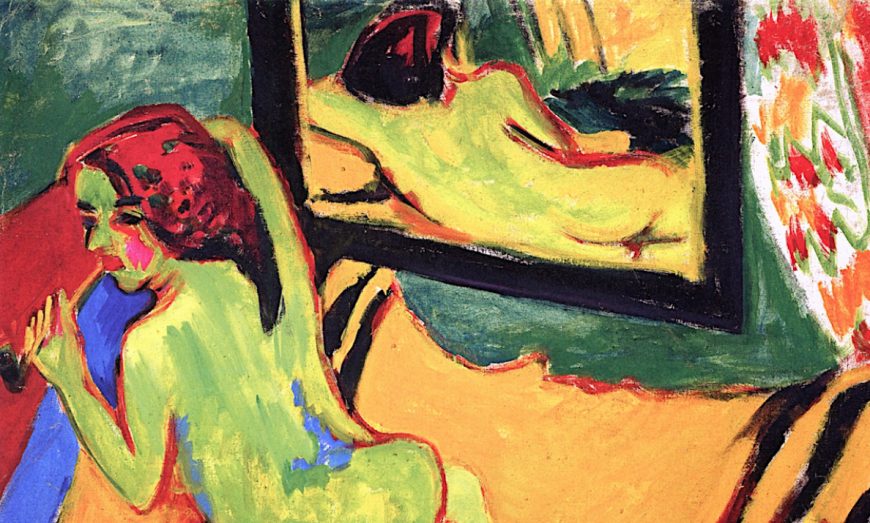
Expressionism, an introduction
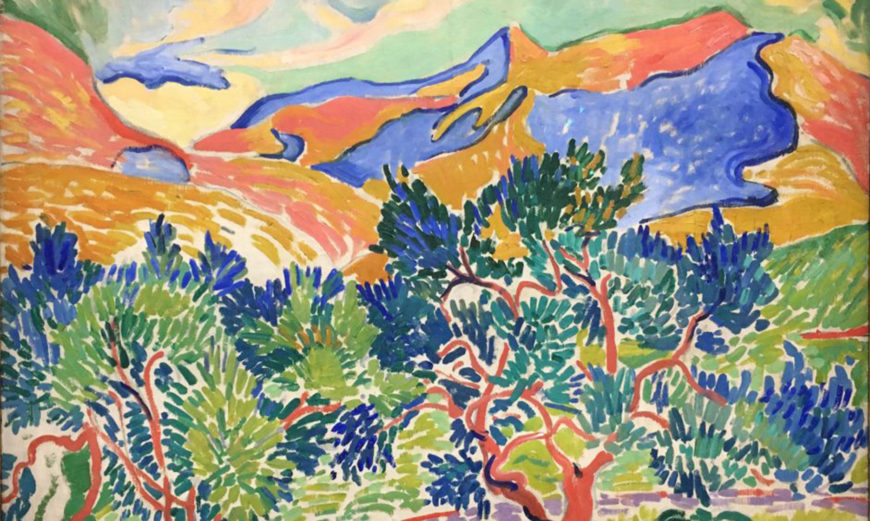
Fauve Landscapes and City Views
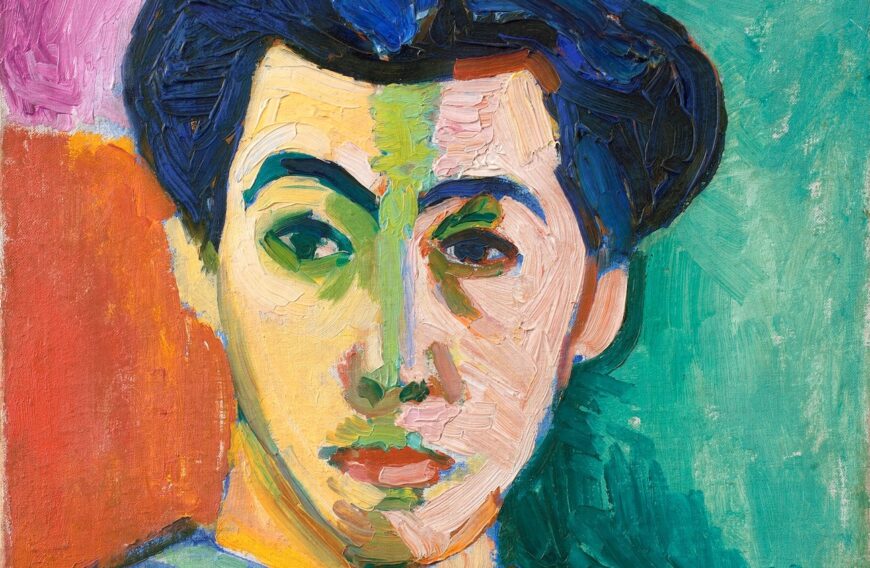
Fauvism, an introduction
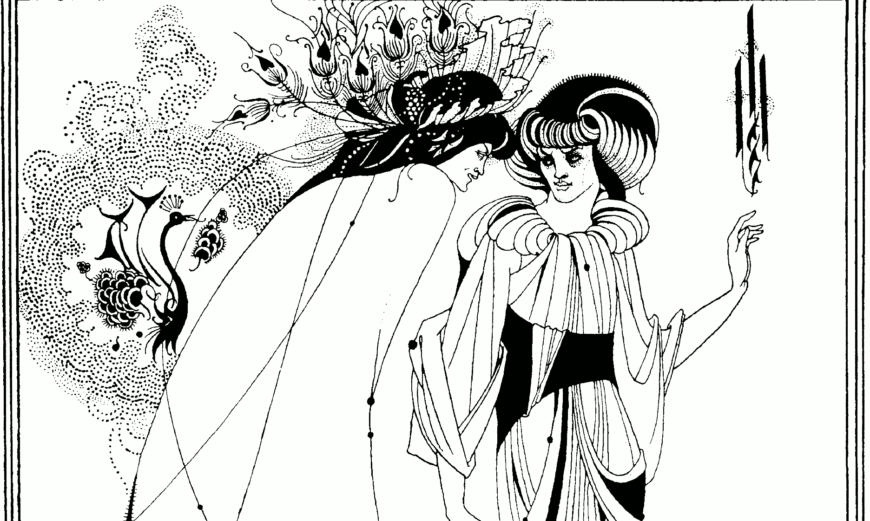
Formalism I: formal harmony
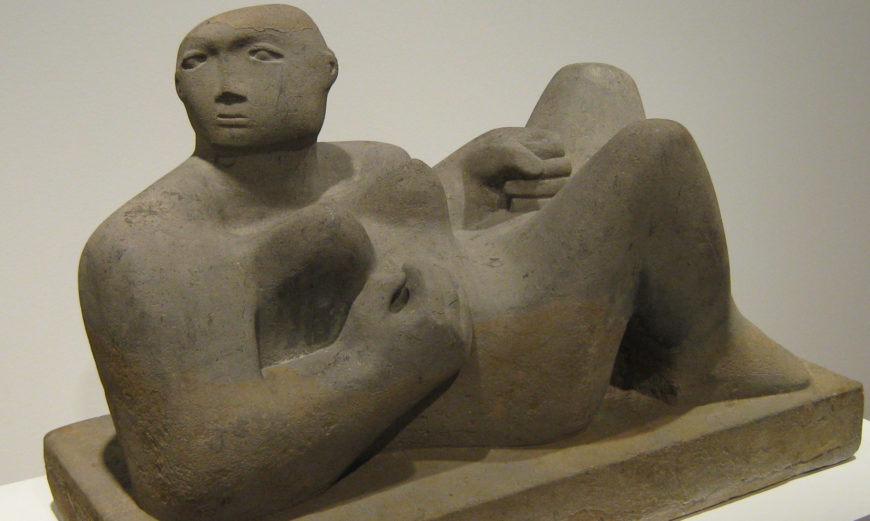
Formalism II: truth to materials
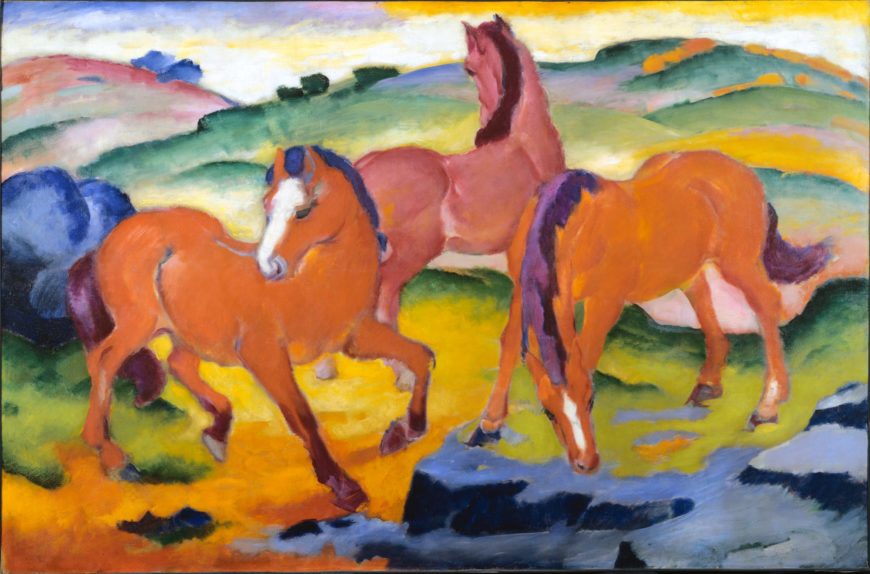
Franz Marc and the animalization of art
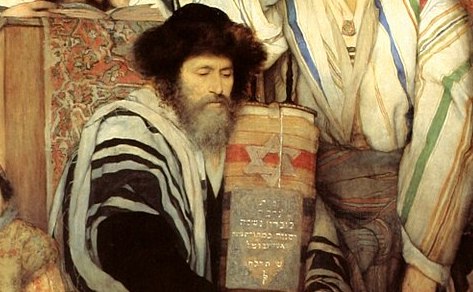
Jewish history 1750 to WW II

Jewish history in the post-war period
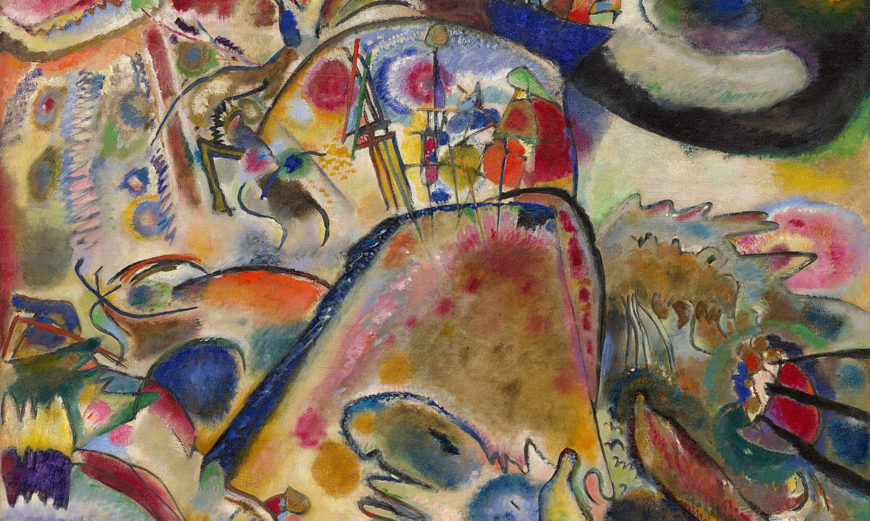
Kandinsky, Apocalypse, Abstraction
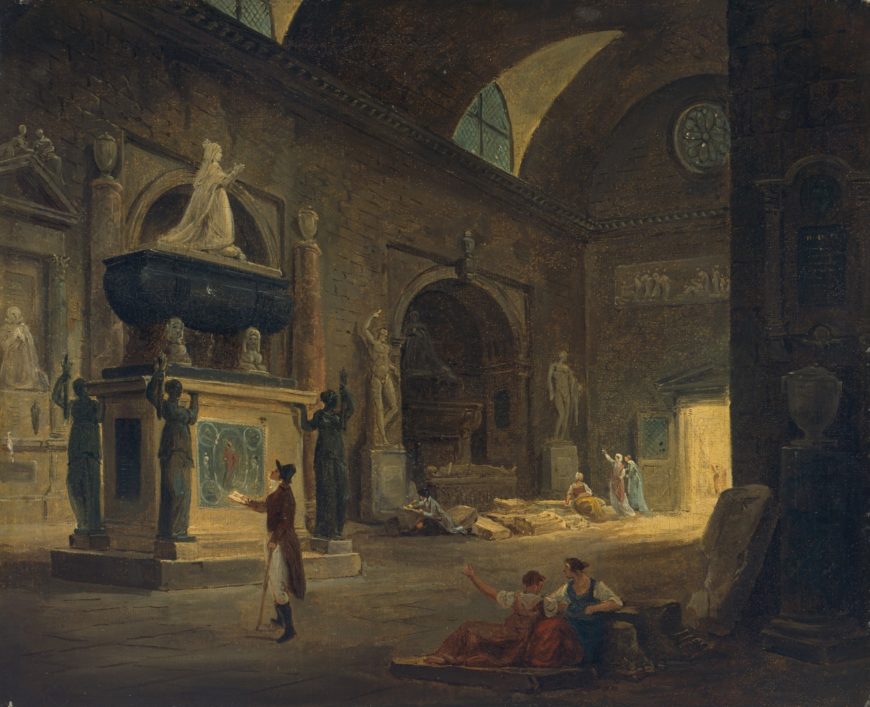
Local art appropriation in France—a study of the loot in the Louvre Museum
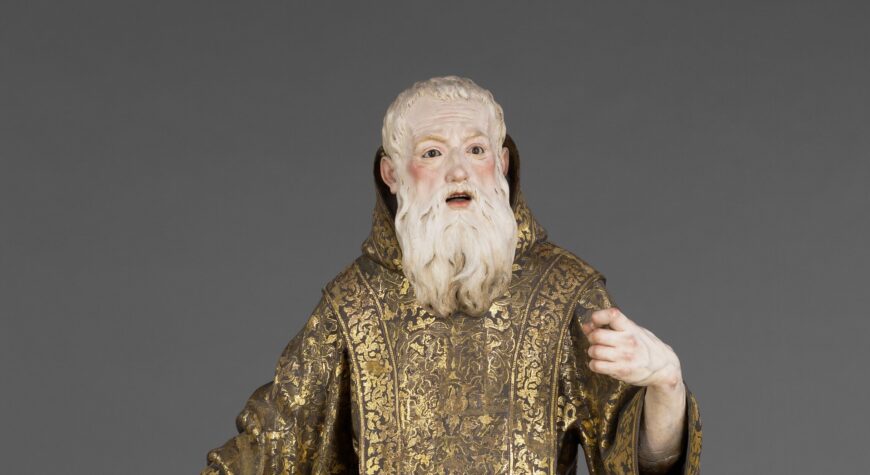
Making a Spanish polychrome sculpture
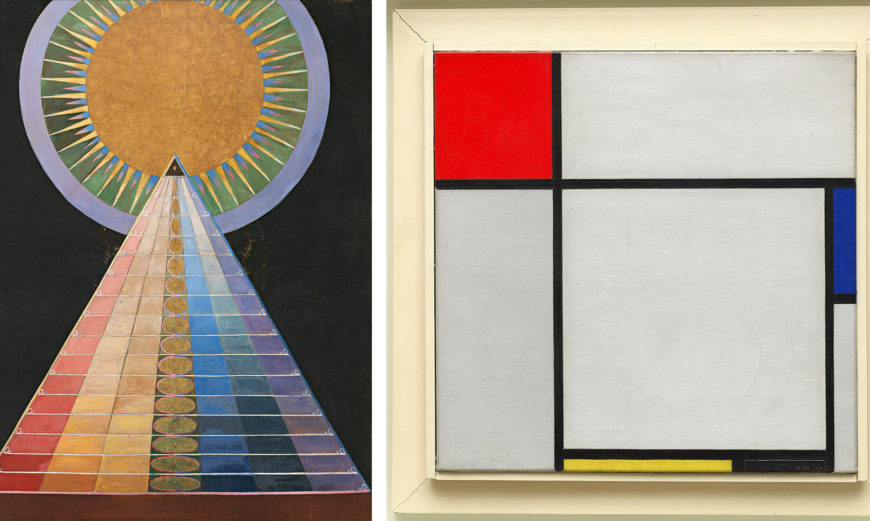
Modern art and reality
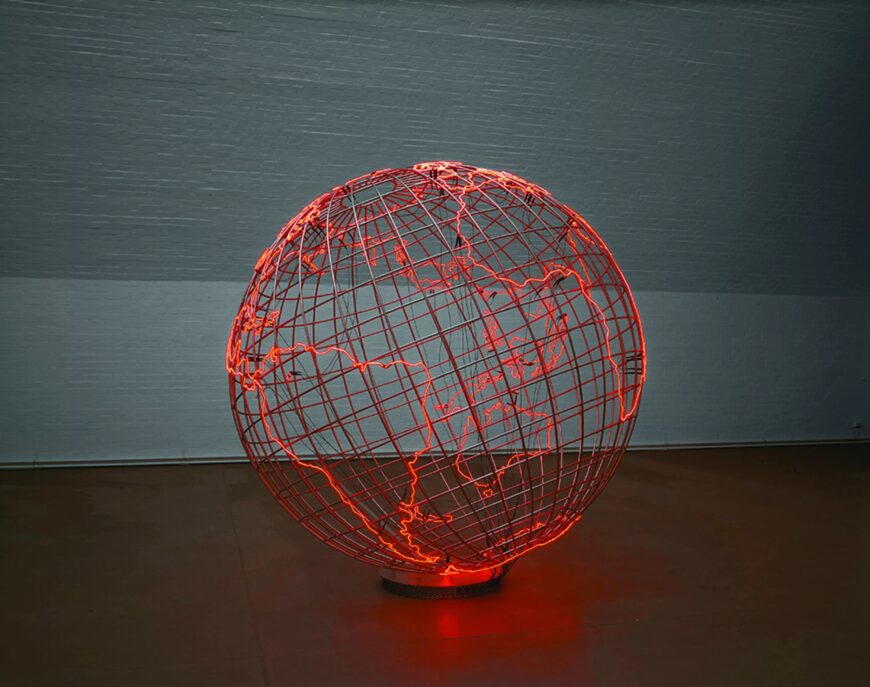
Mona Hatoum—”Nothing Is a Finished Project”
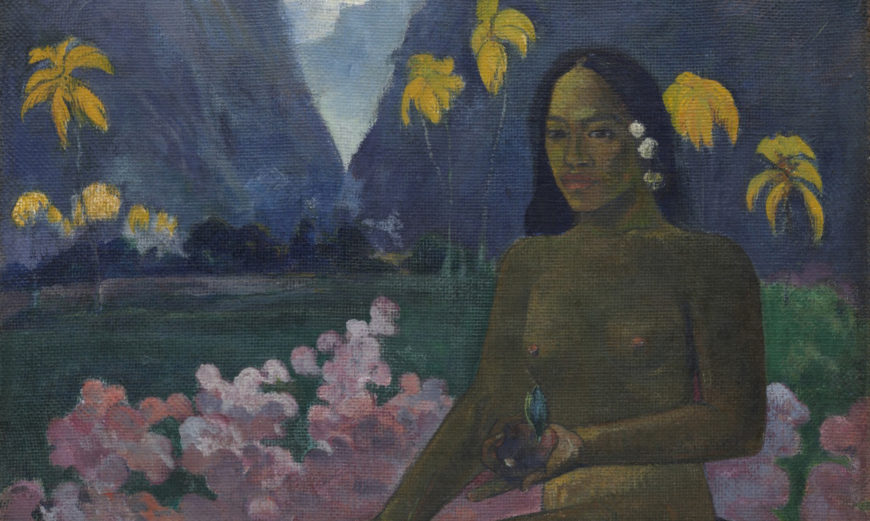
Primitivism and modern art
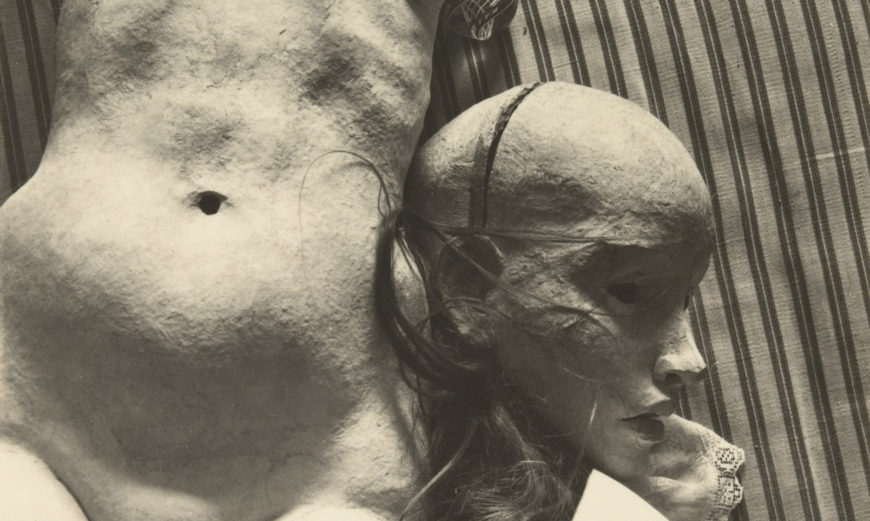
Surrealism and Psychoanalysis
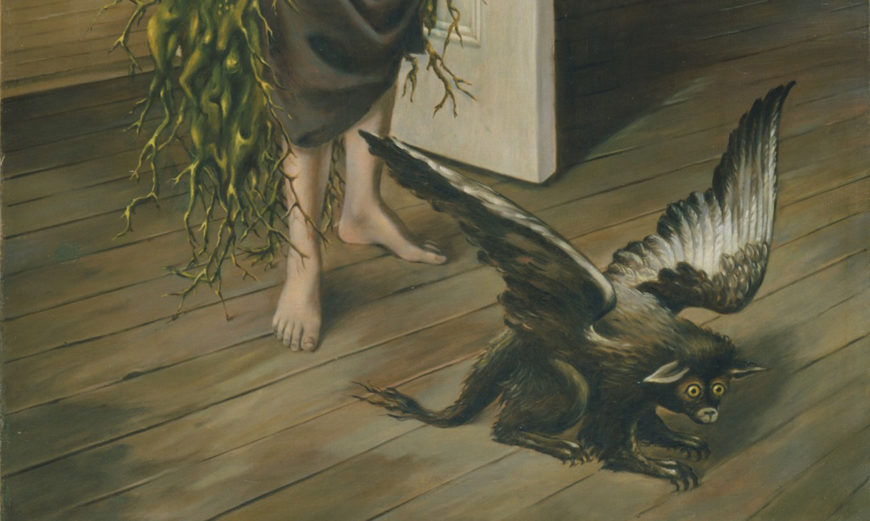
Surrealism and Women
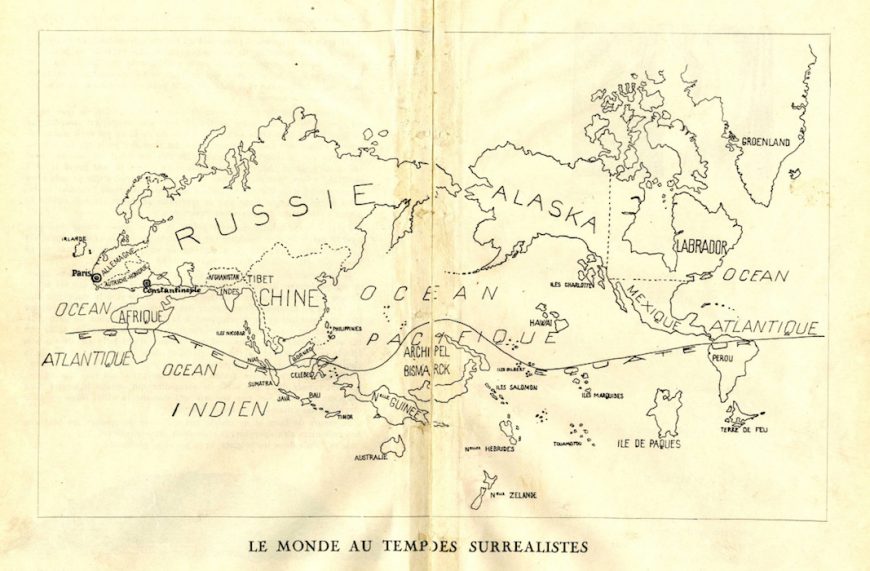
Surrealism, an introduction
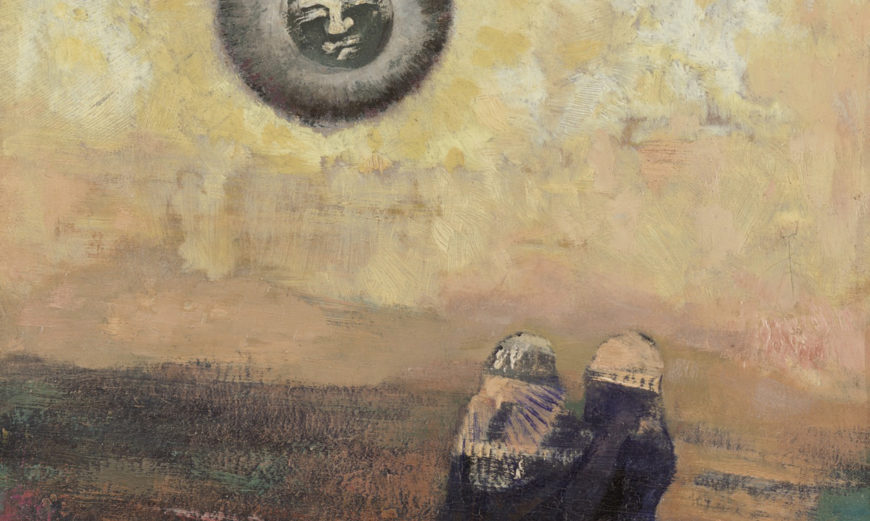
Surrealism: Origins and Precursors

Surrealist Exhibitions
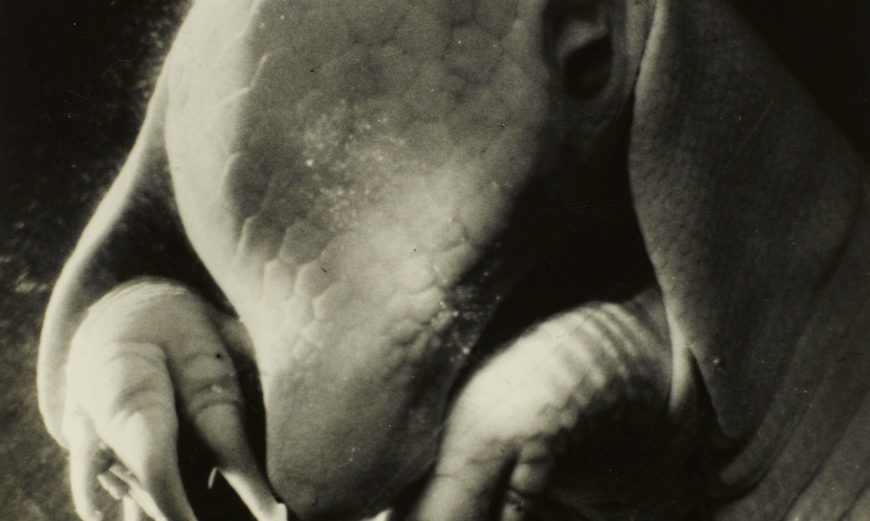
Surrealist Photography
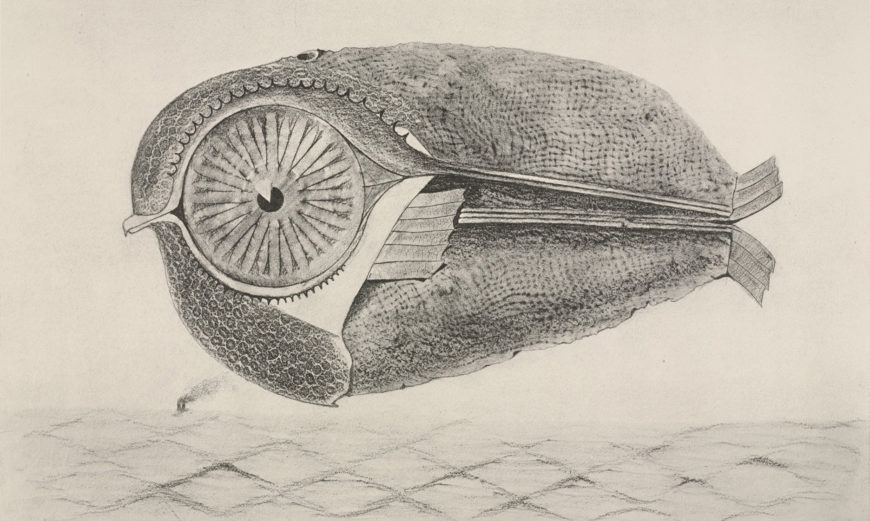
Surrealist Techniques: Automatism
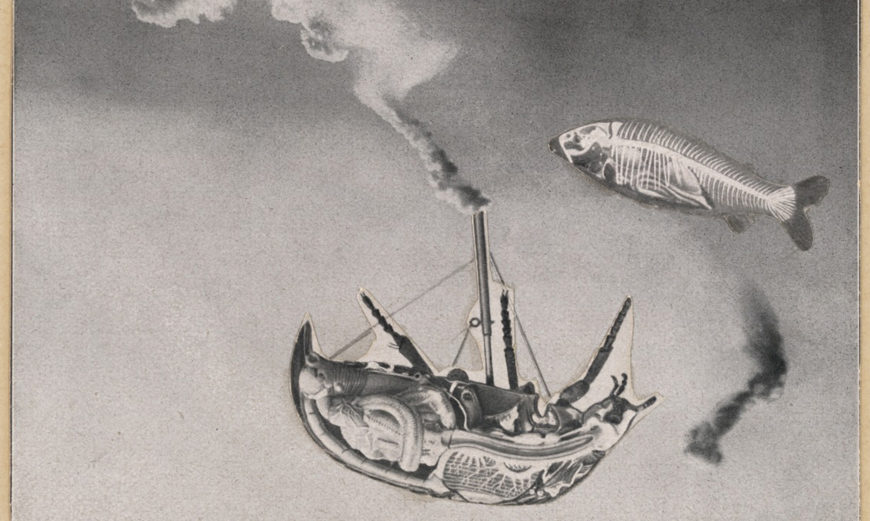
Surrealist Techniques: Collage
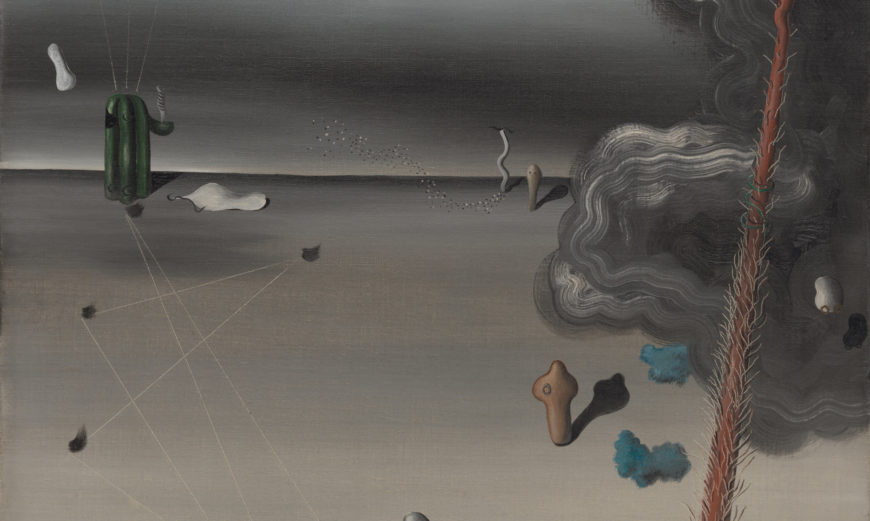
Surrealist Techniques: Subversive Realism

Simultanism: Robert Delaunay
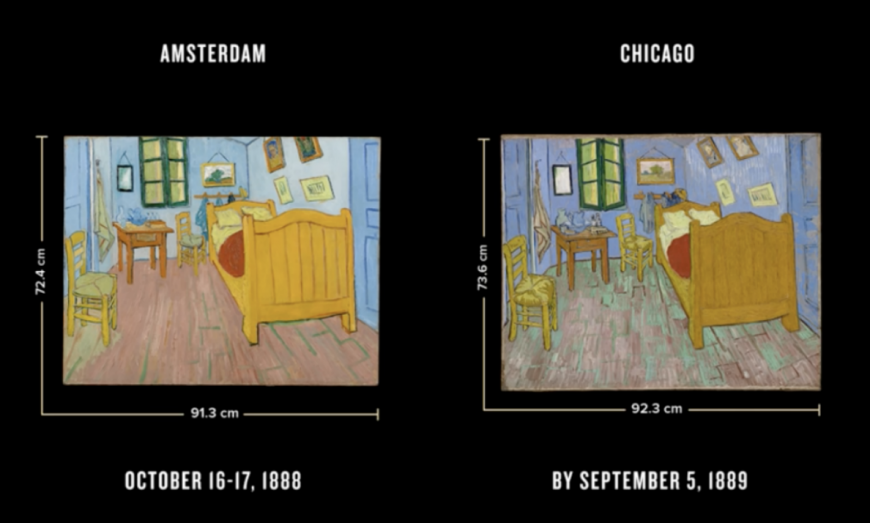
The Science of Van Gogh’s Bedrooms
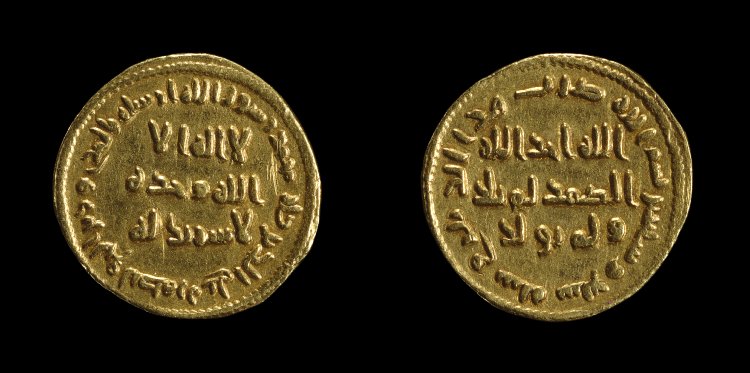
The Umayyads, an introduction
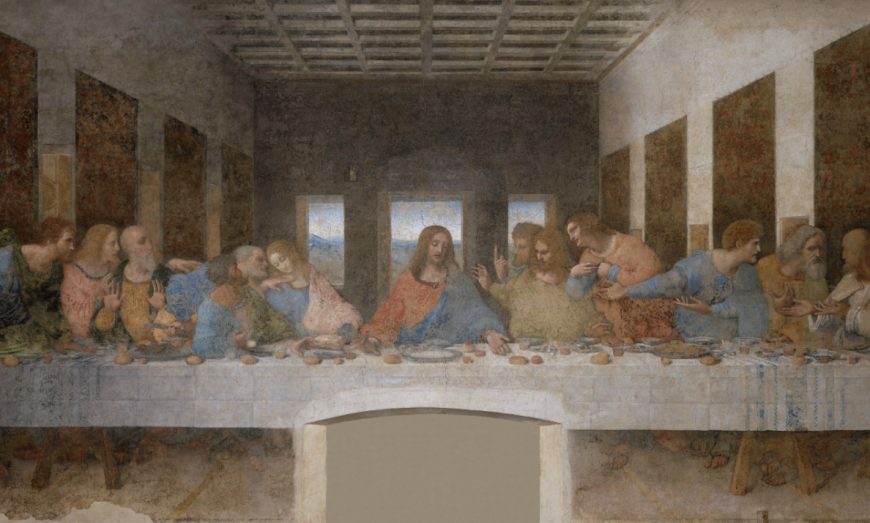
Linear perspective explained
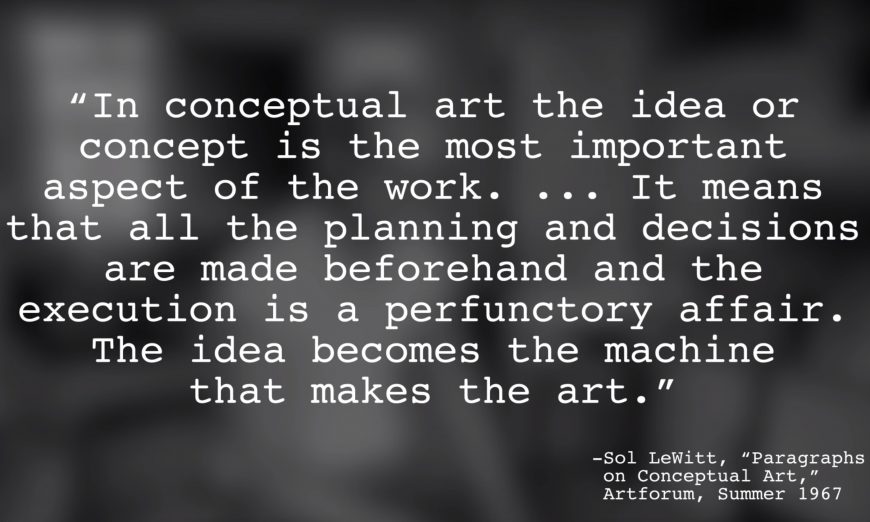
The case for Conceptual art
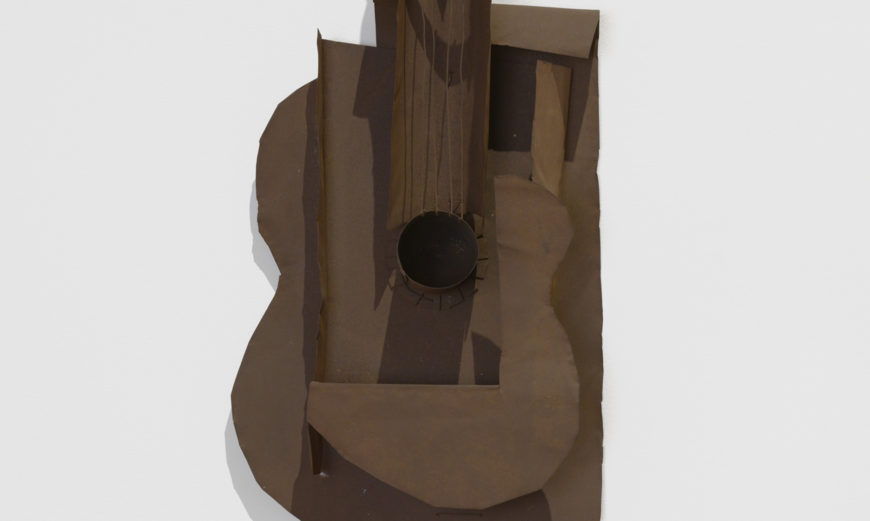
Cubist Sculpture I
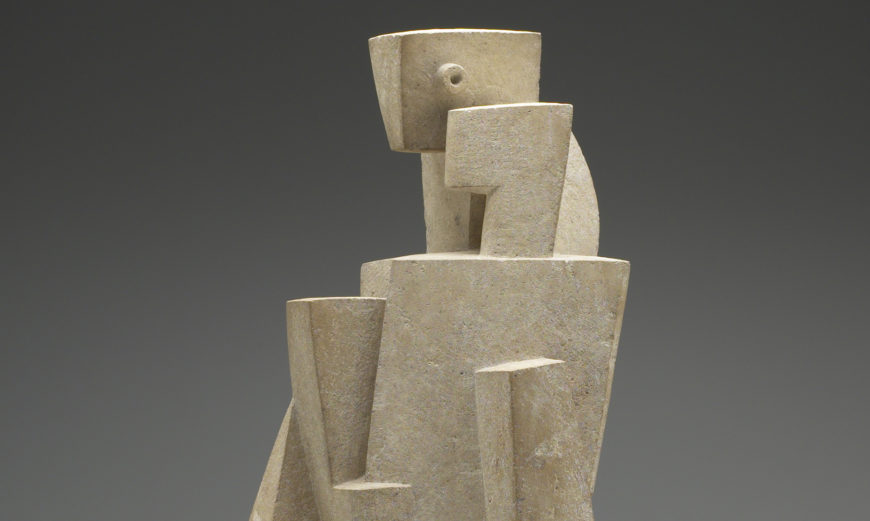
Cubist Sculpture II
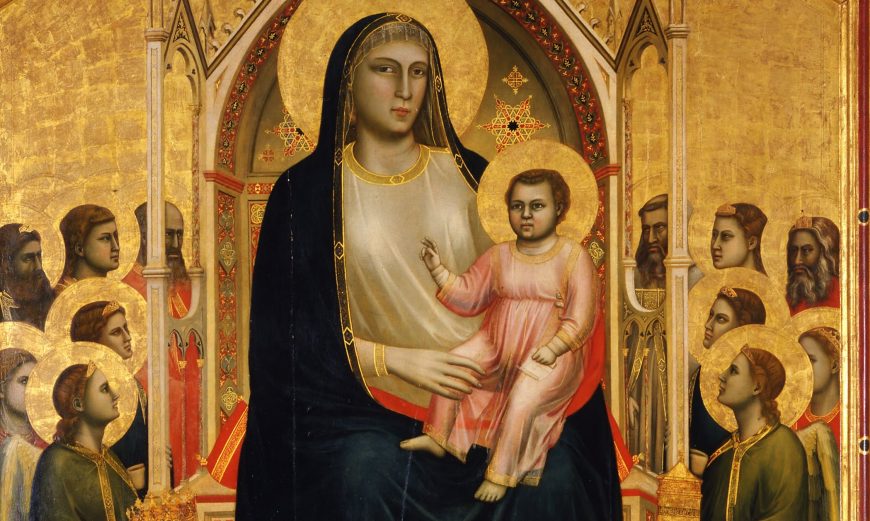
Florence in the Late Gothic period, an introduction
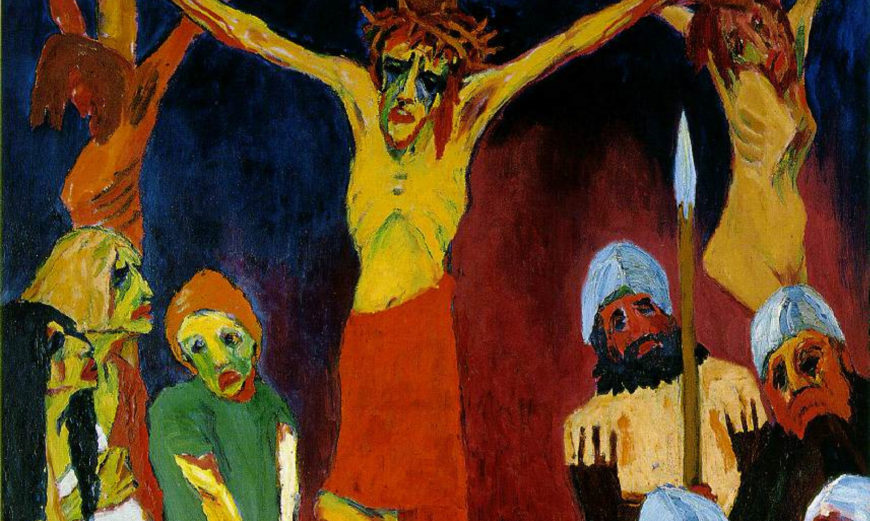
Expressionism as Nordic?
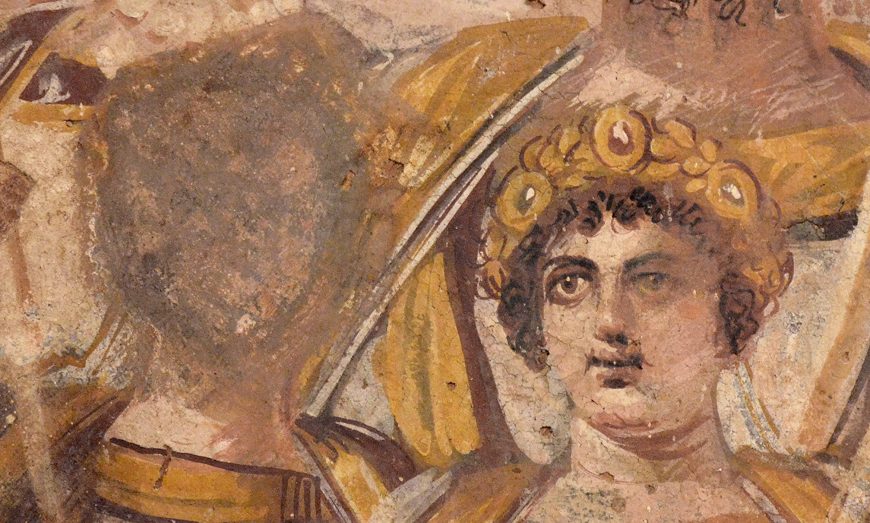
Damnatio memoriae—Roman sanctions against memory
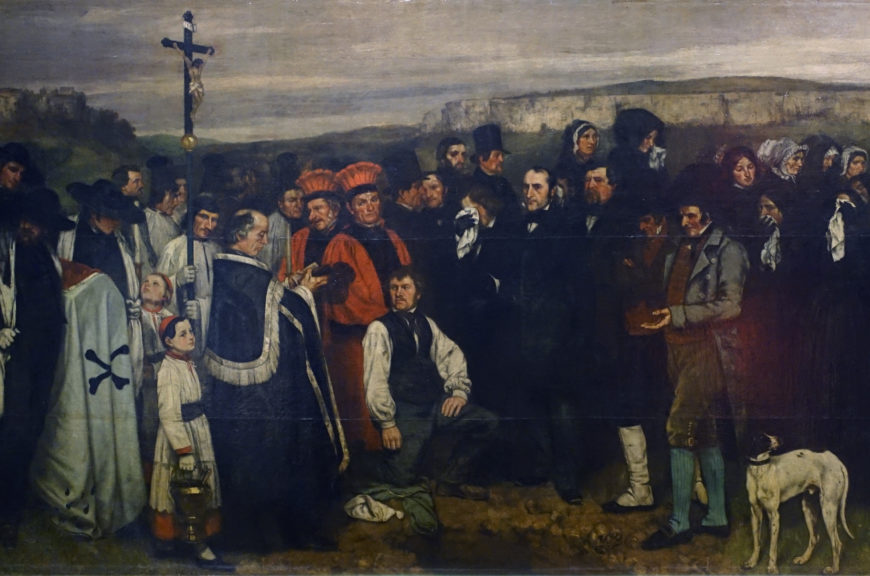
Realism, an introduction
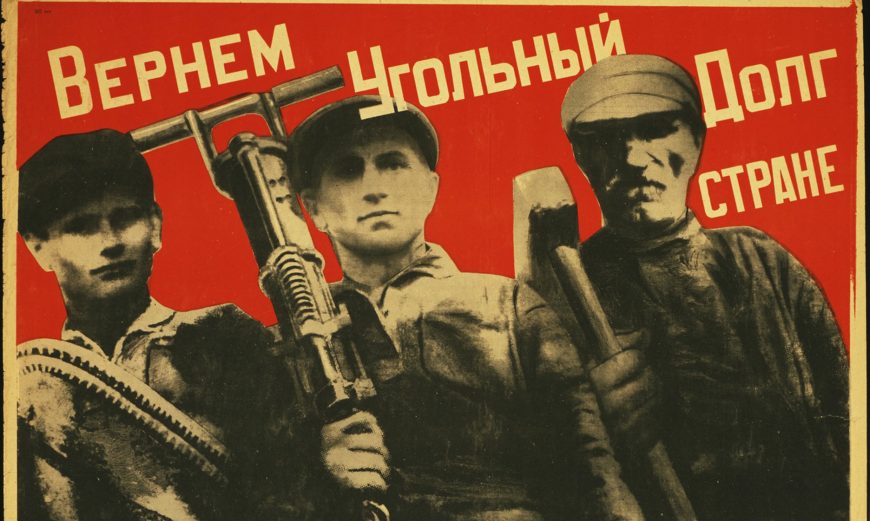
Constructivism, Part II
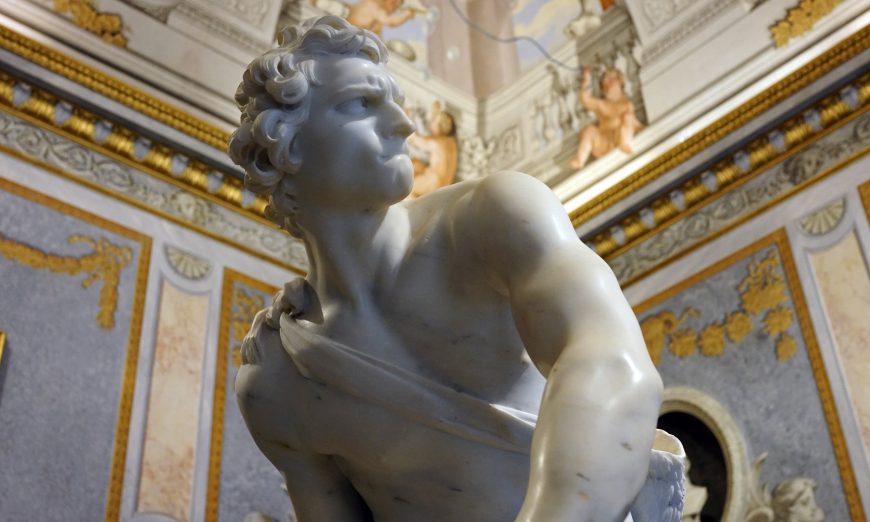
How to recognize Baroque art
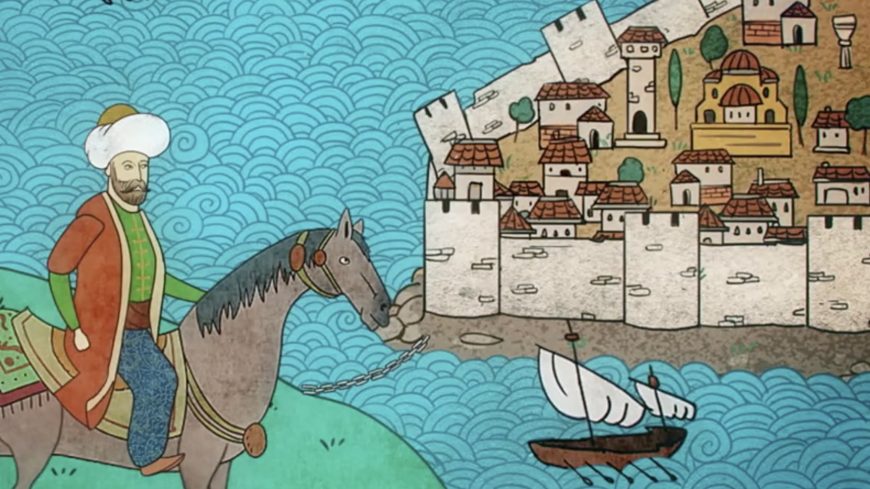
The rise of the Ottoman Empire
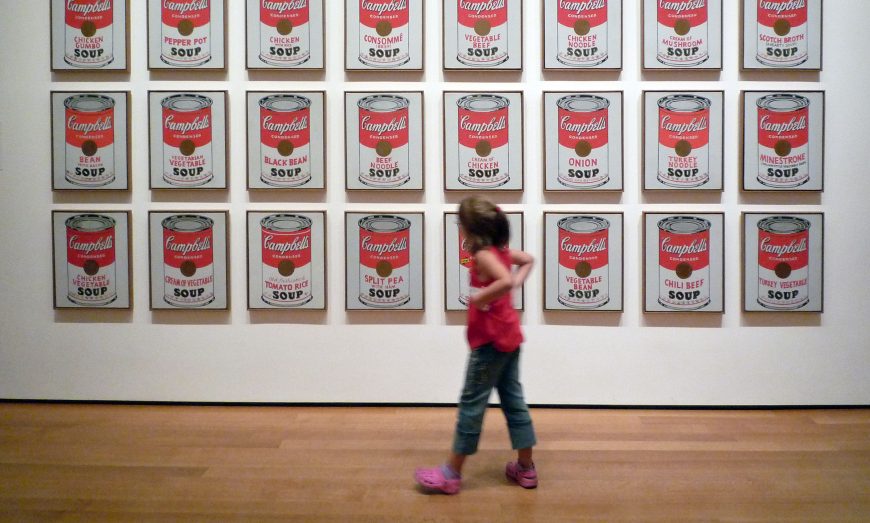
Contemporary art, an introduction
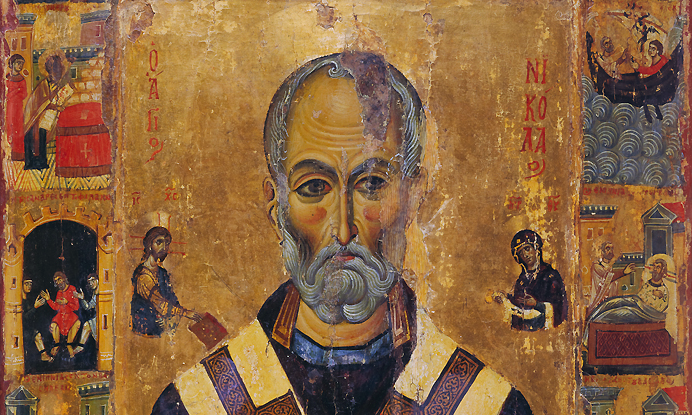
The vita icon in the medieval era
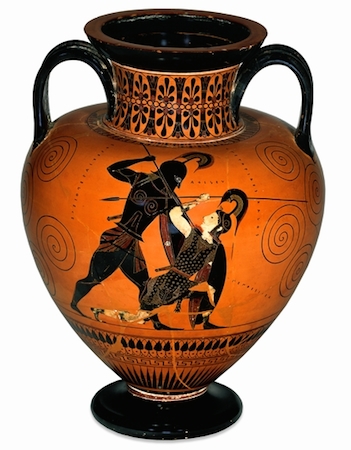
Ancient Greece, an introduction
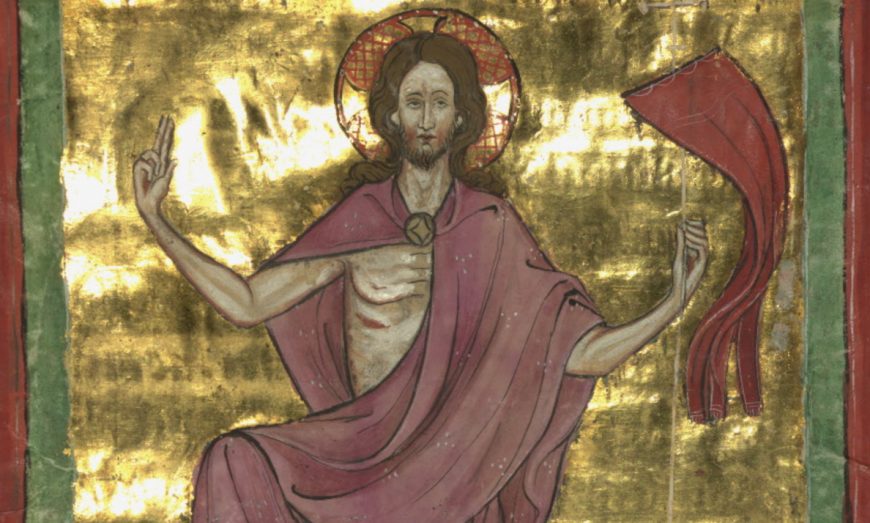
The life of Christ in medieval and Renaissance art
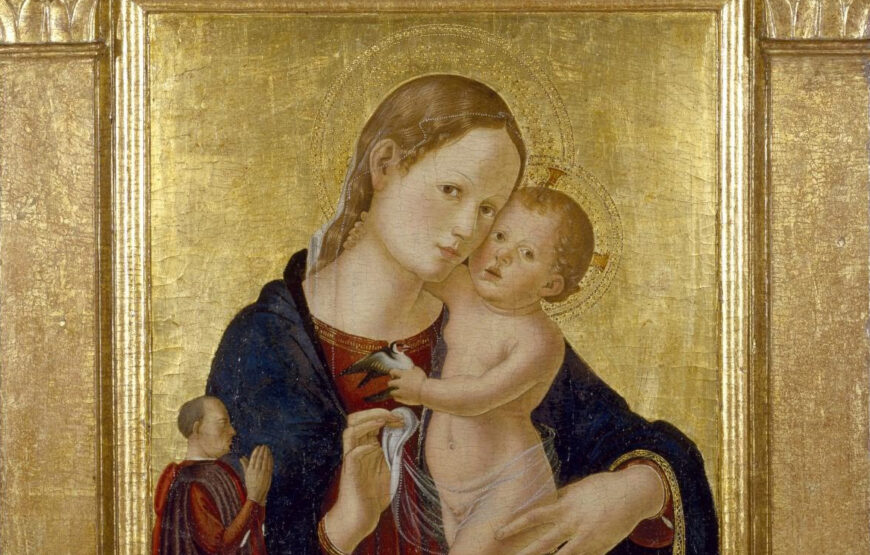
Retro style in the Italian Renaissance
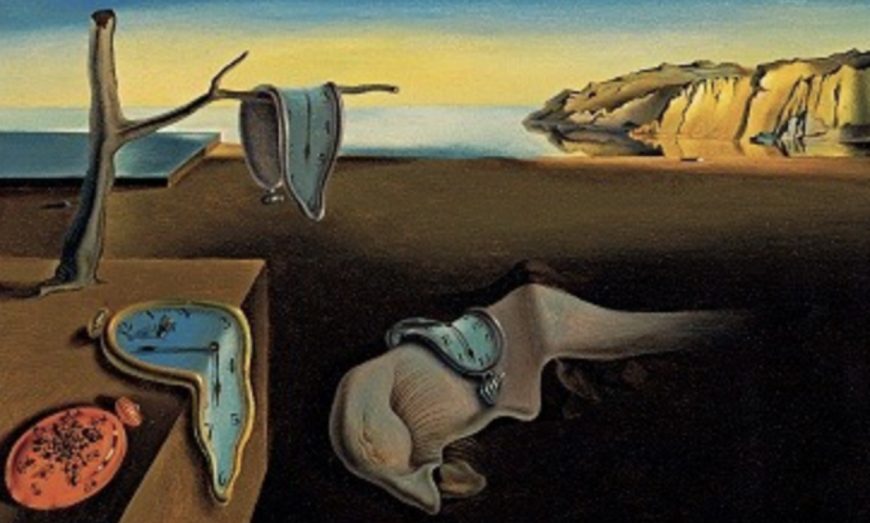
The Case for Surrealism
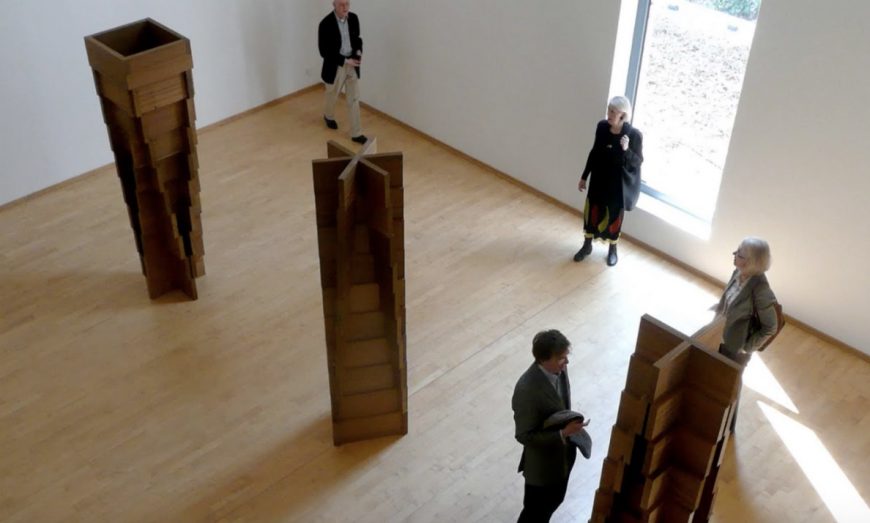
The case for Minimalism
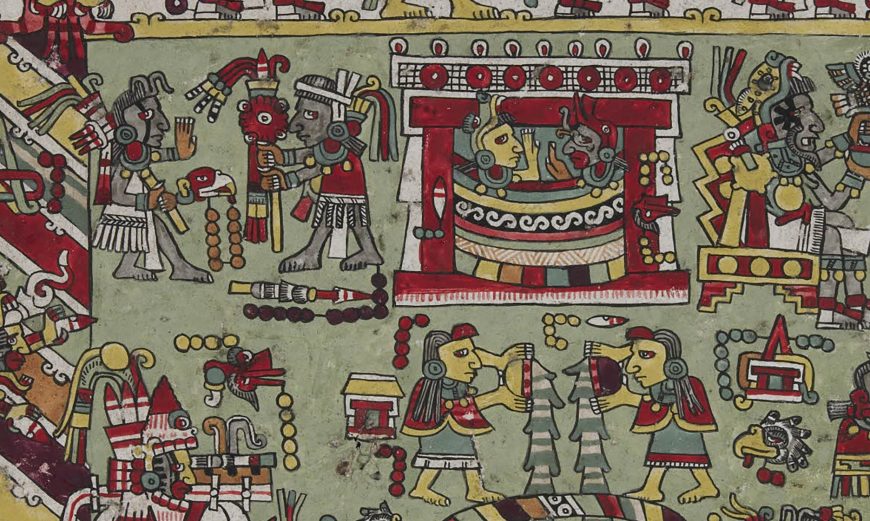
The bug that had the world seeing red
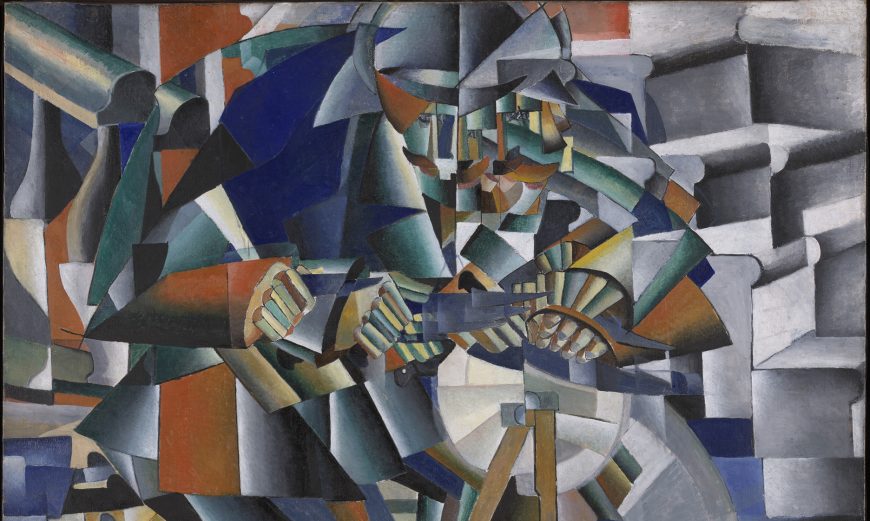
Kazimir Malevich and Cubo-Futurism
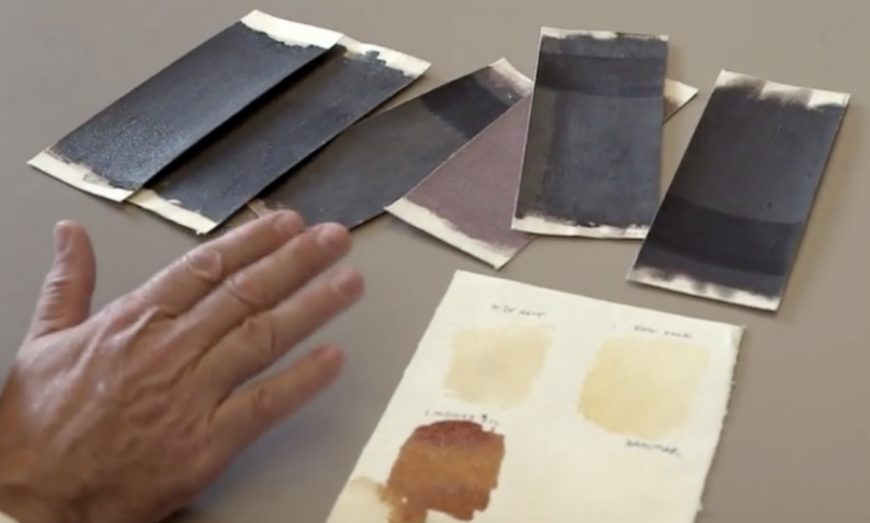
Investigating Rothko’s technique
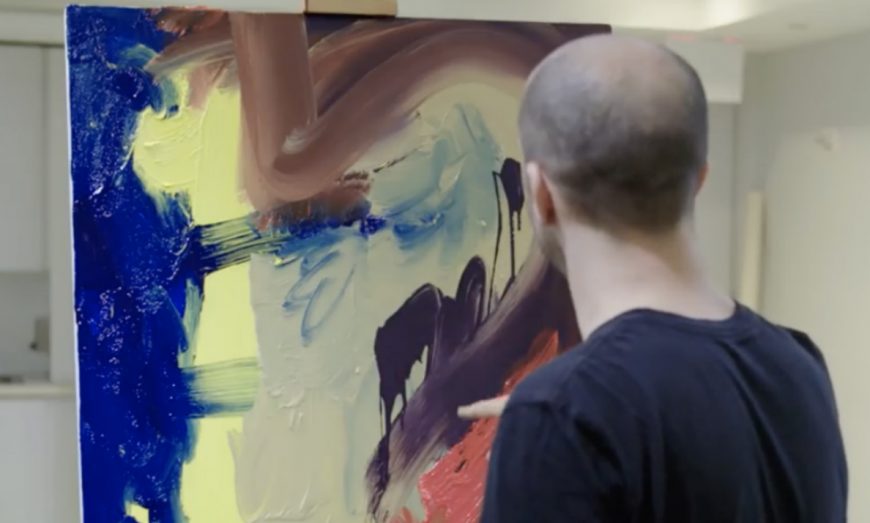
How to paint like Willem de Kooning
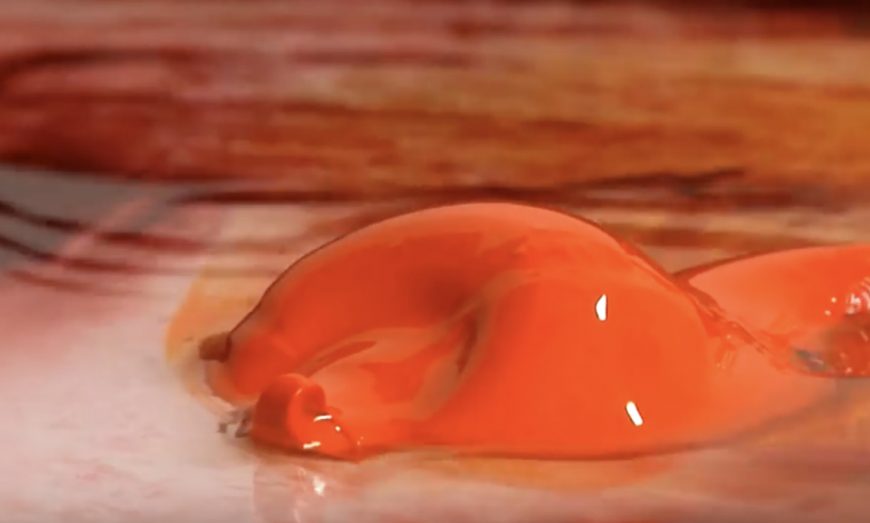
How to paint like Mark Rothko
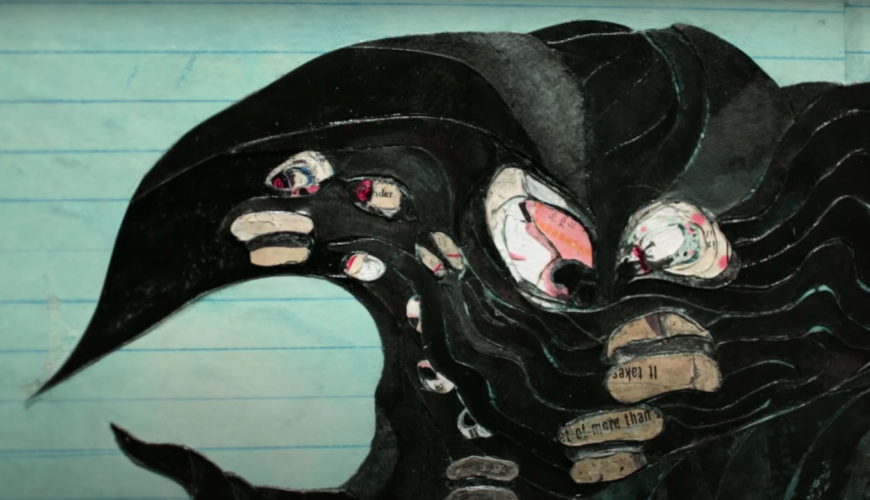
Ellen Gallagher: Cutting
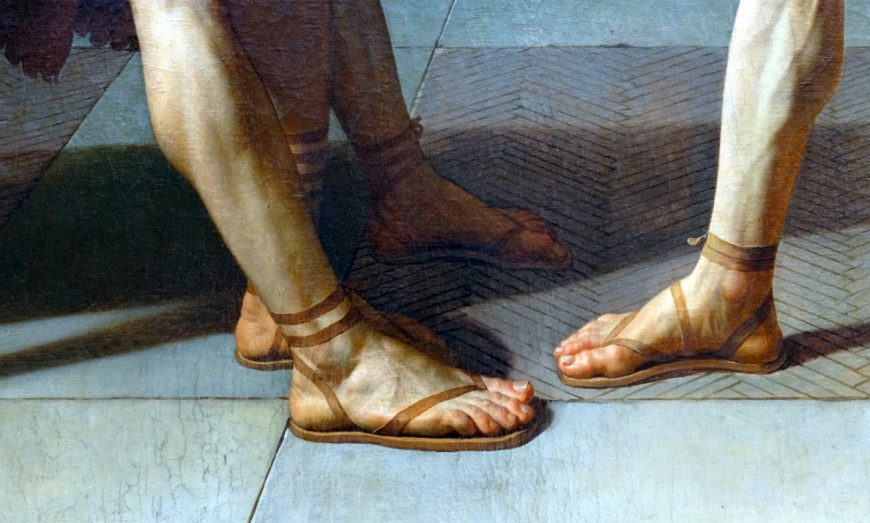
Neoclassicism, an introduction
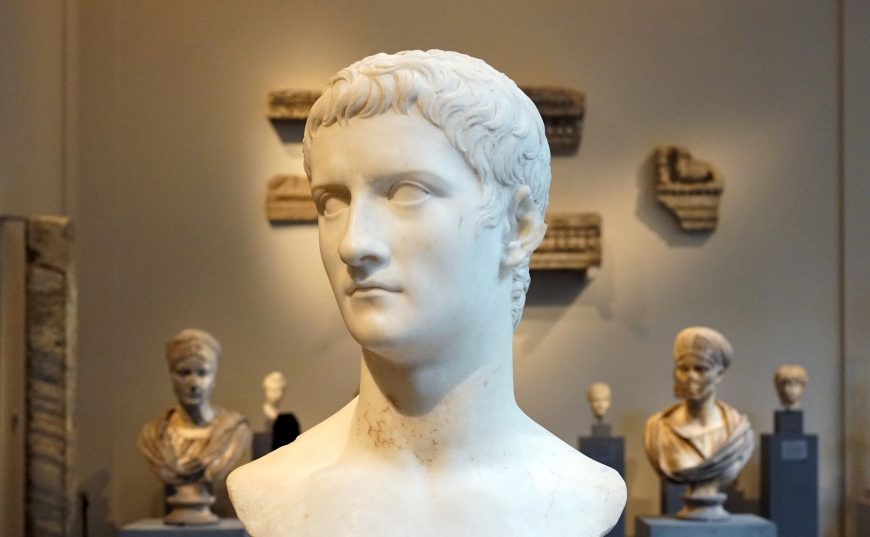
Rome’s history in four faces at The Met
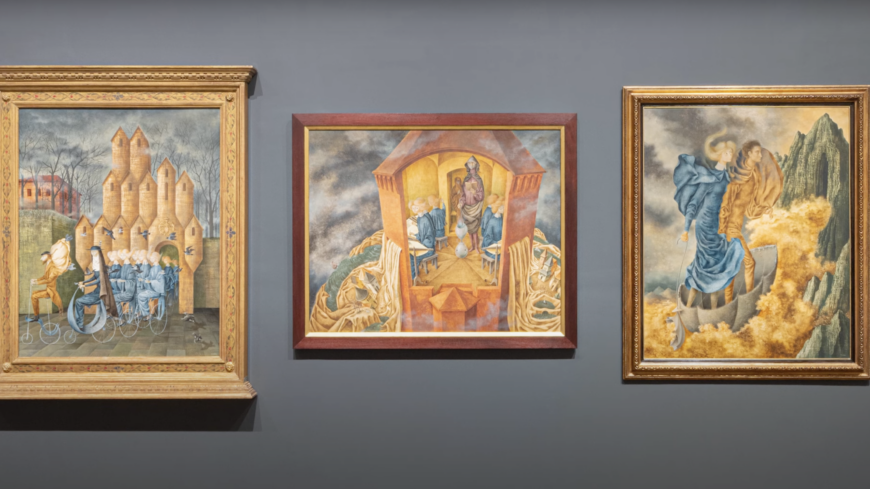
Surrealism: Imagining A New World
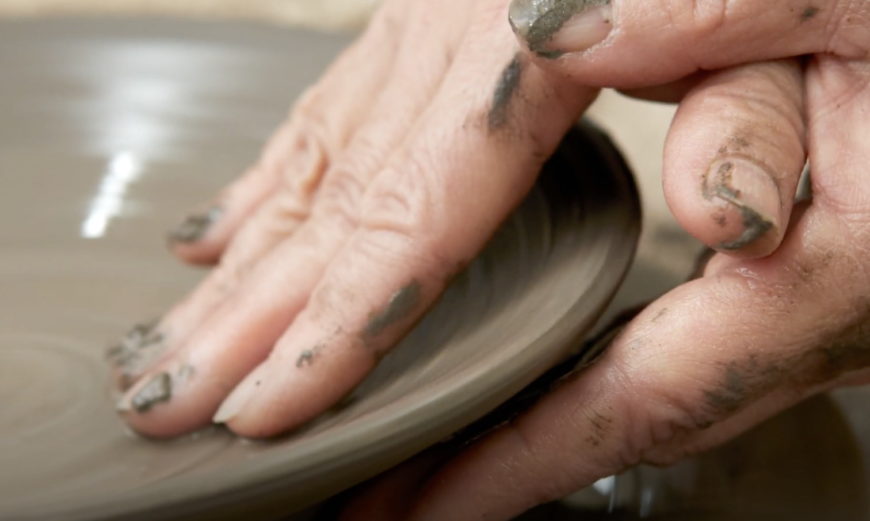
An interview with artist Ogawa Machiko
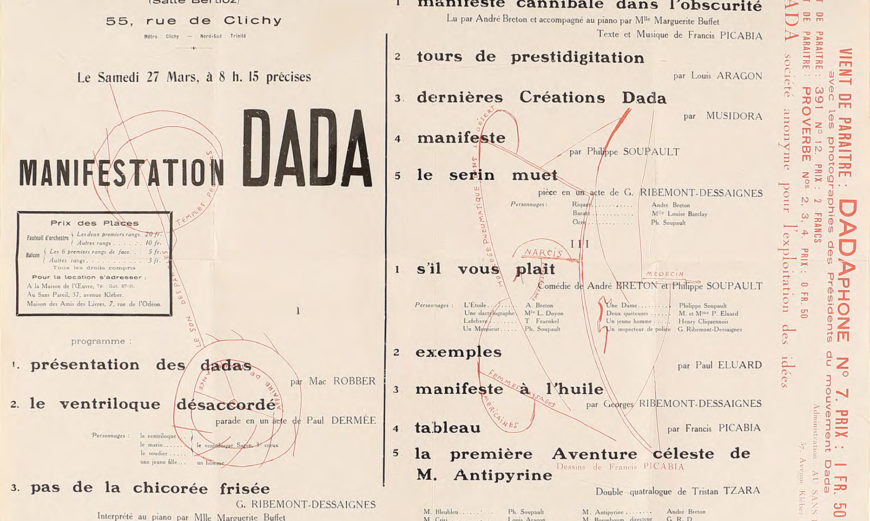
Dada performance
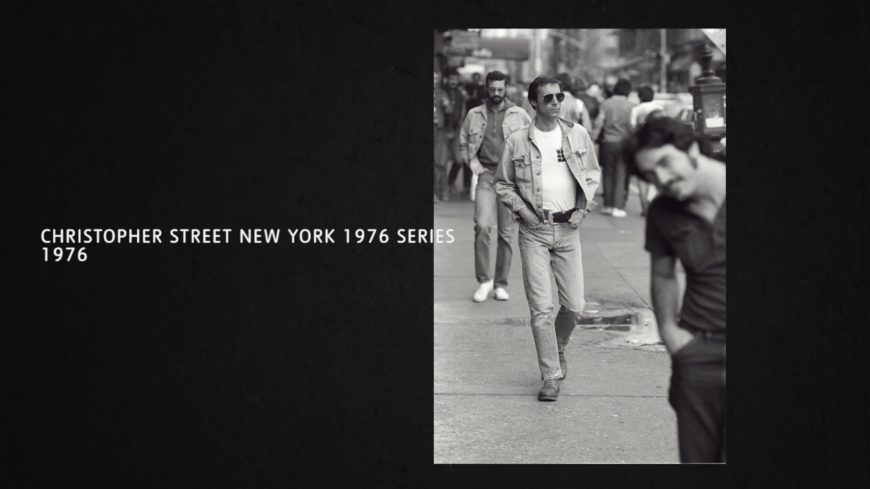
An interview with Sunil Gupta

The case for Ai Weiwei
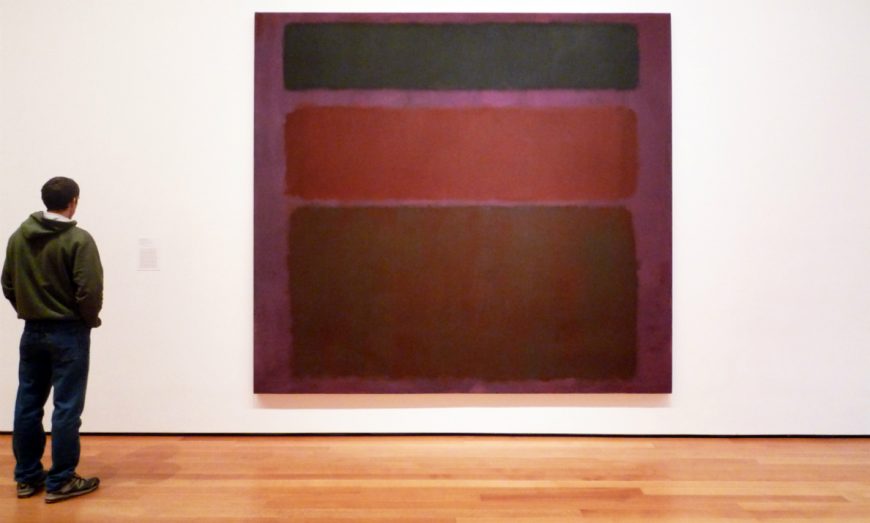
The case for Mark Rothko
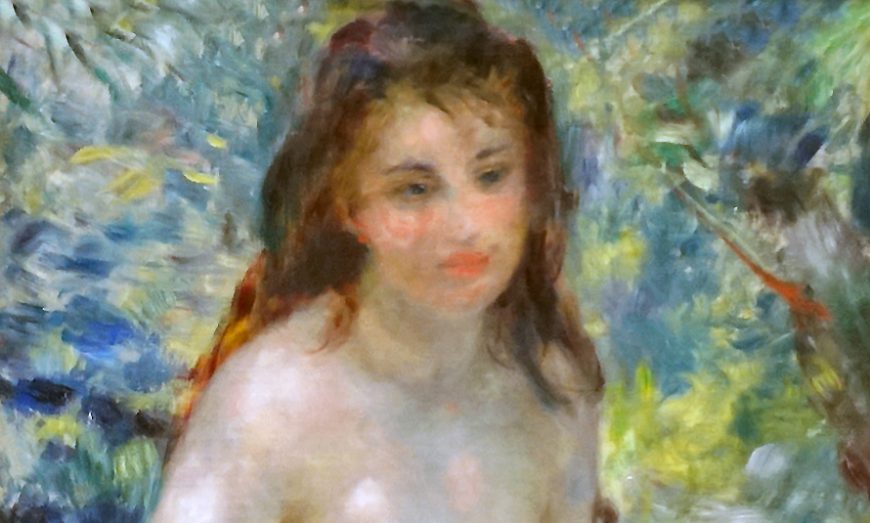
Impressionist color
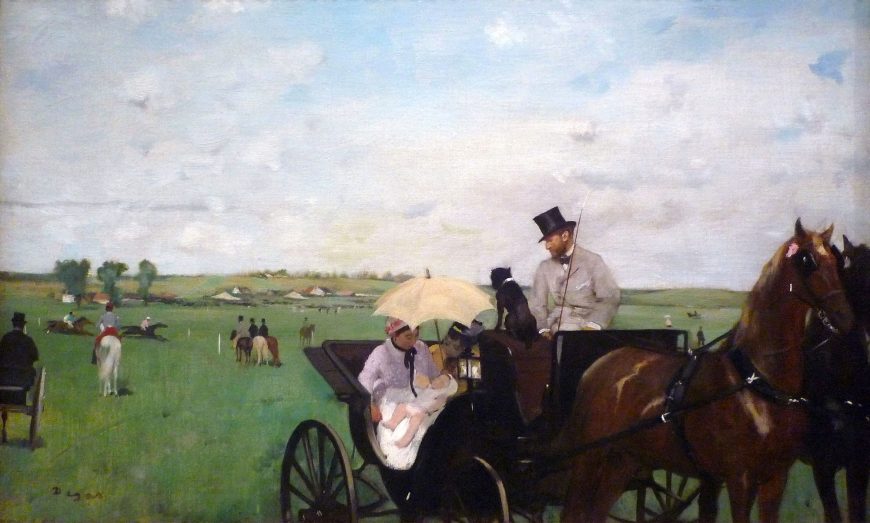
Impressionist pictorial space
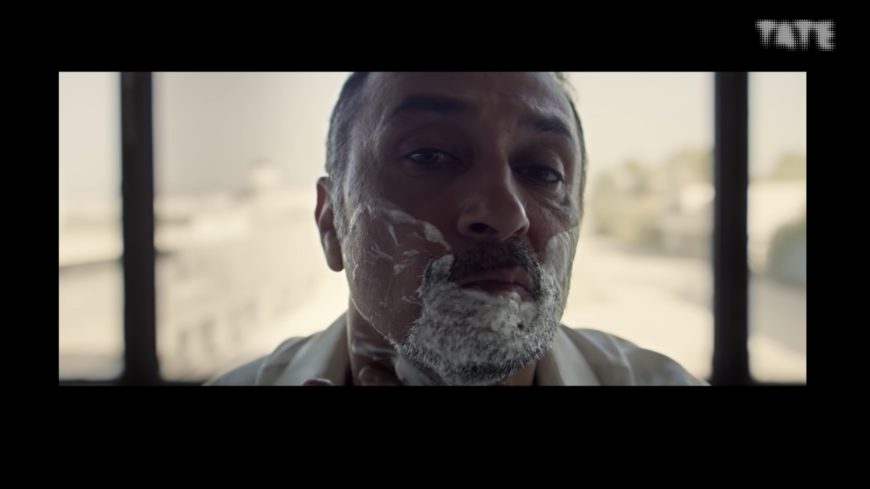
Naeem Mohaiemen

Early Christian art and architecture after Constantine
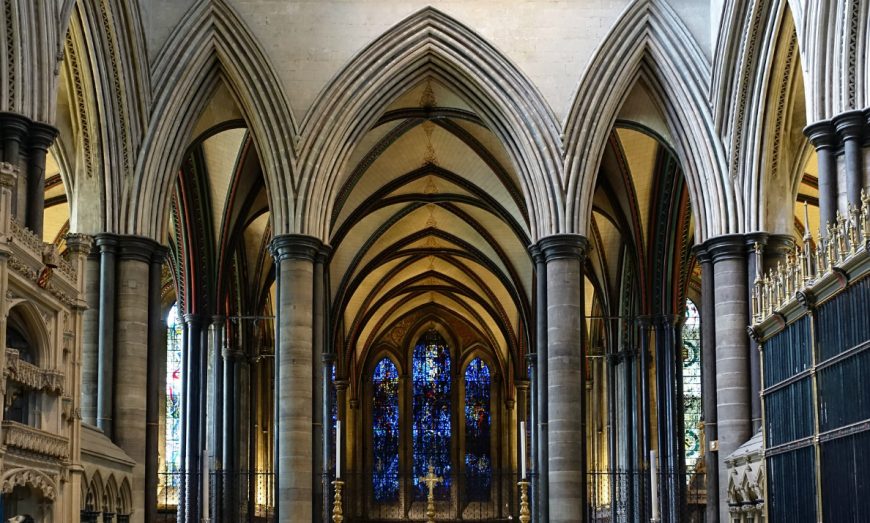
Gothic architecture, an introduction
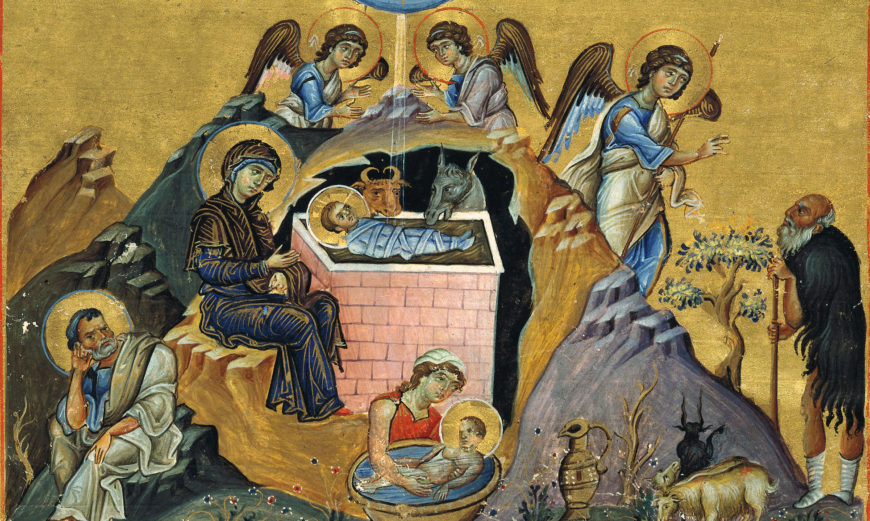
The lives of Christ and the Virgin in Byzantine art
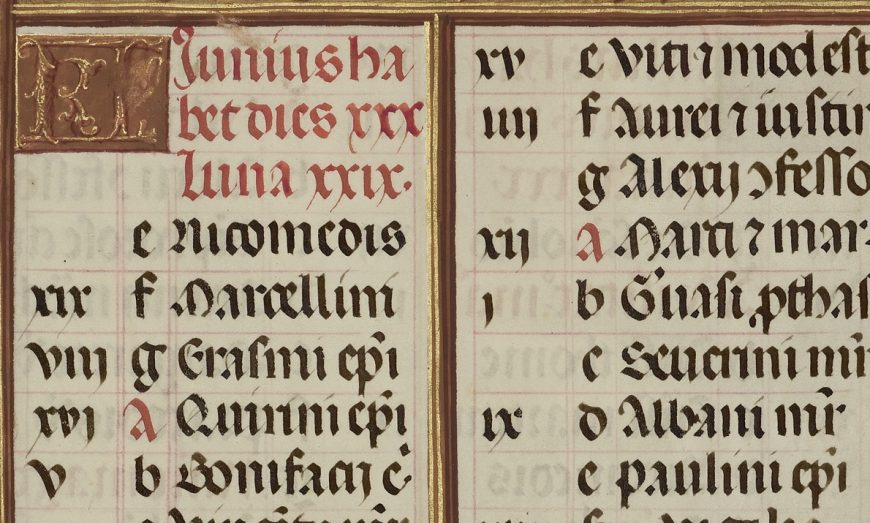
The medieval calendar
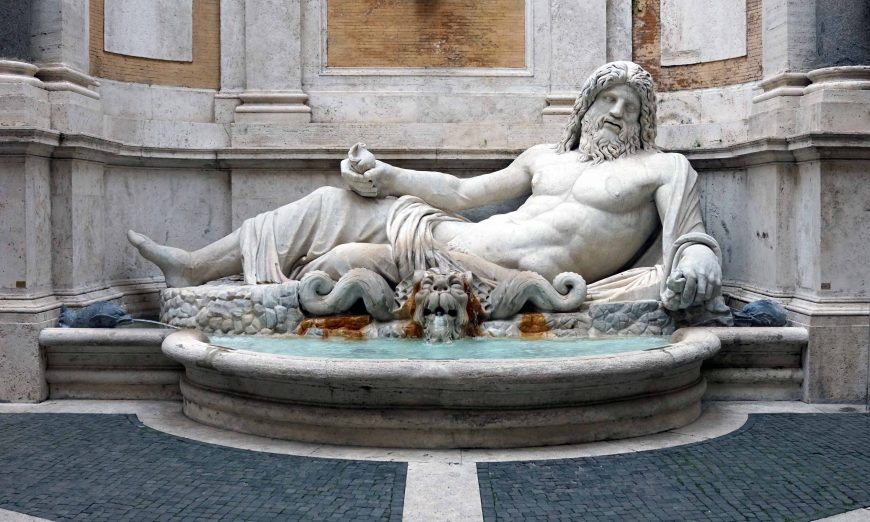
Ancient Roman art, an introduction
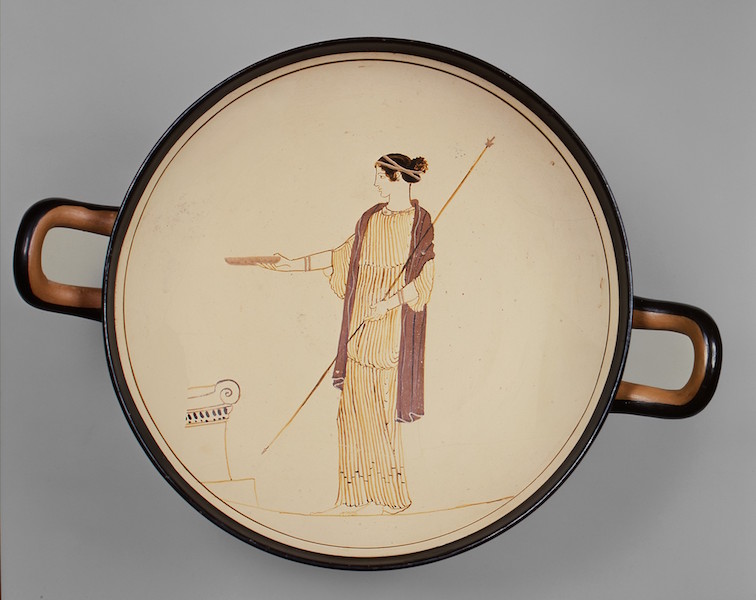
Greek Vase-Painting, an introduction
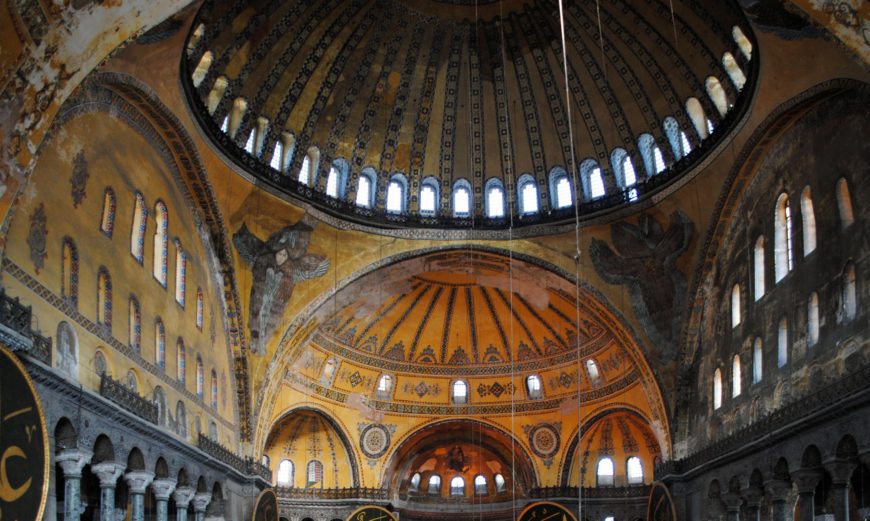
Innovative architecture in the age of Justinian

Atmospheric perspective explained
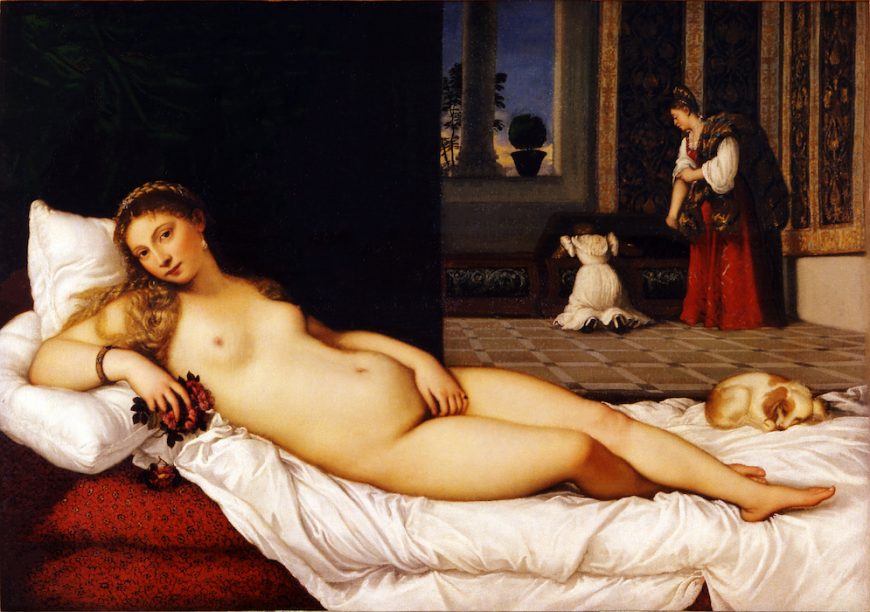
Chiaroscuro explained
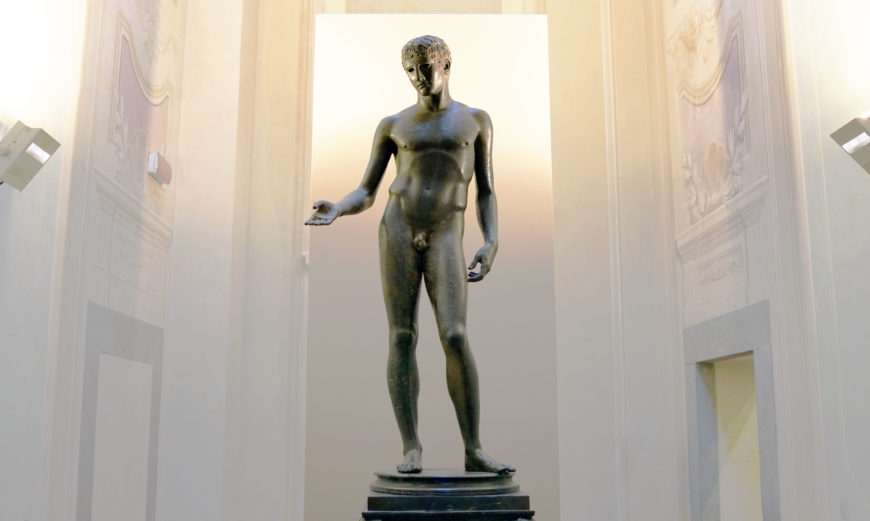
Contrapposto explained
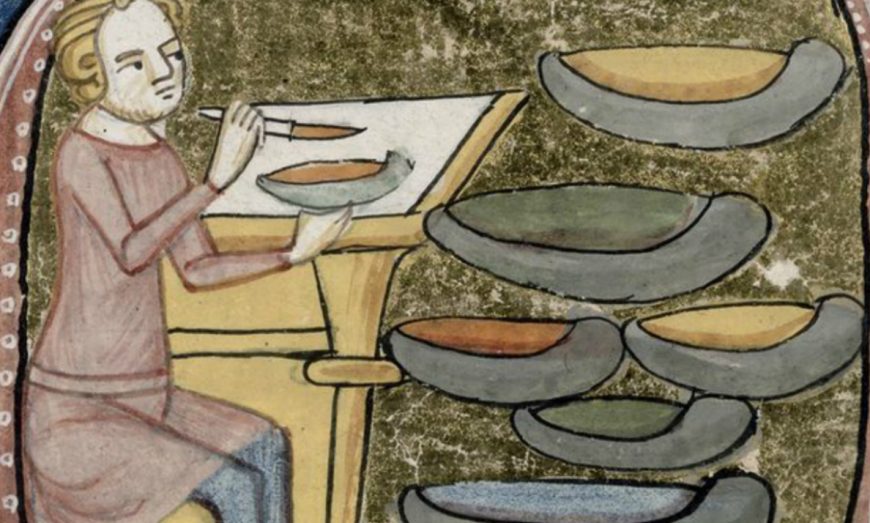
The alchemy of color and chemical change in medieval manuscripts
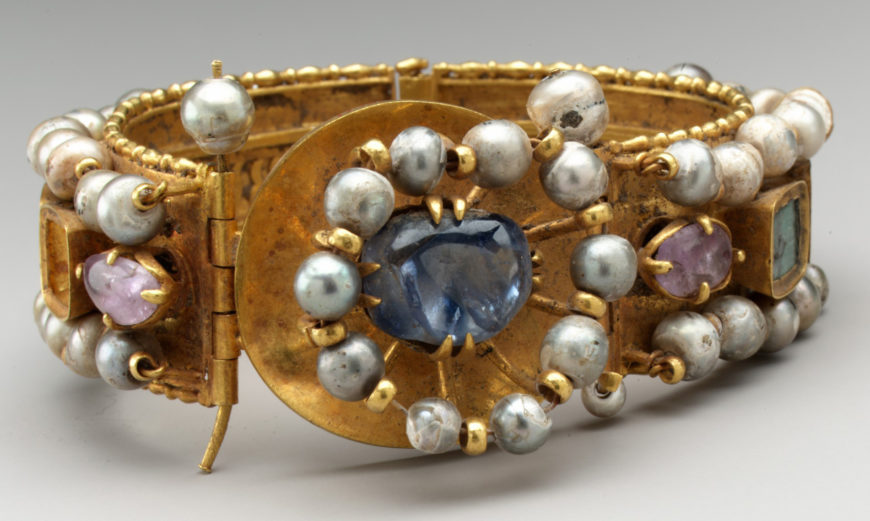
Wearable art in Byzantium
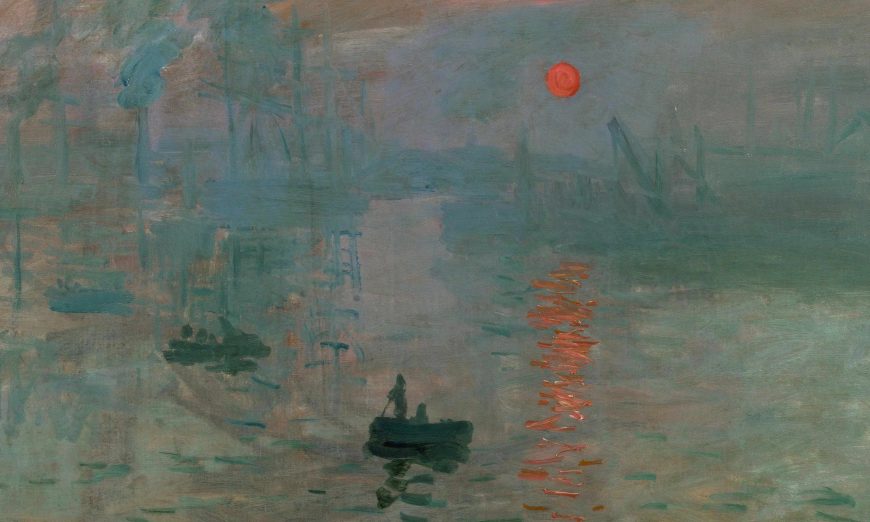
What does “Impressionism” mean?
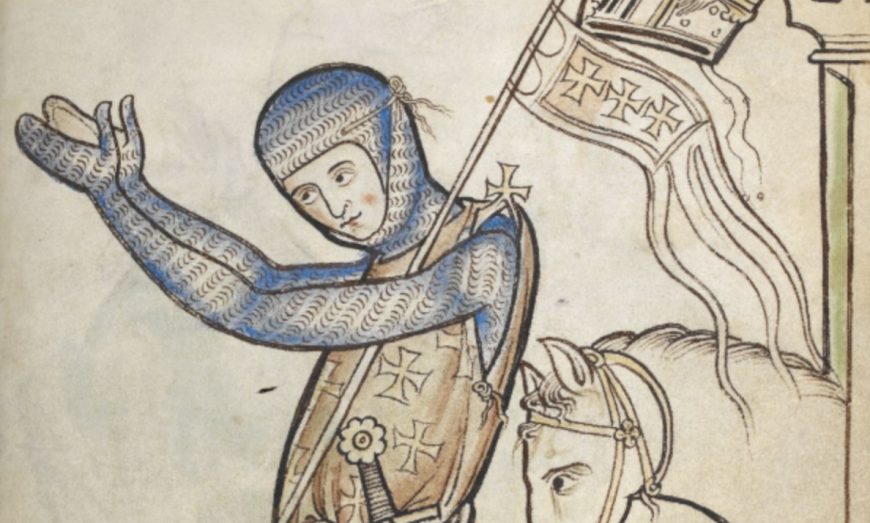
What were the crusades?
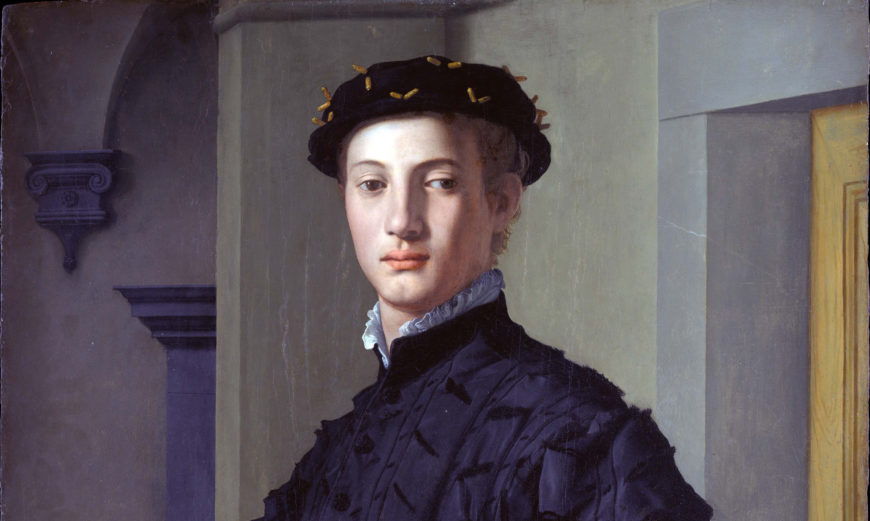
Why commission artwork during the renaissance?
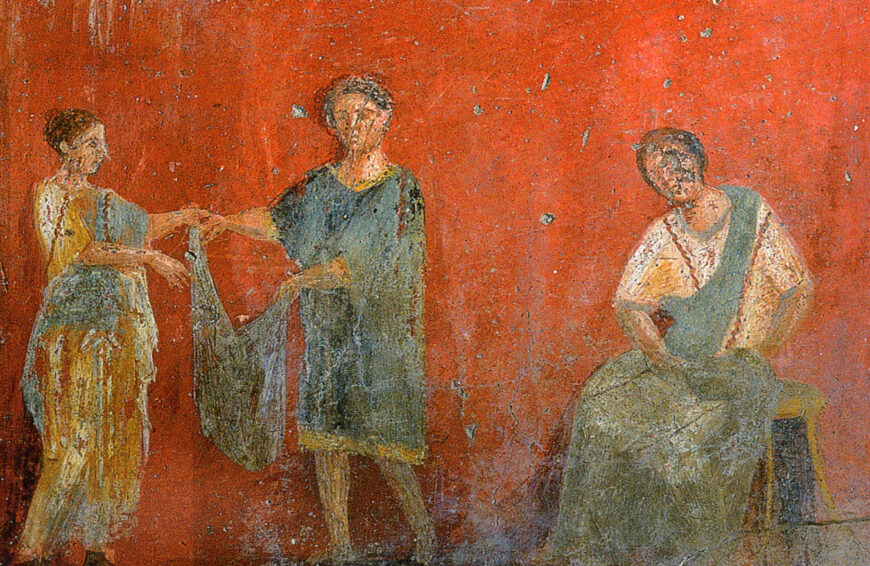
Women in Roman art
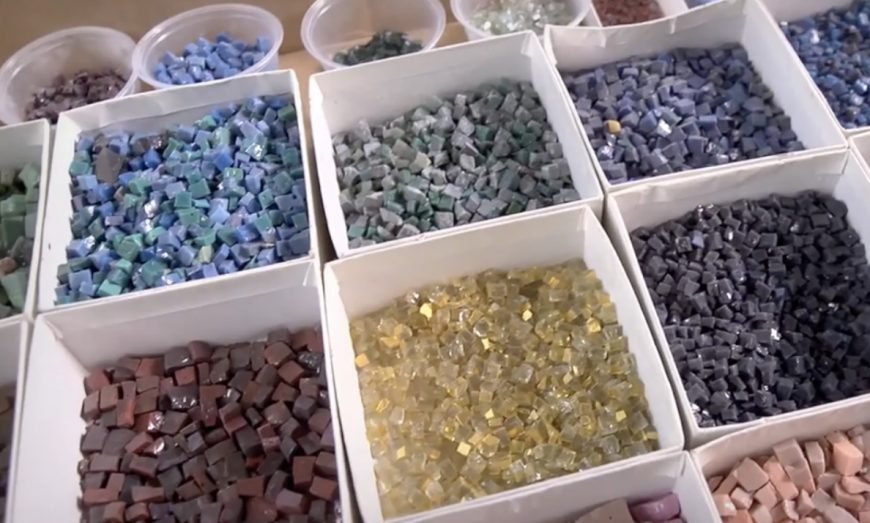
Ancient and Byzantine mosaic materials
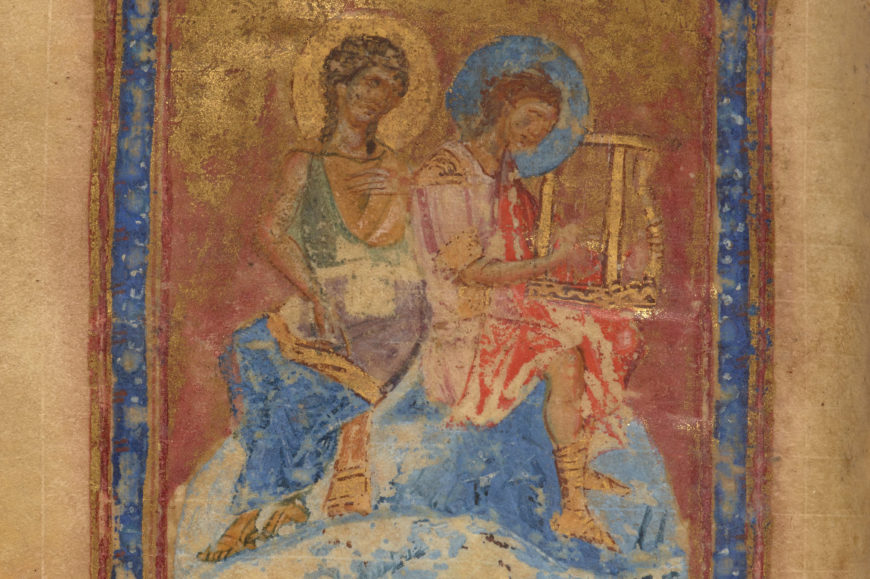
Illuminating the Psalms in Byzantium
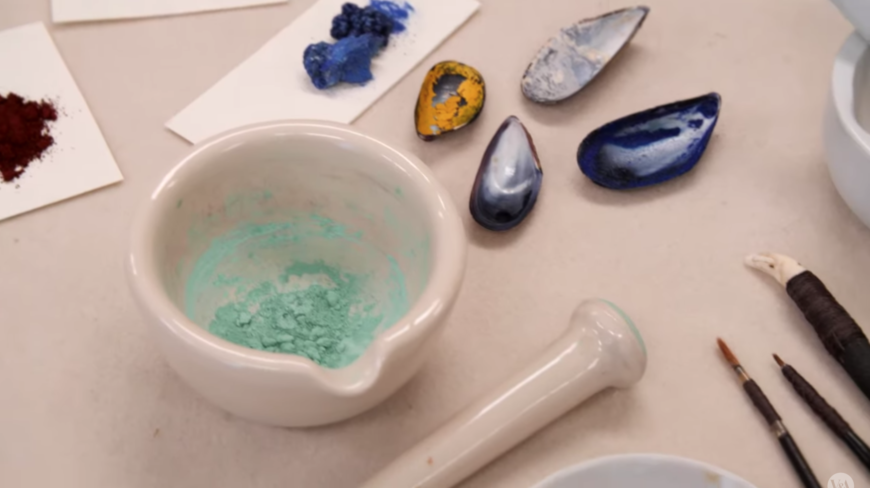
Renaissance watercolors: materials and techniques
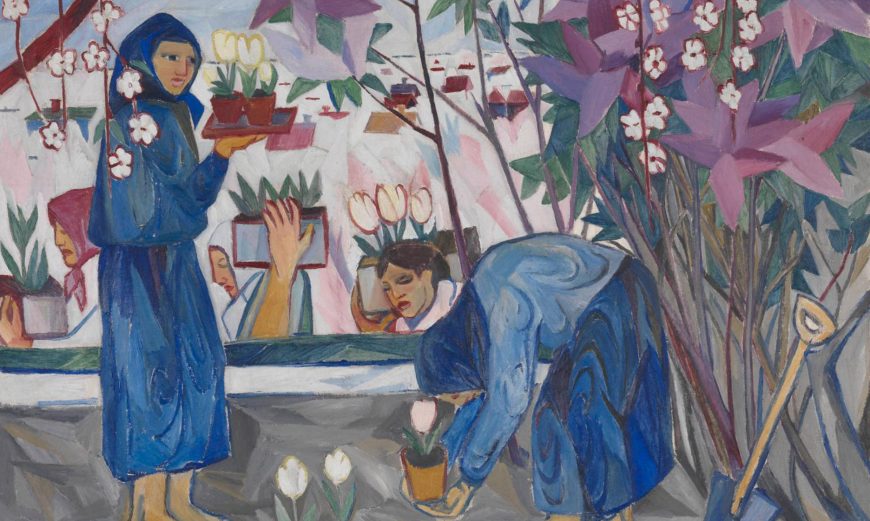
Russian Neo-Primitivism: Natalia Goncharova and Mikhail Larionov
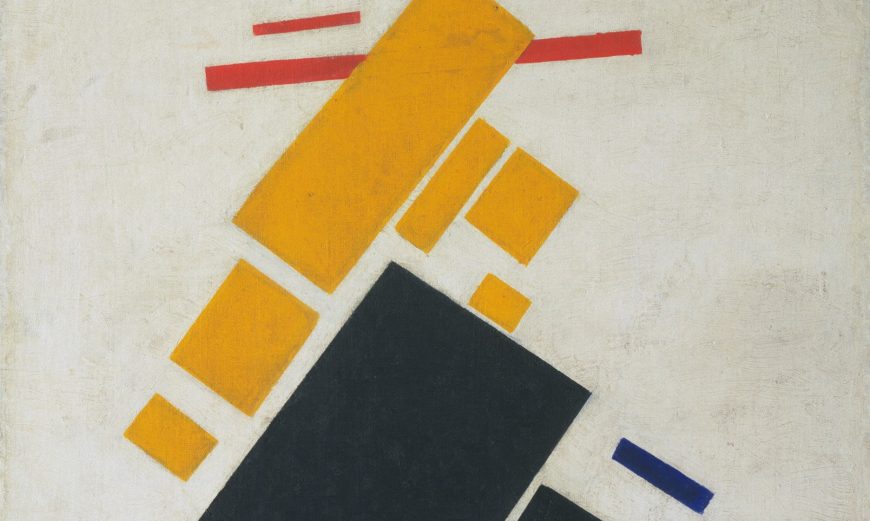
Suprematism, Part I: Kazimir Malevich
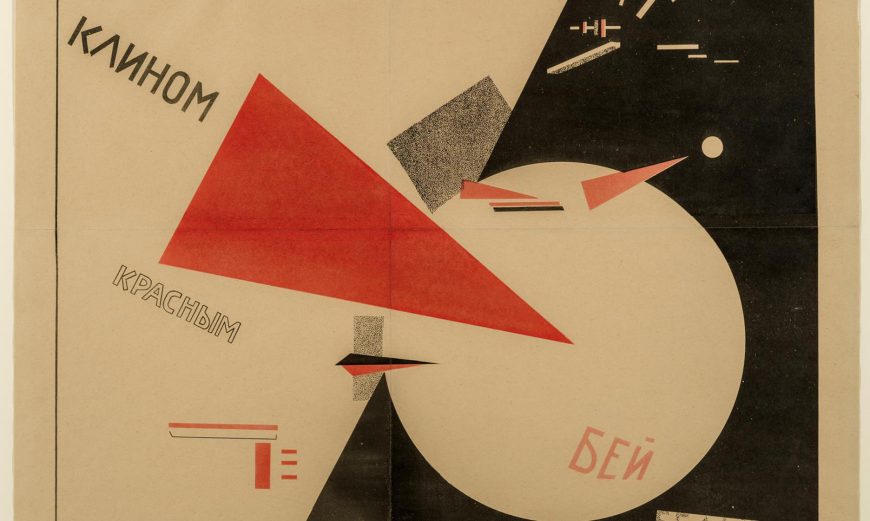
Suprematism, Part II: El Lissitzky
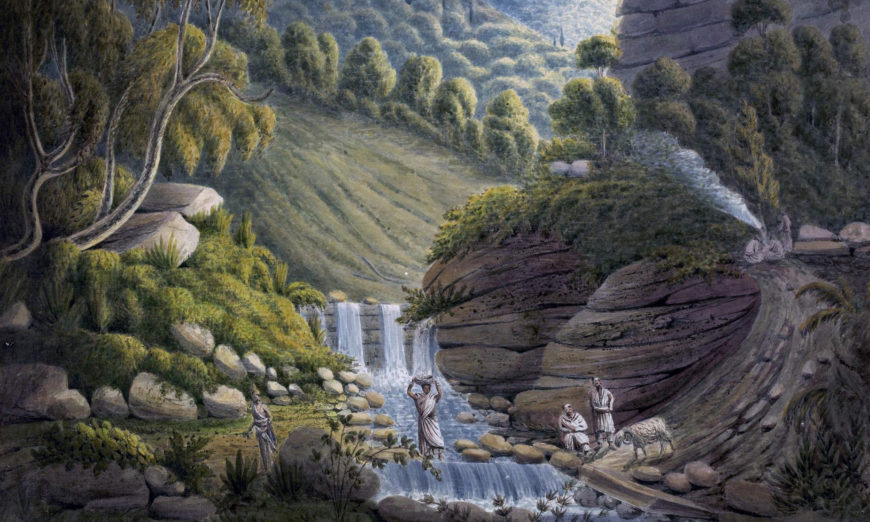
Recording and representing India: the East India Company’s landscape practices
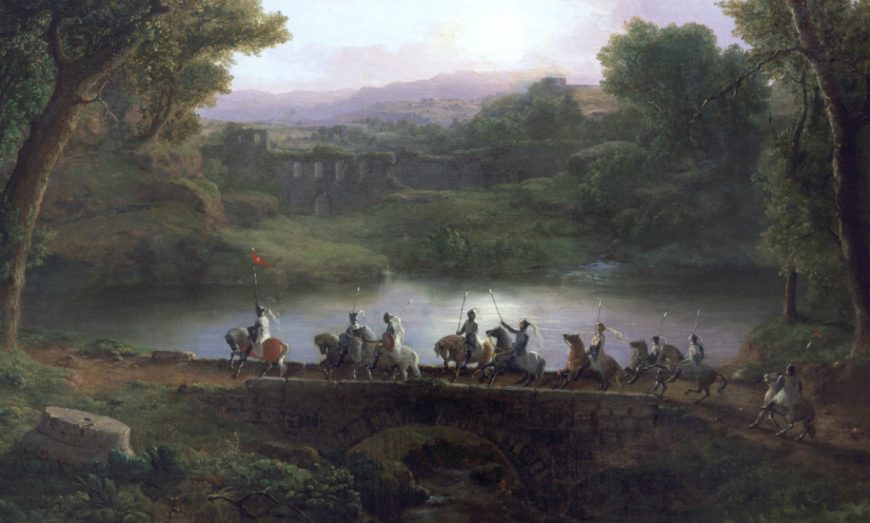
The impact of the crusades
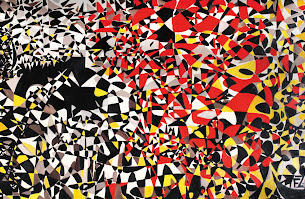
Fahrelnissa Zeid – ‘She Was the East and the West’
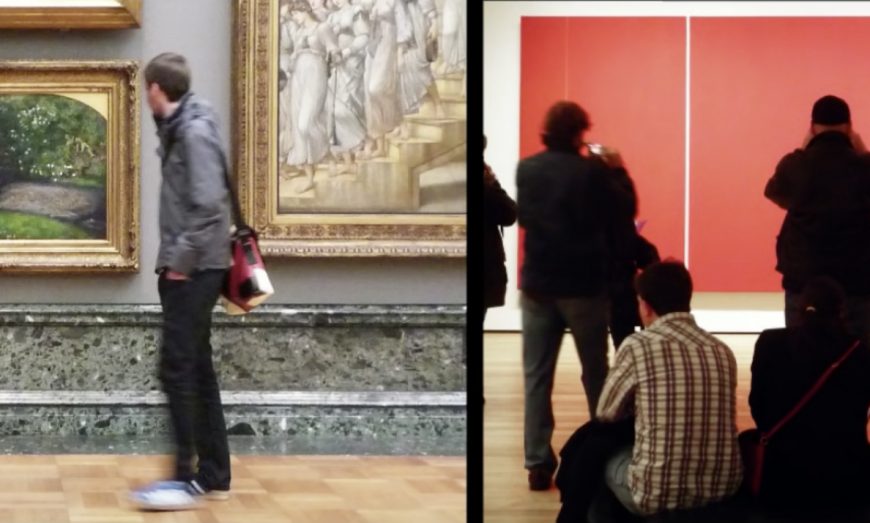
Representation and abstraction: looking at Millais and Newman
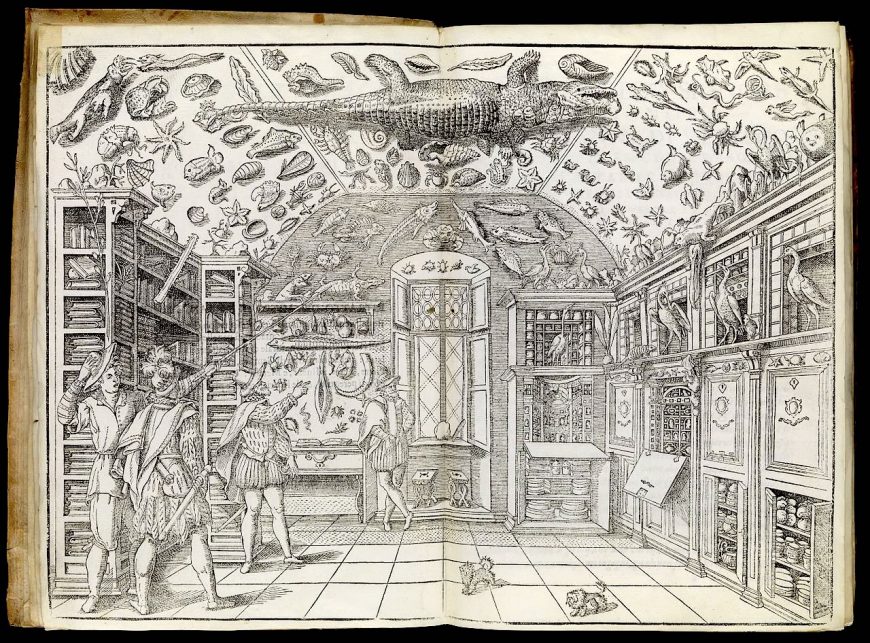
A brief history of the art museum
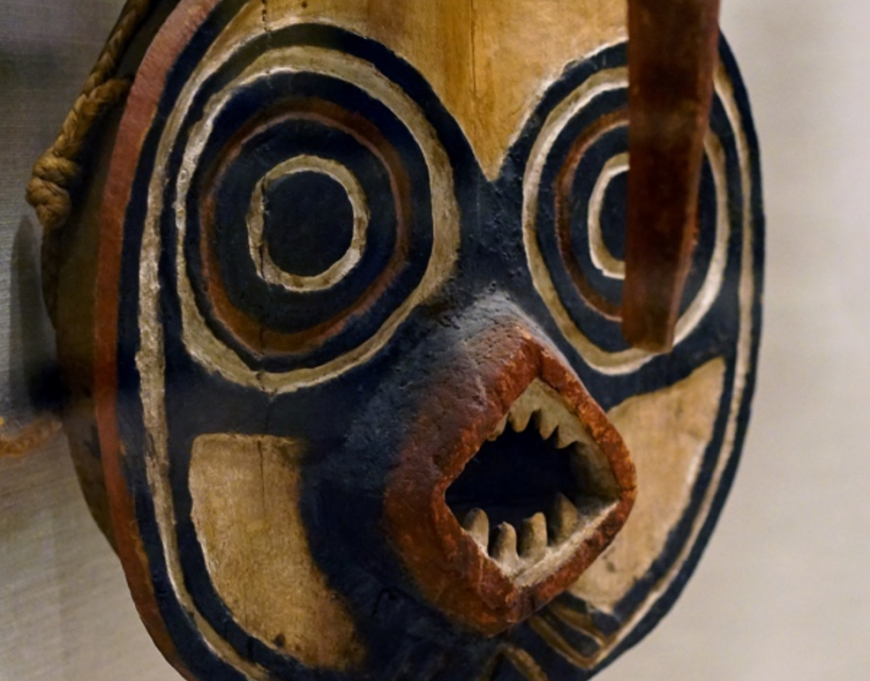
The reception of African art in the West
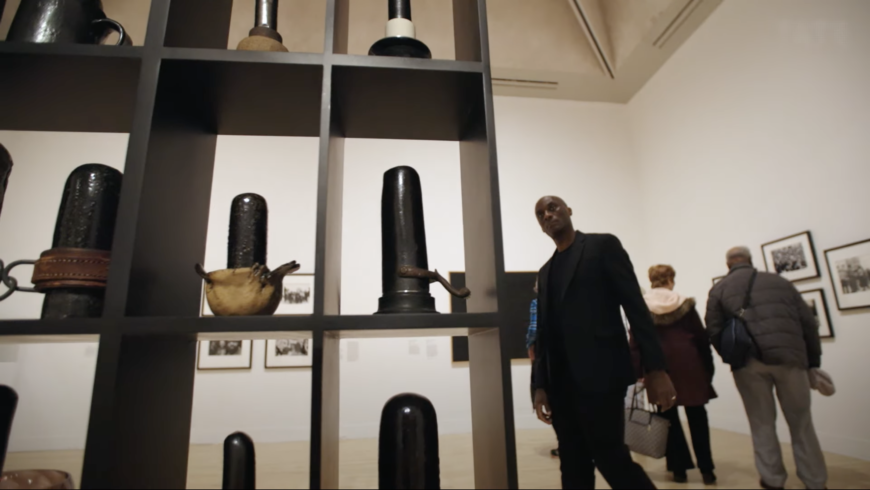
The Black Atlantic: toppled monuments and hidden histories
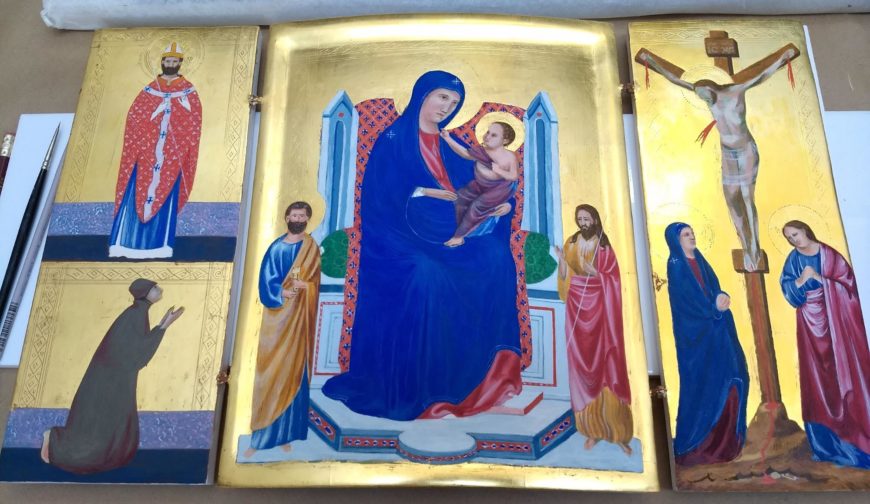
Remaking a 14th-century triptych
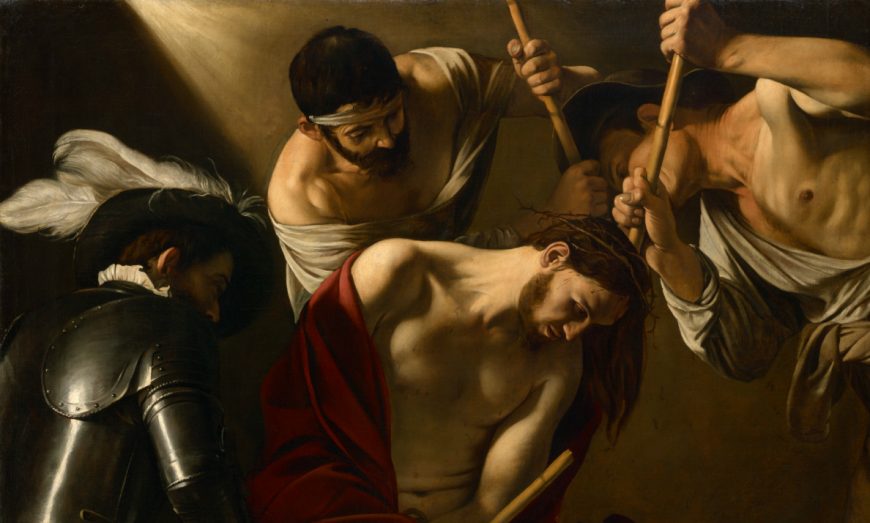
Baroque art, an introduction
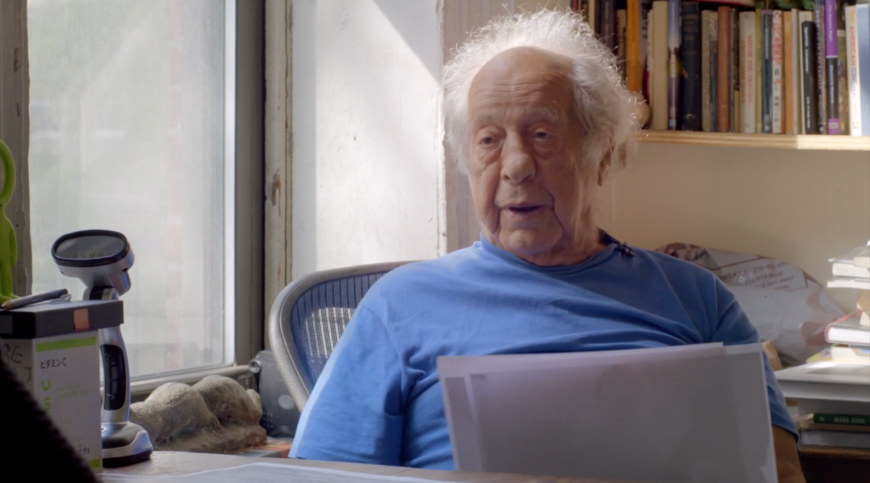
An interview with Robert Frank
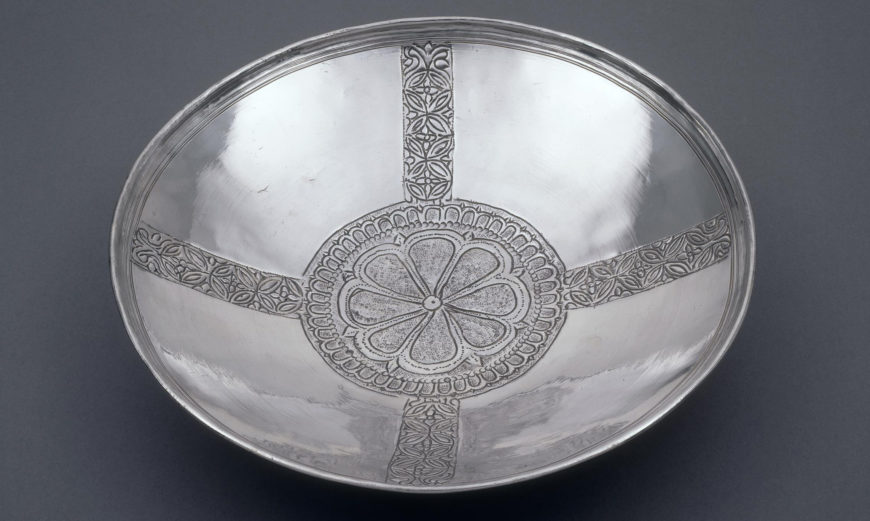
Cross-cultural artistic interaction in the Early Byzantine period
Decorating the book
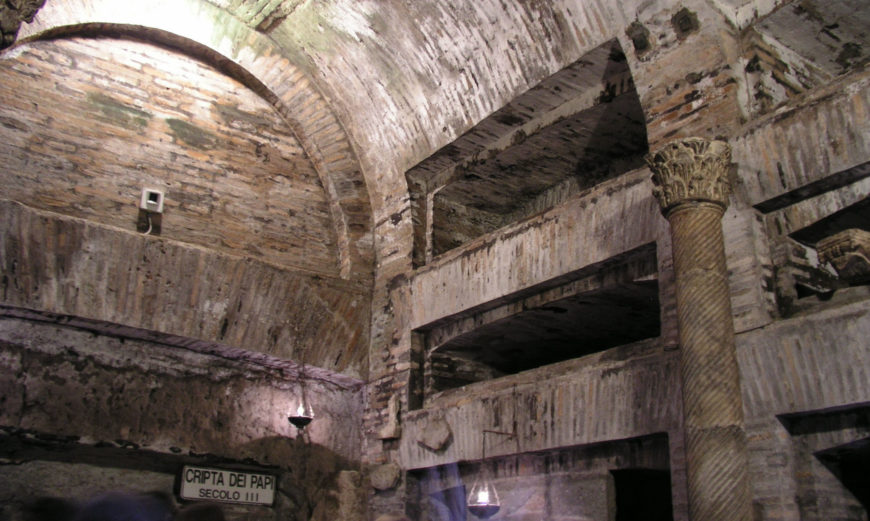
The origins of Byzantine architecture
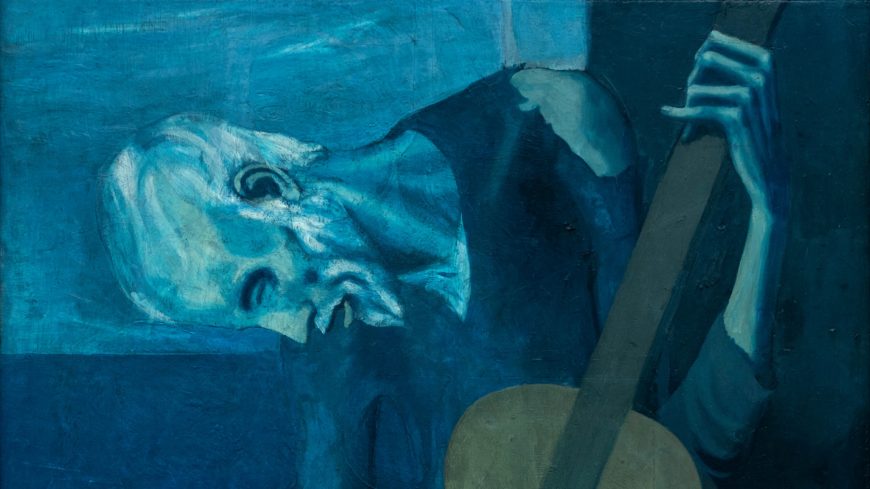
Expression and modern art
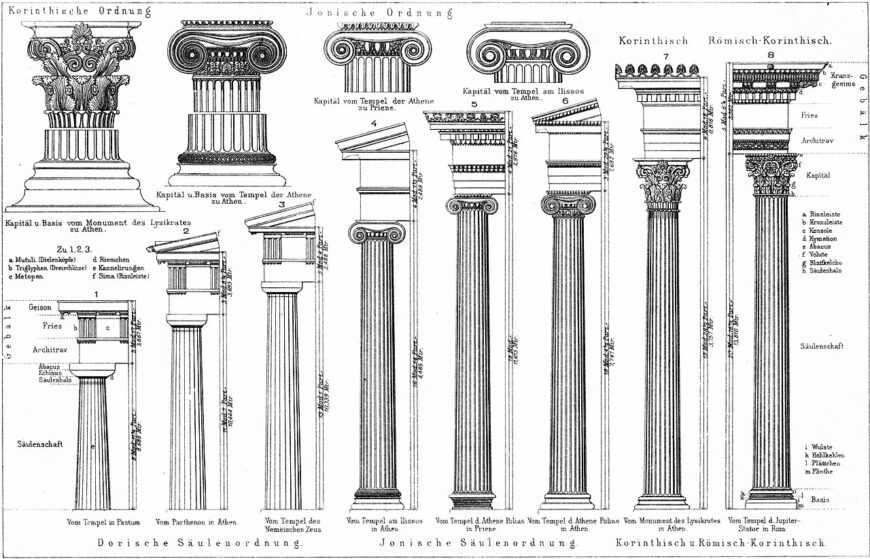
Greek architectural orders
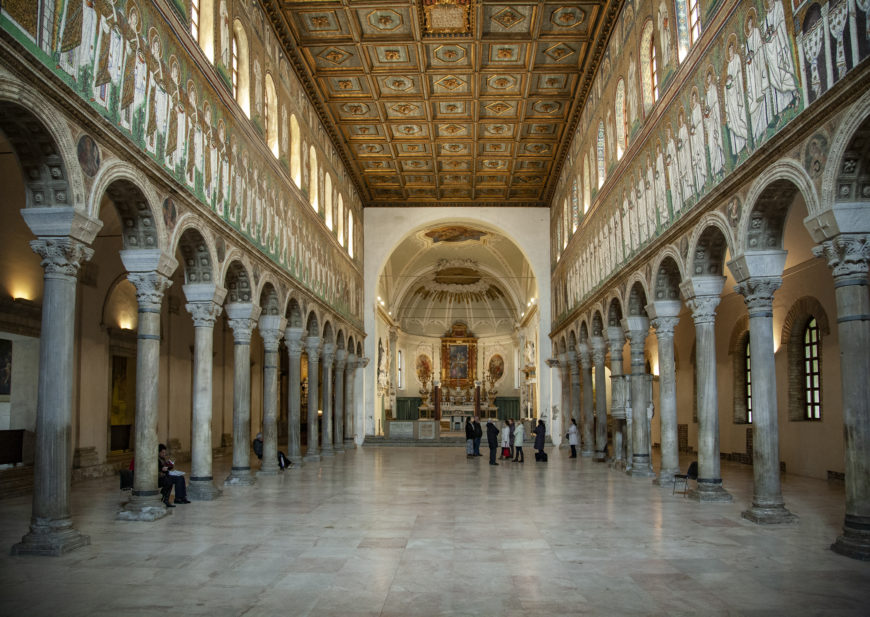
Early Byzantine architecture after Constantine
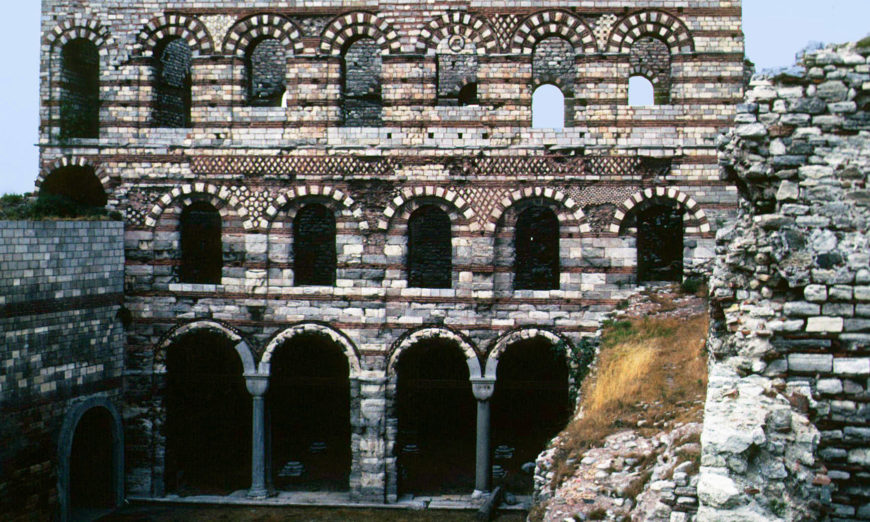
Late Byzantine secular architecture and urban planning
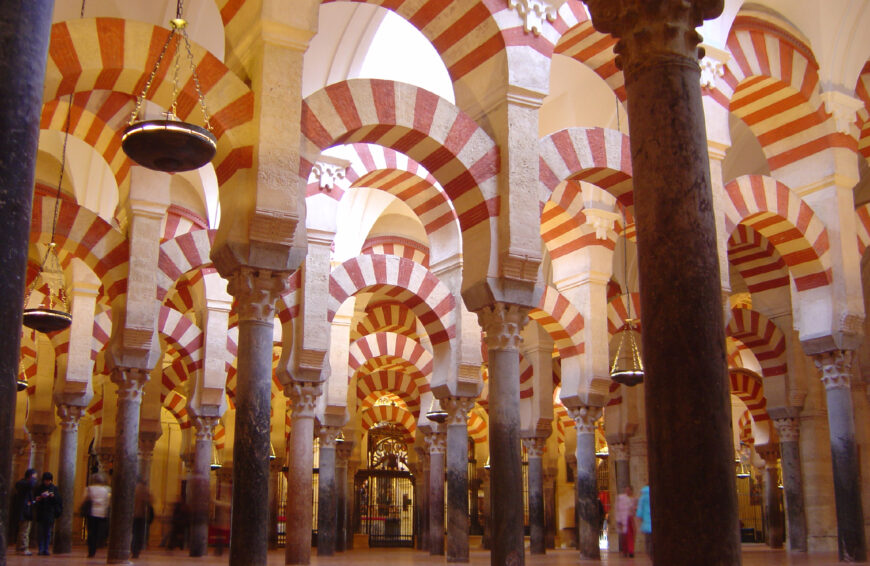
Common types of mosque architecture

Lee Ufan
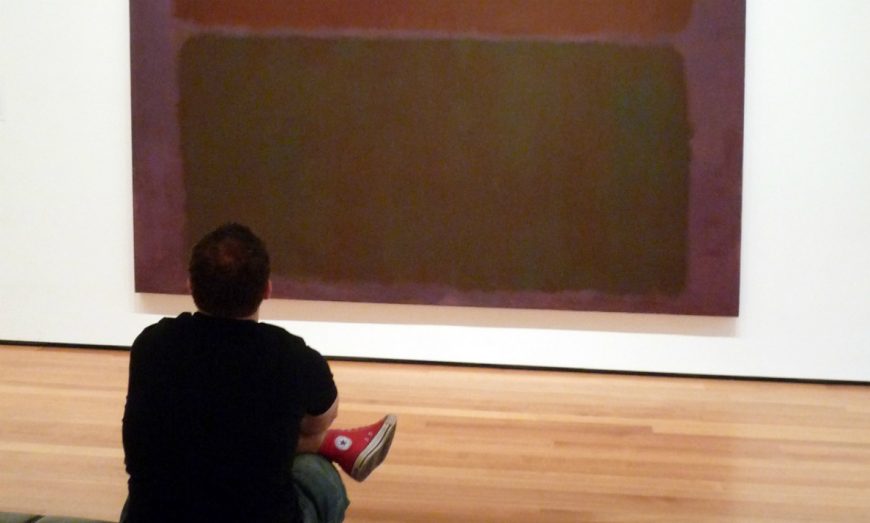
Mark Rothko (at MoMA)
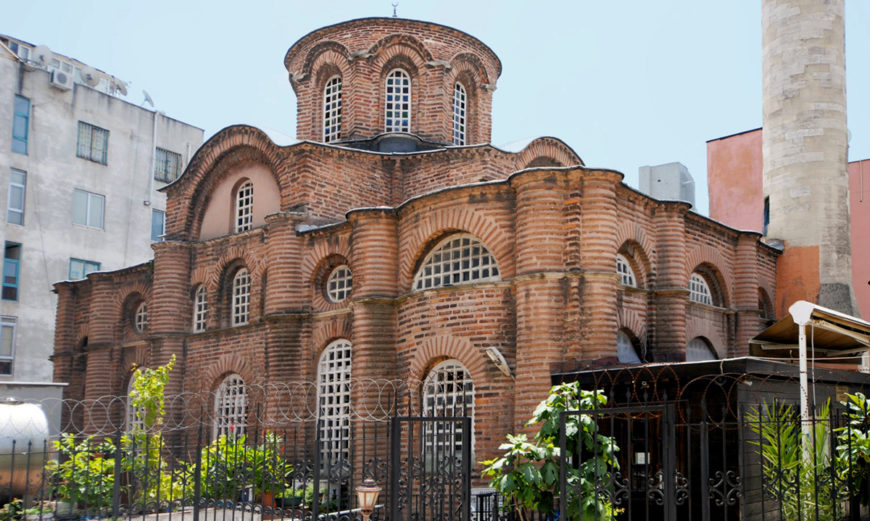
Middle Byzantine church architecture
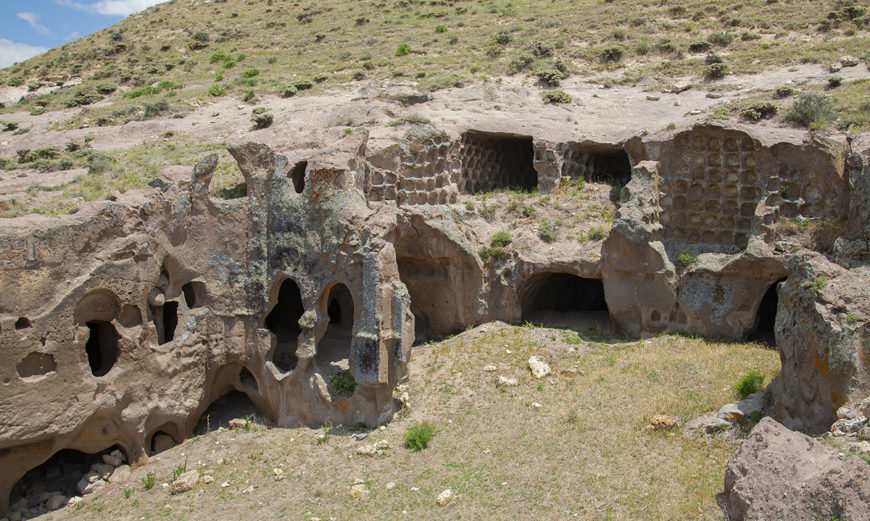
Middle Byzantine secular architecture and urban planning
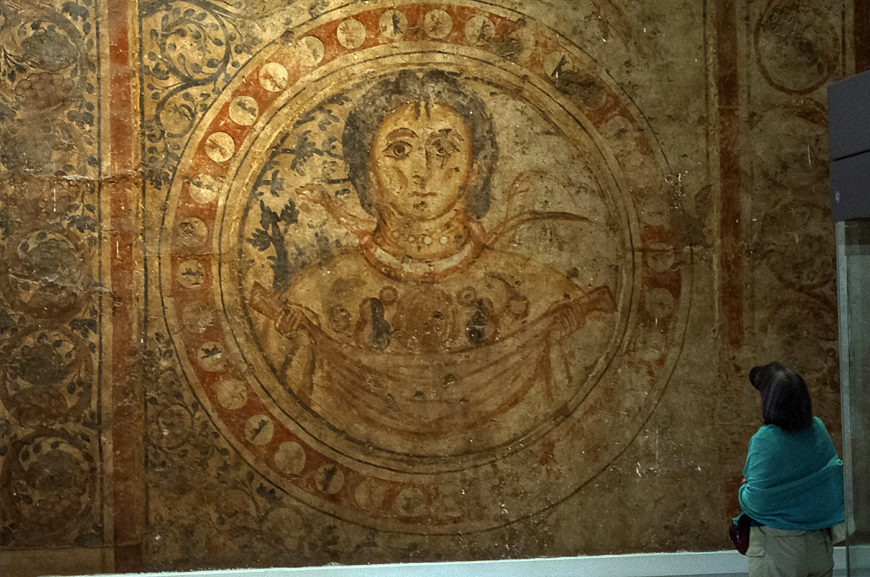
Paintings in the early Islamic world
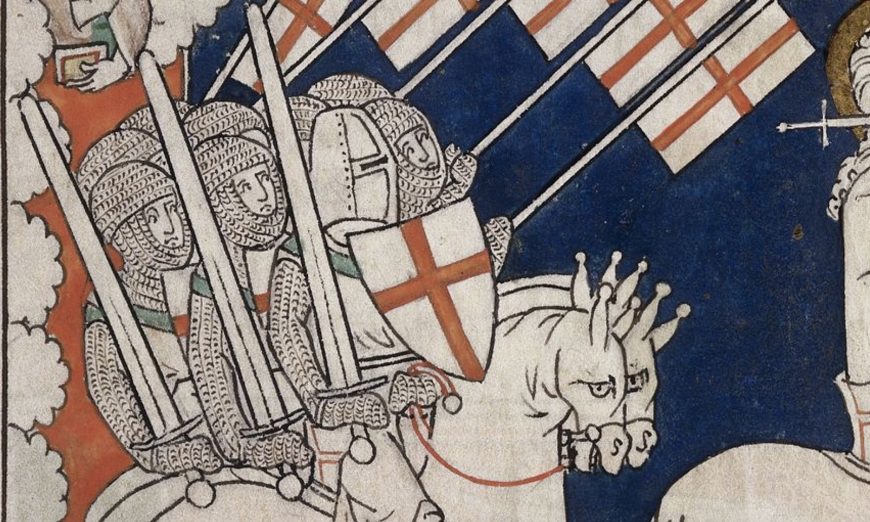
How was crusading justified?
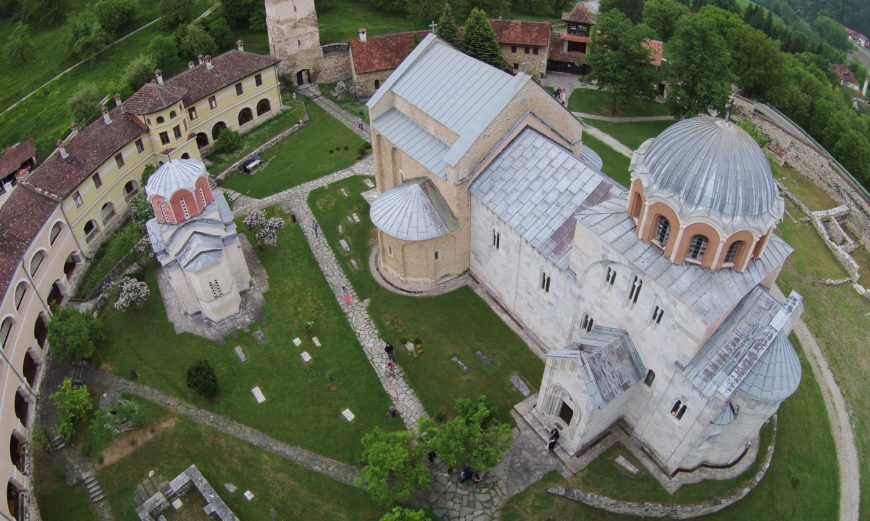
Regional variations in Middle Byzantine architecture
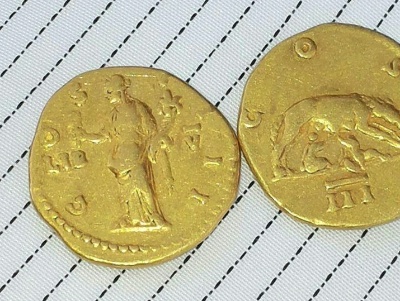
Trafficking the past
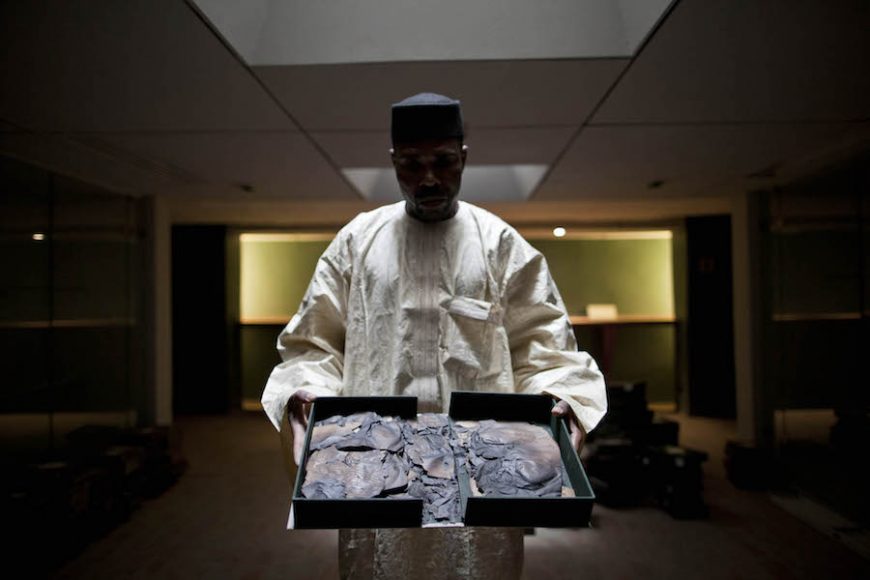
What can be done to protect cultural heritage?
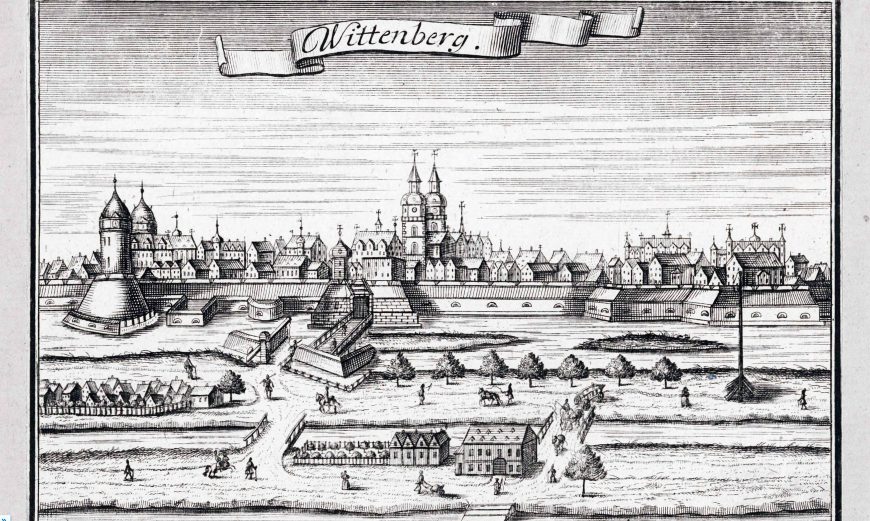
The Protestant Reformation
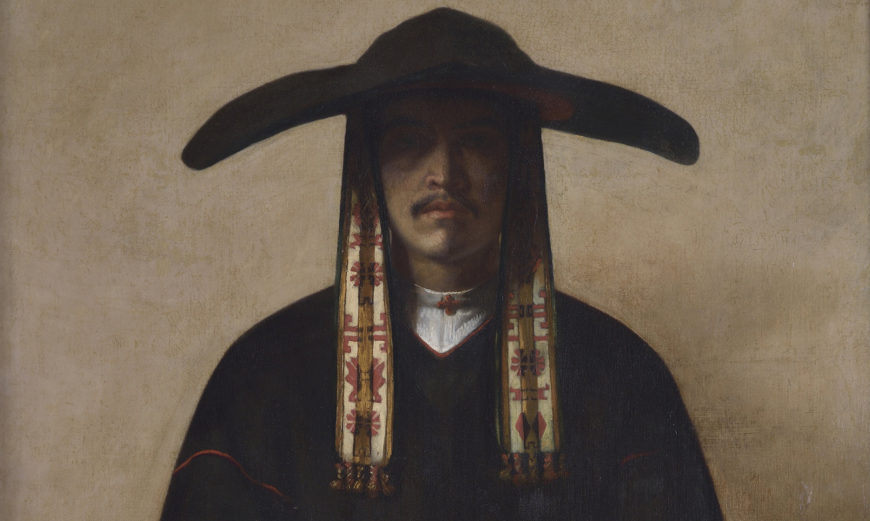
Latin American artistic pilgrimages to Paris
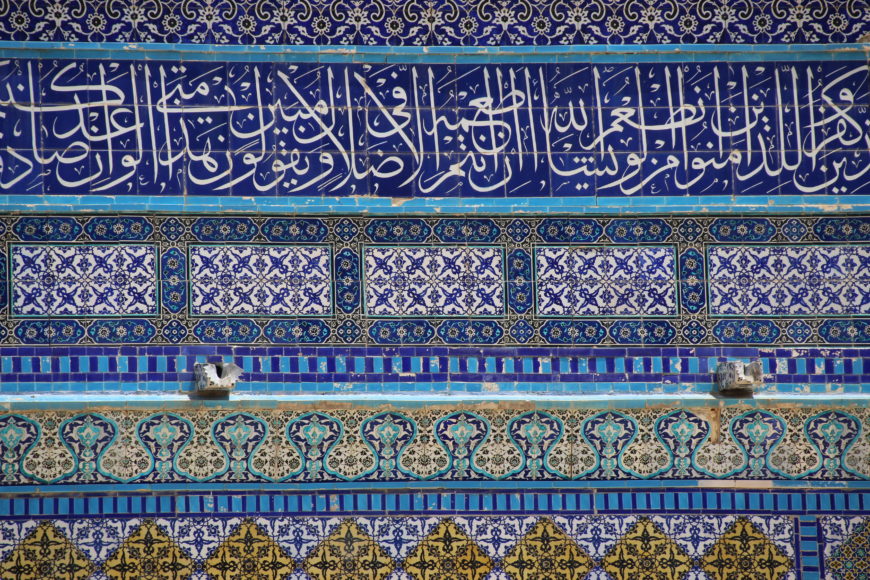
Arts of the Islamic world: The early period
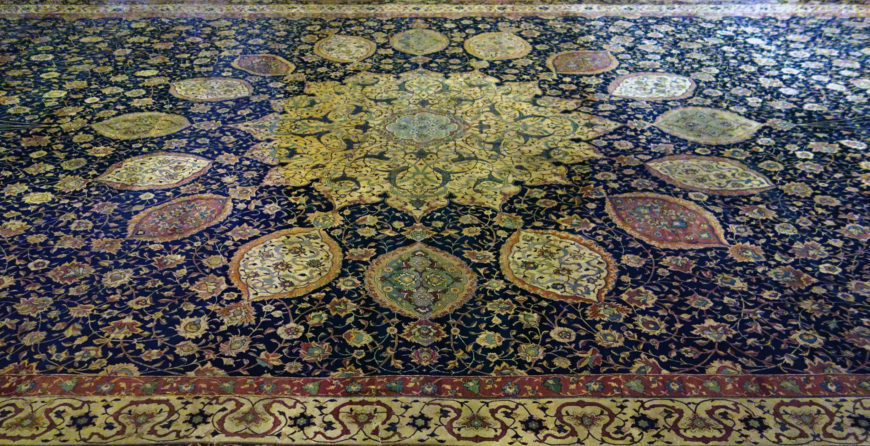
Arts of the Islamic world: The later period
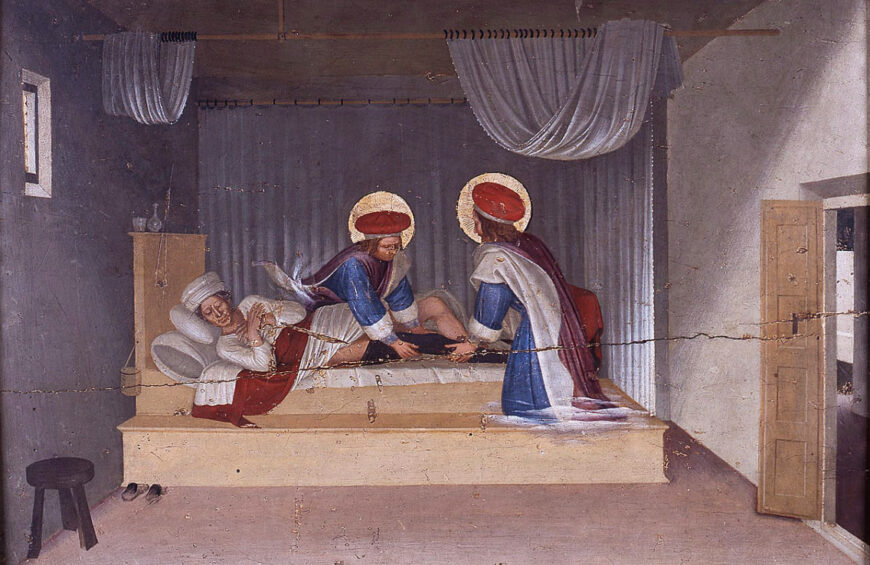
The Miracle of the Black Leg
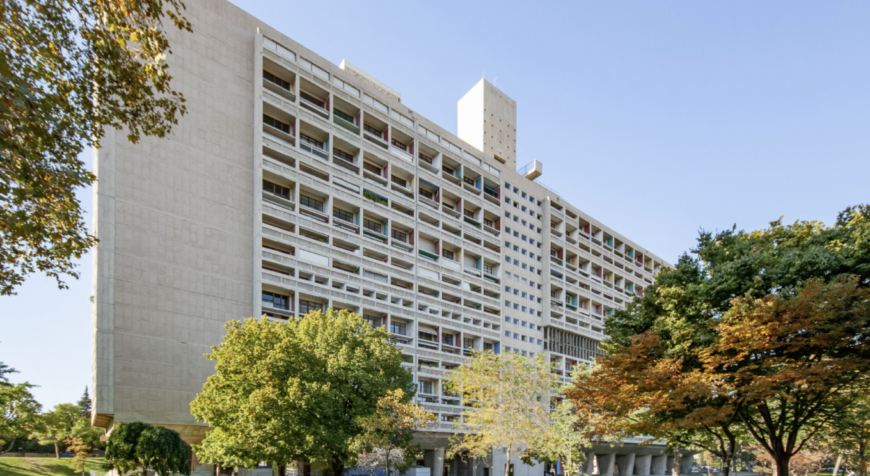
What is: brutalism?
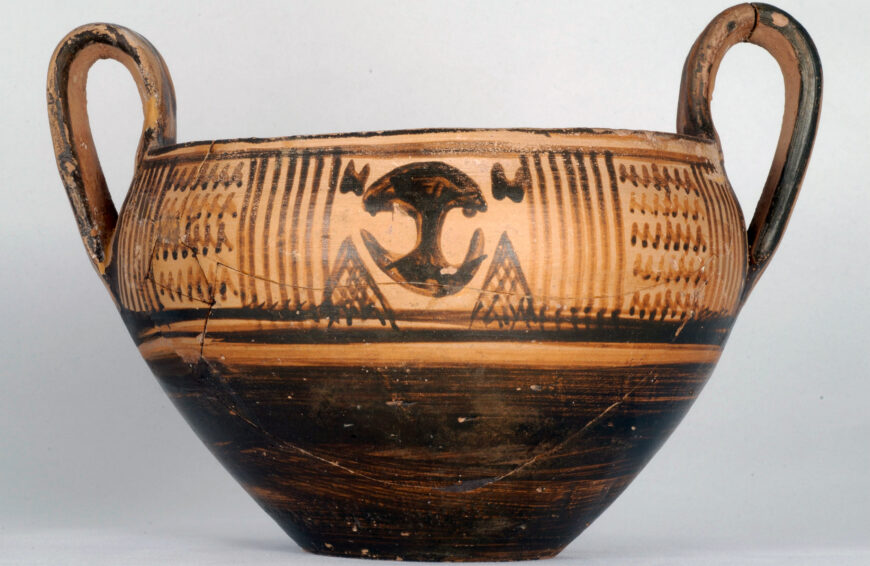
The Geometric period, an introduction
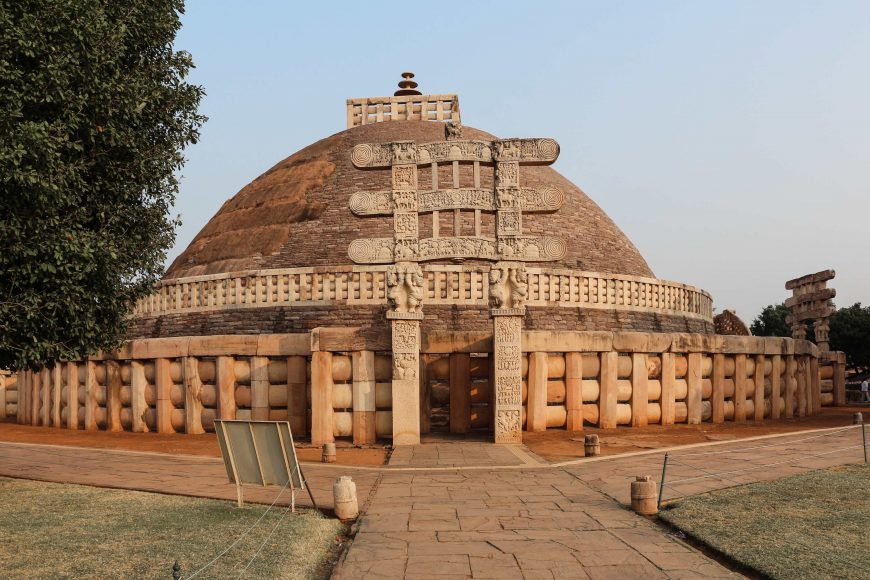
Art Appreciation: Religion—comparisons and connections
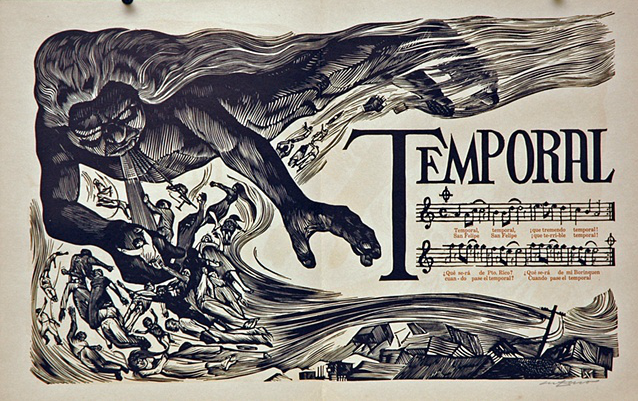
Art Appreciation: Nature—comparisons and connections
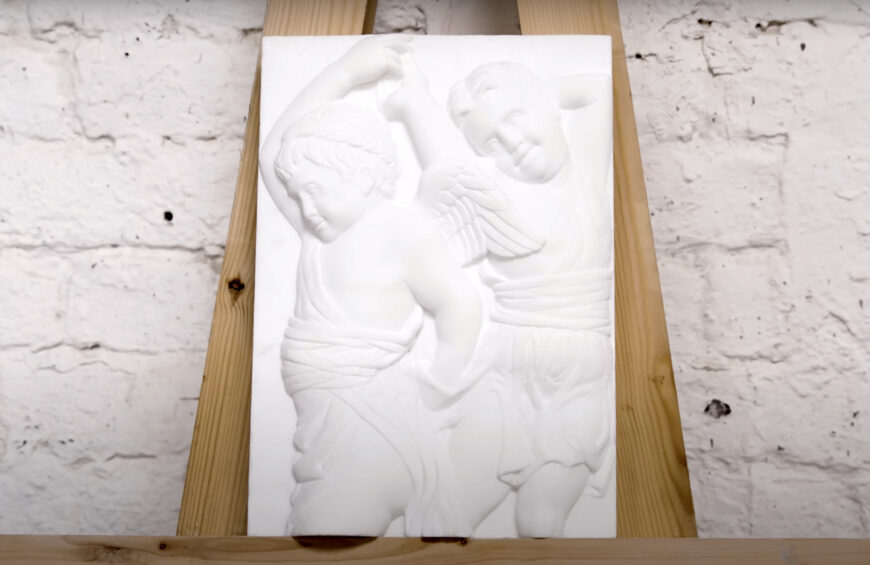
Donatello’s marble carving technique
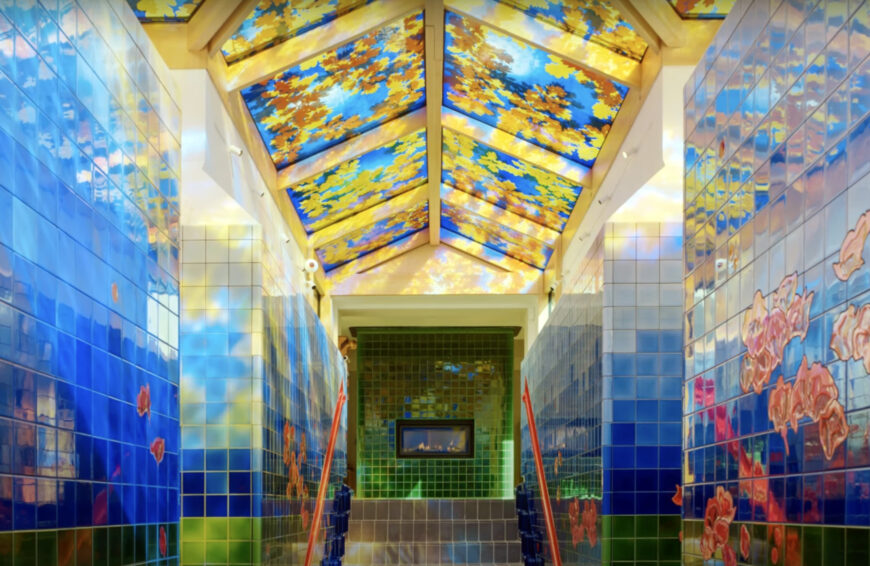
Brian Clarke: The Art of Light
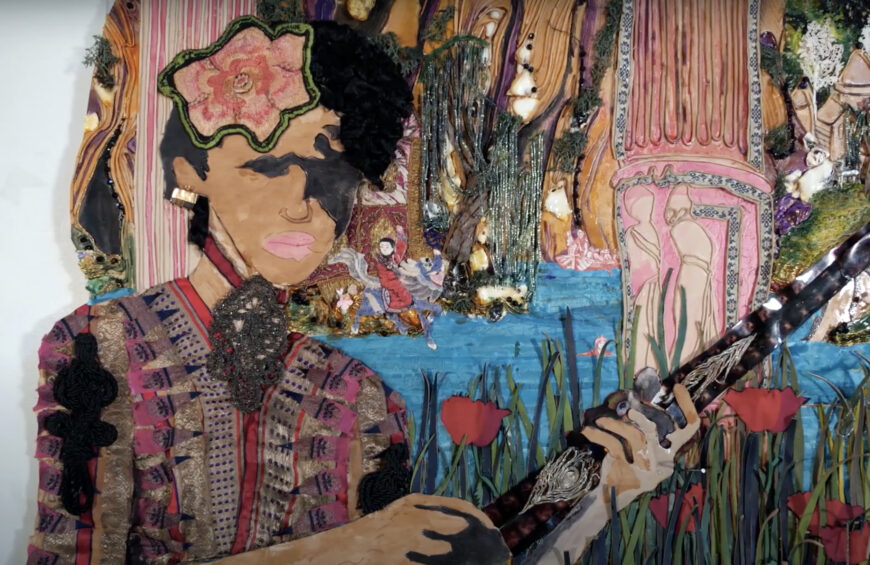
Moses Quiquine: homage to my ancestors
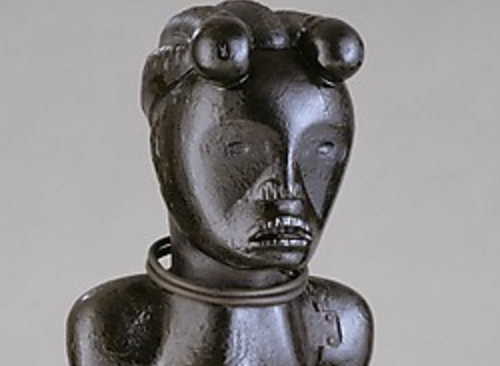
Western appreciation of African art
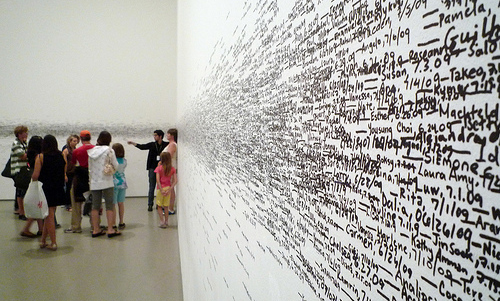
Performance art, an introduction
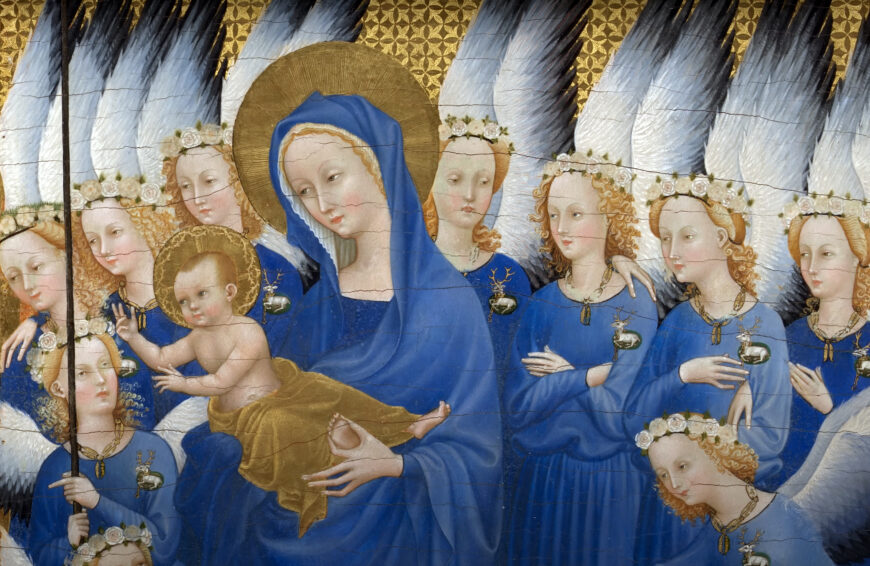
The story of ultramarine from the Silk Road to Renoir
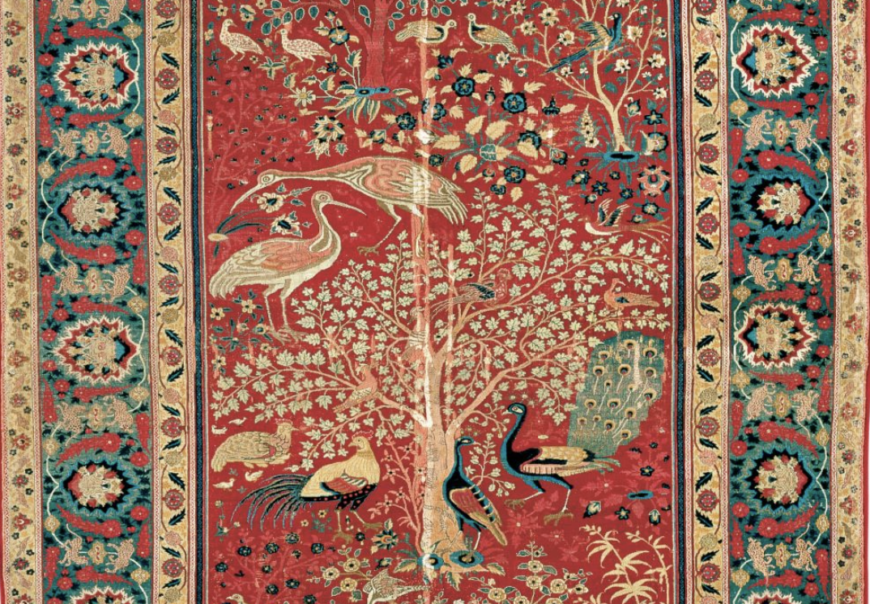
The court carpets of the Ottoman, Safavid, and Mughal empires, an introduction
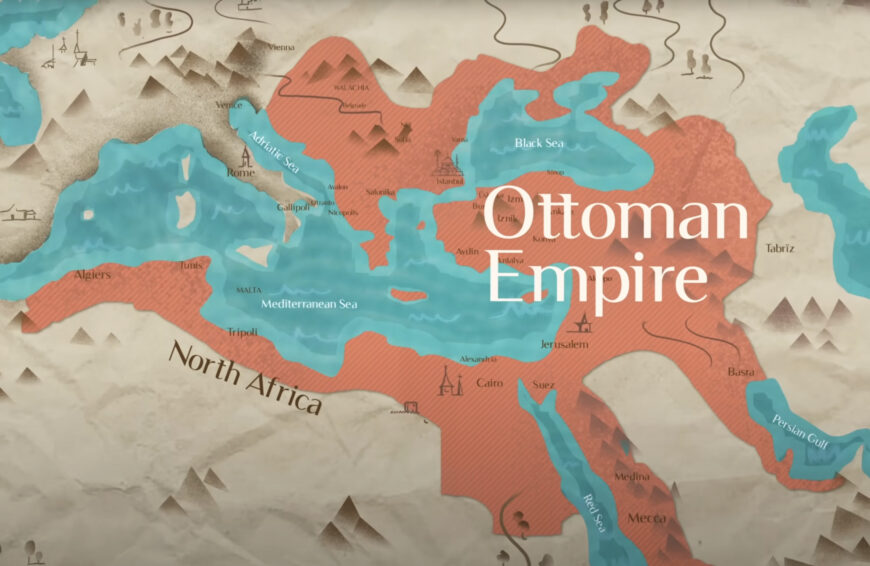
The fall of the Ottoman Empire
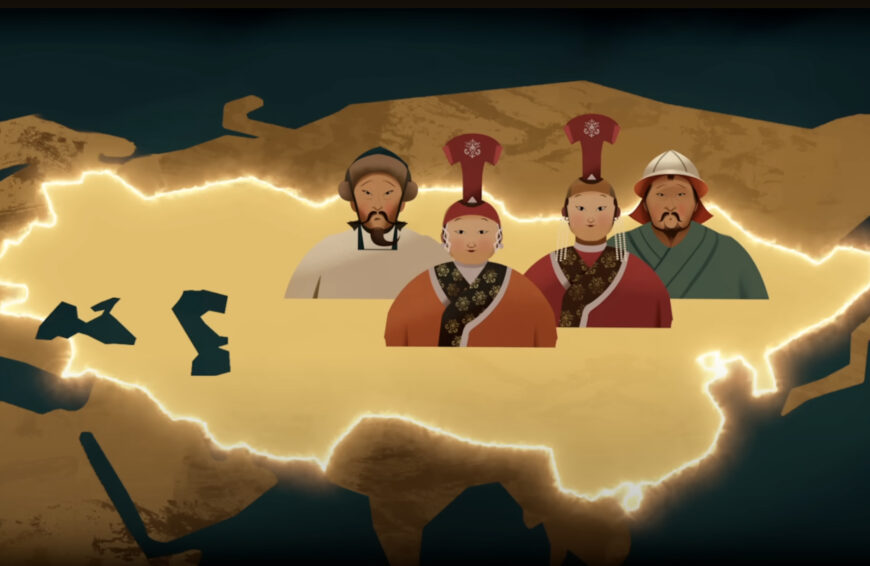
The rise and fall of the Mongol Empire
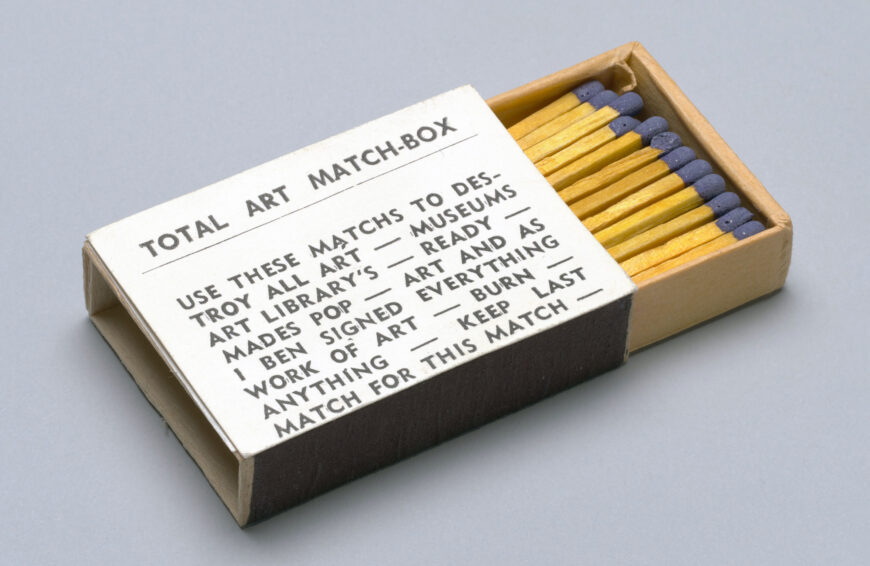
Fluxus, an introduction
Timeline
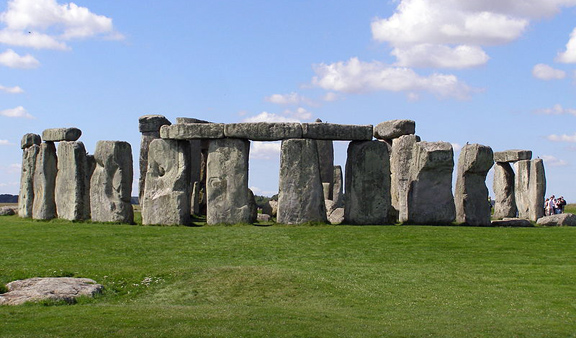
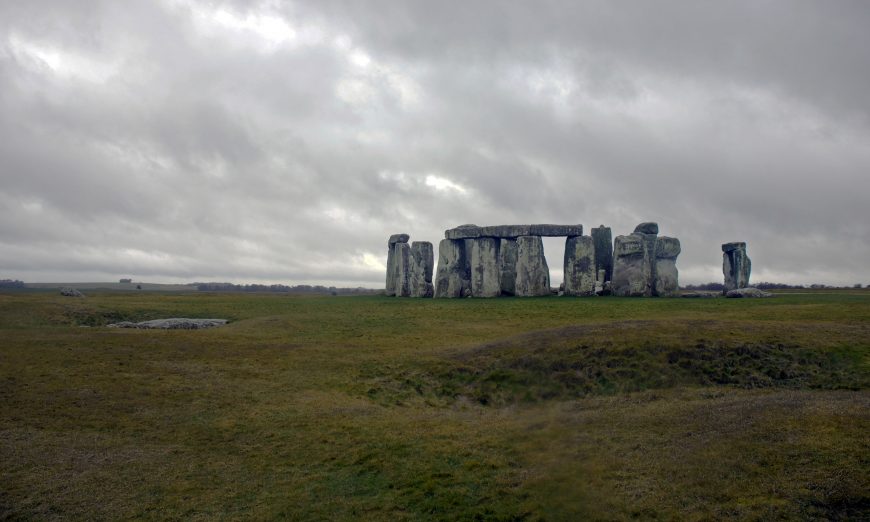
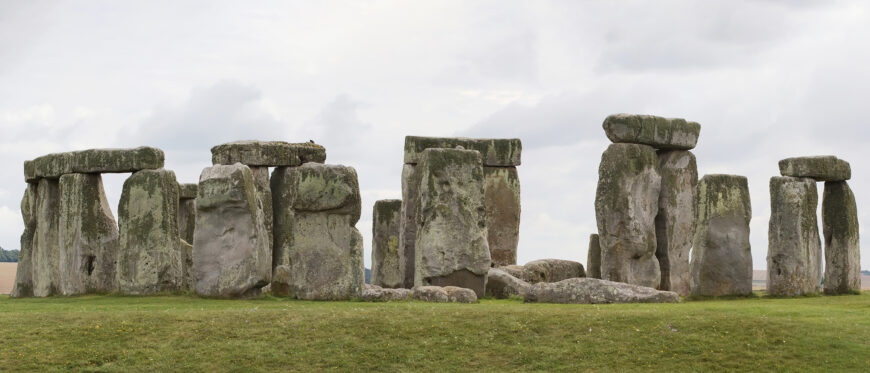
Stonehenge, Salisbury Plain, Wiltshire, England, c. 2550–1600 B.C.E., circle 97 feet in diameter, trilithons: 24 feet high (photo: thegarethwiscombe, CC BY 2.0)
Works of Art


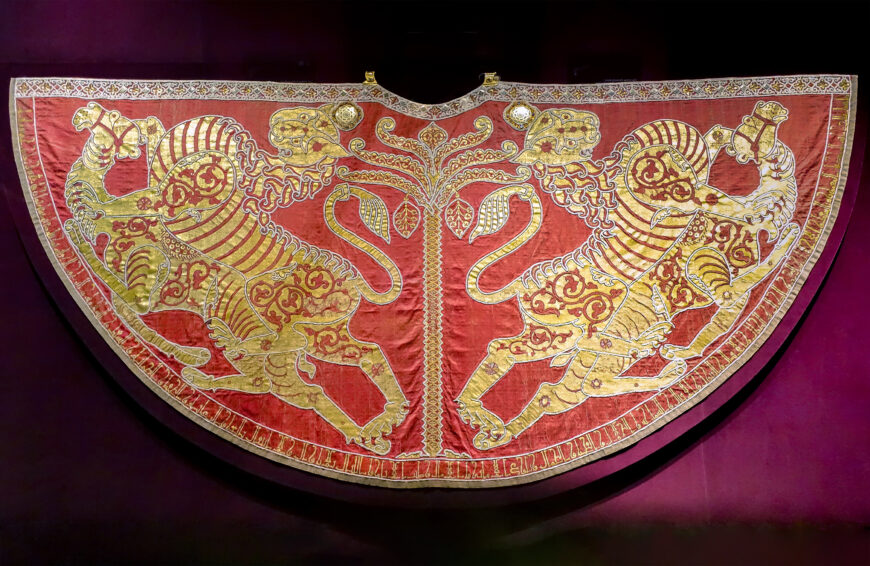
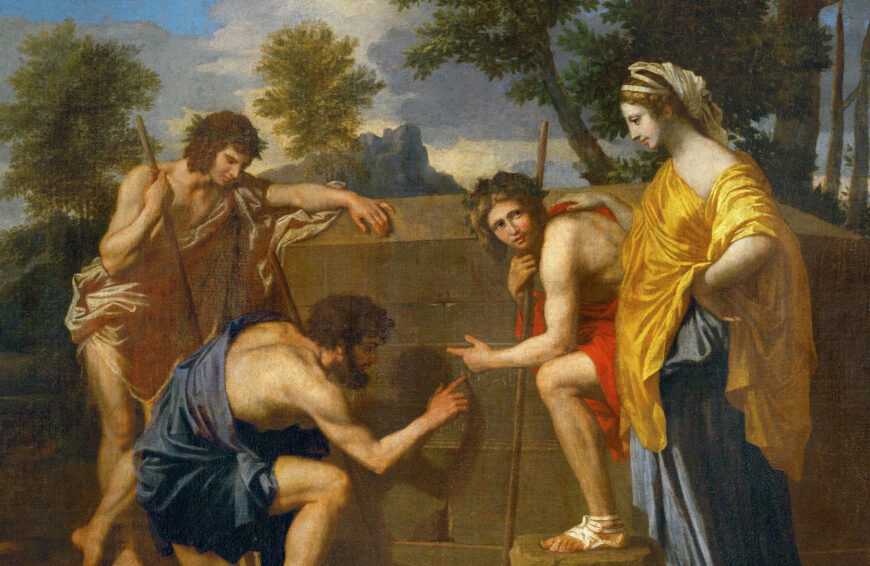
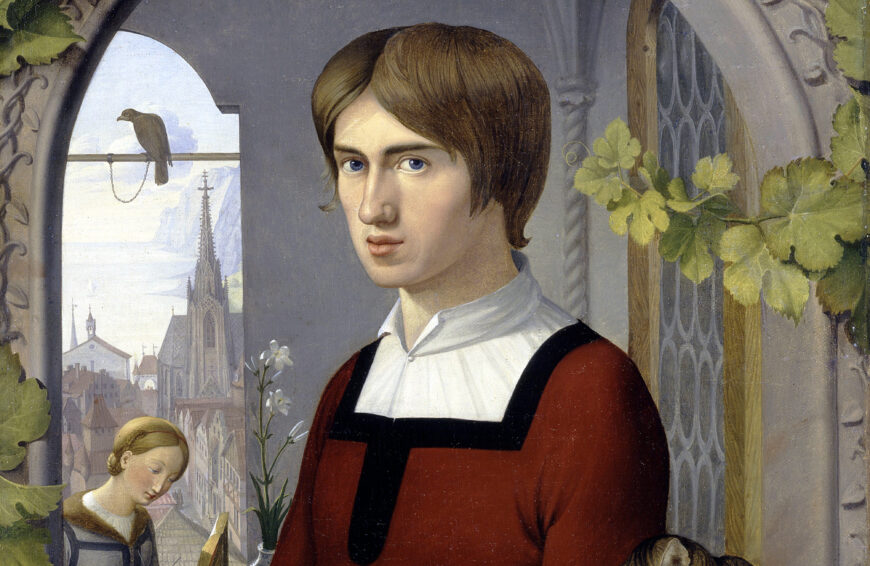
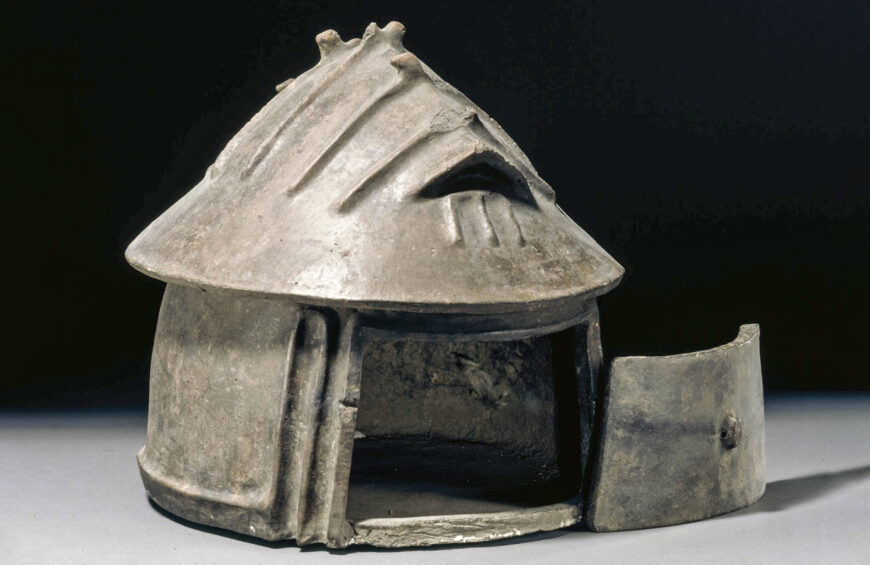
Artists
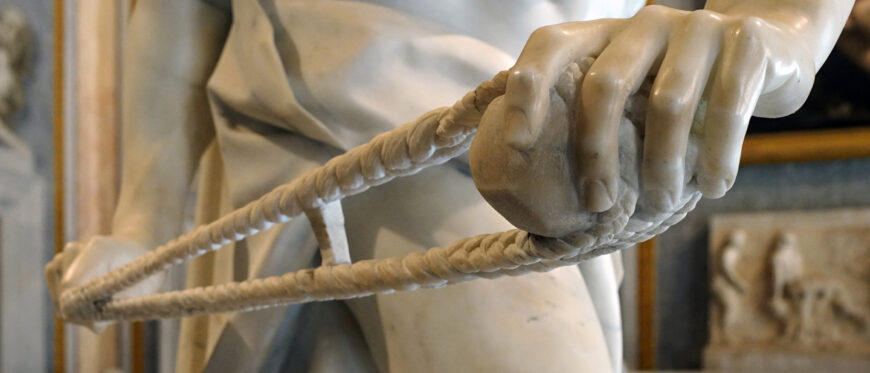
Gianlorenzo Bernini, David, 1623, marble, 5 feet, 7 inches high (Galleria Borghese, Rome; Steven Zucker, CC BY-NC-SA 2.0)
Periods, Cultures, Styles
Prehistoric
before 2000 B.C.E.
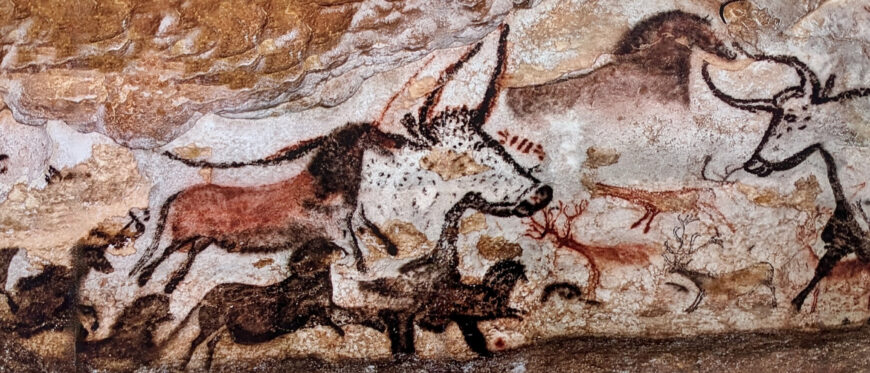
Paleolithic
before 10,000 B.C.E.
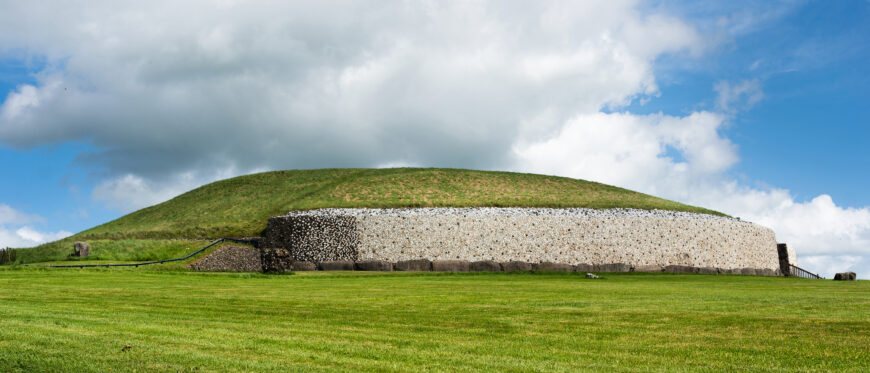
Neolithic
c. 10,000–2000 B.C.E.
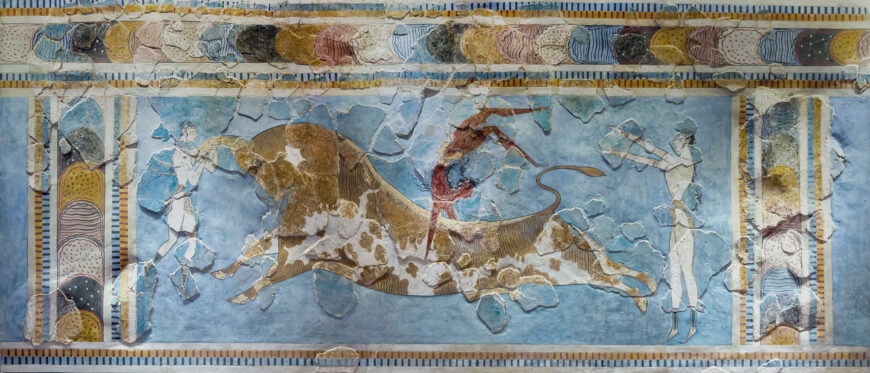
Ancient Aegean
c. 3200–1050 B.C.E.
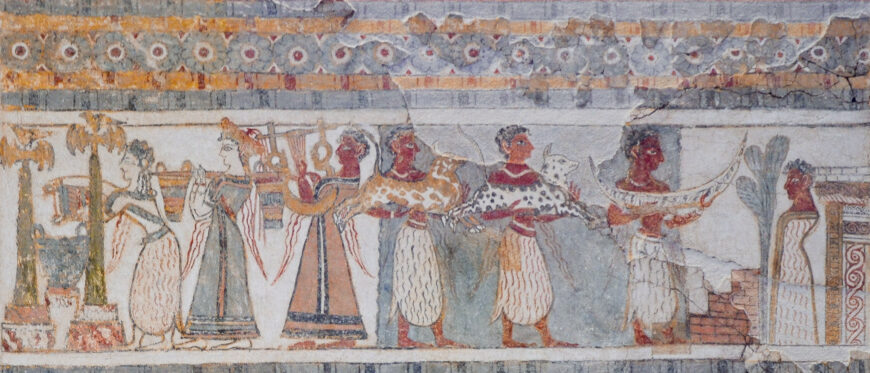
Minoan
c. 3000–1450 B.C.E.
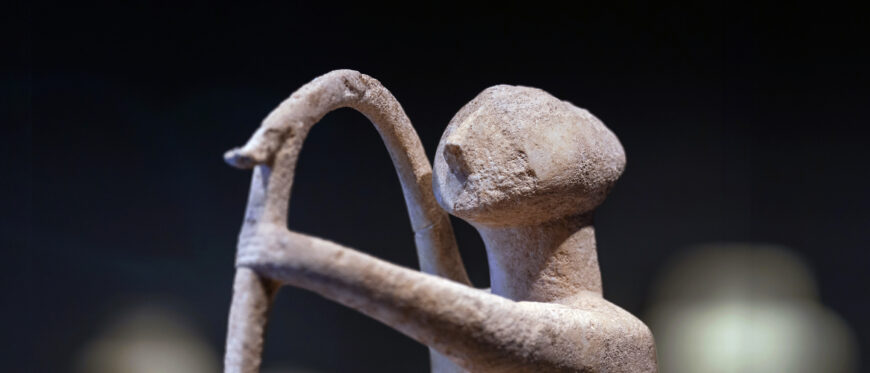
Cycladic
c. 3000–2000 B.C.E.
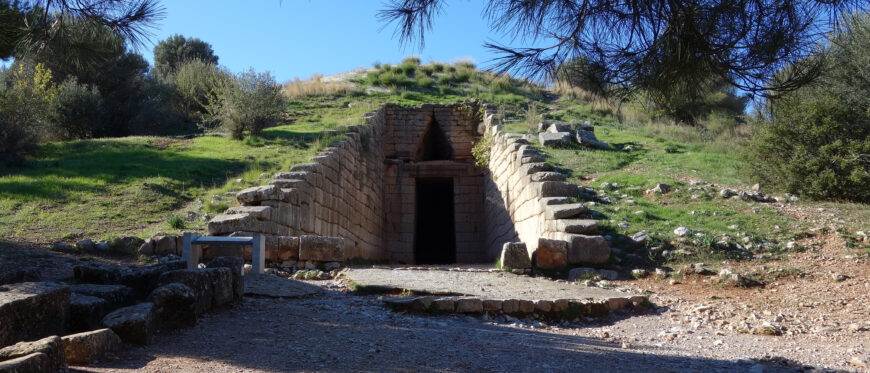
Mycenaean
c. 1600–1050 B.C.E.

Ancient Greek
c. 1100–31 B.C.E.
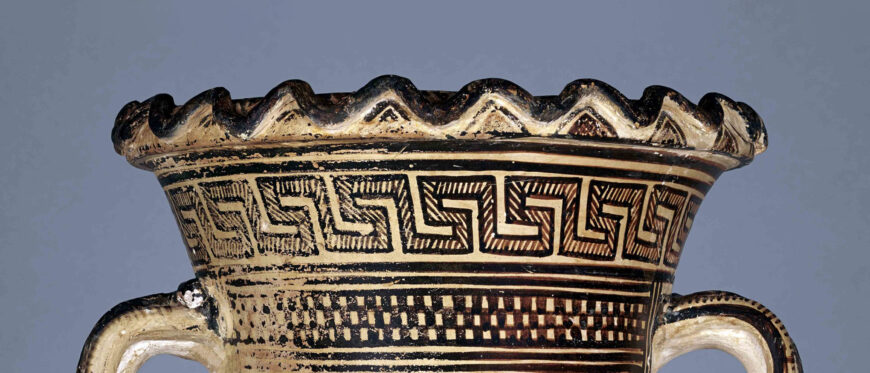
Geometric period
c. 1100–700 B.C.E.
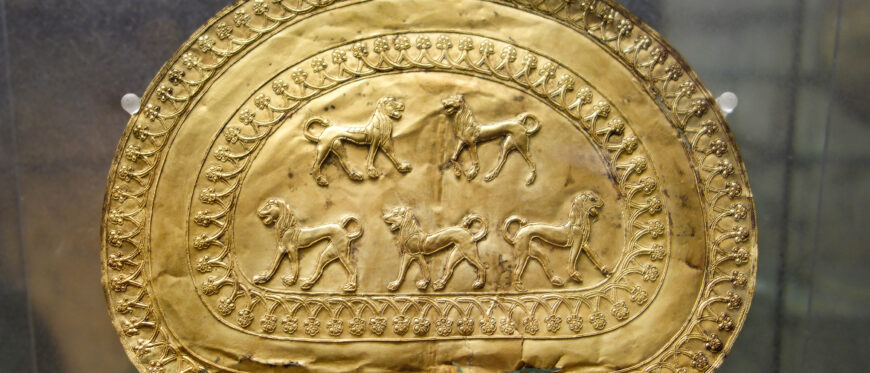
Etruscan
c. 800–500 B.C.E.
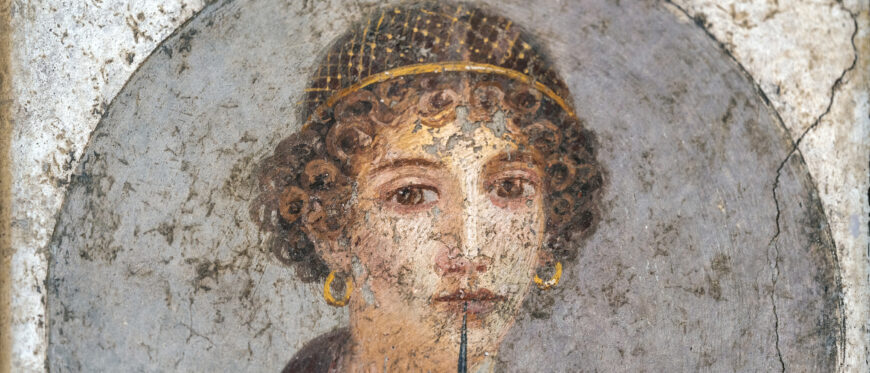
Pompeii
c. 800 B.C.E.–79 C.E.
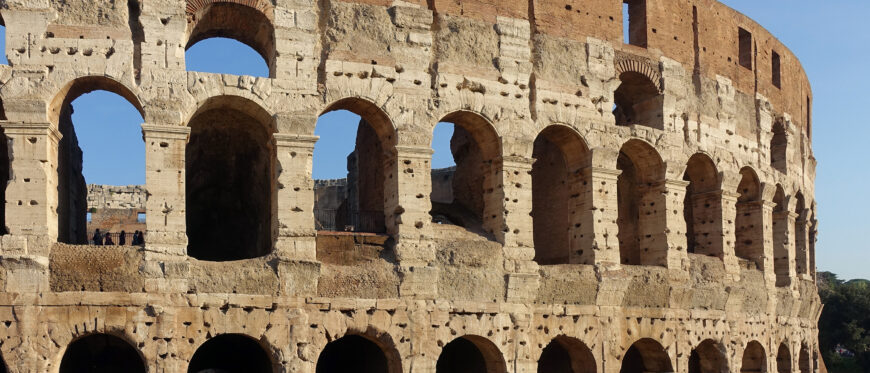
Ancient Roman
c. 753 B.C.E.–410 C.E.

Protoarchaic
c. 700–600 B.C.E.
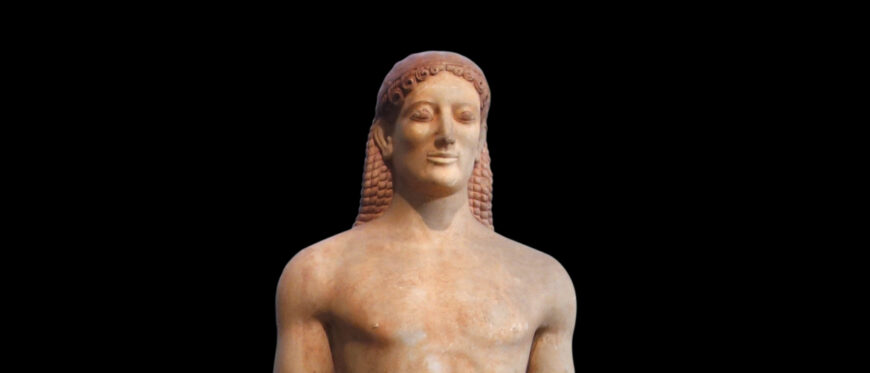
Archaic
c. 600–480 B.C.E.

Celtic
c. 600 B.C.E.–100 C.E.
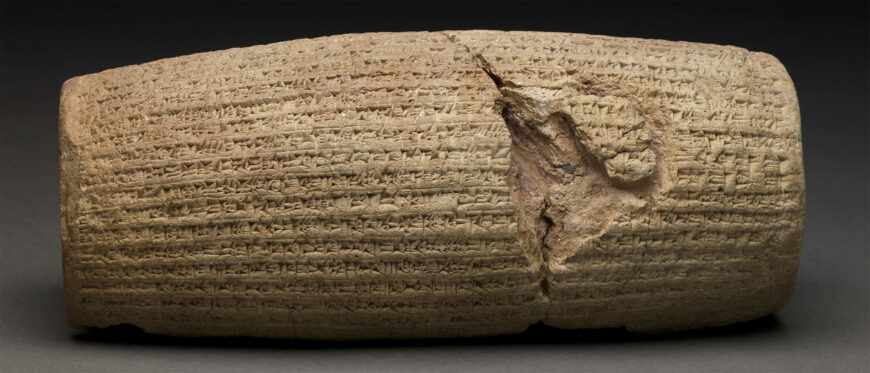
Persian (Achaemenid Empire)
c. 550–330 B.C.E.
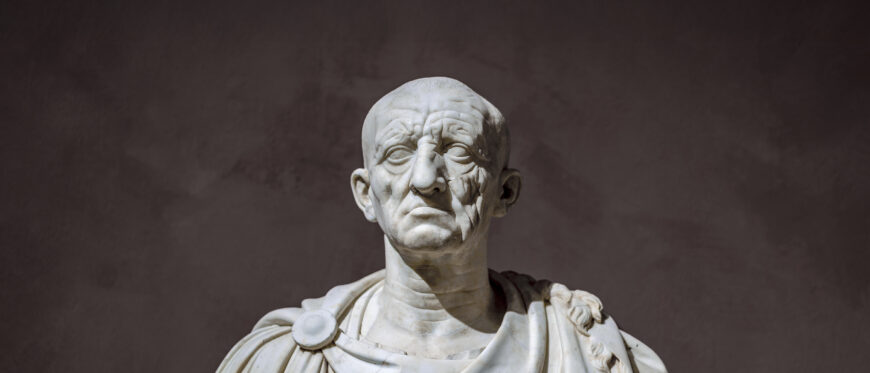
Roman Republic
c. 509–27 B.C.E.
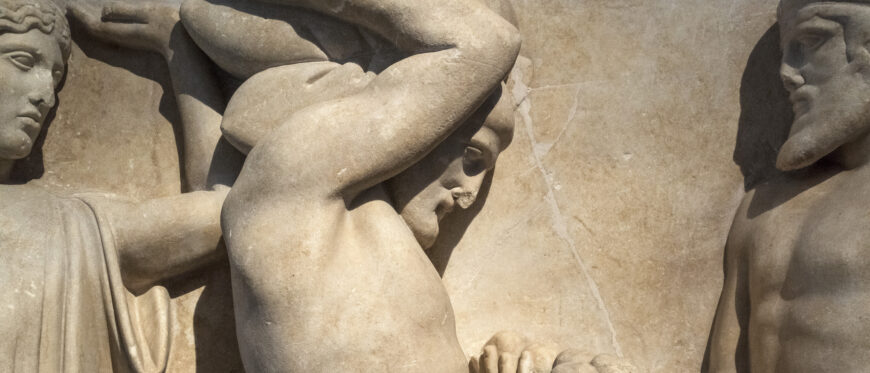
Early Classical
480–450 B.C.E.
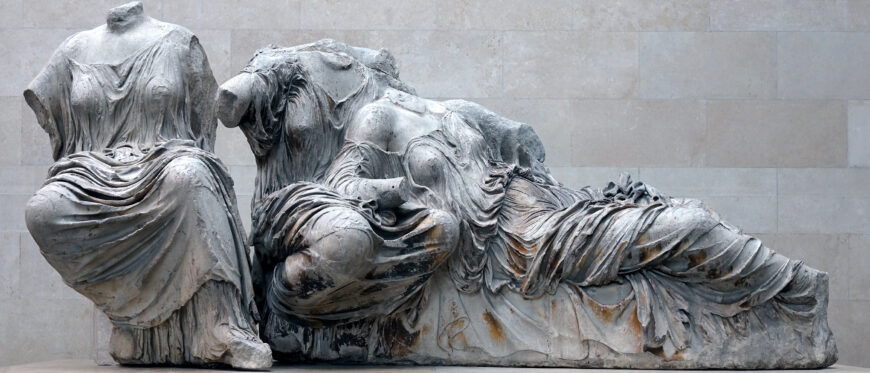
High Classical
450–400 B.C.E.
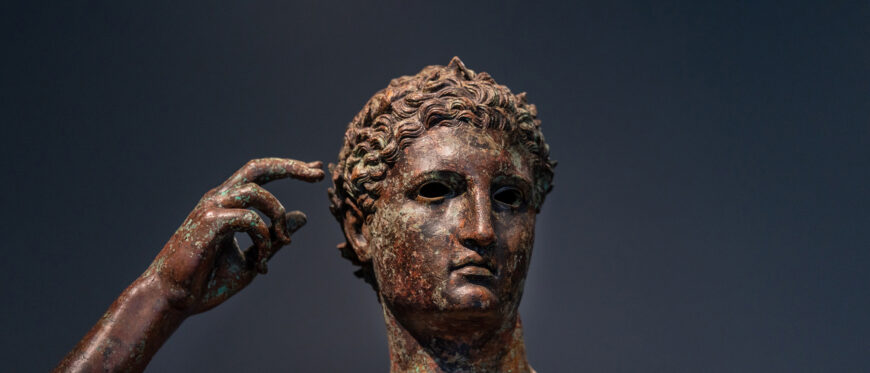
Late Classical
400–323 B.C.E.
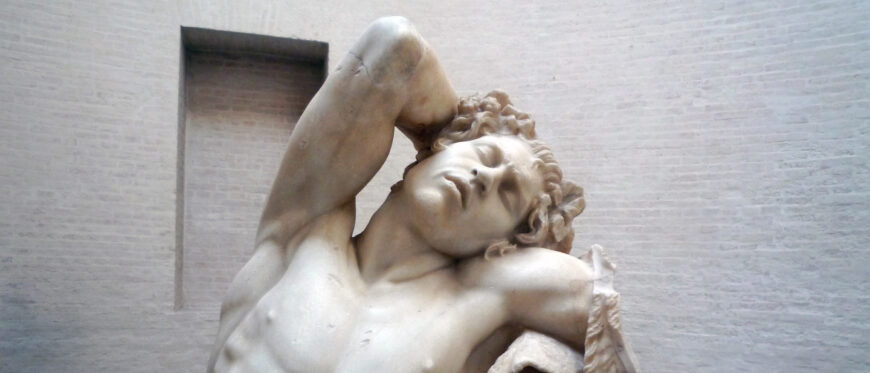
Hellenistic
323–31 B.C.E.
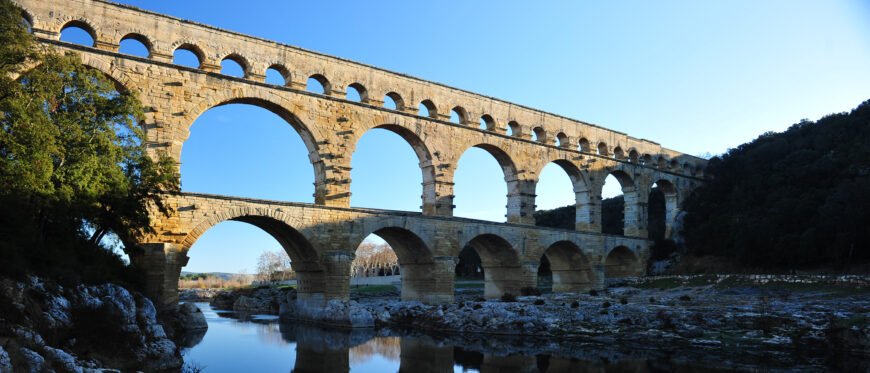
Early Roman Empire
c. 27 B.C.E.–117 C.E.
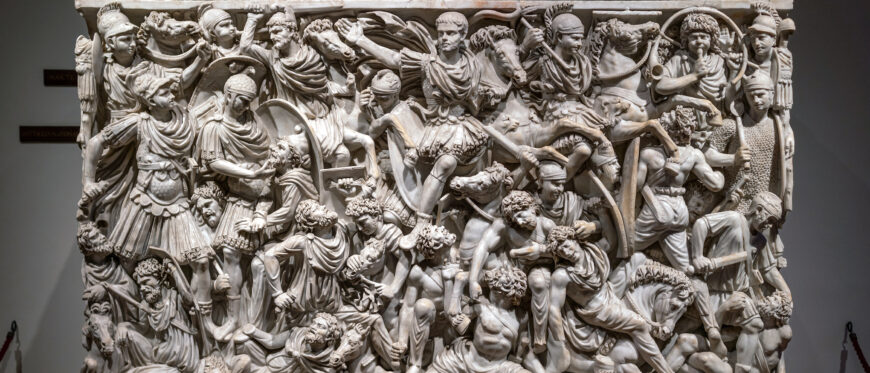
Middle Roman Empire
c. 117–235 C.E.
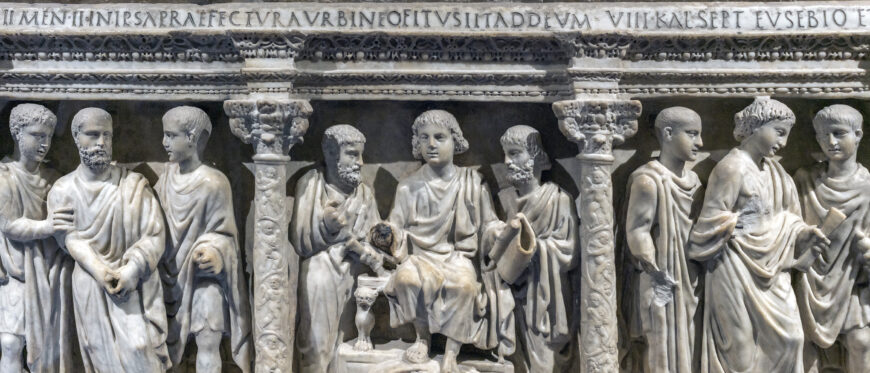
Early Christian
c. 150–700
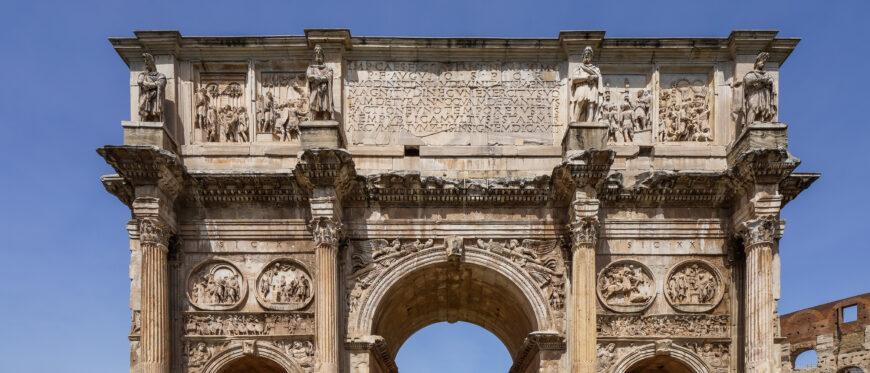
Late Roman Empire
c. 235–410 C.E.
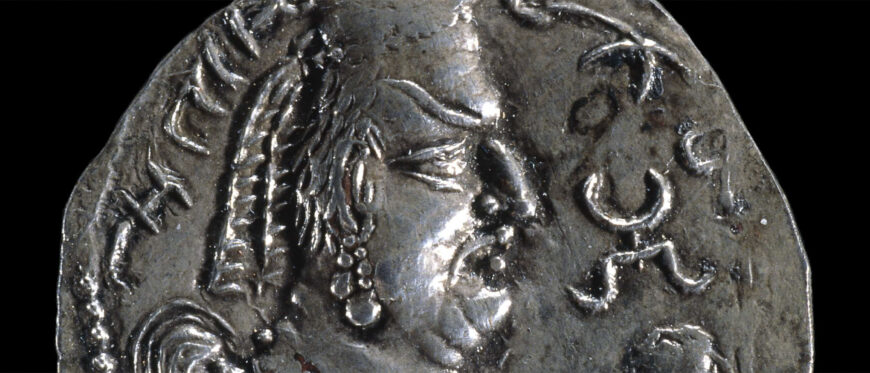
Hunnic
c. 300–500 C.E.
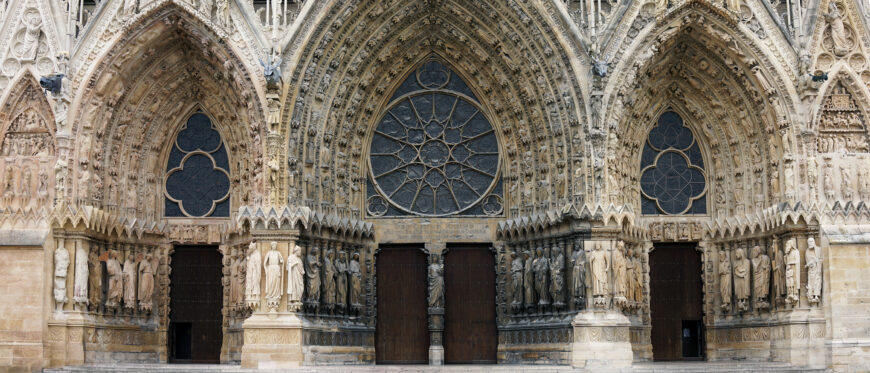
Medieval
c. 330–1453
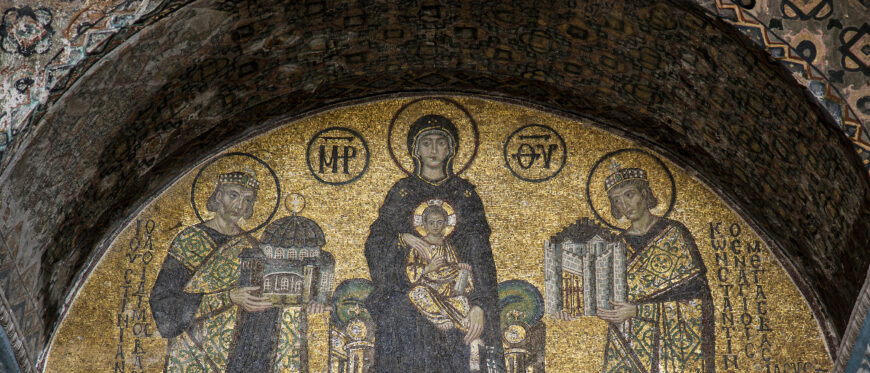
Byzantine
c. 330–1453
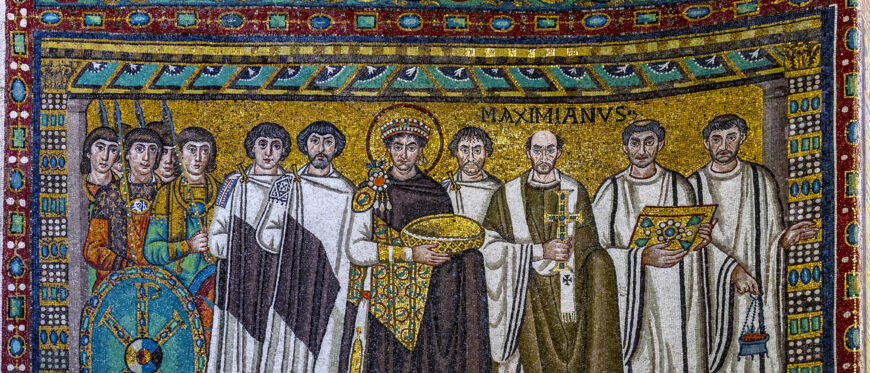
Early Byzantine
c. 330–843
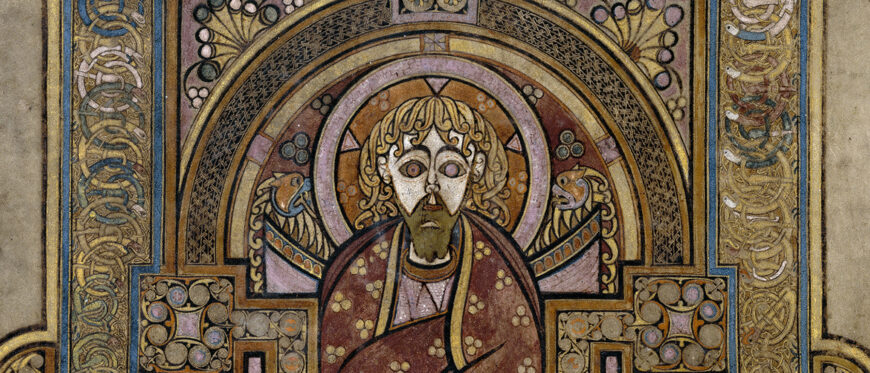
Early Medieval
c. 500–1000
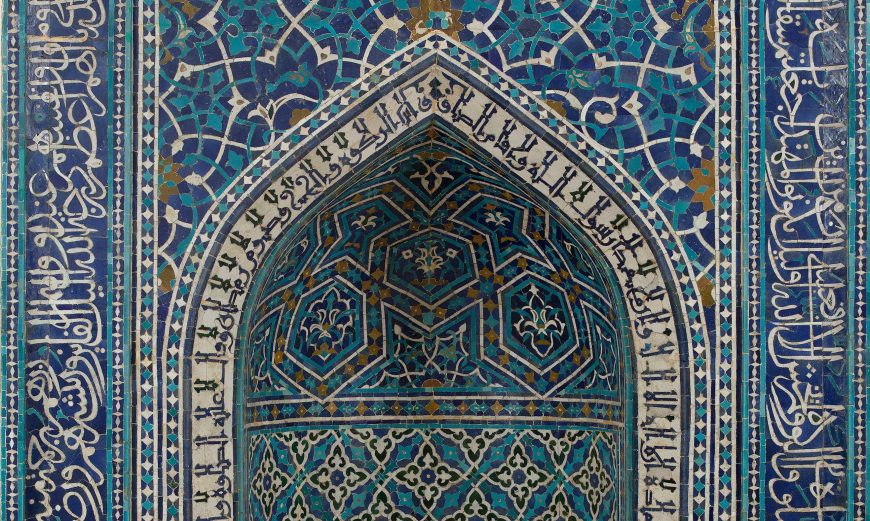
Islamic
c. 640–1924
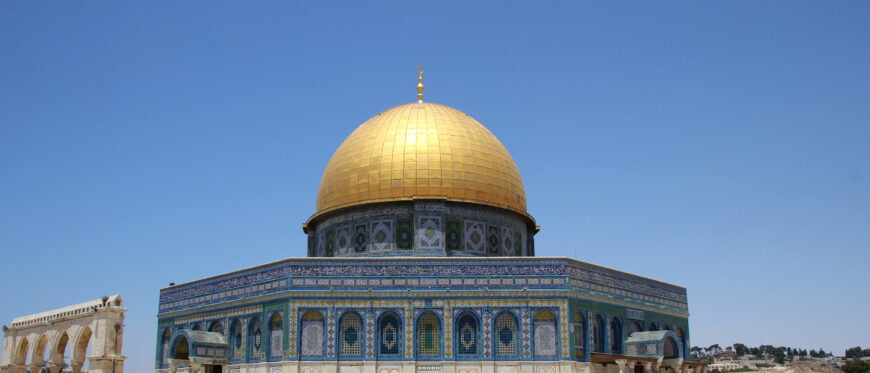
Umayyad
661–750

Carolingian
c. 780–900
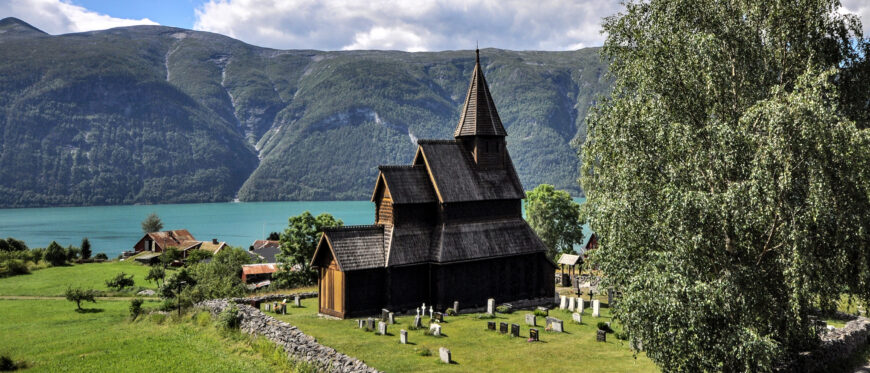
Viking Age
c. 8th–13th century
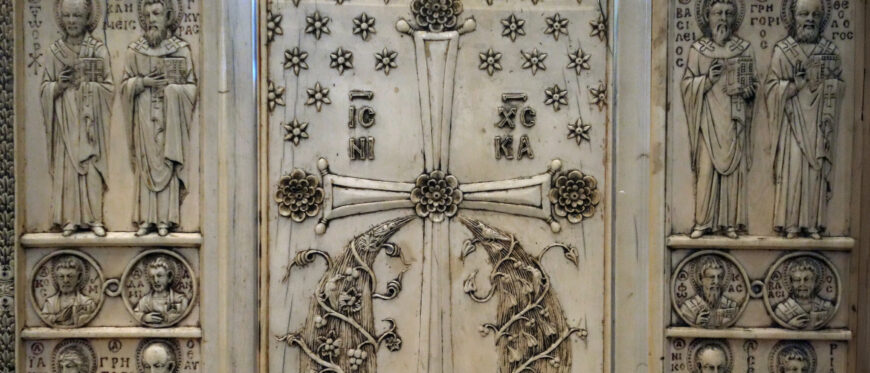
Middle Byzantine
c. 843–1204
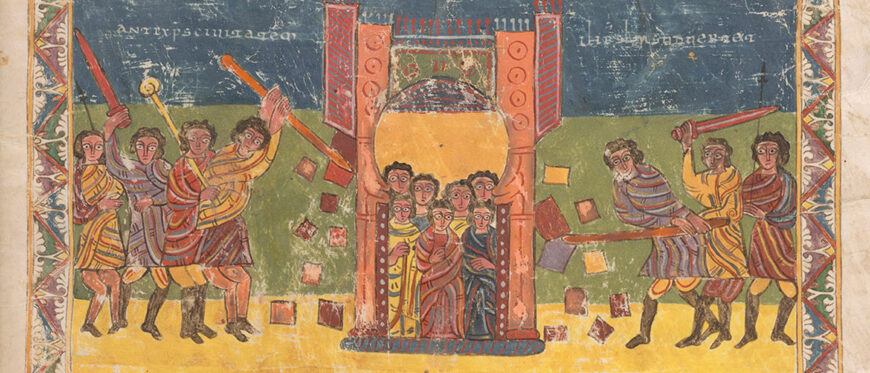
Mozarabic
c. late 9th–10th century
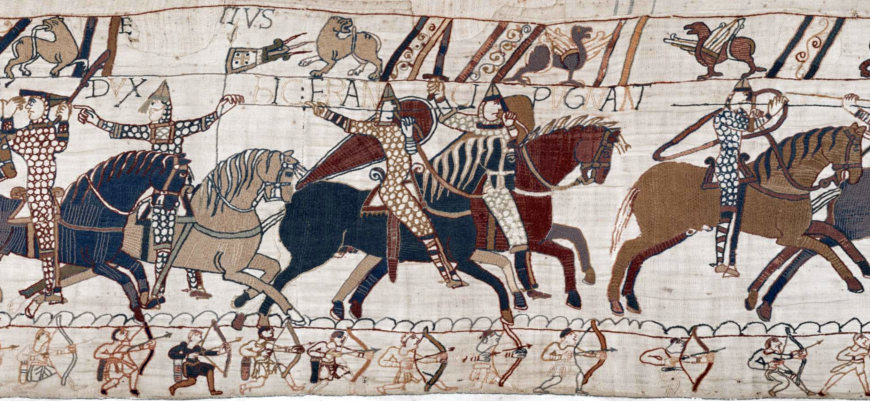
Norman
c. 900–1200
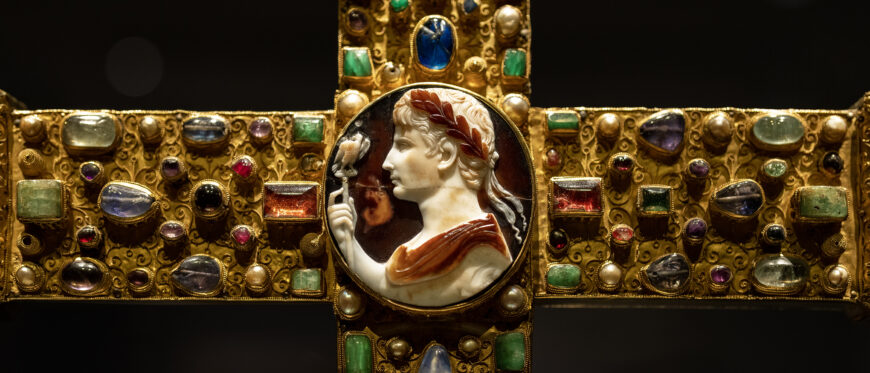
Ottonian
c. 936–1015
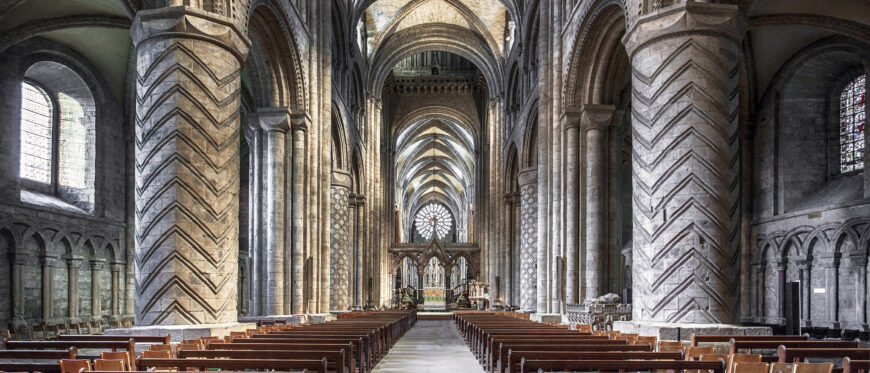
Romanesque
c. 1000–1200
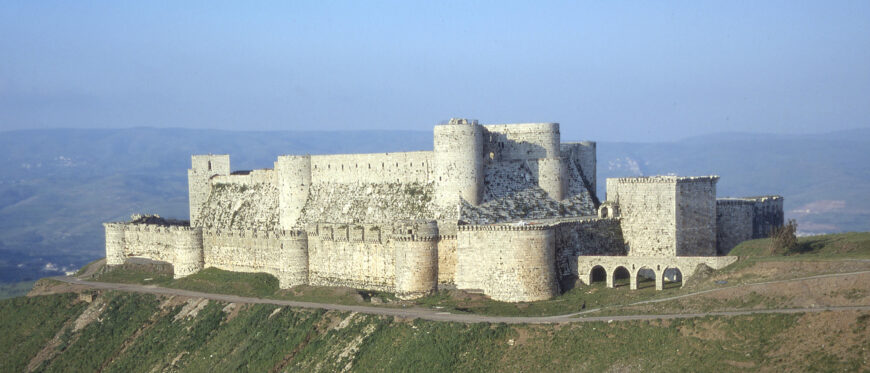
The Crusades
c. 1095–1291
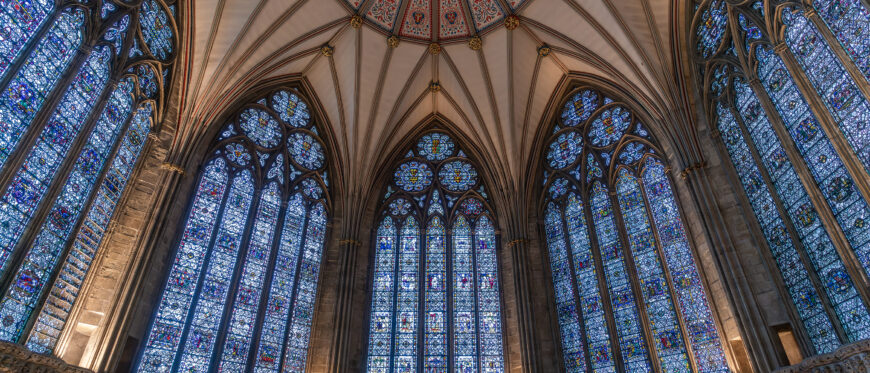
Gothic
c. 1100–1500
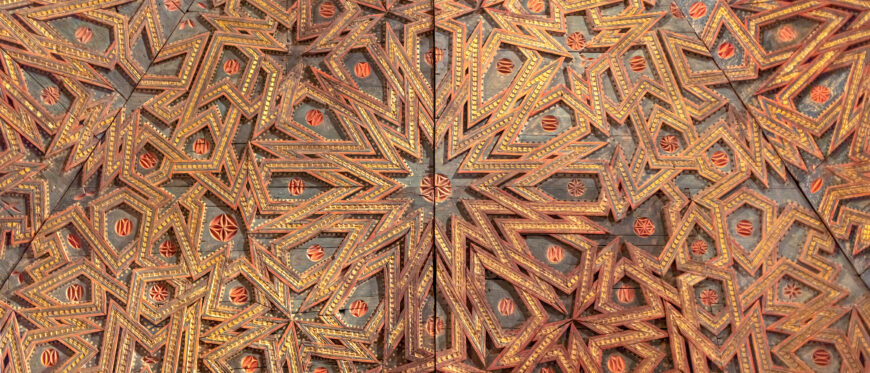
Mudéjar
c. 12th–early 17th century
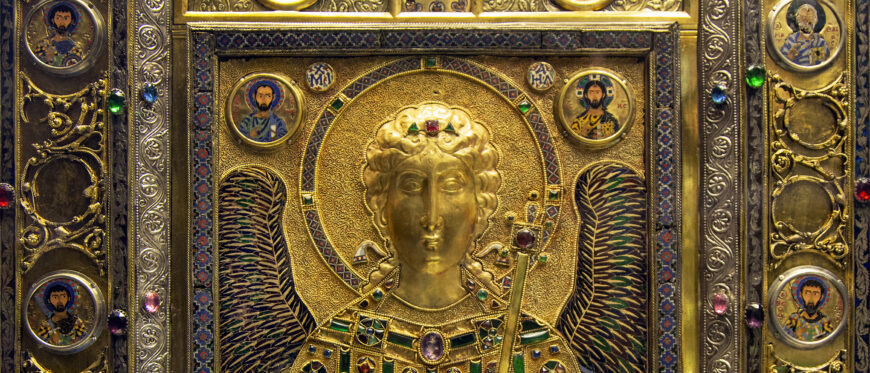
Fourth Crusade and the Latin Empire
c. 1204–61
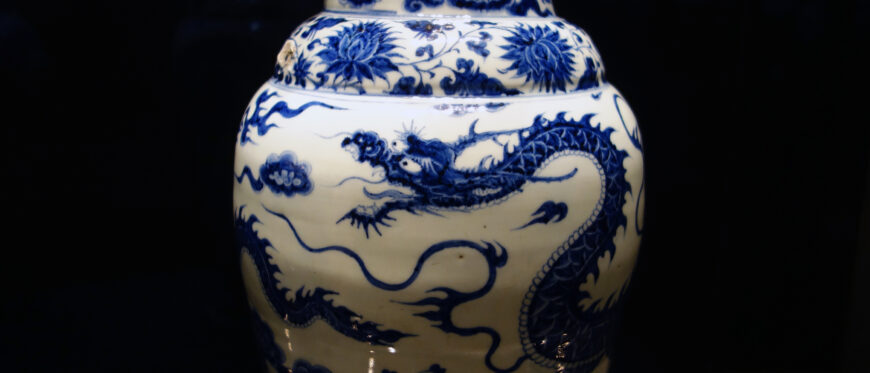
Mongol Empire
1206–1368
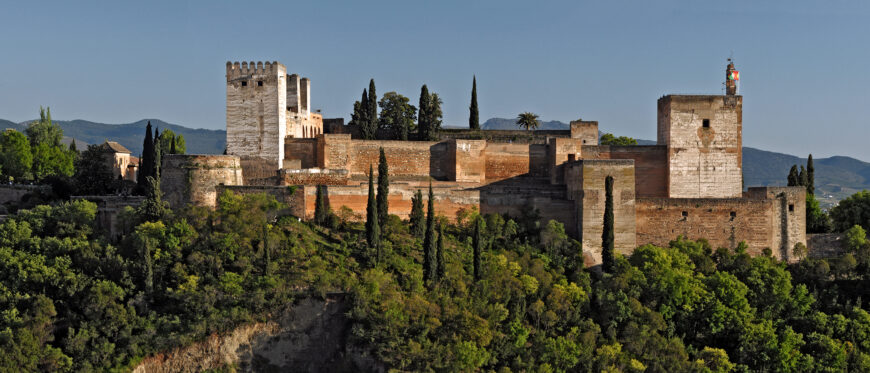
Nasrid dynasty
1232–1492
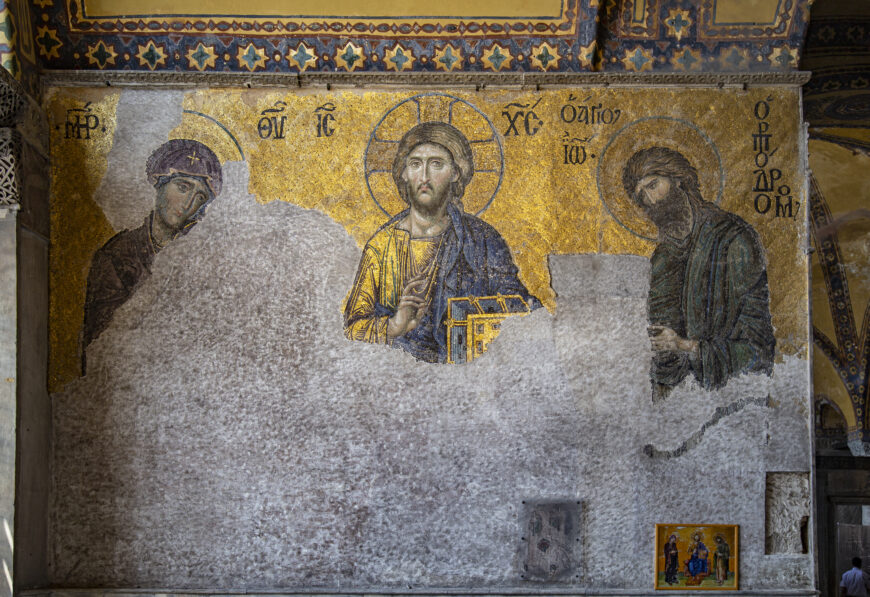
Late Byzantine
1261–1453
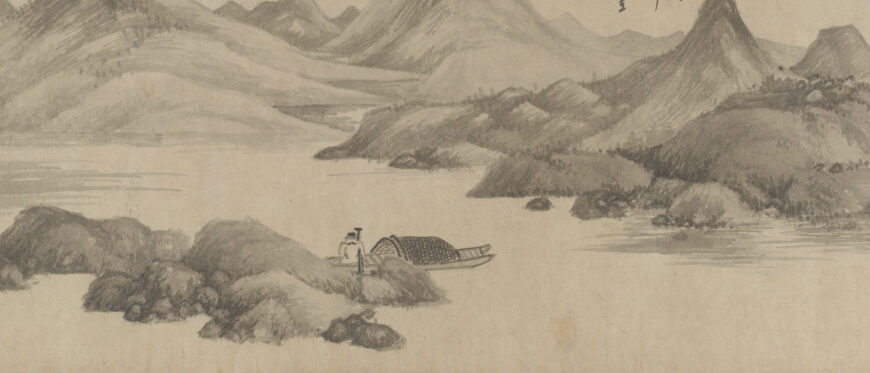
Yuan dynasty
1279–1368
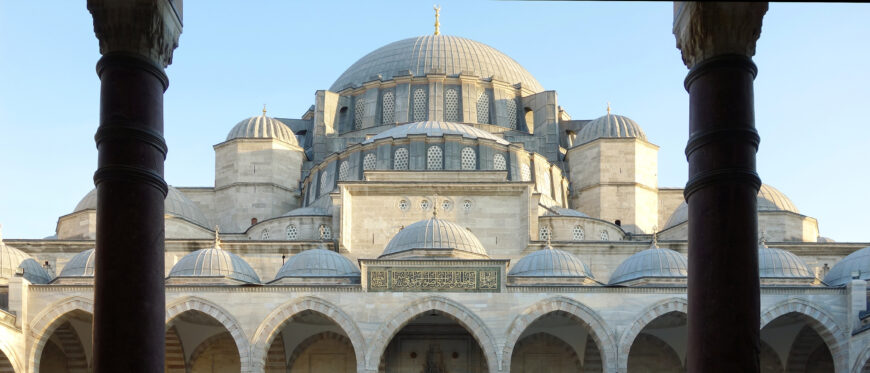
Ottoman
1298–1924

Late Gothic
c. 1300–1400
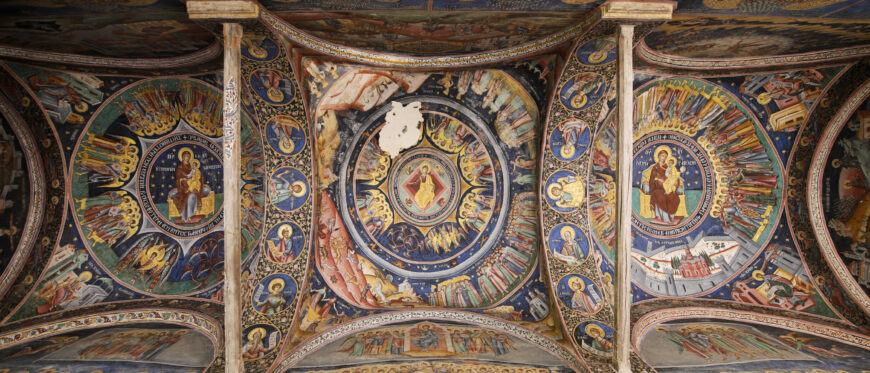
Wallachian
1330–1859
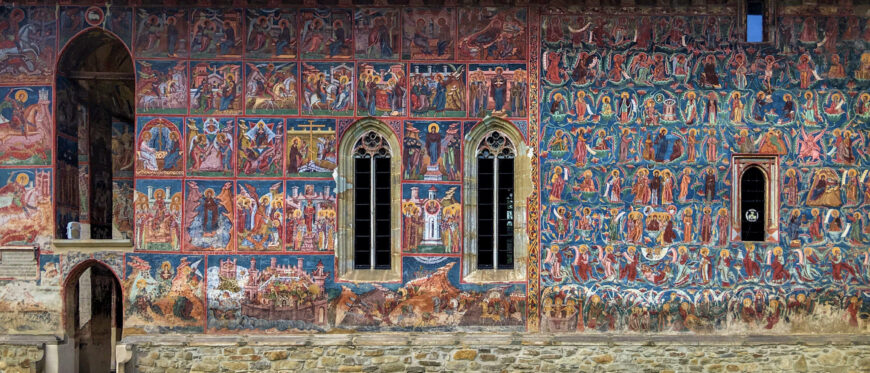
Moldavian
c. 1346–1859
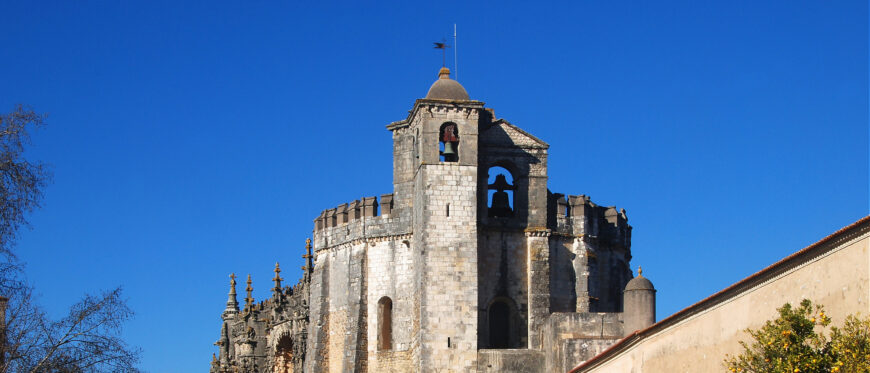
Manueline
late 14th–mid-16th century
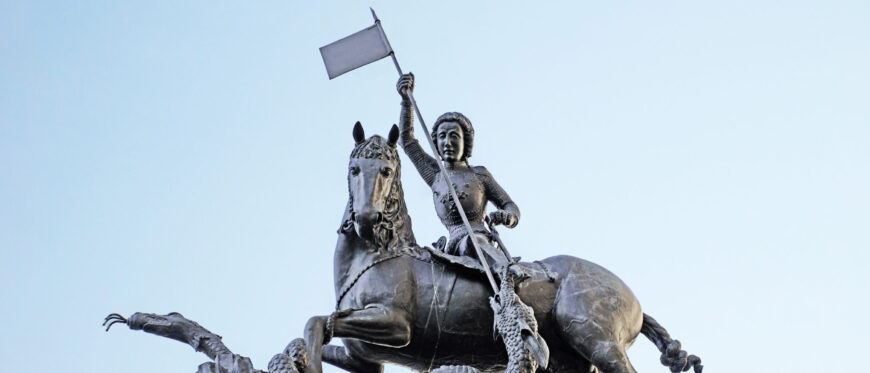
Late Medieval
c. 1400–1500
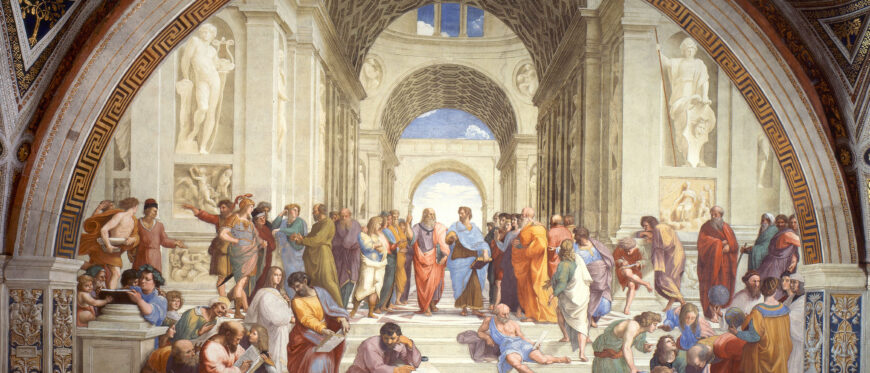
Renaissance
1400–1600
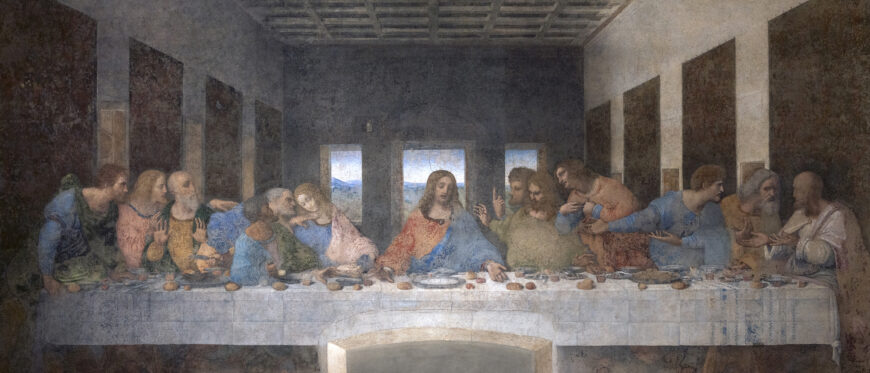
Italian Renaissance
c. 1400–1600
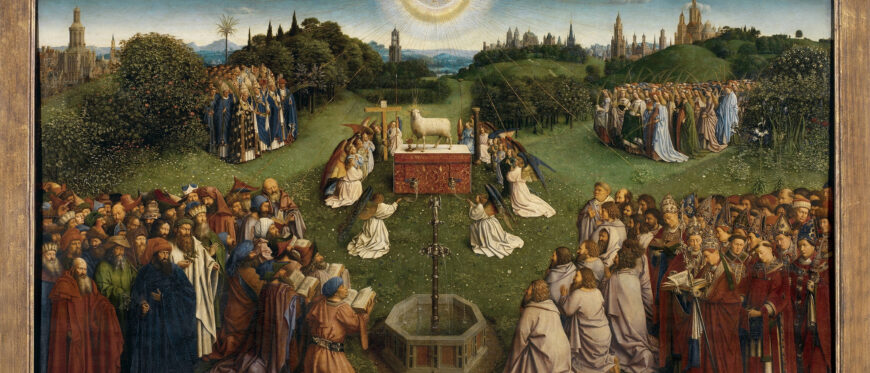
Northern Renaissance
c. 1400–1600
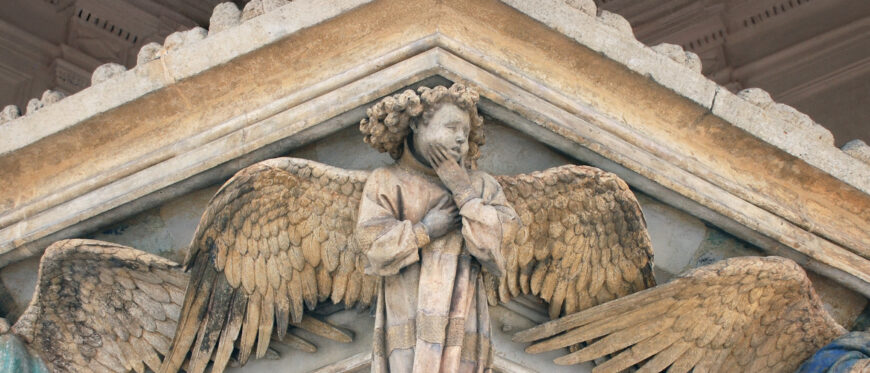
Burgundian
c. 15th century
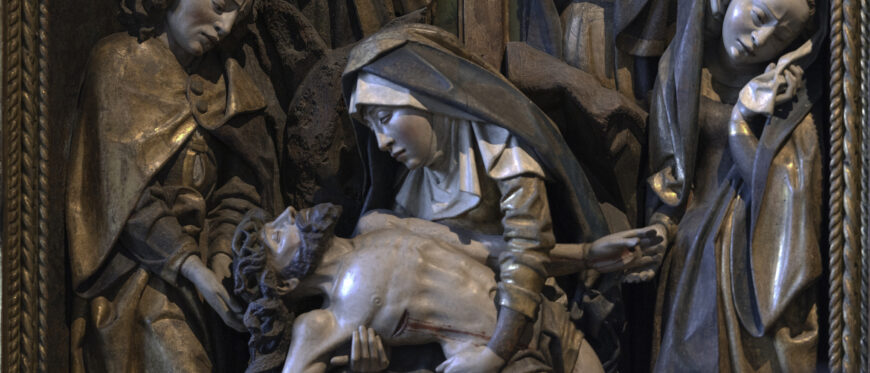
Spanish and Portuguese Renaissance
c. 1400–1600
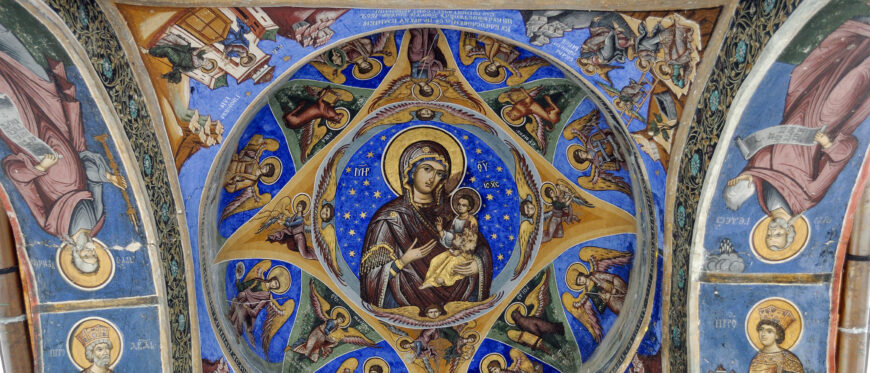
Post-Byzantine
1453 and after
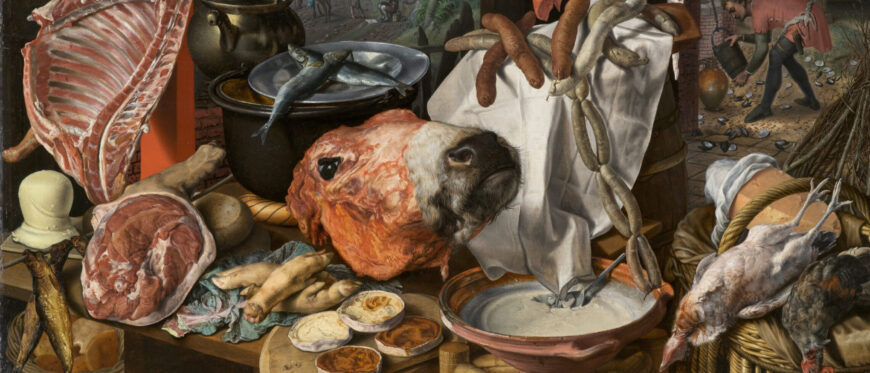
Northern Mannerism
c. 1500–1600
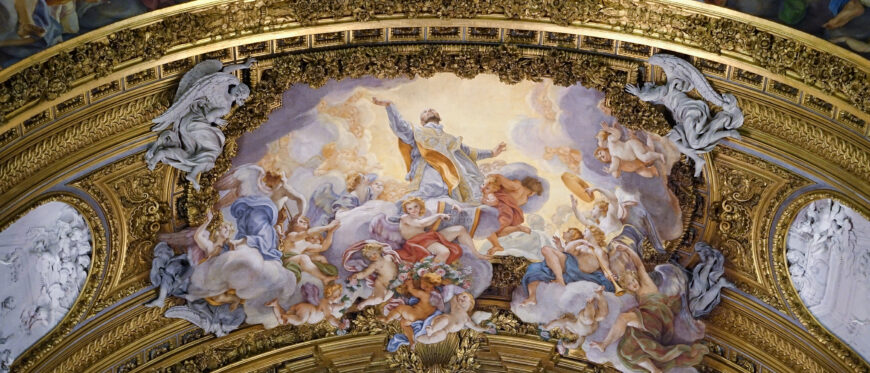
Mannerism
c. 1520–1600
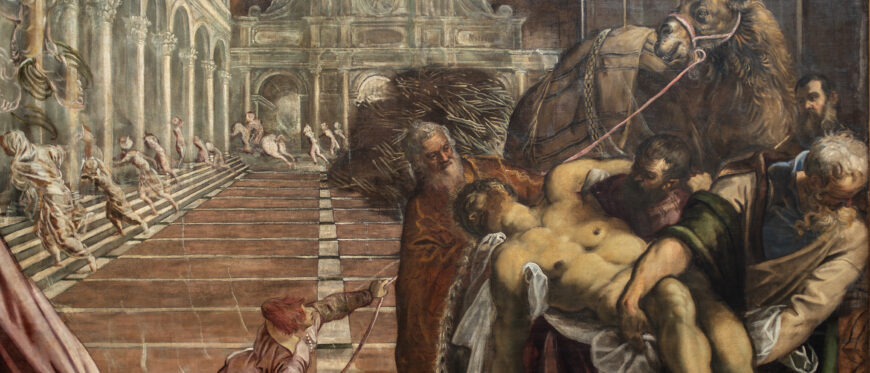
Italian Mannerism
1520–90
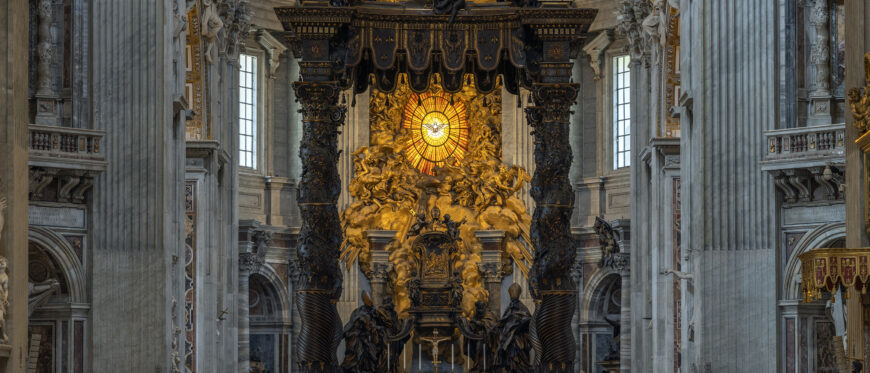
Baroque
c. 1600–1700

Dutch Baroque
c. 1600–1700
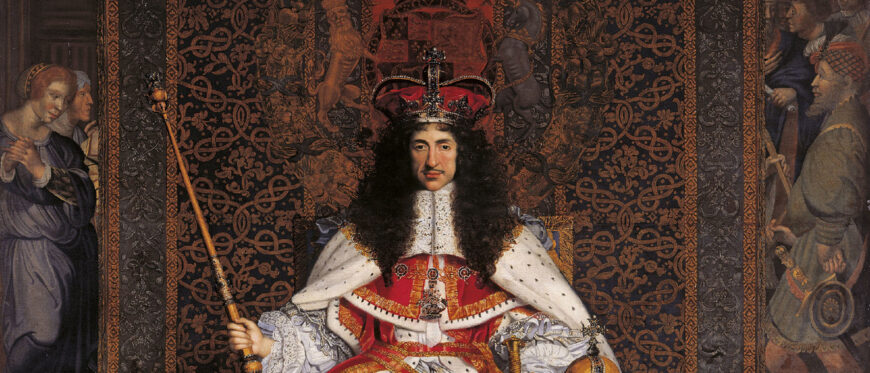
English Baroque
c. 1600–1700
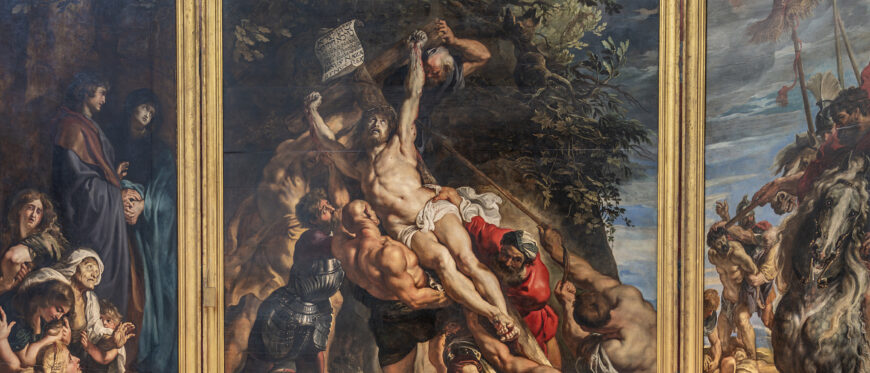
Flemish Baroque
c. 1600–1700
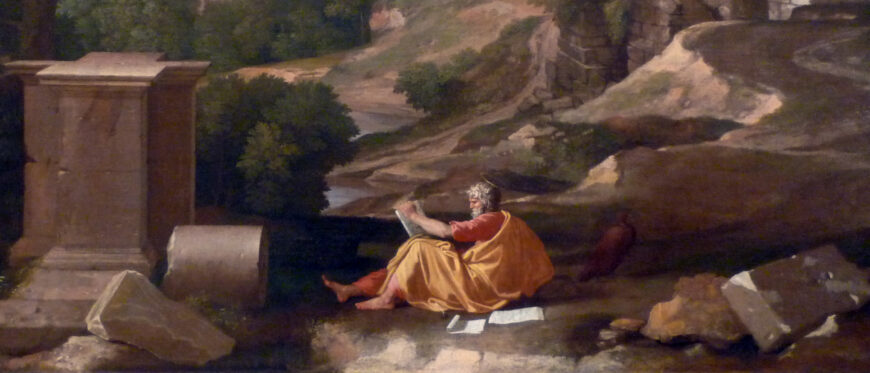
French Baroque
c. 1600–1700
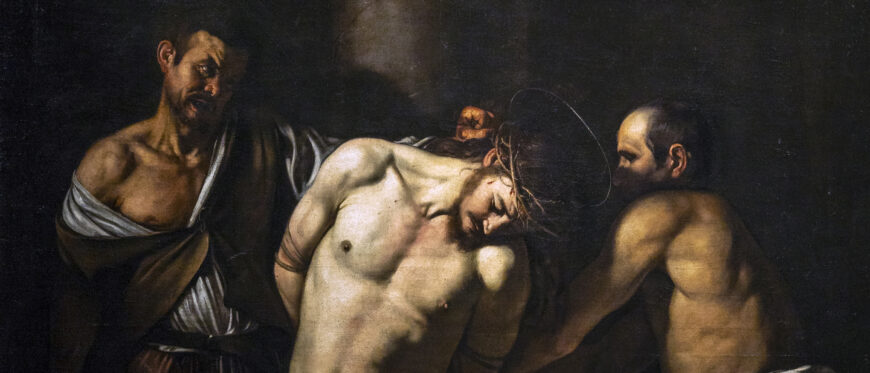
Italian Baroque
c. 1600–1700
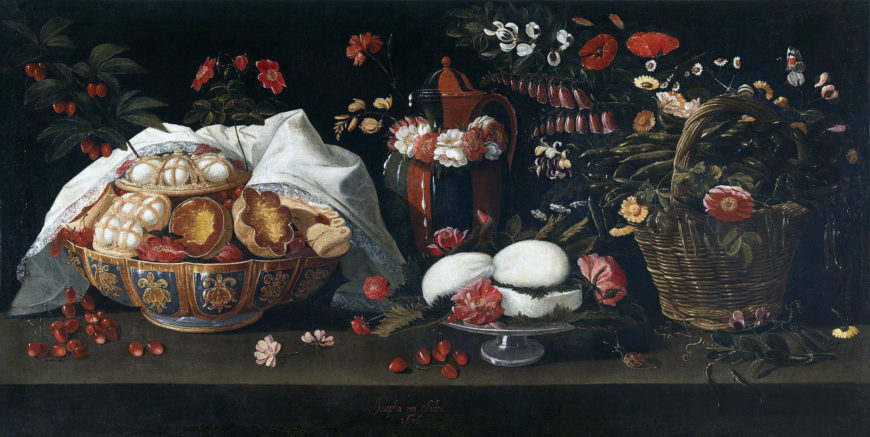
Portuguese Baroque
c. 1600–1700
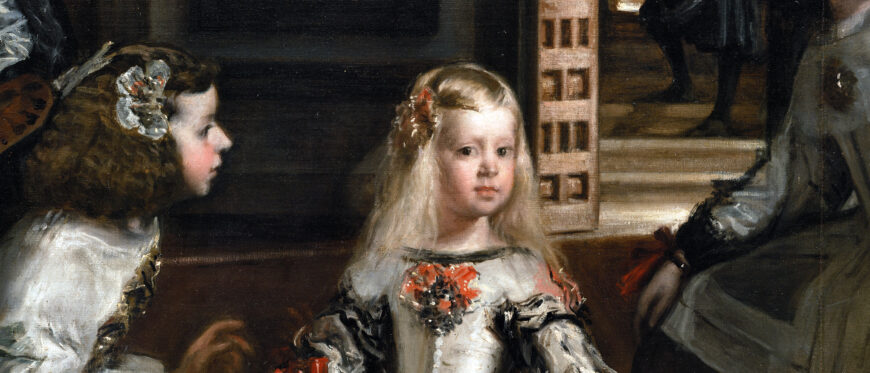
Spanish Baroque
c. 1600–1700
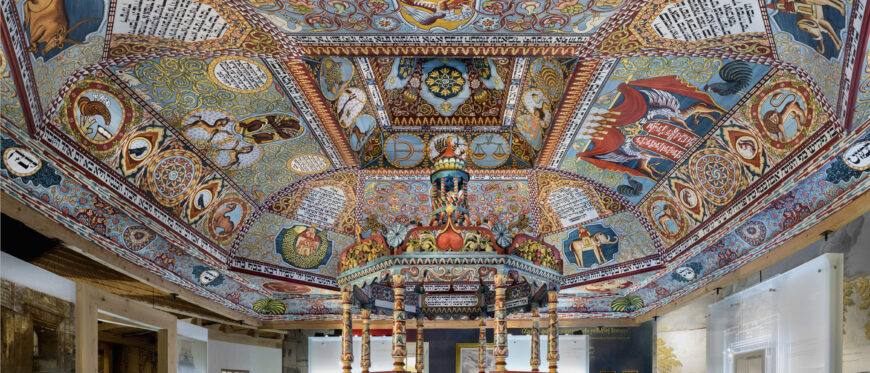
Eastern European Baroque
c. 1600–1700
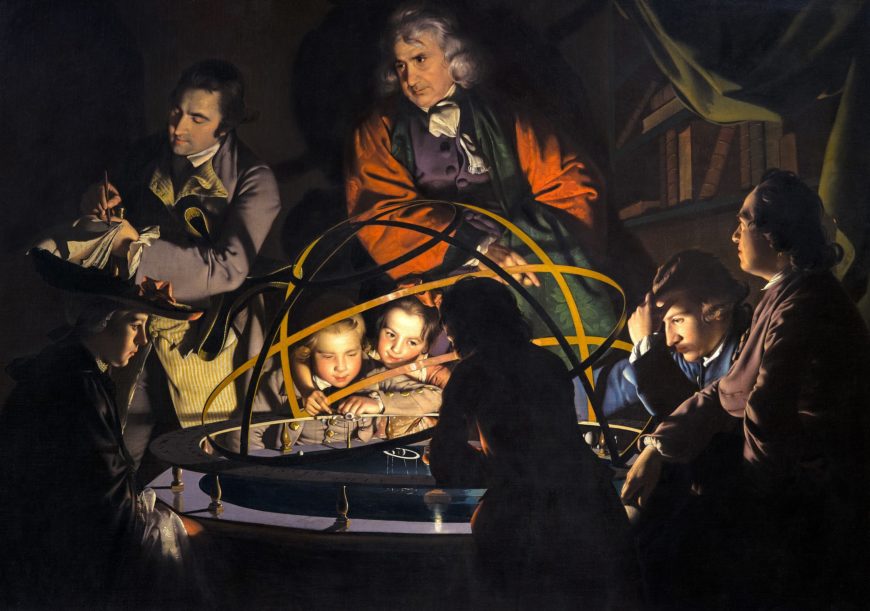
Age of Enlightenment
17th–18th century
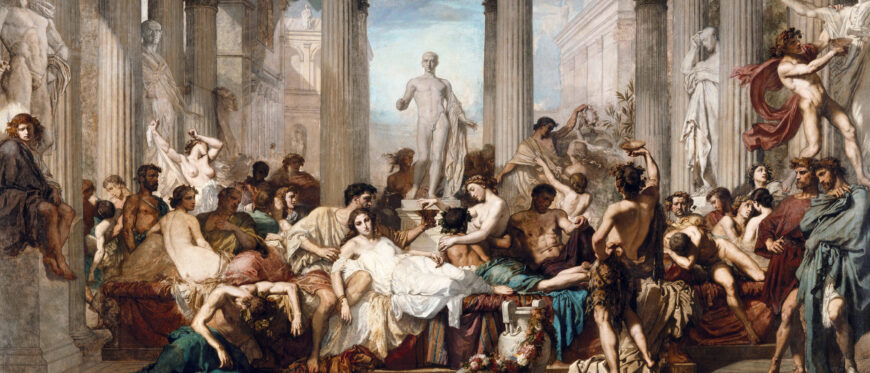
Academic
1648–today
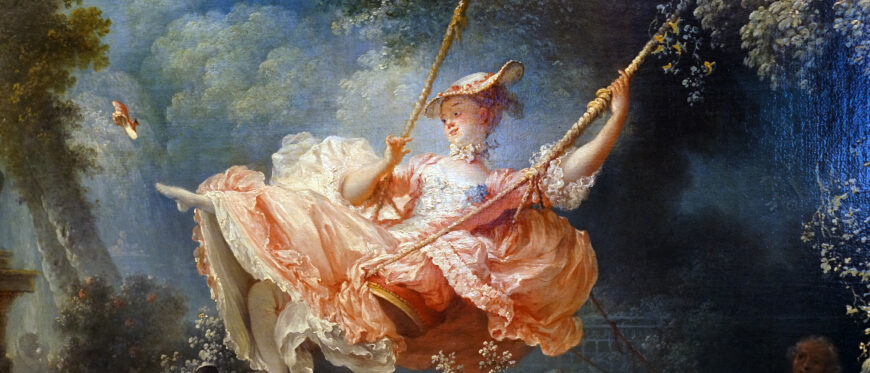
Rococo
c. 1700–75
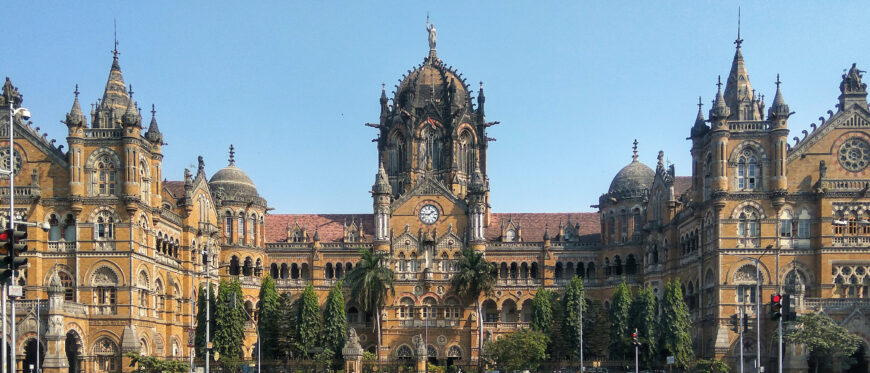
Gothic Revival
Mid-18th century–late 19th century
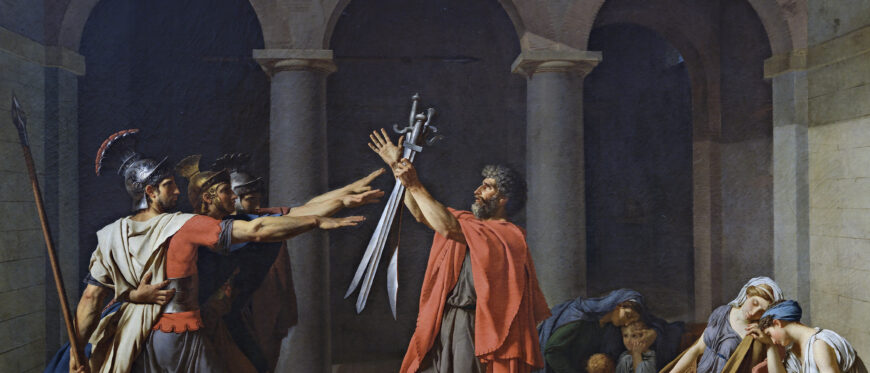
Neoclassicism
c. 1760–1830
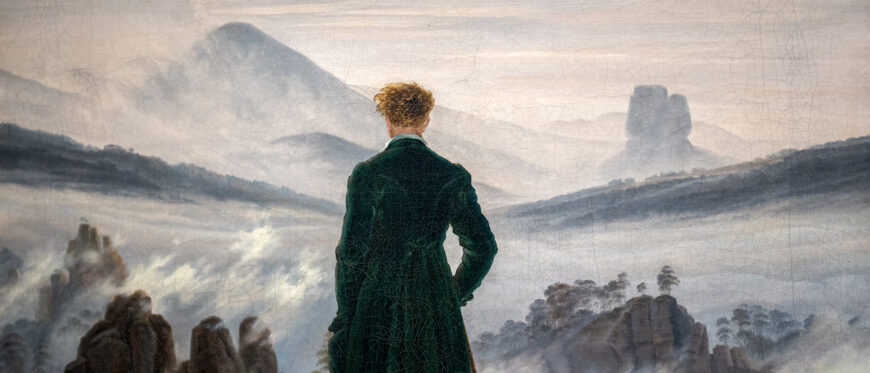
Romanticism
c. 1800–1848
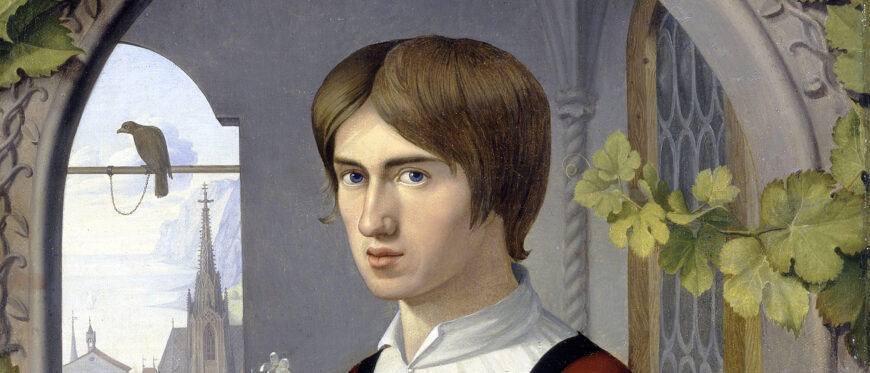
Nazarene
c. 1809–30
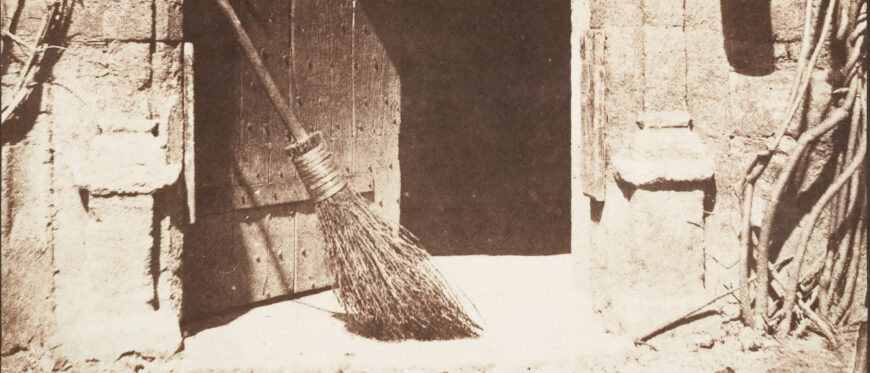
Early photography
c. 1826–85
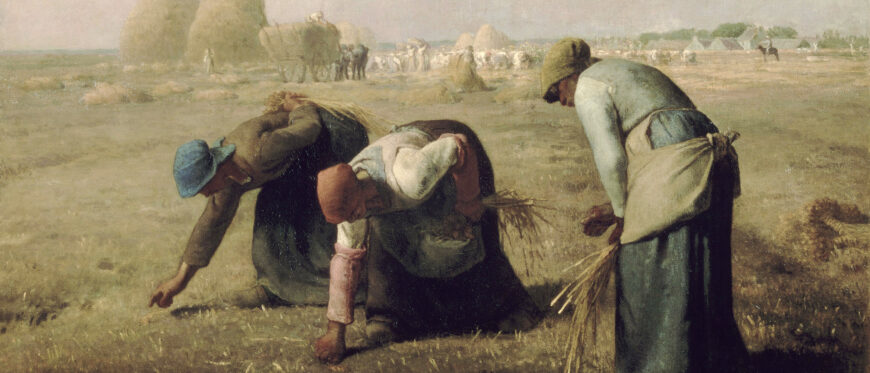
Realism
c. 1830–80
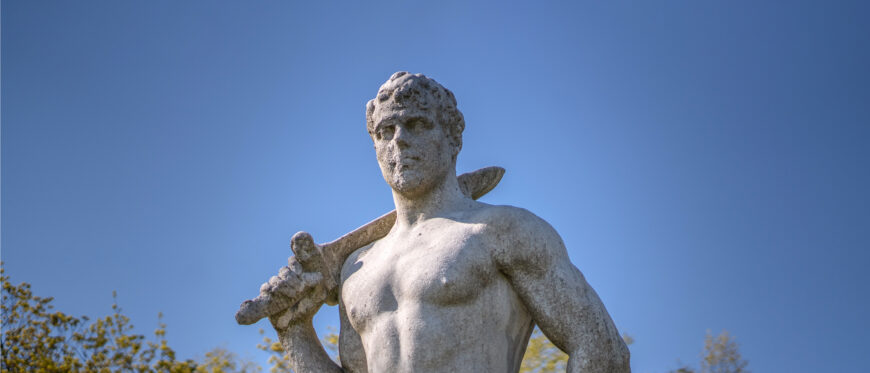
Beaux-Arts
19th–early 20th century
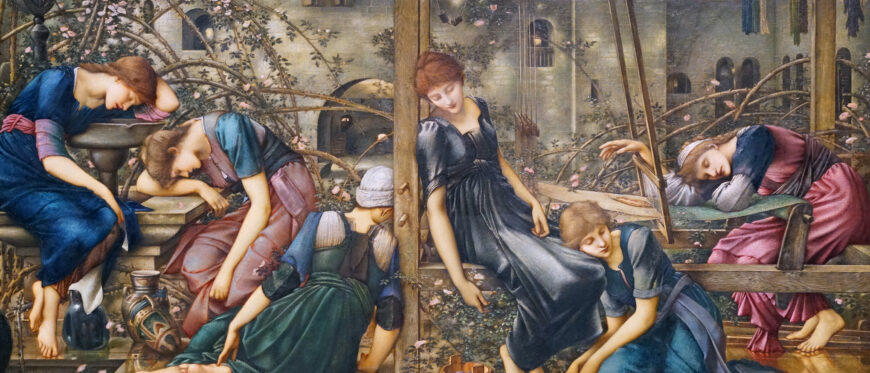
Victorian
1837–1901
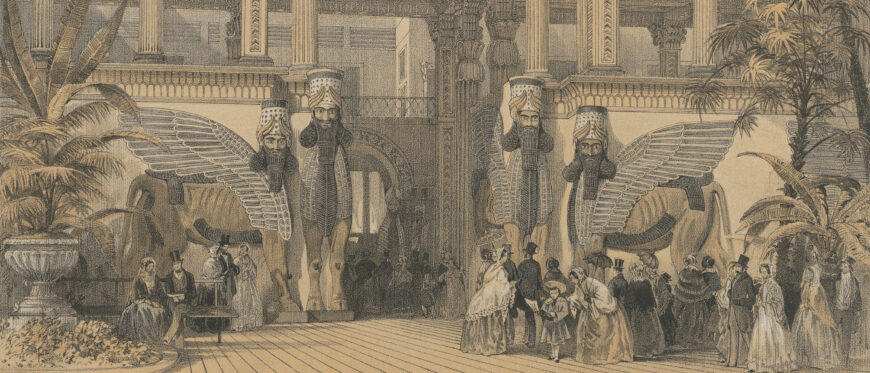
Early Victorian
1837–51
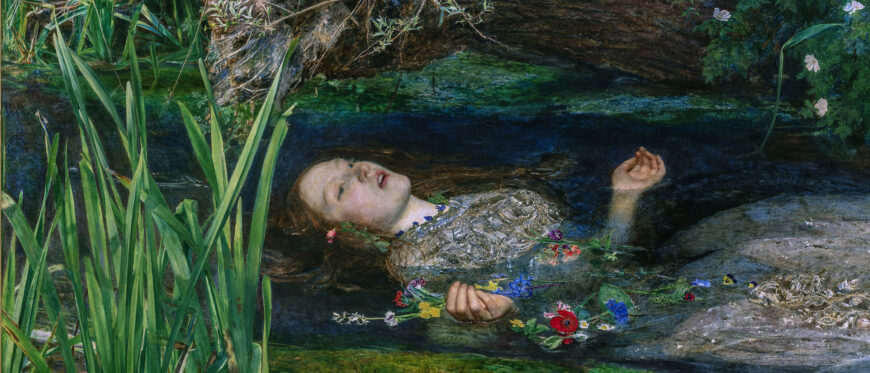
Pre-Raphaelitism
c. 1848–98
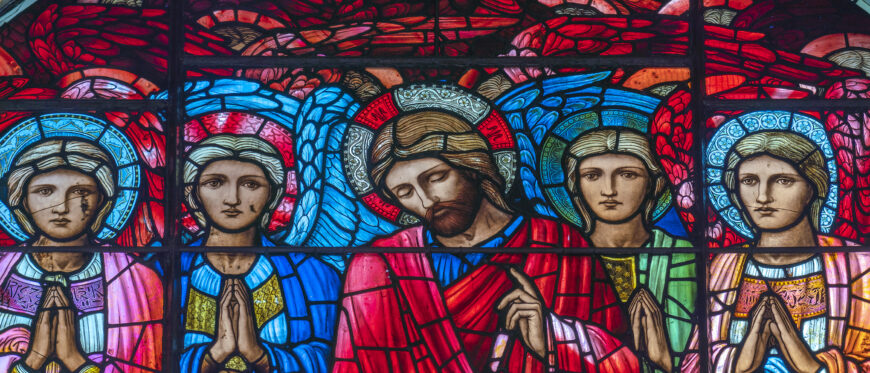
Mid-Victorian
c. 1851–70
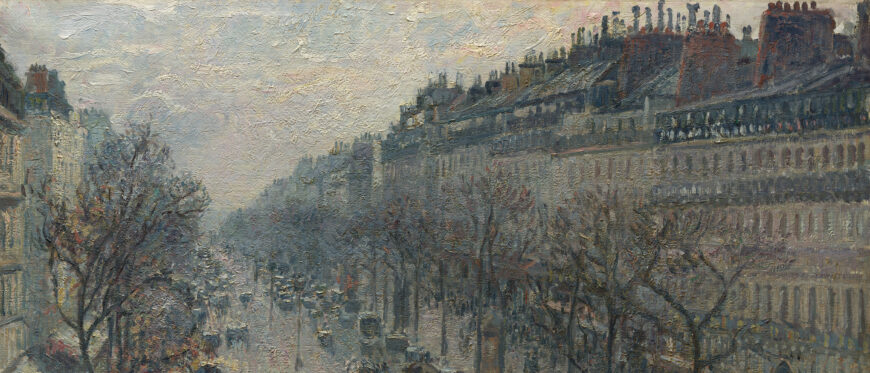
Second Empire
1852–70
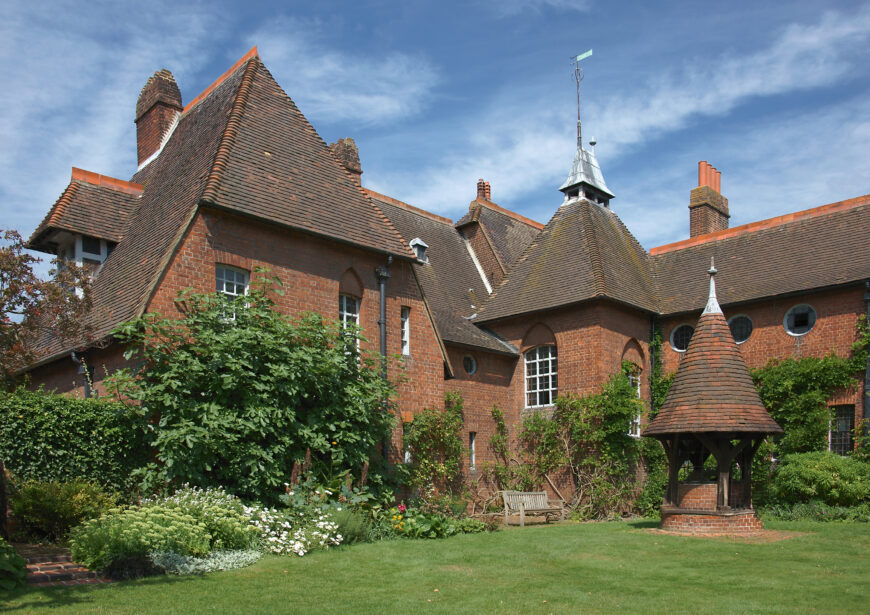
Arts and Crafts
c. 1860–1920
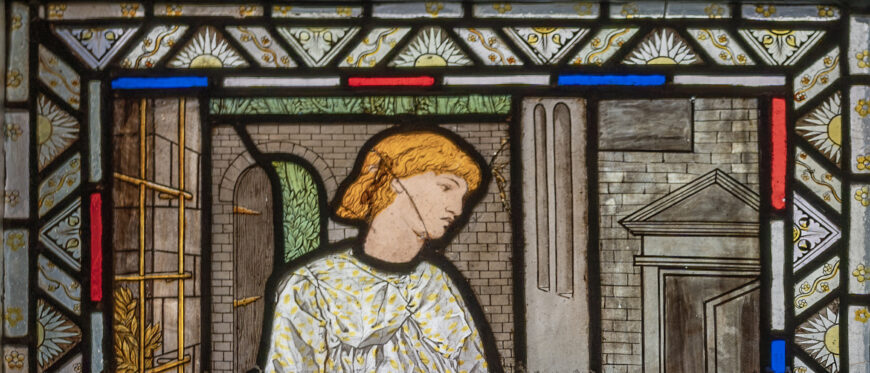
Aestheticism
c. 1862–1900
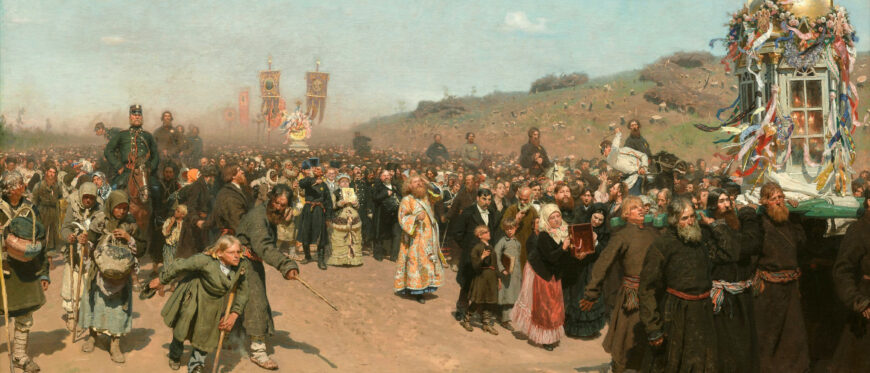
Peredvizhniki
c. 1863–1923
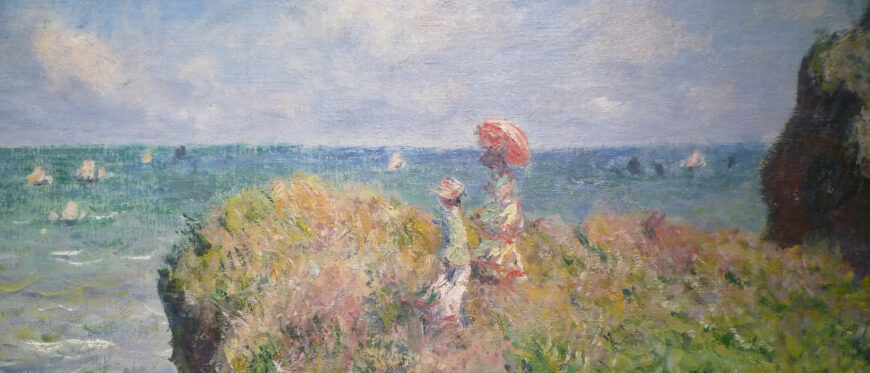
Impressionism
c. 1870–1920
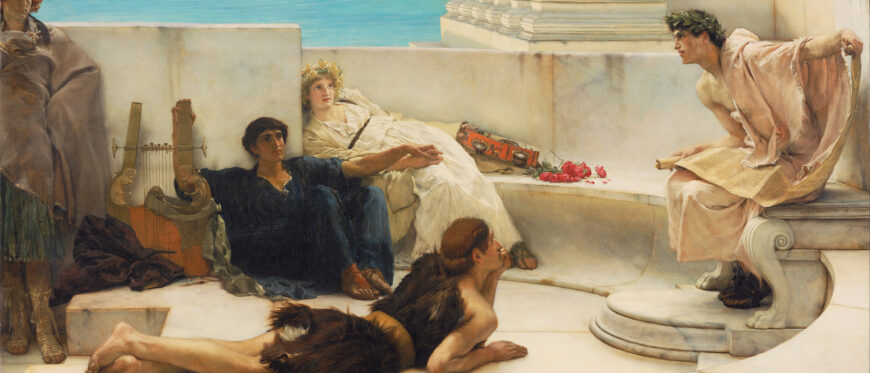
Late Victorian
c. 1875–1901

Post-Impressionism
c. 1880–1900
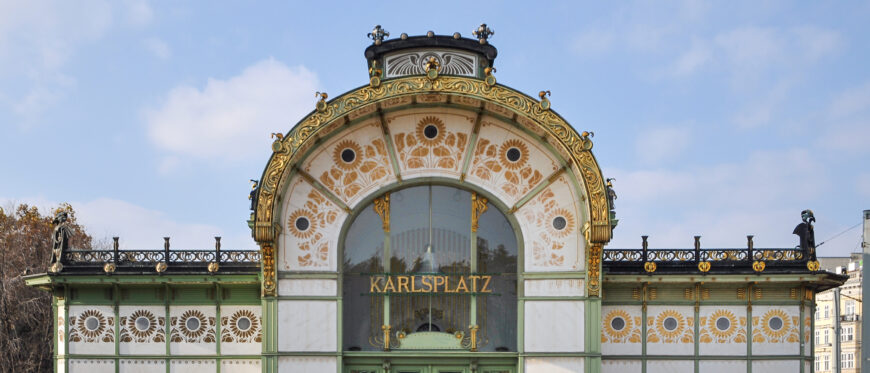
Art Nouveau
c. 1880–1910

Symbolism
c. 1880–1910
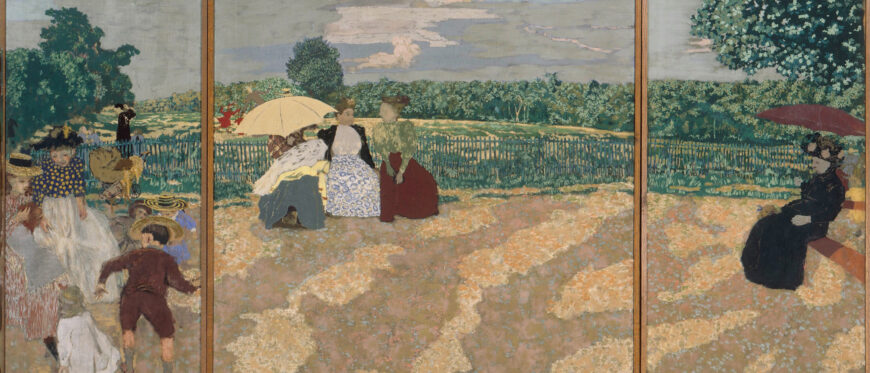
Nabis
1888–1900
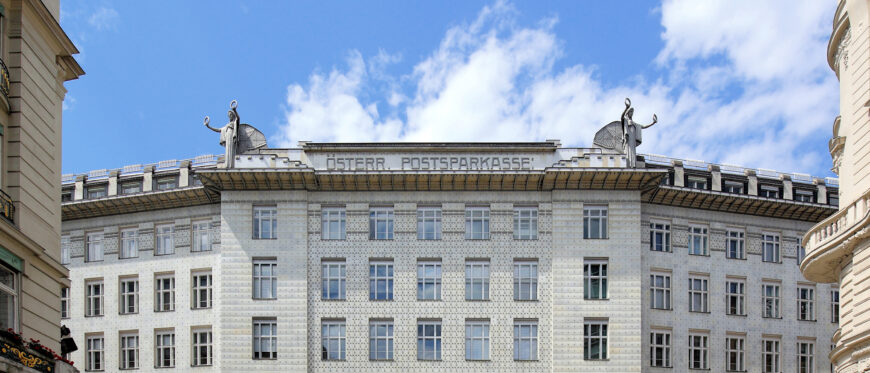
Vienna Secession
c. 1897–1914
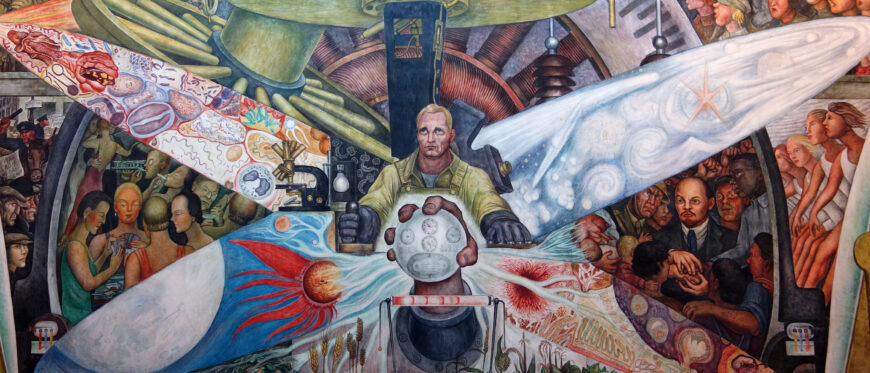
Modernisms
c. 1900–1980
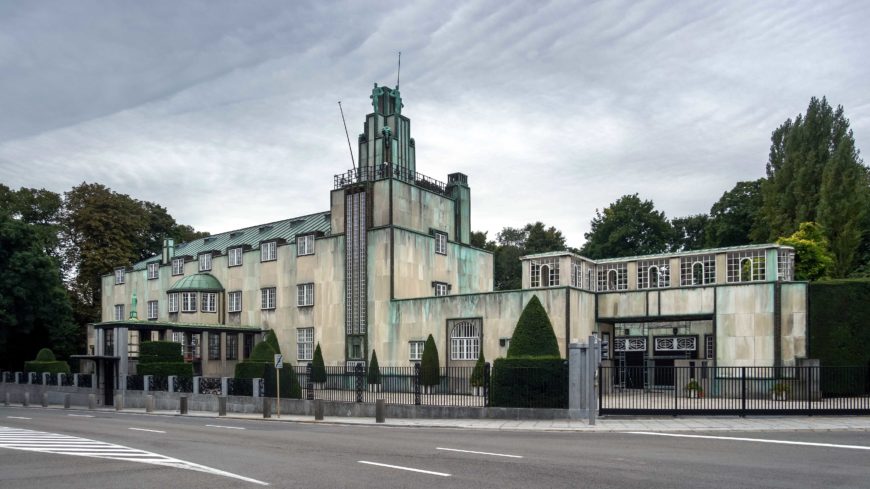
Wiener Werkstätte
1903–32
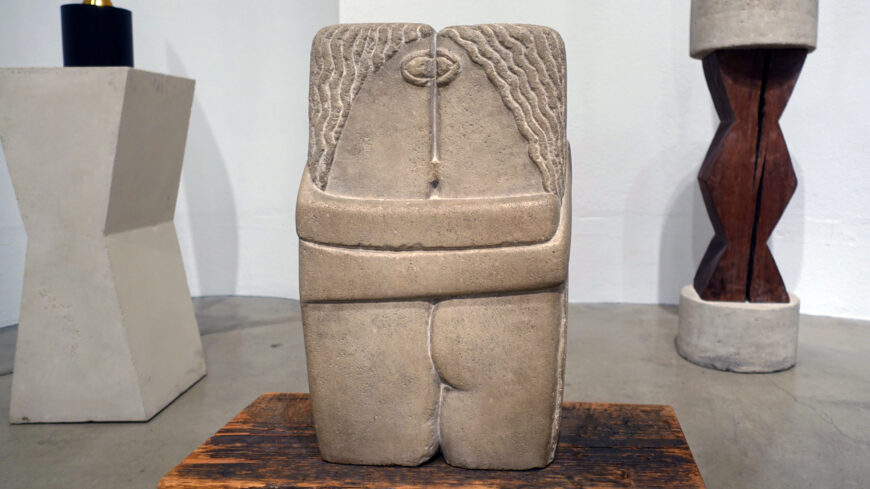
School of Paris
c. 1904–39

Fauvism
c. 1904–10
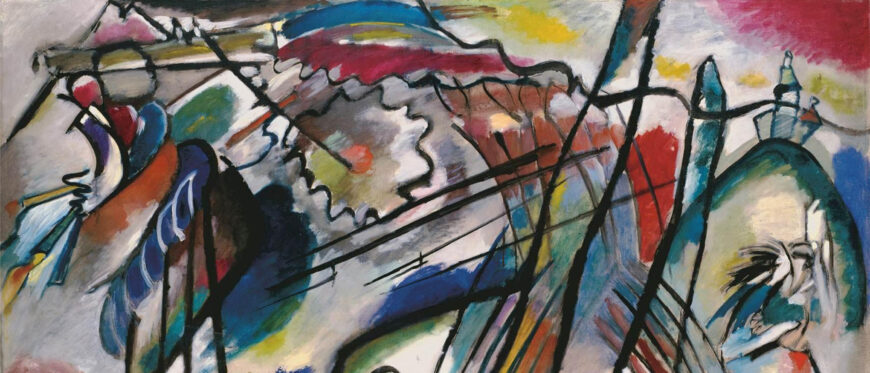
Expressionism
1905–14
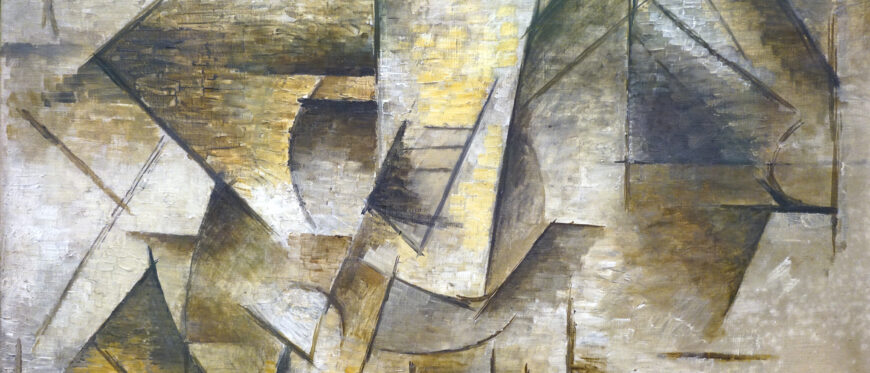
Cubism
1907–39
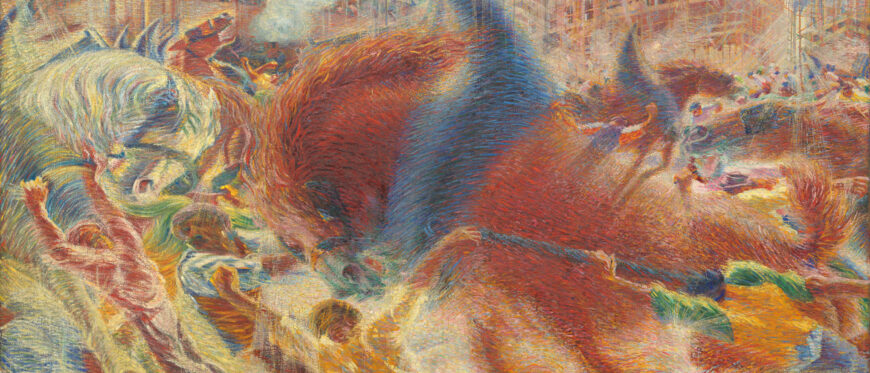
Futurism
1909–17
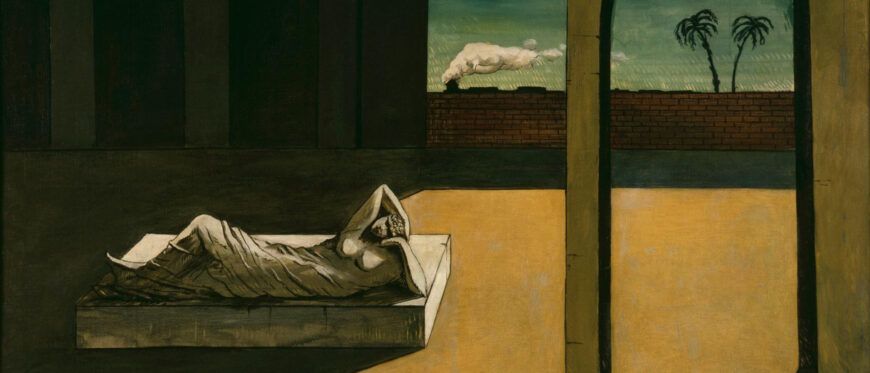
Metaphysical art
1910–1924
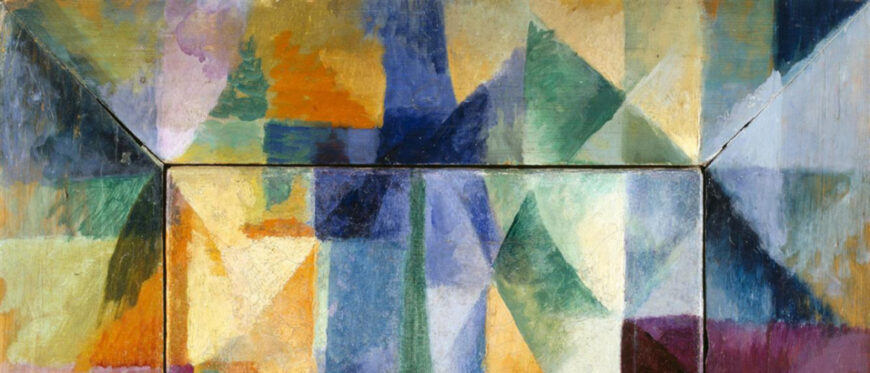
Orphism
1912–14
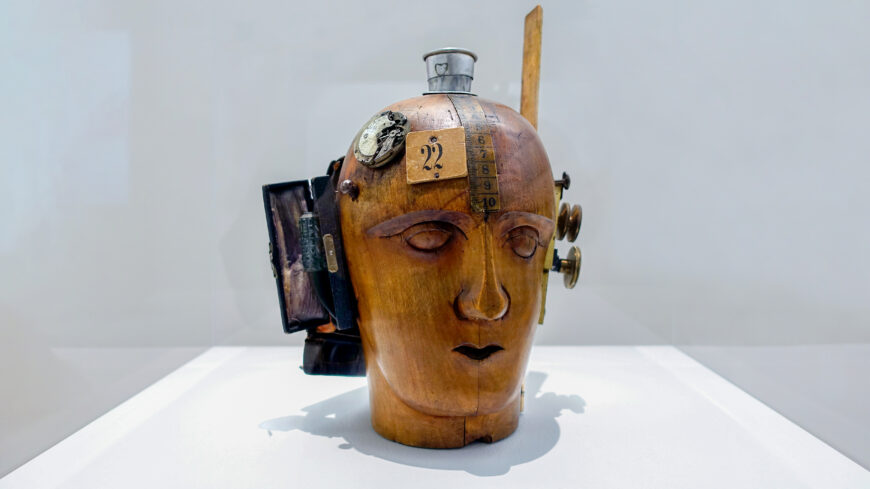
Dada
1913–24
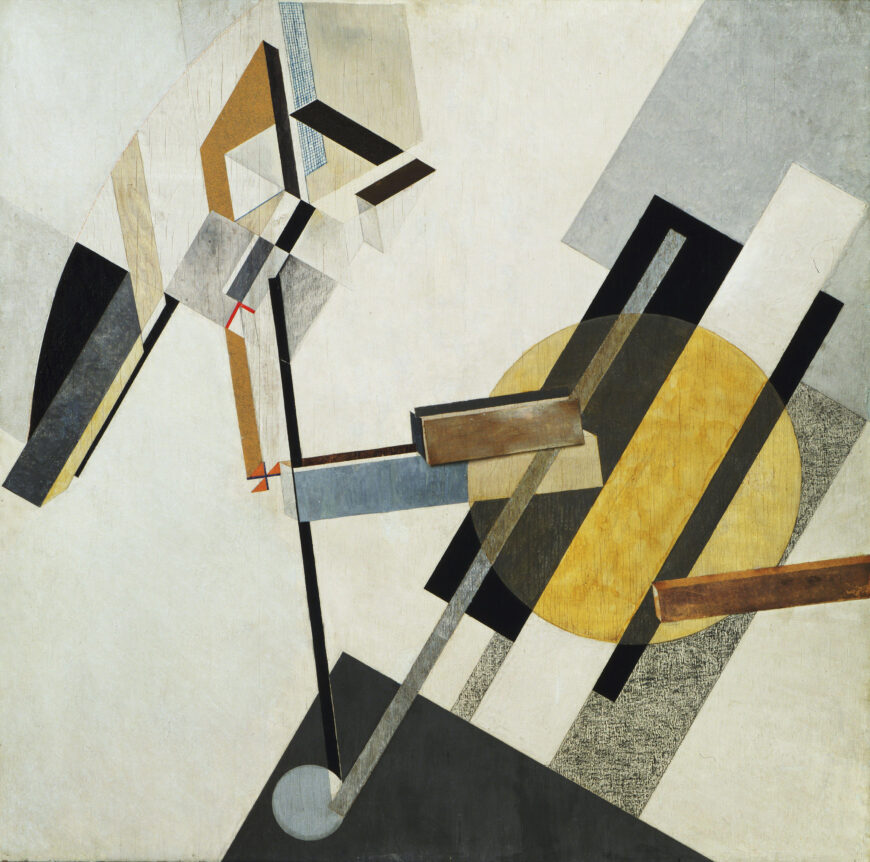
Suprematism
1913–34
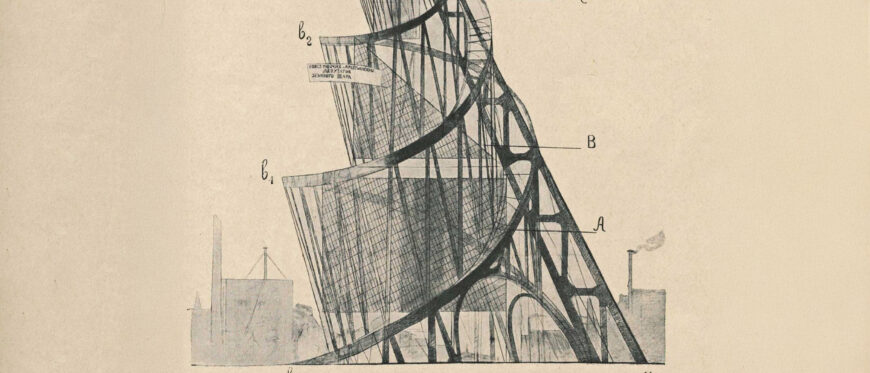
Russian Constructivism
1915–34
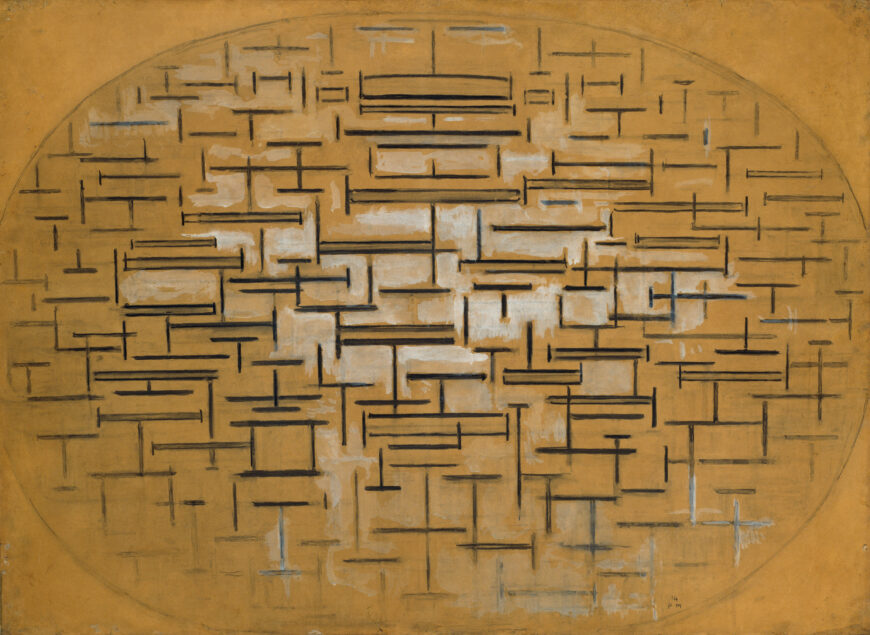
De Stijl
1917–31
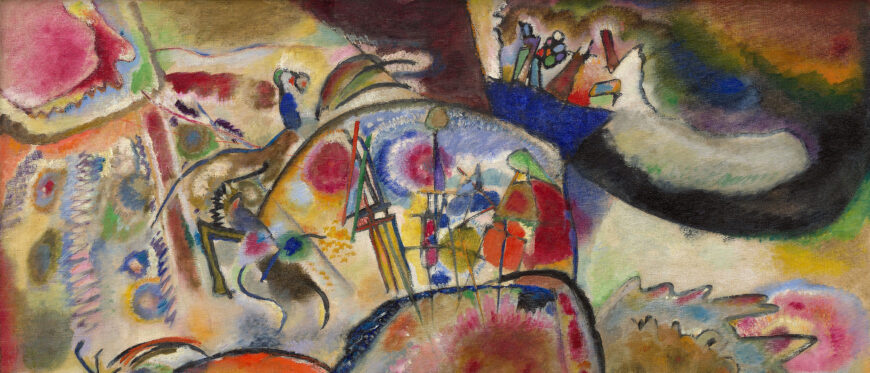
Russian avant-garde
c. 1918–41
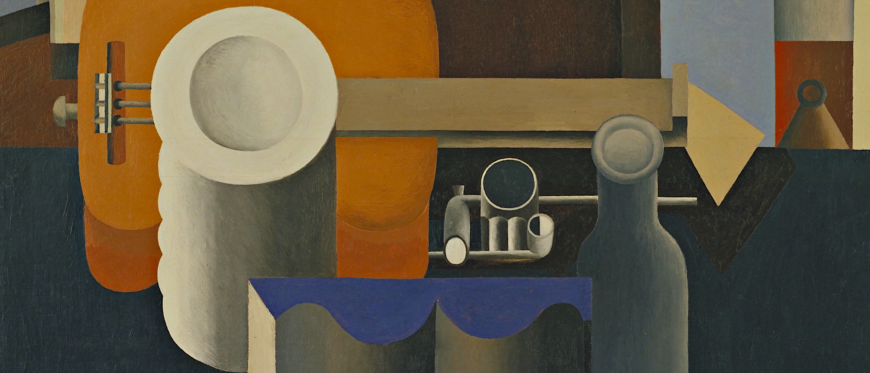
Purism
1918–25
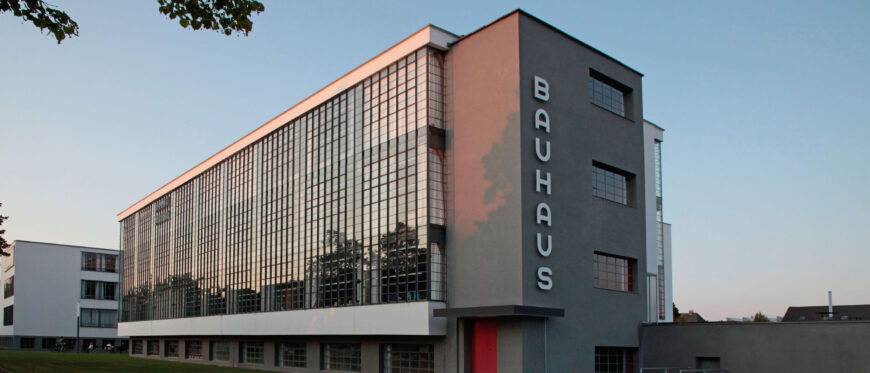
Bauhaus
1919–33
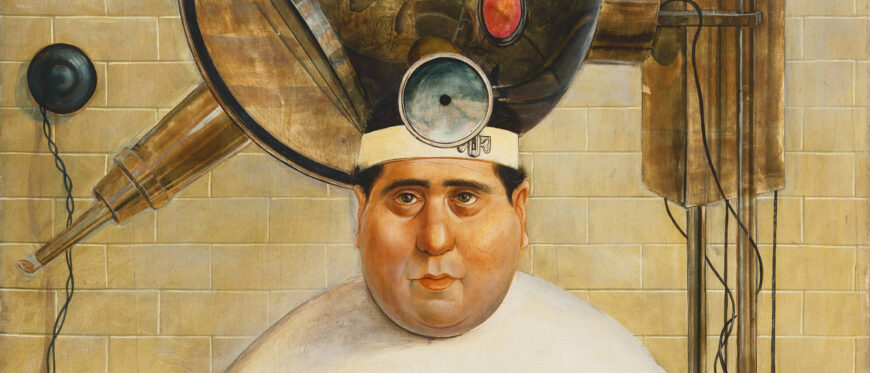
New Objectivity (Neue Sachlichkeit)
c. 1920–30
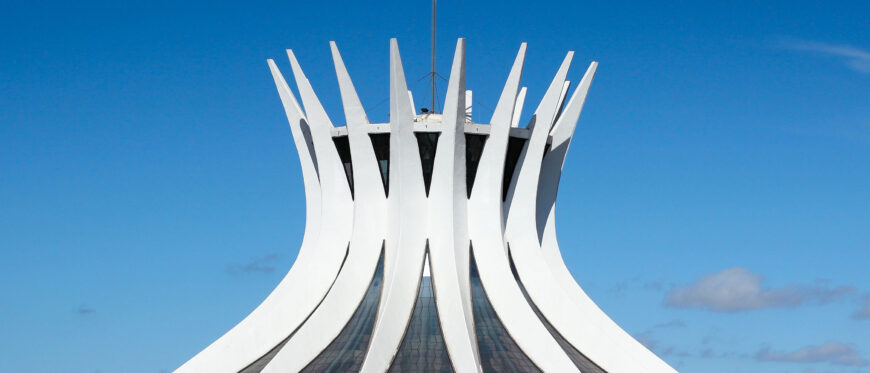
International Style
c. 1920–1980
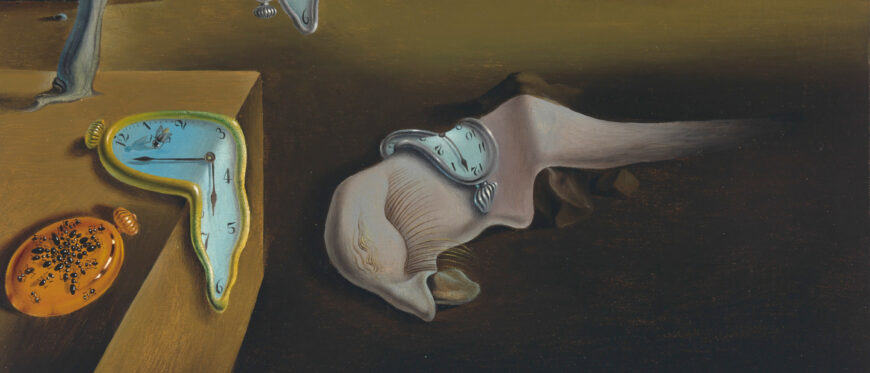
Surrealism
1922–c. 1950
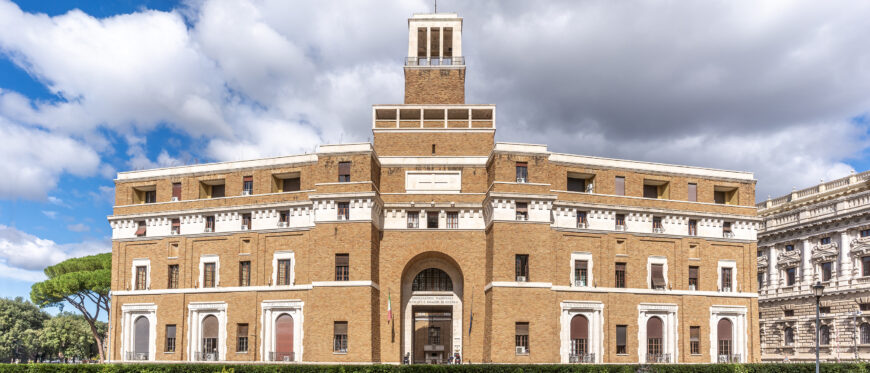
Nazi and fascist visual culture
1933–45
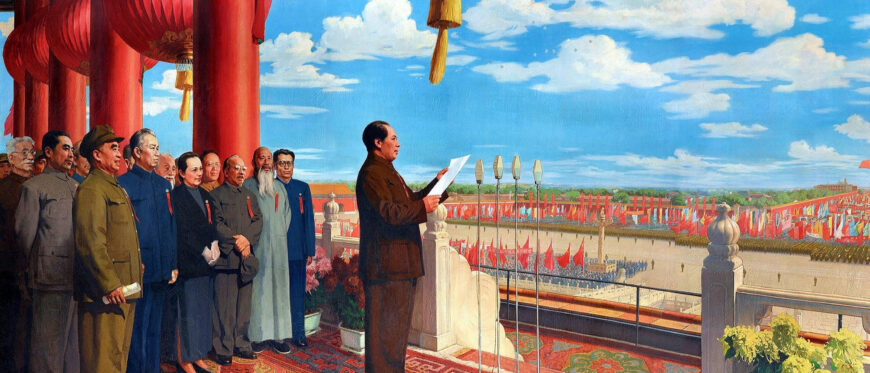
Socialist Realism
1934–91
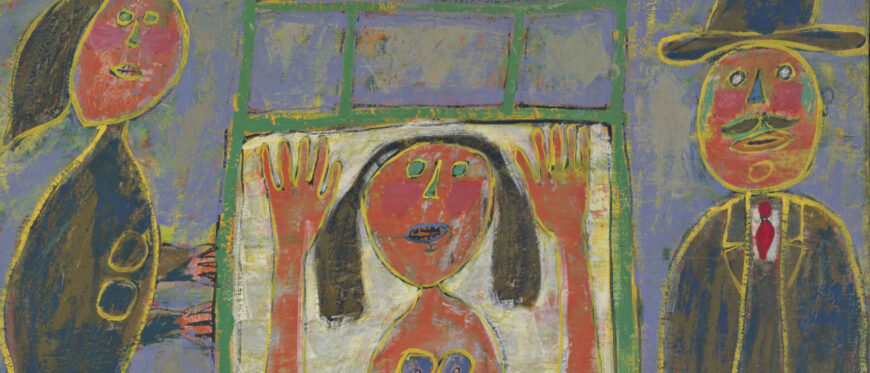
Art brut
c. 1940–65
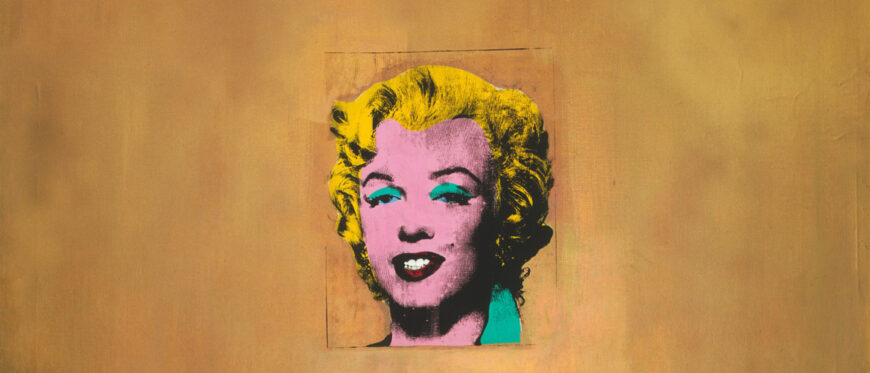
Pop Art
c. 1956–75 and after
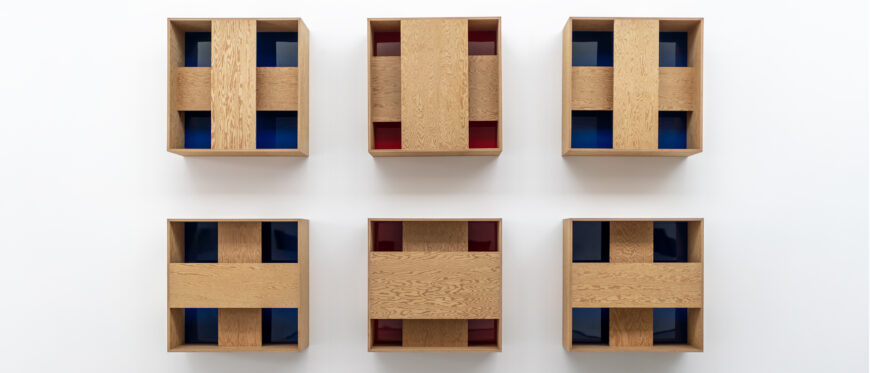
Minimalism
c. 1959–75
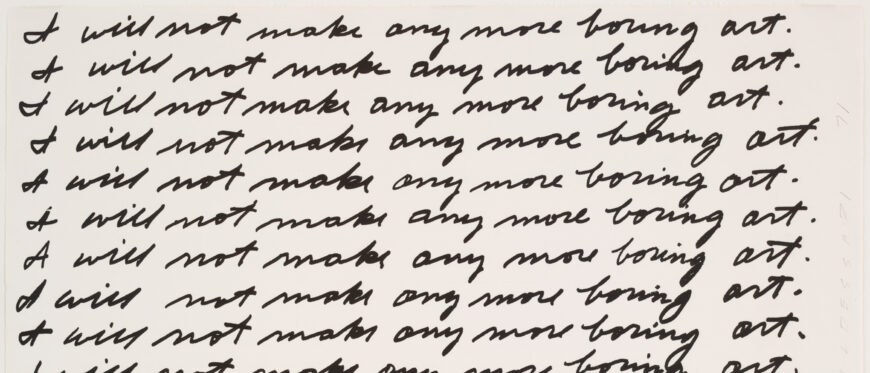
Conceptual art
c. 1960–70 and after
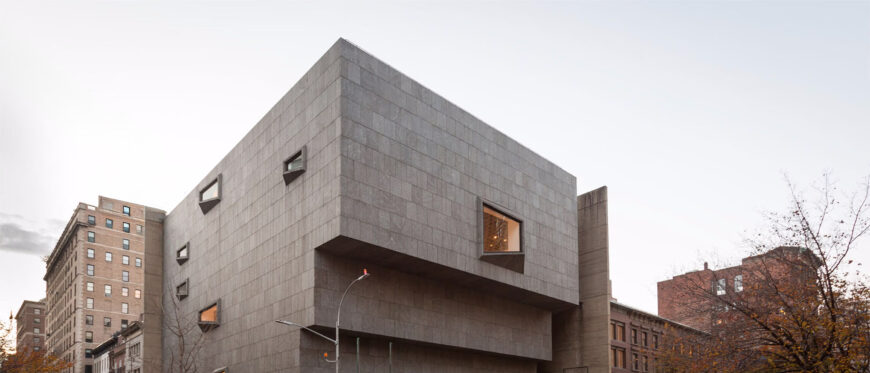
Brutalist
1960s–70s

Capitalist Realism
1961–today
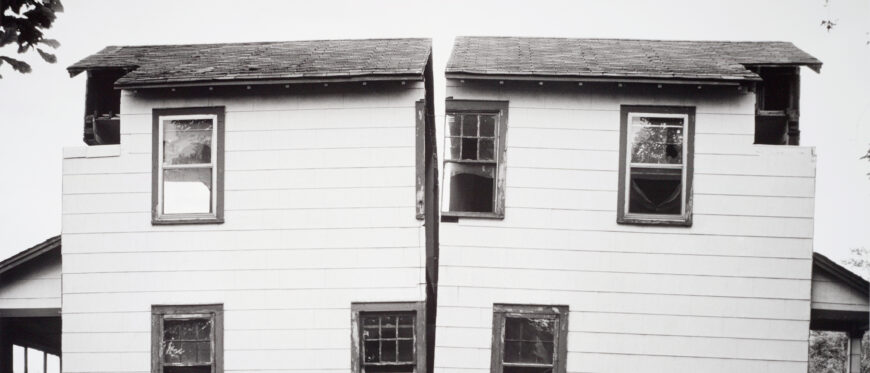
Late Modernism/Postmodernism
1962–today
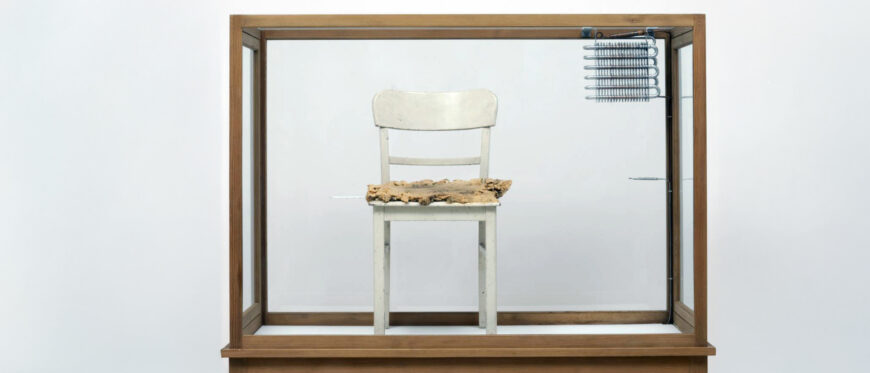
Fluxus
1962–79
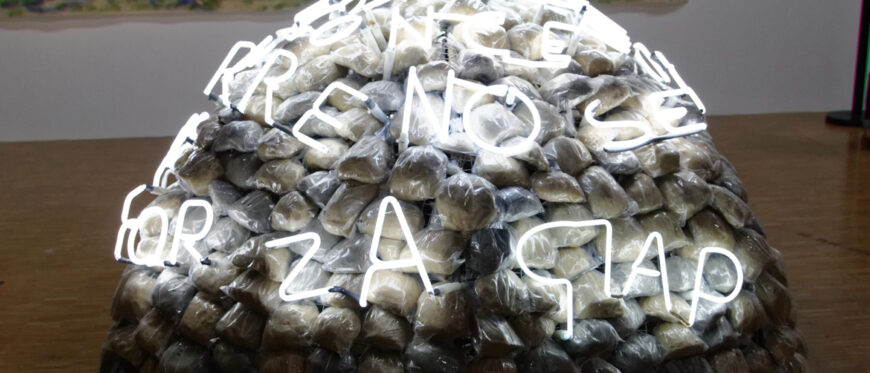
Arte Povera
c. 1965–80
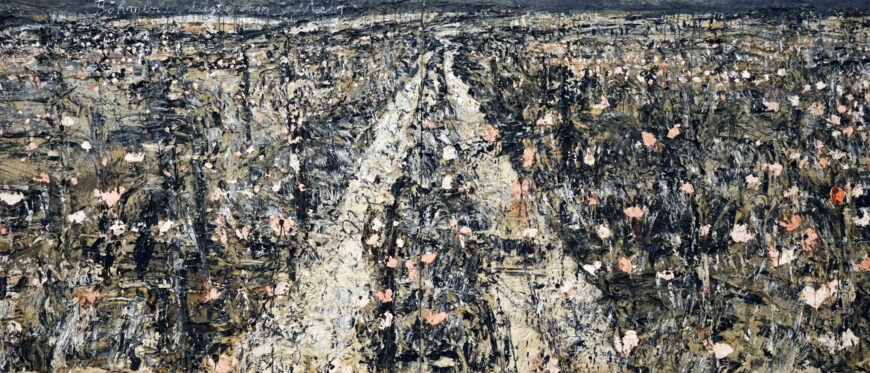
Contemporary
1980–today
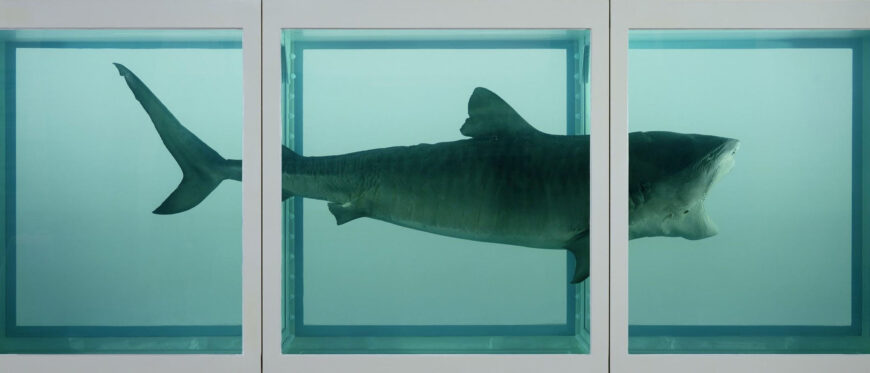
Young British Artists (YBA)
c. 1988–2000